
Raising the Dependable Child: Books That Teach the Virtue of Reliability
You know the moment perfectly. You ask your child to handle a simple, everyday task.
Maybe it is feeding the family dog before dinner. Maybe it is putting their shoes in the designated basket by the front door.
They look at you with wide, earnest eyes. They nod completely.
They make a solid, vocal promise to get it done right now. You turn around to chop onions or fold laundry, feeling a brief wave of parenting success.
Ten minutes later, you walk into the hallway. The shoes are abandoned in the middle of the kitchen floor.
The dog is staring mournfully at an empty silver bowl. Your child is deeply engrossed in a massive tower of building blocks, completely oblivious to the broken promise they just made.
Frustration bubbles up instantly in your chest. You wonder why they simply cannot do what they say they are going to do.
Here is the gentle truth about childhood reliability. Your child is not trying to be actively defiant.
They are not plotting to let you or the family dog down. Their growing brains are simply incredibly busy, highly distractible, and completely captured by the immediate present.
Reliability is not an innate trait that children are simply born with. It is a slow, methodical muscle that needs to be trained over time.
We call this building the steady hand. It is the quiet, beautiful virtue of learning that our words hold weight, that our actions impact others, and that showing up matters.
When we teach children reliability, we are giving them a profound social gift. We are teaching them how to be the friend who actually shows up when they promise to play.
We are teaching them to be the partner, the teammate, and the community member who holds the line when things get difficult.
Reading stories about dependable characters is the absolute best way to make this abstract concept deeply concrete.
Let’s look at the books that show children the undeniable beauty of keeping your word.
Horton Hatches the Egg by Dr. Seuss
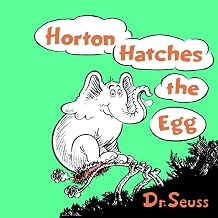
This absolute classic is the gold standard for teaching steadfast reliability. The story is deeply silly, full of colorful illustrations and ridiculous scenarios, but the core message is incredibly weighty.
Horton the elephant is left sitting on a nest in a tree, and he simply refuses to leave. He endures freezing winter snows, terrible rainstorms, and the mocking laughter of his friends.
He stays because he gave his word. The contrast between the flaky bird who abandons her responsibility and the massive elephant who honors his is brilliant.
It is impossible to read this book without feeling a deep sense of respect for Horton.
His unwavering commitment becomes a powerful mantra. Children will easily grasp the unfairness of Horton’s situation, but they will also deeply admire his unshakable integrity.
What kids notice: Children are immediately drawn to the sheer physical comedy of a massive grey elephant attempting to balance on a fragile, tiny bird’s nest in the middle of a tree.
Story snapshot: Mayzie is a lazy bird who convinces a kind-hearted elephant named Horton to sit on her egg while she takes a brief vacation. She never returns, leaving Horton to endure awful weather, hunters, and relocation across the ocean, all because he refuses to break his promise to protect the egg.
Why this book helps: This story provides the ultimate, unforgettable catchphrase for reliability: “I meant what I said, and I said what I meant. An elephant’s faithful, one hundred percent.”
Having a rhythmic, catchy phrase to repeat gives your child an anchor when they are struggling to complete a promised task. You can gently ask them if they are being an elephant today.
It externalizes the concept of dependability, moving it from a boring chore into a point of profound personal honor. It shows that keeping a promise is not always easy or comfortable, but it is deeply respectable.
A Sick Day for Amos McGee by Philip C. Stead
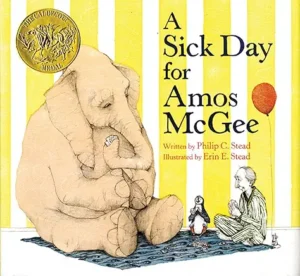
This gentle, incredibly moving book operates at a much softer volume than Dr. Seuss, but its impact is equally profound. Amos McGee is an elderly zookeeper who operates like clockwork.
Every single day, he takes the same bus. Every single day, he plays chess with the elephant, runs races with the tortoise, and reads to the owl. He is the definition of a steady hand. He is deeply, predictably reliable.
When Amos wakes up with a terrible cold and cannot make it to work, the zoo feels entirely wrong.
His animal friends realize that his steady presence is missing. They decide to mirror his reliability by getting on the bus and visiting his home to care for him.
It is a stunning visual representation of how dependability builds deep, reciprocal trust over time.
What kids notice: Kids love the quiet, cozy illustrations and the delightful image of wild zoo animals navigating a city bus to go check on their human friend.
Story snapshot: Amos is a punctual, reliable zookeeper who dedicates specific time to his animal friends every single day.
When a sudden illness keeps him home in bed, the animals realize how much they depend on him and decide to return the favor by leaving the zoo to take care of him at his house.
Why this book helps: It beautifully illustrates that reliability is a two-way street that builds the foundation of true friendship. It shows children that being dependable is not just about doing your chores.
It is about being a consistent, safe presence for the people who love you.
When your child sees how much the animals rely on Amos, they begin to understand that their own consistency matters to the people around them. It paints the steady hand as an act of profound, quiet love rather than a rigid set of rules.
The Paperboy by Dav Pilkey
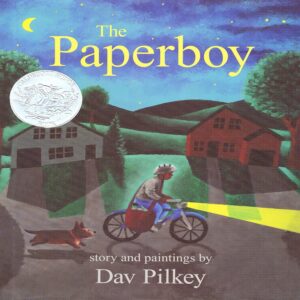
Long before he created Captain Underpants, Dav Pilkey wrote and illustrated this quiet, meditative masterpiece about responsibility.
The story follows a young boy who wakes up in the pitch black of the early morning.
While his parents and his sister are sleeping warmly in their beds, he gets up, bundles up against the cold, and heads out with his dog to deliver the newspaper.
There is no grand applause for this boy. There is no major conflict or villain to defeat. There is simply the quiet, beautiful dignity of a job that needs to be done.
He folds the papers, he loads his bag, and he rides his bike through the dark streets. He is reliable because people are waiting for their news. He is a steady hand in the sleepy dawn.
What kids notice: The deep blues and purples of the early morning illustrations completely captivate children, making the boy’s quiet journey feel like a secret, magical adventure that happens while everyone else is asleep.
Story snapshot: A young boy and his faithful dog wake up before the sun to complete their daily paper route.
They experience the quiet beauty of the sleeping neighborhood, finish their hard work, and return to their warm bed just as the rest of the world is starting to wake up.
Why this book helps: It teaches children the inherent, quiet dignity of responsibility.
There is no one standing over the boy forcing him to do his job. He does it because it is his duty, and there is immense pride in that ownership.
It helps parents shift the conversation around daily tasks from “you have to do this because I said so” to “you do this because you are an important, capable part of this community.” It normalizes doing hard things without needing immediate praise.
Katy and the Big Snow by Virginia Lee Burton
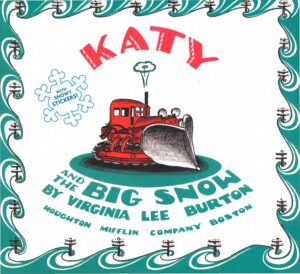
Virginia Lee Burton had a true gift for making machines feel deeply human and relatable. Katy is a beautiful, strong red crawler tractor. In the summer, she does important dirt work.
But in the winter, she is fitted with a massive snowplow. She is strong, but she is mostly waiting for a situation big enough to need her specific strength.
When a massive blizzard hits the city of Geoppolis, everything completely stops.
The police cannot move. The fire department is stuck. The doctor cannot reach the hospital.
Everyone looks to Katy. She does not panic, and she does not quit. She simply puts her head down and steadily clears the way. She is the ultimate symbol of persistence and reliability in a crisis.
What kids notice: Children are obsessed with the highly detailed maps of the city and following Katy’s red path as she chugs along, rescuing every single municipal department one by one.
Story snapshot: A record-breaking blizzard paralyzes an entire city, leaving all the important services trapped.
Katy the tractor steps up, pushing through deep snow continuously to plow out the roads, save the city from disaster, and prove her unwavering dependability.
Why this book helps: Katy embodies the virtue of showing up when things are overwhelmingly difficult.
This book is a phenomenal tool for days when your child is complaining that a task is too hard or taking too long. Katy does not clear the city in one giant scoop.
She clears it inch by inch, street by street, with steady, reliable effort.
It teaches children that true dependability often means pushing through fatigue and frustration to finish what you started because others are counting on you.
The Little Red Hen by Paul Galdone
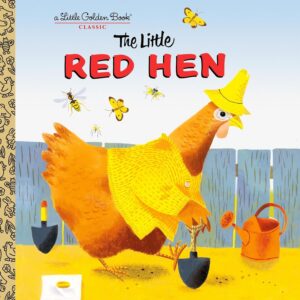
You cannot have a conversation about reliability without visiting this absolute staple of childhood literature.
The Little Red Hen finds some wheat seeds and asks her housemates—a dog, a cat, and a mouse—for help planting them.
They all offer a chorus of “Not I.” This pattern continues through the harvesting, the threshing, the milling, and the baking.
The hen does every single step by herself with a steady, reliable work ethic. When the bread is finally hot and ready to eat, suddenly everyone wants to participate.
The hen calmly refuses them. She did the work, so she gets the reward. It is a blunt, necessary lesson in the natural consequences of being a flaky participant.
What kids notice: Children absolutely love predicting and shouting out the repeating phrase “Not I!” whenever the dog, cat, and mouse are asked to chip in with the chores.
Story snapshot: A hardworking hen continually asks her lazy friends for help with the long process of making bread from scratch. When they refuse to help with any of the labor, she ultimately refuses to let them share in eating the delicious final product.
Why this book helps: It draws a incredibly clear, unmissable line between effort and outcome. It shows children that being part of a family or a team requires reliable participation.
When your child is resisting pitching in with family chores, this book provides a perfect, non-lecturing reference point.
You can ask them if they want to be a helpful hen or a sleeping cat today. It gently reminds them that enjoying the benefits of a shared household means reliably contributing to the work that keeps it running.
Stick and Stone by Beth Ferry
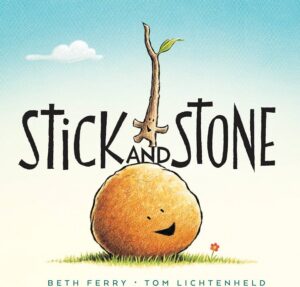
Reliability is not just about doing chores or going to work. A massive part of this virtue is relational.
It is about being a steady, dependable friend. Stick and Stone captures this dynamic perfectly with incredibly sparse text and highly expressive illustrations.
Stick and Stone are alone until they find each other.
When a prickly pinecone comes along and makes fun of Stone, Stick does not hesitate.
He stands up for his new friend immediately. Later, when Stick gets stuck in a puddle, Stone rolls in to rescue him. They take turns showing up for one another. They are reliable when it counts the most.
What kids notice: The incredibly clever visual puns and the simple, emotive faces on the inanimate objects make the deep social message highly accessible and funny for younger readers.
Story snapshot: A lonely stick and a lonely stone become fast friends. When bullying and environmental obstacles threaten their bond, they repeatedly prove their loyalty by rescuing and defending each other, proving that a true friendship is built on mutual support.
Why this book helps: It teaches children that the steady hand extends to how we treat our peers.
It is easy to be a friend when everyone is laughing and playing. It requires true reliability to stand by a friend when they are being teased or when they are in trouble.
This book gives parents a perfect framework to discuss loyalty. It shows that being a dependable friend means stepping in and helping out, even when it might be easier to just walk away.
The Promise by Nicola Davies
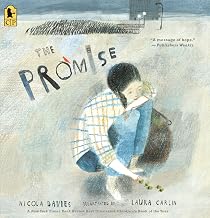
This is a slightly more mature, deeply breathtaking book about the long-term impact of keeping your word. It begins in a gritty, bleak, and colorless city.
A young girl tries to steal a bag from an old woman. The woman agrees to let go of the bag, but only if the girl makes a promise to “plant them.”
The girl discovers the bag is full of acorns. Despite her harsh surroundings, she decides to keep her word. She begins to reliably, steadily plant the seeds across the grey city. Over time, her single, reliable commitment transforms the entire world around her, bringing back color, nature, and hope.
What kids notice: The dramatic visual transformation of the book’s pages, shifting from dark, oppressive greys and browns into vibrant, lush, exploding greens as the girl keeps her promise.
Story snapshot: A young thief in a harsh, concrete city makes a promise to an old woman in exchange for her bag.
Finding it full of seeds, the girl honors her promise by planting them, sparking a massive, beautiful ecological and social change across the landscape.
Why this book helps: It introduces the concept that reliability has a ripple effect.
Keeping a promise is not just a checkbox on a to-do list; it is an action that can bring profound beauty into the world.
It shows children that even if they start out making mistakes, they have the power to change their narrative by choosing to be steadfast.
It elevates the virtue of reliability from a simple behavioral expectation to a powerful tool for community transformation.
Amos & Boris by William Steig
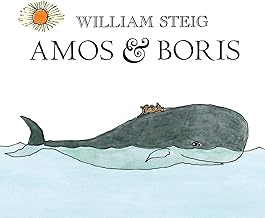
We close out this list with a profound story of a promise kept over the span of many years.
Amos is a tiny, adventurous mouse who falls off his boat in the middle of the immense ocean.
He is rescued by Boris, a massive, gentle whale. They spend a week together, developing a deep, unlikely friendship before Boris returns Amos to the shore.
As they part ways, Amos promises that if Boris ever needs help, he will be there.
Boris appreciates the sentiment, though he doubts a tiny mouse could ever help a whale.
Years later, a hurricane washes Boris onto the beach. He is stranded and dying. Amos sees him, remembers his promise, and reliably orchestrates a massive rescue with two elephants to push his friend back to sea.
What kids notice: The sheer, comical scale difference between the tiny mouse and the giant whale, and the dramatic, tense excitement of the final beach rescue scene.
Story snapshot: A mouse and a whale form a deep bond when the whale saves the mouse from drowning.
Years later, their roles are reversed when a storm strands the whale on the beach, and the mouse honors his old promise by finding a way to save his giant friend’s life.
Why this book helps: This is a masterpiece about the longevity of the steady hand. It teaches children that true reliability does not expire.
When we make a commitment to the people we love, we carry that commitment with us. It shows kids that you do not have to be the biggest, loudest, or strongest person to be dependable.
You just have to be willing to honor your word when the moment calls for it. It is a beautiful, tear-jerking testament to steadfast friendship.
Put Your Child in the Heart of the Story
Sometimes the very best way to help a child understand a big virtue is to make them the absolute hero of the narrative.
With Scrively’s custom book creator, you can build a 100% personalized story where your child is the one learning how to build the steady hand.
You can craft a beautiful, high-quality book where your child has to overcome distractions, honor a promise to a friend, or help save the day by being deeply reliable.
When they see their own name and likeness stepping up to do the right thing, the lesson moves from their head straight into their heart.
Building the steady hand takes time. You will absolutely still have days where shoes are left on the floor and chores are completely forgotten.
Give yourself grace, and give your child the time they need to grow. By reading these stories together, you are giving them the emotional vocabulary they need to understand why their actions matter. You are planting the seeds of dependability.
Keep reading, keep encouraging, and watch as they slowly, beautifully become the reliable person you know they can be.