Celebrating Kids Who Wear Glasses: The Best Children’s Books With Confident, Clear-Sighted Heroes
There’s something magical about the moment a child first puts on glasses and realizes the world is sharper, brighter, and more detailed than they ever knew.
Street signs come into focus, the board at school suddenly makes sense, and the leaves on a tree are no longer a fuzzy green cloud but a hundred tiny shapes.
For many kids, it’s a quiet superpower moment: Oh… this is how everyone else has been seeing things.
But along with that magic can come a swirl of big feelings. Will people tease me?
Am I going to look “different” now? Do glasses make me weird, cute, nerdy, awesome… or all of the above?
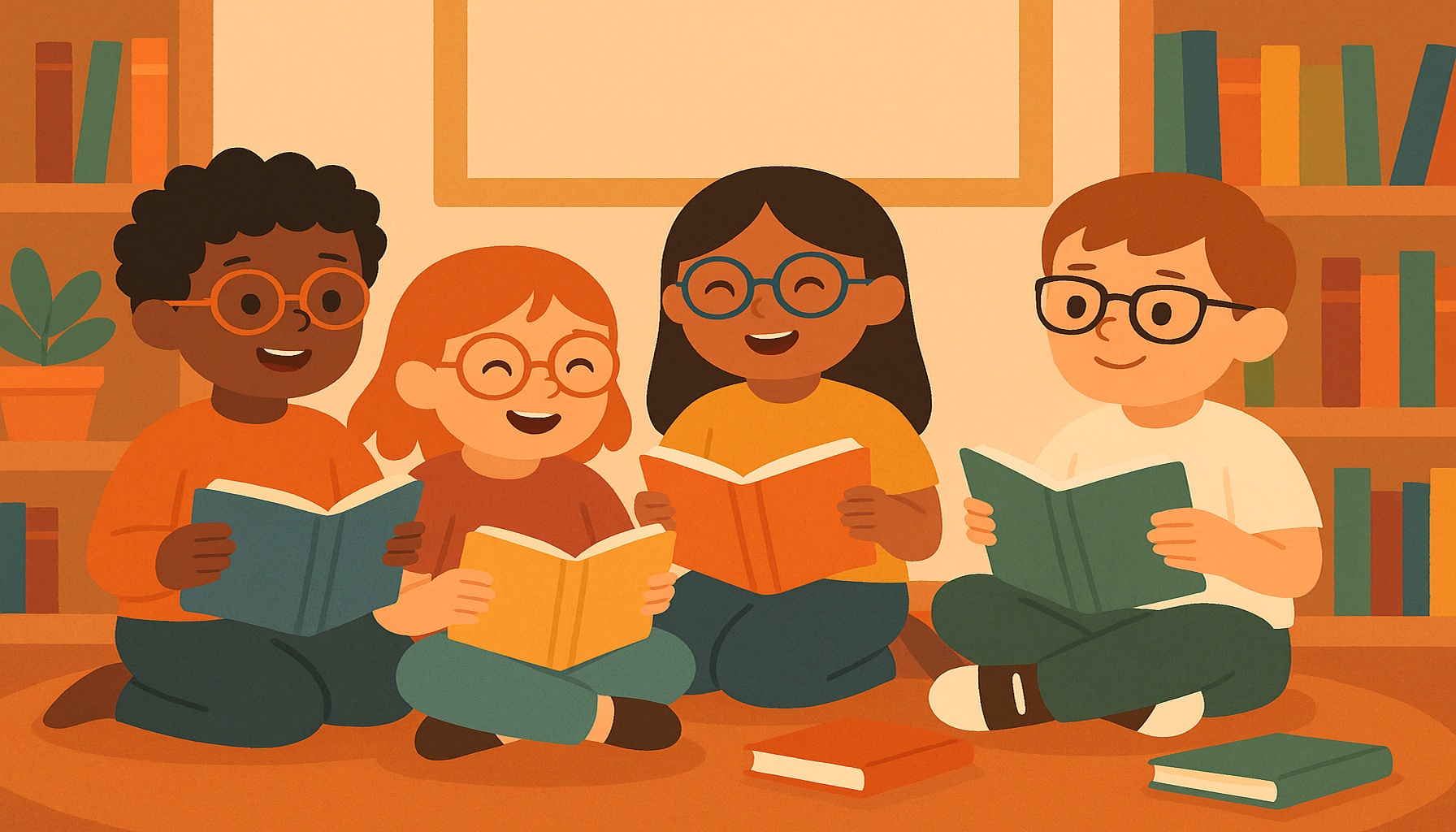
Kids don’t just need clear vision; they need stories that help them feel seen. Representation on the page says, “You belong here exactly as you are — frames, lenses, and all.
Children’s books that center kids who wear glasses do more than normalize eyesight differences.
They gently tackle confidence, self-expression, and identity.
They show characters who stumble, feel unsure, and then discover that glasses don’t limit who they can be — explorer, scientist, artist, pirate, princess, goalie, or space traveler.
These stories help kids rewrite the inner script from “Everyone will notice my glasses” to “Everyone will notice my gifts.”
For parents, teachers, and librarians, the right stories can turn a potentially wobbly transition — a new prescription, a first pair of frames, or a patching routine — into an opportunity for connection.
Reading together gives kids a safe space to ask questions, express fears, and laugh about the awkward bits.
Books say what we sometimes struggle to put into words: “You are brave. You are strong. And your glasses are just one cool part of who you are.”
The list below highlights eight wonderful books featuring kids who wear glasses, from silly and playful to tender and reassuring.
Whether your reader is about to pick up their first pair or already has a well-loved collection of frames, these stories can help them feel proud of the way they see the world.
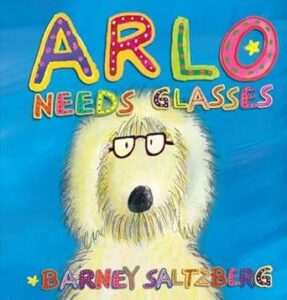
Arlo Needs Glasses — Barney Saltzberg
Core Themes:
- Embracing change
- Playful problem-solving
- Finding joy in new routines
Story Snapshot:
Arlo is a lovable dog who suddenly can’t catch his favorite ball anymore — no matter how hard he tries.
A visit to the eye doctor reveals that Arlo needs glasses, and what follows is a funny, interactive journey through eye exams, frame choices, and finally seeing clearly again.
Kids will love the playful tone and hands-on elements as Arlo discovers that glasses help him get back to his favorite games.
How this book empowers kids who wear glasses:
By placing the “glasses moment” in a silly, low-pressure context, this book shows kids that needing glasses doesn’t mean something is wrong with them — it simply gives them a clearer view of the world (and the ball!).
Arlo’s excitement about seeing better helps kids reframe glasses as helpful and fun rather than scary or embarrassing.
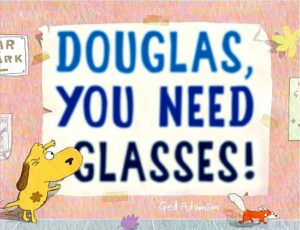
Douglas, You Need Glasses! — Ged Adamson
Core Themes:
- Recognizing when you need help
- Overcoming denial and hesitation
- Seeing everyday life more clearly
Story Snapshot:
Douglas is a friendly dog with one small problem: he can’t see very well.
He mistakes trees for people, can’t read signs, and generally bumps his way through life.
His owner Nancy finally takes him to the eye doctor, where Douglas learns he needs glasses.
The result is a funny, sweet transformation as Douglas realizes how much he’s been missing.
How this book empowers kids who wear glasses:
Many kids suspect something is off with their vision but feel nervous about saying so.
Douglas’s journey normalizes the idea that needing glasses is simply about making life easier and more enjoyable.
The book reassures kids that it’s okay to admit they need help — and that better sight can mean more independence, not less.
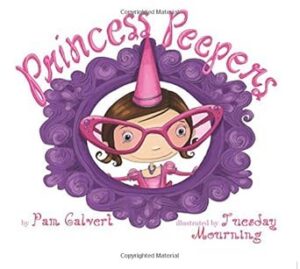
Princess Peepers — Pam Calvert
Core Themes:
- Self-acceptance and style
- Resisting peer pressure
- Celebrating uniqueness
Story Snapshot:
Princess Peepers adores her glasses. They’re sparkly, colorful, and completely her.
But when she goes to Princess Academy and realizes none of the other princesses wear glasses, she starts to feel out of place.
She tries hiding her glasses, which leads to all kinds of mishaps. Eventually, she learns that being herself — glasses and all — is what makes her truly shine.
How this book empowers kids who wear glasses:
This story is a joyful reminder that glasses can be a bold part of a child’s personal style.
Kids see that trying to blend in by hiding who you are never feels as good as embracing your full, true self.
Princess Peepers’ confidence grows not when she removes her glasses, but when she wears them proudly.
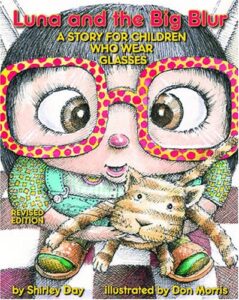
Luna and the Big Blur: A Story for Children Who Wear Glasses — Shirley Day
Core Themes:
- Identity and appearance
- Managing mixed emotions about glasses
- Understanding how others see you
Story Snapshot:
Luna feels torn about her glasses.
Without them, the world is an indistinct blur; with them, she worries she looks different from her friends.
Through conversations with her parents and her own quiet reflections, Luna begins to understand that her glasses are just one part of who she is — and that people who love her see much more than frames and lenses.
How this book empowers kids who wear glasses:
Luna’s confusion and frustration mirror the real emotional journey many kids experience.
The book gives language to those feelings while gently guiding kids toward self-compassion.
It helps children name their worries, then move through them into a more grounded sense of self-worth.

Specs for Rex — Yasmeen Ismail
Core Themes:
- Dealing with embarrassment
- Trying to hide what makes you different
- Discovering support from friends and teachers
Story Snapshot:
Rex is a little lion who has just gotten glasses — and he hates them.
He’s sure everyone will laugh, so he tries to hide his specs in increasingly creative (and ridiculous) ways at school.
By the end of the day, he realizes that his glasses actually help him learn, play, and enjoy being with his friends.
How this book empowers kids who wear glasses:
Specs for Rex speaks directly to the fear of being noticed for the “wrong” reason.
Kids see that it’s normal to feel embarrassed at first, but hiding something important rarely works.
The story shows that classmates and teachers can be allies, and that glasses make it easier — not harder — to participate fully.
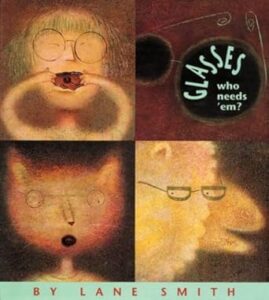
Glasses, Who Needs ‘Em? — Lane Smith
Core Themes:
- Myths and misconceptions about glasses
- Humor as a coping tool
- Reframing negative beliefs
Story Snapshot:
In this humorous book, a reluctant boy visits the eye doctor and launches into a dramatic monologue about how awful glasses are going to be.
The doctor calmly and creatively counters each fear, offering funny, imaginative reasons why glasses are actually pretty great. The back-and-forth banter keeps kids laughing while the character works through his worries.
How this book empowers kids who wear glasses:
By addressing common fears head-on — and with humor — this story helps kids feel less alone in their doubts.
It invites them to laugh at exaggerated worries and see themselves in a character who eventually recognizes that glasses are simply another cool accessory that helps him see better.
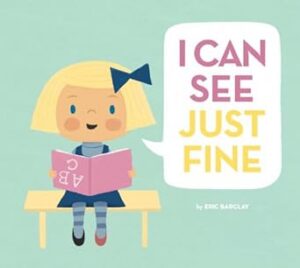
I Can See Just Fine — Eric Barclay
Core Themes:
- Reluctance to admit vision problems
- Honesty and self-awareness
- Discovering everyday benefits of glasses
Story Snapshot:
Paige insists she can see “just fine,” even as she misreads signs, trips over things, and struggles at school.
After a visit to the eye doctor, she gets glasses — and suddenly realizes how much clearer, safer, and more enjoyable the world can be.
Her initial resistance gives way to delight as she experiences life in focus.
How this book empowers kids who wear glasses:
Many kids will recognize themselves in Paige’s stubborn “I’m fine!” stance.
The story gently shows that admitting something is hard doesn’t mean you’re weak; it means you’re ready for support.
Kids see that glasses aren’t about being broken — they’re about getting the tools you need to thrive.
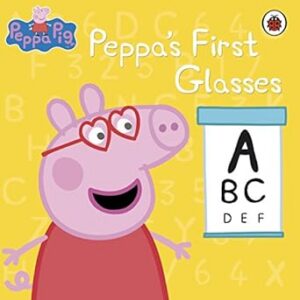
Peppa’s First Glasses — Neville Astley & Mark Baker
Core Themes:
- Normalizing eye checkups
- Making new experiences playful
- Family support and encouragement
Story Snapshot:
In this gentle story from the Peppa Pig universe, Peppa visits the eye doctor and tries on different frames to find the perfect pair.
The familiar characters, bright colors, and simple language make the process of getting glasses feel fun and approachable for very young readers and preschoolers.
How this book empowers kids who wear glasses:
For little ones, the eye doctor can feel mysterious or intimidating.
This story turns the whole experience into a friendly adventure, showing that getting your eyes checked is just another part of taking care of your body — like brushing your teeth or visiting the dentist.
Seeing a beloved character wear glasses helps young kids feel proud of their own frames.
Seeing the World Their Way
When kids see characters who wear glasses being brave, silly, creative, kind, and powerful, something important happens: they start to recognize those same traits in themselves.
Glasses go from being “the thing that makes me different” to “just another part of how I move through the world.”
The books you share help shape that story.
Whether your reader is trying on their first pair, picking out bolder frames, or simply wondering why some kids wear glasses and others don’t, these stories offer reassurance and possibility.
They remind children that their value isn’t measured by how they look in photos, but by how they see, imagine, love, and contribute.
You can build simple rituals around these books: reading one together the night before an eye appointment, talking about favorite characters who wear glasses, or drawing new frame designs just for fun.
Small practices like these create a sense of ownership and confidence. Glasses become less about “fixing” something and more about expressing who they are.
If your child loves writing or drawing, you might also invite them to create their own stories about seeing the world through their unique lenses.
Scrively is a space where kids can journal, sketch, and capture their experiences — from first eye exams to finding the perfect frames.
Giving them a place to reflect in their own words helps them claim their story with pride.
However your reader wears their glasses — bright and bold, calm and classic, round, square, or somewhere in between — here’s the message these books help deliver:
You belong. You are seen. And the way you see the world is something to celebrate.