Best Books for 10-Year-Old Girls Who Love Art: Stories That Spark Imagination and Confidence
Some kids don’t just see the world—they feel it.
They notice the exact pink in a sunset, the swirl of color in soap bubbles, or the way someone’s face shifts when they laugh.
If you’re raising a young artist, you already know: creativity isn’t just something she does. It’s how she understands herself. Art is her language, her bravery, her joy, her truth.
At 10, kids are in a beautiful moment of becoming. They’re beginning to form identity, voice, imagination, and independence.
They’re exploring their taste, opinions, style—and they’re starting to feel the real world noticing.
Books that celebrate creativity don’t just teach technique. They help kids trust themselves. They say, “Your ideas matter. Your voice matters. The way you see the world matters.”
The books below honor the creative spark that already lives within her. Some tell stories of brave and imaginative young artists.
Some open doors into art history in magical, accessible ways. Others invite hands-on exploration and experimentation.
Together, they help her grow not only as a maker—but as a confident, expressive, deeply connected human being.
Your young artist doesn’t just make art. She is art in motion. Let’s nurture that spark and protect it fiercely.
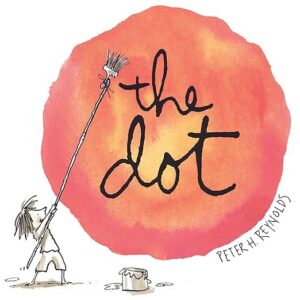
The Dot — Peter H. Reynolds
Vashti insists she isn’t an artist. She freezes at the blank page. Her teacher simply says, “Make a mark and see where it takes you.”
That first dot becomes a doorway into courage and creativity. The book shows how confidence grows one small step at a time—and how our creative energy expands when someone believes in us.
Why kids love it: It feels like permission to try. It replaces fear with play.
Perfect for: Kids who erase too much, who worry about “getting it right,” who need the reminder that art comes from the heart.
This book also opens the door for conversation: “What would your dot look like?” “What happens if we don’t judge the first mark?” Sometimes one encouraging nudge is all a young artist needs to unlock her world.
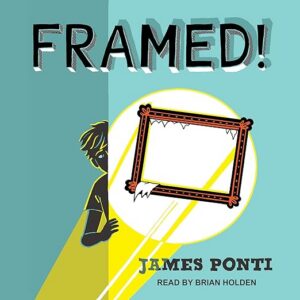
Framed! — James Ponti
Art isn’t only about drawing—it’s about seeing. In this fast-paced mystery, Florian solves crimes using a strategy of careful observation.
Museums become treasure maps. Clues hide in plain sight. This story shows that artistic attention is a power, not just a hobby.
Why kids love it: The mystery is fun, clever, and a bit mischievous. It feels like being let into a secret world.
Perfect for: Kids who love puzzles, noticing tiny details, or asking “Why?” about everything.
This book subtly teaches that paying attention—really paying attention—is a form of intelligence. That’s a message creative kids don’t hear enough.
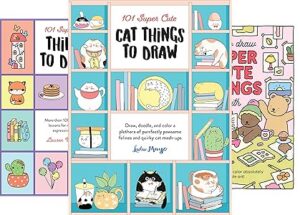
Draw! Draw! Draw! — Lulu Mayo
This isn’t a step-by-step “do it perfectly” kind of drawing book. It’s a playful, joyful sketchbook companion filled with prompts, doodle starters, and delightful ideas. It encourages experimentation, silliness, and freedom. It reminds kids that art is exploration—not performance.
Why kids love it: There’s no pressure. They get to follow their imagination wherever it goes.
Perfect for: The kid who doodles on worksheets, napkins, and the margins of everything.
This book reinforces a powerful truth: creativity is something you practice by doing—not something you “earn” by being good.
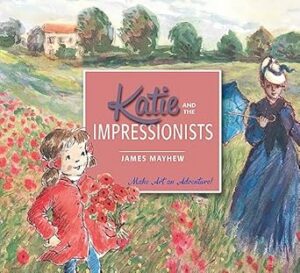
Katie and the Impressionists — James Mayhew
Katie steps inside famous paintings and experiences art from the inside. She sees how color can tell a story, how brush strokes express emotion, how light can become magic.
It introduces kids to iconic art without lectures or condescension. It’s story first, wonder second, learning third—and that order matters.
Why kids love it: It feels like traveling into a dream or unlocking a secret world.
Perfect for: Kids who love color, imagination, and curiosity-driven learning.
It also teaches that famous artists were once children themselves—kids with questions, feelings, and courage to experiment.
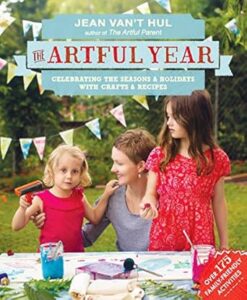
The Artful Year — Jean Van’t Hul
This book transforms everyday life into opportunities for art.
It invites families to create seasonal projects together—painting with leaves in fall, making sun prints in summer, crafting cozy indoor art in winter. It connects art to memory, nature, and family rhythm.
Why kids love it: Art becomes something you live, not something you pull out for “craft time.”
Perfect for: Homes that value slowness, presence, and creative connection.
This book encourages you to say yes more often. “Yes, let’s try it.” “Yes, we can make something.” “Yes, your idea belongs here.”
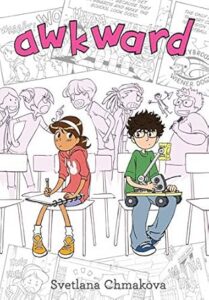
Awkward — Svetlana Chmakova
Art is emotional. Friendship is emotional. Growing up is emotional. This graphic novel captures all of it with honesty and heart.
The main character finds belonging in art club and learns that her creativity can also be a source of confidence and connection.
Why kids love it: It’s real. It reflects the awkward, beautiful mess of being 10.
Perfect for: Sensitive, thoughtful kids navigating social changes—especially school transitions.
It shows that art can help us find our people. And sometimes, finding your people is everything.
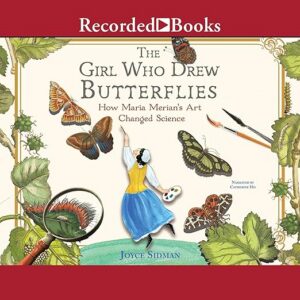
The Girl Who Drew Butterflies — Joyce Sidman
This biography tells the true story of Maria Merian, a young girl who studied nature with deep curiosity and illustrated what she discovered. She showed the world that transformation is real—not just in caterpillars, but in people.
Why kids love it: It is beautiful, thoughtful, and filled with wonder.
Perfect for: Kids who love nature, science, observation, and quiet determination.
This book teaches that art can change the world—not by being perfect, but by being truthful.
Tips for Encouraging Your Young Artist
- Display her art proudly—it tells her she matters.
- Say “Tell me about your idea” instead of “What is that?”
- Celebrate mistakes—they are part of the journey.
- Encourage curiosity, not perfection.
- Let her lead the creative direction—her voice matters.
Create Your Own Artful Story
Art isn’t only about what we see. It’s about what we feel. This storytelling activity helps kids merge imagination and emotion.
- Invite your child to draw a character who expresses emotion through color.
- Where does the character live? What world surrounds them?
- What are they feeling, and how does color show it?
- Write the story together—exactly as she tells it.
Help your child grow as an artist with Scrively. Unlimited stories. Unlimited confidence. Unlimited imagination.
When we nurture creativity, we don’t just raise kids who make art. We raise kids who know themselves. We raise kids who trust their ideas. We raise kids who can bring color into a world that desperately needs it.
Your young artist has something to say. These books help her say it boldly.