Best Books for 6-Year-Olds Learning to Read: Stories That Spark Confidence and Joy
Six is such a magical age for reading. Kids are beginning to stretch their wings—moving from sounding out every word to finding rhythm and confidence in whole sentences.
The right books can make this stage feel less like homework and more like an adventure.
At this age, early readers need stories that combine simple sentences, repetition, and just the right challenge to spark excitement.
With the right mix of leveled readers, rhyming tales, and early chapter books, your child can start to feel the joy of reading independently.
Think of it as giving them the keys to a new world—a world where they get to decide when to open the door and step inside.
This guide pulls together a mix of 6–8 carefully chosen books that work beautifully for six-year-olds who are ready to grow into confident readers.
From phonics-friendly stories to laugh-out-loud characters, these books give kids exactly what they need at this stage: fun, success, and a sense of independence.
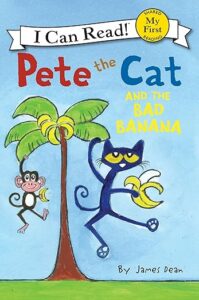
Pete the Cat and the Bad Banana — James Dean
Pete the Cat is a beloved favorite, and in this simple reader, Pete learns that one bad banana doesn’t mean all bananas are bad.
The story is packed with James Dean’s signature artwork and short, decodable sentences that keep early readers moving forward.
This book gently reinforces the idea that one setback doesn’t ruin the whole experience—a great lesson both for food and for learning. The vocabulary is repetitive enough for confidence, but fresh enough to keep kids engaged.
Why kids love it: Pete’s silly expressions and the funny storyline keep kids engaged, making practice feel like playtime.
Perfect for: Kids who need a laugh while building fluency and sight word recognition.
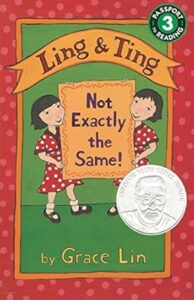
Ling and Ting: Not Exactly the Same! — Grace Lin
This charming early reader follows identical twins Ling and Ting as they show how being twins doesn’t mean being the same.
Each chapter is a short, playful slice of life—perfectly sized for early readers who want to try something that feels “bigger” than a picture book.
The writing uses simple vocabulary and plenty of visual support, giving readers the satisfaction of finishing multiple sections in one sitting. Grace Lin’s humor shines, while also weaving in a thoughtful message about individuality.
Why kids love it: The humor and sibling moments feel familiar, while the mini-chapters make them feel accomplished.
Perfect for: Kids ready to transition into short chapter books without overwhelm.
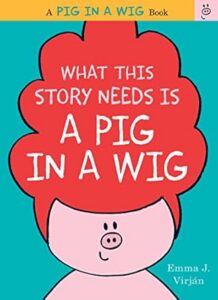
What This Story Needs Is a Pig in a Wig — Emma J. Virján
This rhyming romp features a pig in a bright red wig who keeps inviting more animals to join her boat.
The silly premise builds and builds, making kids laugh as they sound out new words with confidence.
The repetitive rhyme structures are designed to support decoding skills, while the vibrant art pulls kids deeper into the fun. It’s the kind of book kids want to read again—and again—which is exactly what builds mastery.
Why kids love it: The wordplay and wacky animal parade make the story impossible to resist.
Perfect for: Kids who thrive when rhyme and rhythm support their reading practice.
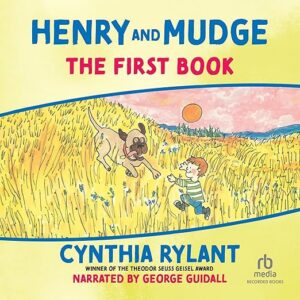
Henry and Mudge: The First Book — Cynthia Rylant
Henry is a lonely boy until Mudge—a huge, lovable dog—joins his life. Their gentle, everyday adventures feel familiar and comforting, making this series a long-time favorite among new readers.
The text is simple yet more substantial than beginner phonics readers, giving kids the satisfaction of finishing a “real” chapter book.
The relationship between Henry and Mudge also models kindness, loyalty, and friendship, adding heart to every page.
Why kids love it: Mudge’s goofy charm and Henry’s relatable experiences make for irresistible reading.
Perfect for: Kids moving beyond picture books but not yet ready for longer chapter books.
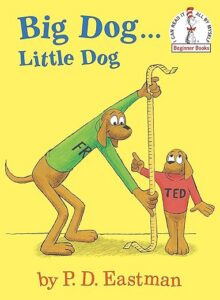
Big Dog… Little Dog — P.D. Eastman
Fred and Ted are two dogs who do everything differently—one eats big, one eats small, one drives slowly, one drives fast.
Their silly differences make for easy repetition and lots of learning.
This Beginner Book blends opposites, humor, and short sentences to reinforce early concepts while building confidence in sight words.
It’s perfect for a child who enjoys humor and needs reinforcement without heavy pressure.
Why kids love it: The goofy situations make them laugh, while the opposites are easy to predict and read aloud.
Perfect for: Early readers who love dogs, humor, and clear, patterned text.
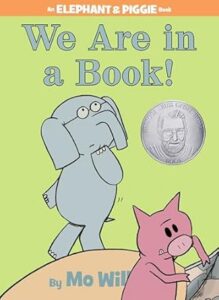
We Are in a Book! — Mo Willems
Elephant and Piggie discover they are characters inside a book, and hilarity follows as they realize they can control what the reader says.
This clever twist instantly makes kids feel part of the story.
With expressive illustrations and lots of repetition, Mo Willems makes reading an interactive experience.
The humor and pacing encourage kids to read aloud with confidence, which builds fluency naturally.
Why kids love it: The interactive jokes keep them giggling and begging to read it again.
Perfect for: Kids who need an extra push to find reading irresistible.
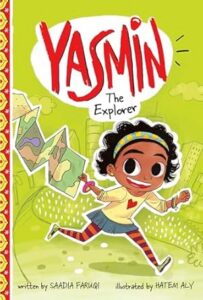
Yasmin the Explorer — Saadia Faruqi
Yasmin is a curious Pakistani-American girl who loves to explore and solve problems.
This early chapter book series blends cultural representation, everyday adventures, and supportive illustrations.
The short sentences and approachable vocabulary give kids success, while Yasmin’s relatable experiences make them want to keep going.
It’s a fresh, modern choice that reflects today’s diverse classrooms and families.
Why kids love it: Yasmin’s curiosity and confidence make her an inspiring role model.
Tips for Supporting New Readers
- Choose books with repetition, rhyme, or short sentences to build confidence.
- Celebrate progress—even small victories—with praise and encouragement.
- Take turns reading pages to keep the experience fun and low-pressure.
- Let kids choose their own books—it boosts ownership and motivation.
- Keep reading aloud to them too; hearing fluent reading helps them learn.
Create Your Own Reading Adventure
Encourage your child to become the author of their own simple book. Kids who create their own stories connect more deeply to words and find joy in sharing their work with family.
- Let them draw pictures of a favorite animal or activity.
- Work together to add simple sentences that match their drawings.
- Staple the pages into a mini-book and let your child read it aloud with pride.
- Save each one—you’ll build a library of their earliest stories.
Help your child gain confidence as a reader with Scrively. Unlimited stories. Unlimited learning.
Remember: books for new readers don’t just teach words—they open the door to independence, imagination, and a lifelong love of reading.
Keep celebrating each step, and your six-year-old will carry that joy with them for years to come.