Is Your Child Struggling to Cooperate at School? These Books Can Help.
You see it every day at school.
Kids are asked to line up, share tables, wait their turn, build something together, clean up together, listen together.
Sometimes it works. Sometimes it falls apart in under thirty seconds. Cooperation, it turns out, is not a switch that flips when kids walk into a classroom.
You already know this, even if you don’t always feel allowed to admit it. Cooperation is learned slowly, unevenly, and often loudly.
It shows up in bursts, then disappears. One day a child negotiates roles with ease. The next day, the same task feels impossible.
That back-and-forth doesn’t mean something is wrong. It means learning is happening.
Cooperation is not a personality trait or a sign of maturity. It’s a set of skills kids practice again and again in shared spaces with shared expectations.
Stories help in a quiet, pressure-free way. They let kids watch cooperation unfold from the outside first. They get to see what it looks like to disagree and keep going, to mess up and repair, to stay part of a group even when emotions run high.
These books don’t teach cooperation by preaching it. They show it in motion — in classrooms, on playgrounds, and in familiar group moments that feel a lot like school.
Stone Soup — Jon J. Muth

What kids notice in this story:
Kids notice how something small grows into something shared. They see characters hesitating, contributing a little, watching what others do, and slowly realizing they are part of something bigger than themselves.
Story Snapshot:
Three monks arrive in a village and begin making soup with only stones and water. Curious villagers add ingredients one by one, transforming suspicion into cooperation.
Why this book helps kids learn cooperation at school:
The story mirrors classroom collaboration, where no one starts with everything figured out.
It shows how cooperation often begins with small participation and builds through shared effort. Kids see that working together doesn’t require instant agreement — just willingness to stay involved.
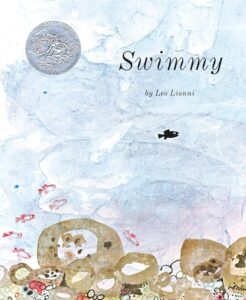
Swimmy — Leo Lionni
What kids notice in this story:
Kids notice how individuals matter inside a group. They pay attention to how each fish plays a role and how thinking together changes what feels possible.
Story Snapshot:
Swimmy, a small black fish, helps a school of red fish work together to protect themselves by forming the shape of a giant fish.
Why this book helps kids learn cooperation at school:
This story reflects group work where every child contributes something different. It reinforces that cooperation is about shared purpose, not sameness, and that participation counts even when kids feel small or unsure.
The Little Red Hen Makes a Pizza — Philemon Sturges
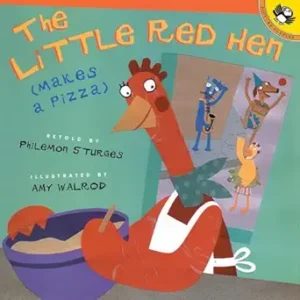
What kids notice in this story:
Kids notice frustration, fairness, and the consequences of opting out. They see how cooperation (or the lack of it) affects everyone involved.
Story Snapshot:
The Little Red Hen wants to make a pizza and asks for help. Her friends decline — until the pizza is ready to eat.
Why this book helps kids learn cooperation at school:
Instead of rewarding compliance, the story invites discussion about shared responsibility. Kids can reflect on how group routines work and what happens when cooperation breaks down, without being told what to think.
What About Bear? — Suzanne Bloom

What kids notice in this story:
Kids notice misunderstandings and missed cues. They recognize the awkward feeling of being overlooked and the relief when cooperation is restored.
Story Snapshot:
Bear tries to help Mouse with a project, but his efforts keep being misunderstood, leading to frustration on both sides.
Why this book helps kids learn cooperation at school:
The story reflects classroom moments where intentions don’t land well. It shows that cooperation includes communication and repair, helping kids understand that working together takes adjustment, not perfection.
Duck, Duck, Goose — Tad Hills
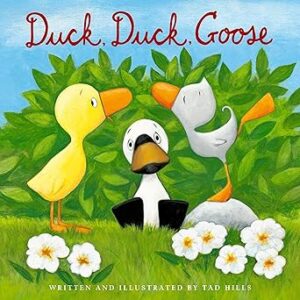
What kids notice in this story:
Kids notice group rules, turn-taking, and the tension between individual excitement and shared structure.
Story Snapshot:
Duck, Duck, Goose play the familiar game, but Goose struggles to wait for his turn, leading to playful chaos.
Why this book helps kids learn cooperation at school:
It mirrors real classroom games and routines where cooperation depends on shared expectations. Kids see that learning to stay in the group sometimes means slowing down, not standing out.
The Most Magnificent Thing — Ashley Spires

What kids notice in this story:
Kids notice persistence, frustration, and how collaboration can soften difficult moments. They see emotions rise — and settle.
Story Snapshot:
A girl works hard to create something magnificent with the help of her dog, learning that trial and error are part of the process.
Why this book helps kids learn cooperation at school:
The story supports group learning where mistakes are inevitable. It models how staying engaged — even when things don’t work — is part of cooperative problem-solving in classrooms.
It’s Mine! — Leo Lionni
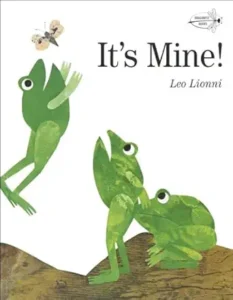
What kids notice in this story:
Kids notice conflict over space and materials. They see how rigid ownership disrupts group harmony.
Story Snapshot:
Three frogs argue over a rock, each insisting it belongs to them — until circumstances force them to work together.
Why this book helps kids learn cooperation at school:
The story mirrors classroom conflicts over shared resources. It gently shows that cooperation isn’t about giving things up, but about finding ways to coexist and problem-solve together.
We’re All Wonders — R.J. Palacio

What kids notice in this story:
Kids notice belonging, empathy, and the courage it takes to include others. They see how cooperation is tied to kindness and awareness.
Story Snapshot:
Based on the world of Wonder, this story explores how children experience being seen, accepted, and included.
Why this book helps kids learn cooperation at school:
The story connects cooperation with emotional awareness. It helps kids understand that working together also means noticing others’ experiences and making room for difference.
Supporting Cooperation Beyond the Page
Many families and classrooms find it helpful to pair these stories with others that explore friendship and social learning more broadly, like those featured in books about learning to make friends at ages 4–7 or books that support social skills in natural ways.
Together, they help kids see how cooperation fits into everyday school life.
Closing Thoughts
Cooperation doesn’t arrive fully formed. It grows through repetition, mistakes, and moments of repair.
Some days it shows up easily.
Other days it needs space, time, and a lot of patience.
When kids struggle with cooperation at school, it’s not a failure of character. It’s a sign they’re still learning how to live and work alongside others.
Stories give them a way to rehearse that learning safely, without the pressure of getting it right the first time.
Rereading these books allows children to revisit those moments again and again — noticing new details, testing new ideas, and slowly building confidence in shared spaces.
If you’re looking for ways to extend that learning, Scrively offers a place where kids can create their own school-based stories.
By shaping characters, challenges, and outcomes, children get to explore cooperation, teamwork, and belonging in ways that feel familiar and meaningful.