Best Books for Kids Learning to Make Friends (Ages 4–7)
You watch it happen in real time.
One day your child is content building towers alone, and the next day there’s a quiet question hanging in the air: “Who do I play with?”
Friendship at this age isn’t linear, and it definitely isn’t tidy.
Some kids rush toward connection. Others hover, observe, step in, step back, and need time to decide if a space feels safe.
Many try once, retreat, and try again later. All of that counts as learning.
Making friends between ages four and seven is less about confidence and more about calibration.
You’re watching your child read rooms, test timing, and figure out how much of themselves to offer. It’s a lot to manage in a small body.
What often trips adults up is the pressure to label progress.
Most Kids Are Still Figuring It Out…
Did they “make a friend” today? Did they play the whole time? Did they speak up? But friendship rarely announces itself that clearly, especially early on.
Stories help because they slow everything down.
They let kids observe social moments without being inside them. They offer practice runs for noticing feelings, misunderstandings, repairs, and quiet wins—without requiring your child to perform any of it yet.
The books below don’t rush connection or reward extroversion.
They honor small steps, missed cues, second chances, and the truth that friendship grows through familiarity, not force.
The Invisible Boy — Trudy Ludwig
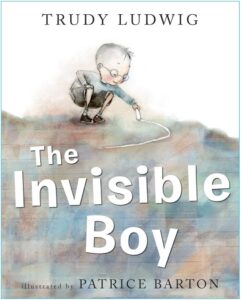
What kids notice in this story:
You notice the quiet kid first—the one standing just outside the circle.
Kids tend to pick up on the small details: who gets invited, who doesn’t, and how it feels to be overlooked without anyone being unkind on purpose.
Story Snapshot:
Brian often feels invisible at school until a new student arrives and notices him. A small act of inclusion shifts how Brian experiences the classroom.
Why this book helps kids learn to make friends:
You see that friendship sometimes begins with noticing rather than speaking.
The story shows how one gentle connection can change a child’s sense of belonging, without requiring bold moves or instant confidence.
We Are Friends — Laurie Krasny Brown
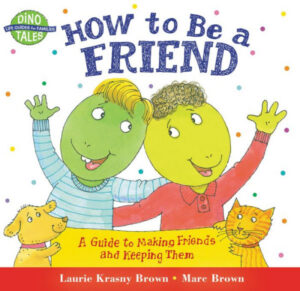
What kids notice in this story:
You notice patterns—who plays together, who doesn’t, and how groups form and shift. Kids often latch onto the rhythm of scenes rather than the words.
Story Snapshot:
The book explores different ways children interact at school, highlighting moments of connection, separation, and overlap.
Why this book helps kids learn to make friends:
You’re shown that friendship isn’t a single definition. It can be quiet, occasional, shared, or temporary—and still real.
Strictly No Elephants — Lisa Mantchev
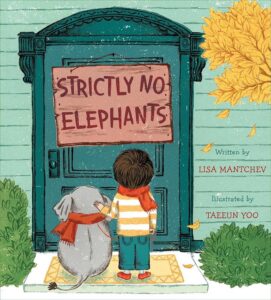
What kids notice in this story:
You notice who gets left out and how exclusion feels unfair even when rules exist. Kids often focus on the emotions before the message.
Story Snapshot:
A child and his pet elephant are excluded from a pet club, leading them to create a space where everyone belongs.
Why this book helps kids learn to make friends:
You see that friendship sometimes grows from shared experience rather than acceptance by an existing group. It validates the pain of exclusion while offering a hopeful, empowering response.
Enemy Pie — Derek Munson
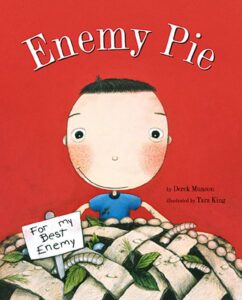
What kids notice in this story:
You notice misunderstandings first. Kids tend to see how assumptions form before relationships do.
Story Snapshot:
A boy believes he has an enemy, but a day spent together changes how both children see each other.
Why this book helps kids learn to make friends:
You learn that friendship can emerge from proximity and shared activity, even when feelings start off messy. It shows that first impressions aren’t permanent.
Stick and Stone — Beth Ferry
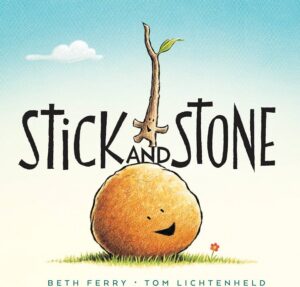
What kids notice in this story:
You notice loyalty. Kids often focus on who shows up and who stays.
Story Snapshot:
Two unlikely friends support each other through teasing and difficult moments.
Why this book helps kids learn to make friends:
You see that friendship can begin unexpectedly and deepen through shared challenges. The story emphasizes trust and mutual care over popularity.
Can I Play Too? — Mo Willems
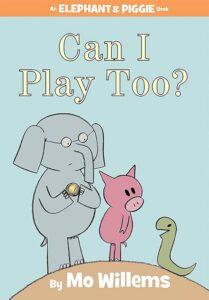
What kids notice in this story:
You notice the question itself. Kids are often drawn to how asking feels vulnerable.
Story Snapshot:
Elephant and Piggie navigate the awkwardness of including a new friend with different abilities.
Why this book helps kids learn to make friends:
You see that inclusion takes effort and adjustment, not perfection. The book models flexibility and patience during early social attempts.
Each Kindness — Jacqueline Woodson
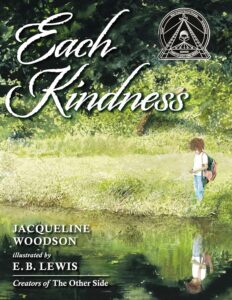
What kids notice in this story:
You notice missed moments. Kids often feel the weight of what wasn’t done.
Story Snapshot:
A child reflects on the chances she had to be kind—and didn’t take.
Why this book helps kids learn to make friends:
You’re shown that small actions matter, and that kindness is part of connection. It invites reflection without shaming.
Leonardo the Terrible Monster — Mo Willems
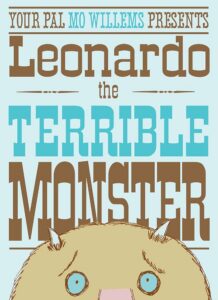
What kids notice in this story:
You notice effort that doesn’t quite work. Kids often recognize trying hard and still missing the mark.
Story Snapshot:
Leonardo struggles to scare anyone until an unexpected friendship forms.
Why this book helps kids learn to make friends:
You see that connection sometimes appears when you stop forcing an outcome. It reassures kids that being themselves is enough.
If your child is still learning how to enter play, sit with uncertainty, or recover after rejection, you may also find support in reading lists like best books for shy kids or…
stories that help kids feel steadier during transitions, such as books that build confidence at school.
Social growth rarely happens in isolation.
Friendship doesn’t arrive all at once. It shows up in repeated exposure, shared routines, and familiar faces. Often, confidence follows comfort—not the other way around.
Rereading these stories gives your child quiet rehearsal time.
Each return visit helps them notice new details, understand feelings a little better, and imagine themselves inside social moments without pressure.
If you want to extend that experience, Scrively gives kids a way to create personalized stories about meeting characters, building trust, and practicing connection at their own pace—one gentle page at a time.