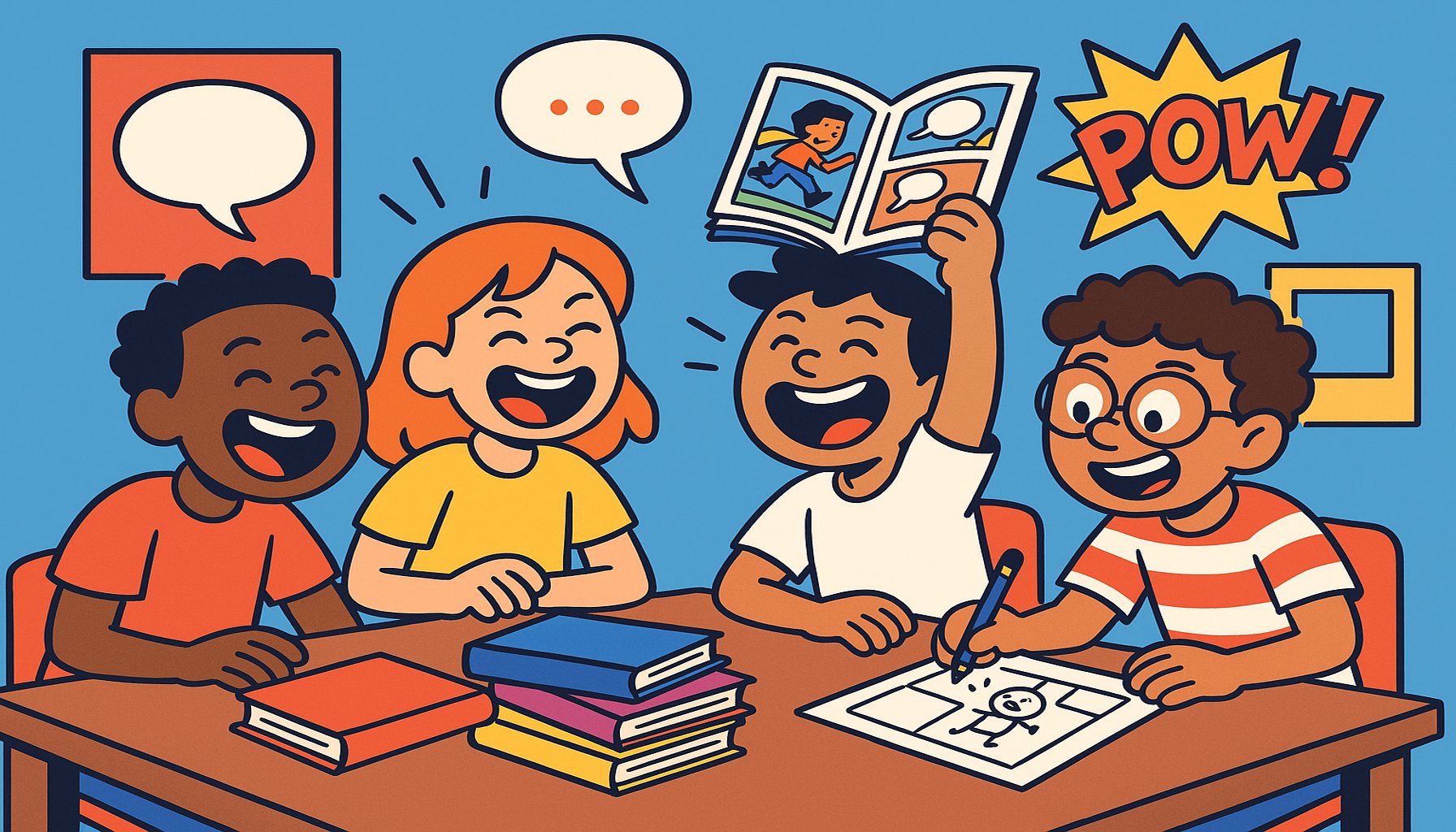
Best Graphic Novels for 11-Year-Olds: Fun, Confidence-Boosting Reads Kids Love
Let’s face it—reading can be intimidating for many 11-year-olds.
Pages of dense text, long chapters, and few pictures can make even the most curious kids lose interest.
But hand them a graphic novel? Suddenly, eyes light up. Laughter bubbles out. Reading becomes fun again.
Graphic novels don’t just tell stories—they show them. They merge words and visuals in a way that pulls kids in, even the ones who swear they “don’t like books.”
In a world that moves fast and flashes with images, graphic novels are more than entertainment—they’re a gateway.
These books teach kids how to read visually, interpret emotion, and follow story flow.
Every panel gives context clues, every expression builds empathy, and every page invites them to turn to the next one. The beauty is that kids often don’t realize they’re reading—they’re experiencing a story.
Teachers and parents love them because graphic novels bridge the gap between picture books and chapter books.
They’re a safe, encouraging space for reluctant readers to grow confident. Kids love them because they’re hilarious, expressive, and alive with imagination. Everyone wins.
And beyond skill-building, graphic novels help kids connect—with themselves, their friends, and the emotions that swirl inside them.
They see characters face awkwardness, courage, friendship struggles, and wins. The combination of humor and heart makes lessons feel natural, not forced.
So if your 11-year-old is hesitant about reading but devours anything with pictures, you’re in the right place.
Here are eight incredible graphic novels that prove reading isn’t about sitting still—it’s about diving into worlds that move, laugh, and leap off the page.
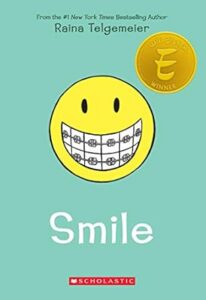
1. Smile — Raina Telgemeier
After a freak accident knocks out her front teeth, middle-schooler Raina begins a years-long dental journey filled with braces, retainers, and teenage drama.
Along the way, she deals with friendship ups and downs, embarrassing moments, and finding her own confidence.
Why kids love it: It’s funny, heartfelt, and captures the chaos of growing up perfectly.
Best for: Ages 10–12; readers who enjoy realistic, relatable stories about friendship and change.
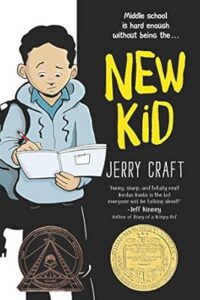
2. New Kid — Jerry Craft
Jordan Banks loves art, but when he starts at a new private school, he’s suddenly one of the only Black kids there.
New Kid uses humor and honesty to explore identity, belonging, and what it means to find your place between two worlds.
Why kids love it: The art is dynamic, and the story feels real, funny, and warm.
Best for: Ages 10–13; thoughtful readers dealing with new environments or social shifts.
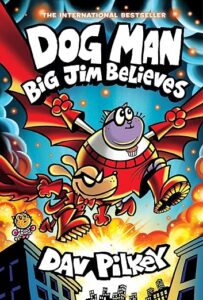
3. Dog Man — Dav Pilkey
Created by the same mind behind Captain Underpants, Dog Man is half-dog, half-cop, and 100% chaos.
These stories combine comic-book energy with over-the-top humor, as Dog Man battles villains, helps friends, and sniffs out justice.
Why kids love it: It’s silly, loud, and endlessly fun—with just enough heart to make them cheer.
Best for: Ages 8–11; reluctant readers who love jokes, action, and fast-paced fun.
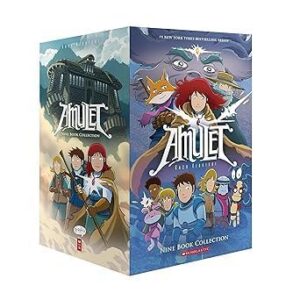
4. Amulet — Kazu Kibuishi
When Emily discovers a mysterious amulet in her late great-grandfather’s house, it transports her and her brother to a fantastical world filled with monsters, robots, and magic.
She must face danger, learn responsibility, and uncover the secrets of the amulet’s power.
Why kids love it: The art is breathtaking, and the story feels like a movie—full of suspense and heart.
Best for: Ages 10–13; fantasy fans who crave adventure and mystery.
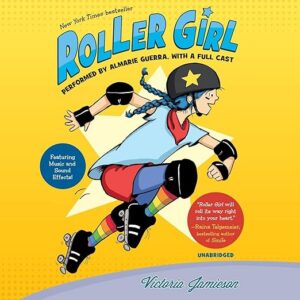
5. Roller Girl — Victoria Jamieson
Astrid signs up for roller derby camp and quickly discovers it’s tougher than it looks.
Between bruises, new friends, and finding her place on the team, she learns that strength isn’t about perfection—it’s about perseverance.
Why kids love it: Empowering, funny, and full of energy—it shows what grit really looks like.
Best for: Ages 10–12; readers who love sports, determination, and relatable friendships.
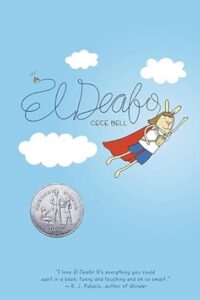
6. El Deafo — Cece Bell
Cece loses her hearing after an illness, but she gains something extraordinary: her superhero alter ego, El Deafo!
This graphic memoir turns her real-life experiences into a story of courage, humor, and learning to embrace what makes you different.
Why kids love it: It’s hilarious, heartfelt, and drawn with unforgettable charm.
Best for: Ages 9–12; kids who appreciate personal stories with a powerful message.
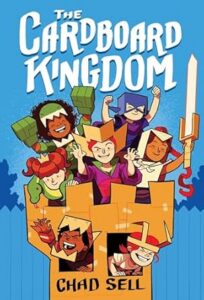
7. The Cardboard Kingdom — Chad Sell
In one imaginative neighborhood, kids transform cardboard boxes into castles, dragons, and superheroes. Each story within this graphic novel celebrates creativity, courage, and friendship, as the characters learn to own who they are.
Why kids love it: It’s colorful, joyful, and reminds them that imagination is real magic.
Best for: Ages 9–12; creative thinkers and DIY dreamers.
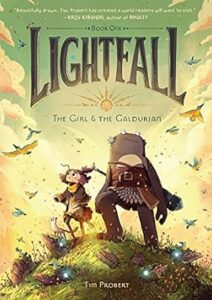
8. Lightfall: The Girl & the Galdurian — Tim Probert
Bea lives a quiet life until she meets Cad, a mysterious creature searching for his lost people.
Together, they embark on a dazzling adventure through strange lands and deep friendship. The artwork is stunning, the tone gentle, and the message deeply moving.
Why kids love it: Beautiful visuals and a cozy yet epic story about friendship and bravery.
Best for: Ages 10–13; kids who love fantasy and heartwarming journeys.
Graphic Novels as Gateways to Imagination
Graphic novels aren’t just “training wheels” for bigger books—they’re stories with depth, humor, and real emotion.
The pictures help kids visualize tone and tension, while the text teaches pacing and structure. Together, they strengthen comprehension and curiosity. Most importantly, they keep reading fun.
Parents, teachers, and librarians can use graphic novels as bridges. Start with humor and adventure, then explore historical, emotional, or science fiction stories.
Many kids who begin with Dog Man end up devouring Smile or New Kid next. Each step builds confidence, vocabulary, and creativity.
Graphic novels spark teamwork and give every student a voice, especially those who think better in pictures than paragraphs.
At home, encourage your reader to take inspiration from these stories. Let them sketch their own characters, invent comics, or even make a family storybook.
This kind of creative play connects reading with storytelling, helping them see that every reader is also a potential writer and artist.
And when they’re ready to take their creativity further, Scrively is the perfect space to do it.
Scrively gives kids a fun way to write, draw, and share their own stories, turning their favorite graphic novel moments into original creations. Because reading shouldn’t stop at the last page—it should spark the next idea.
So go ahead—fill your home or classroom with laughter, color, and imagination. These graphic novels remind us all that stories can be serious or silly, epic or everyday. What matters most is that they make kids want to turn the page.