Navigating the “I Want It Now” Phase: 8 Books That Teach Wants vs. Needs
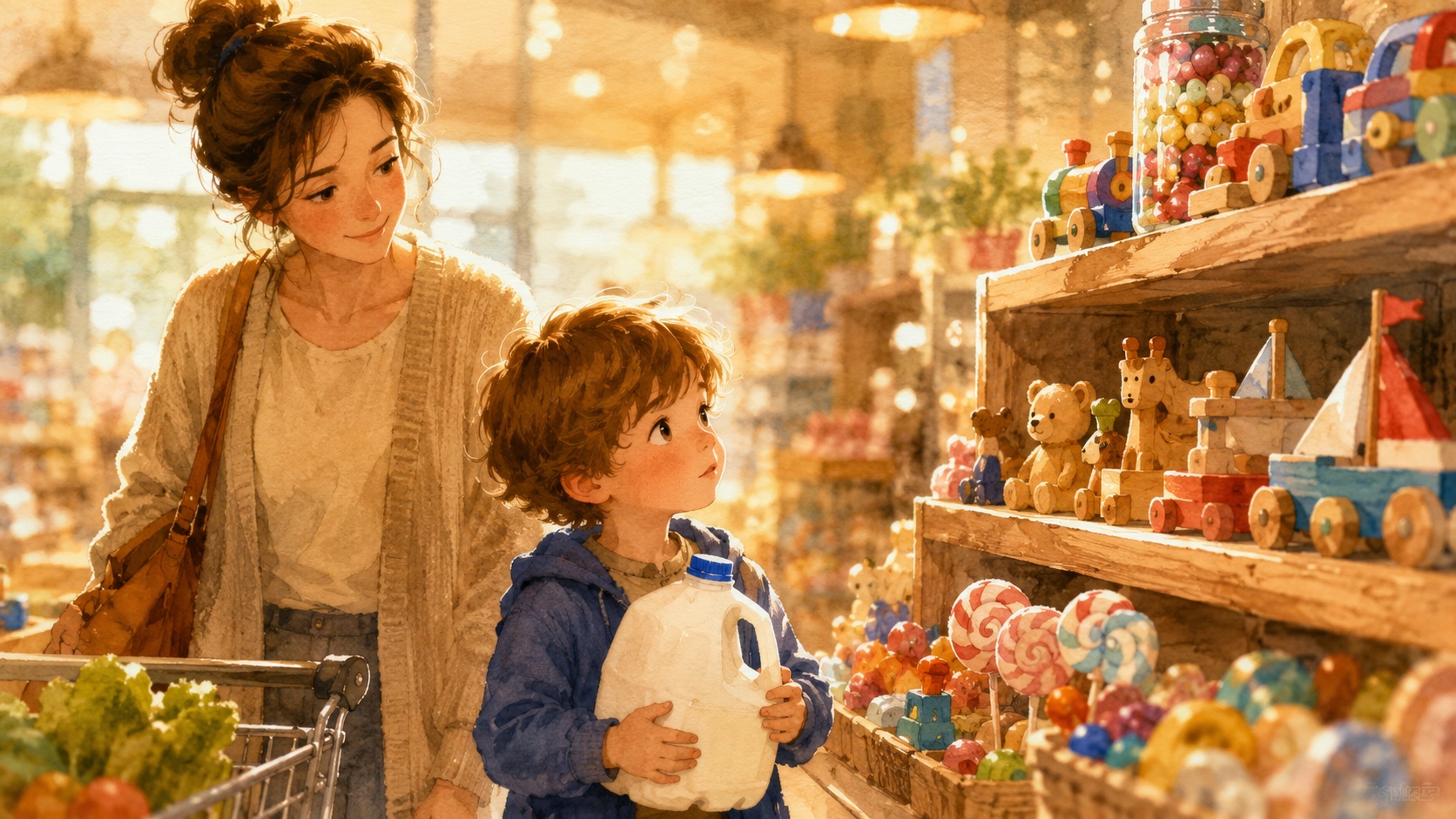
You know the exact moment. You’re standing in the checkout lane—the one you dashed into for a simple gallon of milk. You’re bone-tired from a long day. Honestly?
You just want to go home, kick off your shoes, and collapse on the couch. But then, it happens.
A colorful display catches your child’s eye. A bright plastic toy calls from the bottom shelf.
A candy bar wrapped in shiny foil demands their immediate attention.
Suddenly, this tiny item becomes the absolute center of their universe. Their breathing speeds up. They tug on your sleeve.
The begging starts right on cue. “I need it. I really, really need it.”
It’s incredibly easy to feel frustrated right then. You’re out in public, feeling the heavy eyes of strangers on you.
You might wonder if you’re raising a greedy kid. You might worry they don’t appreciate the massive bins of toys waiting at home.
But take a deep breath. Let that heavy worry go right now. What you’re seeing isn’t greed at all. It’s a completely normal developmental milestone.
Your child is simply learning how the world works. Kids live entirely in the present moment.
Because of this, the future is a fuzzy, abstract idea to them. Tomorrow feels like a whole year away. When they see a fun new thing, wanting it immediately is a natural reflex.
Learning to pause takes serious practice. It builds the virtue of prudence. Prudence is a quiet, thoughtful pause.
It’s the space between feeling a sudden desire and taking action. It is the complex skill of waiting, and it’s a muscle that takes years to grow strong.
You can’t simply lecture a child into understanding this concept. Explaining a family budget in the middle of a busy store will absolutely fail.
But you can show them. You can offer them engaging stories. When children see characters making silly mistakes with money, the lesson sticks. Stories remove the intense pressure.
They make the hard work of growing up feel completely safe. Here are some of our absolute favorite picture books to spark this vital conversation.
Books That Teach the Difference Between Wishing and Needing
Those Shoes by Maribeth Boelts
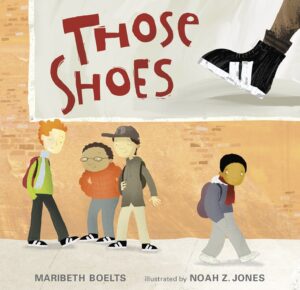
This story hits you right in the heart, capturing that heavy pressure to fit in. Jeremy desperately wants black high-top shoes with two white stripes because every cool kid wears them.
But his grandmother keeps it real. She gently reminds him they only have a budget for true needs, and right now, Jeremy actually needs winter boots.
What kids notice: They immediately notice the intense feeling of wanting what the cool kids wear, and they deeply feel the crushing sadness when a trusted adult says no.
Story snapshot: Jeremy begs for trendy sneakers his family can’t afford. He finds a pair at a thrift store, but they’re much too small. He crams his feet into them anyway, enduring sharp pain just to look cool.
Finally, he makes a beautiful choice and passes the tight shoes to a friend who actually needs them.
Why this book helps: This book beautifully separates social wants from physical needs. It gives you simple, effective words to talk about warm snow boots versus flashy playground sneakers.
Furthermore, it connects prudence directly to empathy. When Jeremy gives the shoes away, he discovers true joy.
He learns that helping a friend feels so much better than looking cool. Ultimately, it teaches children that deep satisfaction comes from human connection, proving that buying stuff isn’t the only way to feel good about yourself.
Alexander, Who Used to Be Rich Last Sunday by Judith Viorst
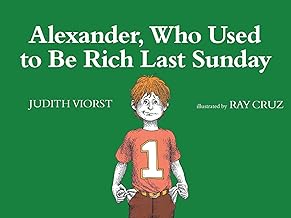
We’ve all acted exactly like Alexander at some point in our lives.
This classic book captures the funny, frustrating way money slips right through our fingers.
Alexander gets a crisp dollar bill from his grandparents, and he makes a grand, serious plan to save it for a walkie-talkie. But the world holds too many small, shiny distractions.
What kids notice: The silly, ridiculous ways Alexander loses his cash. They laugh loudly at him buying half-melted candles and making bad bets with his older brothers.
Story snapshot: Alexander starts his week feeling incredibly rich. But bad choices quickly drain his pockets.
He pays family fines. He takes quick trips to the corner store. Slowly but surely, his precious dollar disappears. He ends the week with nothing but a few worthless bus tokens.
Why this book helps: This story works absolute wonders for teaching cumulative spending.
To a child, buying one piece of gum feels like nothing. They simply don’t realize how fast small purchases add up. They don’t see how quickly those tiny buys empty a piggy bank.
Alexander’s funny journey makes the invisible loss of money totally visible. It lets you talk about the sting of regret without shaming your child. You can laugh at Alexander together.
At the same time, you prove that reaching big goals requires ignoring small distractions. It makes the abstract concept of saving feel incredibly real.
Bunny Money by Rosemary Wells
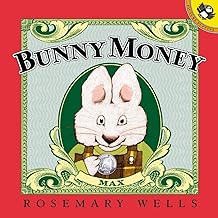
Max and Ruby perfectly capture the classic sibling dynamic. Ruby is cautious and always plans ahead.
Meanwhile, Max is impulsive and lives strictly for the moment. In this story, they head to town to buy a birthday gift for their grandmother. Ruby saves her cash and has a sensible plan, but Max has a totally different agenda.
What kids notice: Max’s funny obsession with sticky vampire teeth treats. They also notice how his little mistakes keep shrinking Ruby’s careful budget.
Story snapshot: Ruby wants to buy a lovely music box for Grandma. But their money slowly vanishes. They pay for bus fare. They fix messy laundry emergencies.
They buy Max his sticky snacks. Ultimately, they have to change their plans completely. They find a highly creative, cheaper way to show Grandma their love.
Why this book helps: This book introduces the very real pain of hidden expenses.
Kids often think a five-dollar toy only costs exactly five dollars. They forget about tax. They forget about shipping. They completely forget about the bus ride to the store.
Ruby’s shrinking wallet offers a clear, visual lesson. It shows exactly how fast money drops when surprises happen.
It helps you teach your child to expect the unexpected. We can’t always buy our first choice. But with a little patience, we can still find real joy in our second choice. It beautifully celebrates love over spending.
A Bargain for Frances by Russell Hoban
Friendship and tricky deals collide in this thoughtful classic. Frances the badger wants a pretty china tea set.
She saves her weekly allowance for a very long time. But her friend Thelma talks incredibly fast. Thelma tricks Frances into buying her old, plastic tea set instead.
What kids notice: The sinking, bad feeling Frances gets in her stomach. They deeply feel her regret when she realizes she spent her money on plastic junk.
Story snapshot: Thelma uses tricky, confusing words to sell her cheap tea set. She takes all of Frances’s carefully saved coins.
When Frances discovers the trick, she feels awful. So, she uses her own smarts to reverse the deal. She teaches Thelma a firm lesson about playing fair.
Why this book helps: This story acts as a masterclass in pausing before buying. Thelma acts exactly like a flashy, deceptive TV commercial.
She makes her plastic junk sound amazing. Kids see ads like this every single day on tablets and television.
Reading this book teaches your child to be a smart, critical shopper. It begs them to ask questions.
It warns them to inspect items closely before paying. It builds the prudence they need to say no to bad deals. It helps them confidently say, “Let me think about it,” before handing over their cash.
Llama Llama Mad at Shop by Anna Dewdney
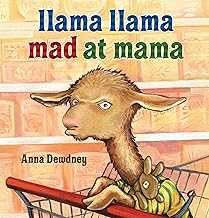
Sometimes, the issue isn’t the shiny toy at all. Sometimes, the problem is the store itself.
Big stores feel incredibly loud. They look terribly bright. They easily overwhelm a small child. Little Llama hates running errands.
He just wants to play outside in the grass, and the massive amount of stuff he cannot touch pushes him right over the edge.
What kids notice: The massive, explosive, aisle-clearing tantrum Llama throws when the shopping trip simply takes way too long.
Story snapshot: Mama Llama drags her reluctant son to the Shop-O-Rama. The lines stretch forever.
The clothes feel terribly itchy. The rules seem way too strict. Finally, Llama totally loses his cool. He throws items right out of the cart.
Mama Llama stops the trip. She connects with him. She turns the awful chore into a fun team effort.
Why this book helps: This book skips the math and focuses strictly on the mood of shopping. Children often demand toys just because they feel intensely bored.
They might feel totally overwhelmed by the noise. They seek control in a big, adult space. This story helps parents see the real truth behind the store tantrum. A sudden demand for a toy might just be a cry for a sensory break.
It encourages you to make shopping a team task. Giving your child a specific job reduces the boredom. This simple shift stops the begging before it even starts.
Tia Isa Wants a Car by Meg Medina
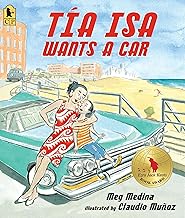
Prudence means much more than just saying no. It actually means saying yes to something bigger in the future.
Tia Isa dreams of buying a car to drive her family to the beach. But cars cost an absolute fortune, and money stays incredibly tight in their home.
What kids notice: The beautiful way the entire family teams up. They save pennies and dollars in little paper envelopes. They slowly build their big dream over a long time.
Story snapshot: Tia Isa wants a beautiful green car. The men in the family call it impossible. But the young niece decides to step up. She works odd jobs. She secretly saves her cash. Together, the aunt and niece pool their money. They finally drive away in their hard-earned car.
Why this book helps: Most children’s books focus entirely on tiny items. They focus on cheap toys or sweet candy.
This book looks at the massive big picture. It introduces the vital concept of saving for a major life goal.
It changes prudence from a boring rule into a literal superpower. It shows kids that waiting is never a punishment.
It’s a winning strategy for a much better life. When we skip a small treat today, we say yes to a massive reward tomorrow. It paints delayed gratification in a beautiful, highly positive light.
Lemonade in Winter by Emily Jenkins
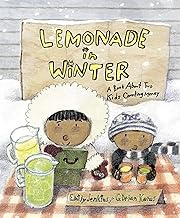
This book offers a brilliant, clear look at business. It perfectly shows the gritty reality of hard work. Pauline and John-John decide to open a neighborhood lemonade stand. But they pick the middle of a freezing winter to do it.
What kids notice: The catchy, rhythmic songs the kids sing to attract freezing customers. They also notice the tricky math used to count the shiny quarters.
Story snapshot: The siblings spend their own piggy bank money. They buy lemons, sugar, and paper cups. They brave the freezing snow to sell drinks. They snag a few brave customers. At the end of the day, they count the cash. They realize they barely made back what they spent. They use their tiny profit to buy popsicles. They feel deeply proud of their hard work.
Why this book helps: Kids often think cash just spits out of a magical ATM. They never see the invisible, tiring labor behind it.
This book breaks down business costs in a beautifully simple way. Any five-year-old will instantly get it. It helps you explain that every toy equals hours of someone’s hard work.
By watching these kids freeze in the snow for a few coins, your child learns deep respect for money. They see exactly why we protect our cash. They realize that earning money takes serious sweat and effort.
The Berenstain Bears Get the Gimmies by Stan and Jan Berenstain
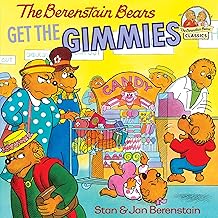
No list about wants and needs works without this absolute classic. Brother and Sister Bear catch a terrible, stubborn case of the “gimmies.”
Every single time they leave the house, they demand a treat. The problem reaches a boiling point in the busy supermarket, and Mama and Papa Bear have to completely change the rules.
What kids notice: The huge, embarrassing, floor-kicking tantrum the cubs throw in front of the whole town. They also notice Papa Bear’s strict new rules.
Story snapshot: The cubs’ begging gets worse and worse. Finally, Grandpa and Grandma step in.
They explain exactly how awful spoiled behavior looks. The family makes a fresh rule.
The cubs pick one small treat before they ever leave for the store. They must stick to the plan. After some hard practice, the gimmies finally vanish completely.
Why this book helps: This book acts as a true lifeline for stressed parents. It makes the problem feel totally normal. It proves that even great kids in loving families fall into begging traps.
More importantly, it gives you a perfect, simple strategy. You set the exact rule before you leave the house. You can playfully ask your child, “Are the gimmies sneaking up on us today?”
It stops the battle right in the store. It starts a team plan in your calm living room. It turns a stressful chore into a peaceful outing.
Put Your Child in the Heart of the Story
Reading about characters learning to handle money holds incredible power. But imagine if your child could actually watch themselves make those smart choices.
At Scrively, we know the absolute best lessons happen when your child becomes the hero.
Our platform lets you build fully customized, beautifully drawn books. Your child stars on every single page. Imagine a vibrant story where your son or daughter must choose. Do they buy a flashy toy right now? Or do they save for an amazing family trip later? You design the scene. You pick the challenge. You create the joyful win to match the exact lessons you teach at home.
You select the virtue, and we help you build a forever keepsake. They’ll read it again and again. As a result, they internalize the quiet power of prudence with every single page turn.
Parenting through the “I want it now” phase takes deep, unrelenting patience. It isn’t about crushing your child’s dreams.
Rather, it’s about gently guiding their desires toward things with lasting value. There will still be loud, messy moments in the toy aisle.
But every time you read one of these stories, you plant a crucial seed. You give them the tools to pause, breathe, and think.
You show them the powerful difference between wishing for junk and needing what matters.
You’re doing a wonderful job. Keep reading to them, because they are listening far more than you know.