Teaching Kids About Personal Space: Books That Build Healthy Boundaries
You see it happen. You are at a family gathering. Aunt Linda leans in for a giant, smothering hug. Your child freezes.
Their eyes dart toward you. They shrink back. They press their small shoulders tightly against the wall.
They do not want the hug. You know they do not want the hug. But Aunt Linda is already waiting with open arms.
The air gets thick. Do you force the hug to keep the peace? Do you tell your child to just be nice? Or do you step in and protect their invisible bubble?
Teaching physical boundaries is tricky. We want our kids to be warm and kind. But we also fiercely need them to know that their body belongs entirely to them.
It is a hard concept for a young mind to grasp. Personal space is invisible. Consent is a massive, grown-up word. Kids are highly physical creatures.
They love to wrestle. They love to snuggle. But they also need to recognize that tight flutter in their tummy when someone gets too close. They need the vocabulary to say no. They need to know that “no” is a complete sentence.
This is where a good story changes everything. Books draw bright lines around invisible concepts. They give children the words they need long before they actually need them. When you read a story about boundaries, you give your child a safe rehearsal space. You show them that setting a limit is healthy. Here are the absolute best books to help your child navigate the world of personal space.
Don’t Hug Doug: (He Doesn’t Like It) by Carrie Finison
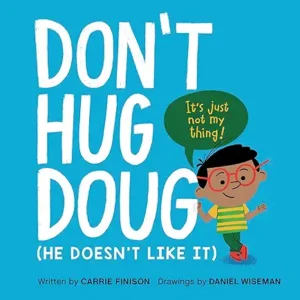
Doug is a confident kid. He just wants to go about his day without being squeezed by everyone he meets.
This book tackles the flawed idea that all kids automatically want physical affection.
It is funny, bright, and refreshingly direct. It removes the awkwardness from the conversation. It replaces the tension with a matter-of-fact tone kids instantly understand.
What kids notice: They notice the hilarious variety of hugs Doug avoids. They laugh out loud at the enthusiastic greetings and the tightly squished grandma hugs.
Story snapshot: Doug likes many things. He likes drawing cool pictures. He likes collecting interesting rocks.
He does not like hugs. He is very clear about this. The story follows Doug as he confidently explains his boundaries. He shows that he still loves his friends, even if he prefers a simple high-five.
Why this book helps: It separates affection from physical touch. Kids often feel guilty for rejecting a hug.
They fear it makes them look mean. This story gives them joyful permission to say no. It normalizes having different preferences for touch. It teaches children that asking first is the kindest policy.
Will Ladybug Hug? by Hilary Leung
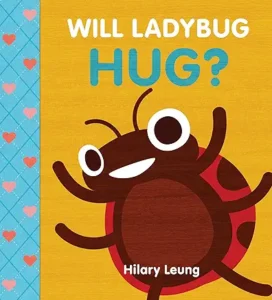
This is the perfect book for your youngest readers. It uses brilliantly simple language and friendly animals. It introduces the foundational concept of checking in.
It strips away complex dialogue. It focuses purely on asking a question and waiting patiently for the answer.
What kids notice: The big, expressive animal faces. They easily read the bright emotions, knowing exactly who wants a hug and who does not.
Story snapshot: Ladybug loves to hug her friends. She happily hugs the worm. She joyfully hugs the spider. But the sheep clearly looks uncomfortable. Ladybug stops in her tracks. She asks. She respects the sheep’s boundary. Together, they find a touch-free way to say hello.
Why this book helps: It provides a crystal-clear visual model of consent. It is beautifully simple. It shows young children that setting a boundary does not ruin a friendship. The story teaches kids to look for physical cues. It builds the lifelong habit of pausing before touching.
Harrison P. Spader, Personal Space Invader by Christianne Jones
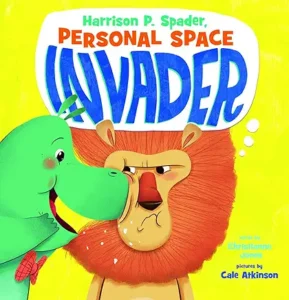
We all know a child like Harrison. They are full of vibrant love, bursting with energy, and totally oblivious to physical limits. This book is for them.
It serves as a gentle, humorous correction. It is perfect for kids who struggle to keep their hands to themselves. It tackles the issue without making the child feel bad.
What kids notice: Harrison’s incredibly close proximity to everyone. They giggle at how he sits on his dad’s head to watch TV and crowds his friends on the rug.
Story snapshot: Harrison is an enthusiastic hippo. He talks too close. He sits too close. He inadvertently makes everyone feel squished. His exhausted father finally teaches him the “Space Saver” rule. Harrison extends his arms to measure his personal bubble. He finally learns to interact joyfully while giving others room to breathe.
Why this book helps: It gives highly physical kids a tangible tool. The arm-extension trick is a strategy you can practice immediately. It addresses the boundary-breaker with grace and humor. It teaches kids that respecting personal space makes playing much more fun.
Personal Space Camp by Julia Cook
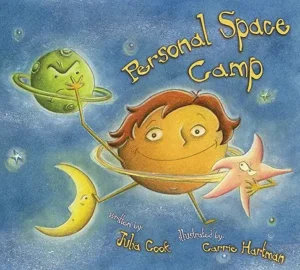
Julia Cook is a master at turning abstract social skills into concrete lessons. This book reads like a deeply engaging classroom activity.
It is ideal for literal thinkers. If your child needs clear, direct explanations of unspoken social rules, this book is a lifesaver.
What kids notice: The literal interpretation of the word space. They love the main character’s genuine confusion between outer space and personal space.
Story snapshot: Louis is a space expert. He knows all about planets and stars. But he knows absolutely nothing about personal space. He constantly invades the comfort bubbles of his classmates.
His teacher sends him to “Personal Space Camp.” He learns that everyone has an invisible comfort bubble. He discovers the joy of staying safely in his own orbit.
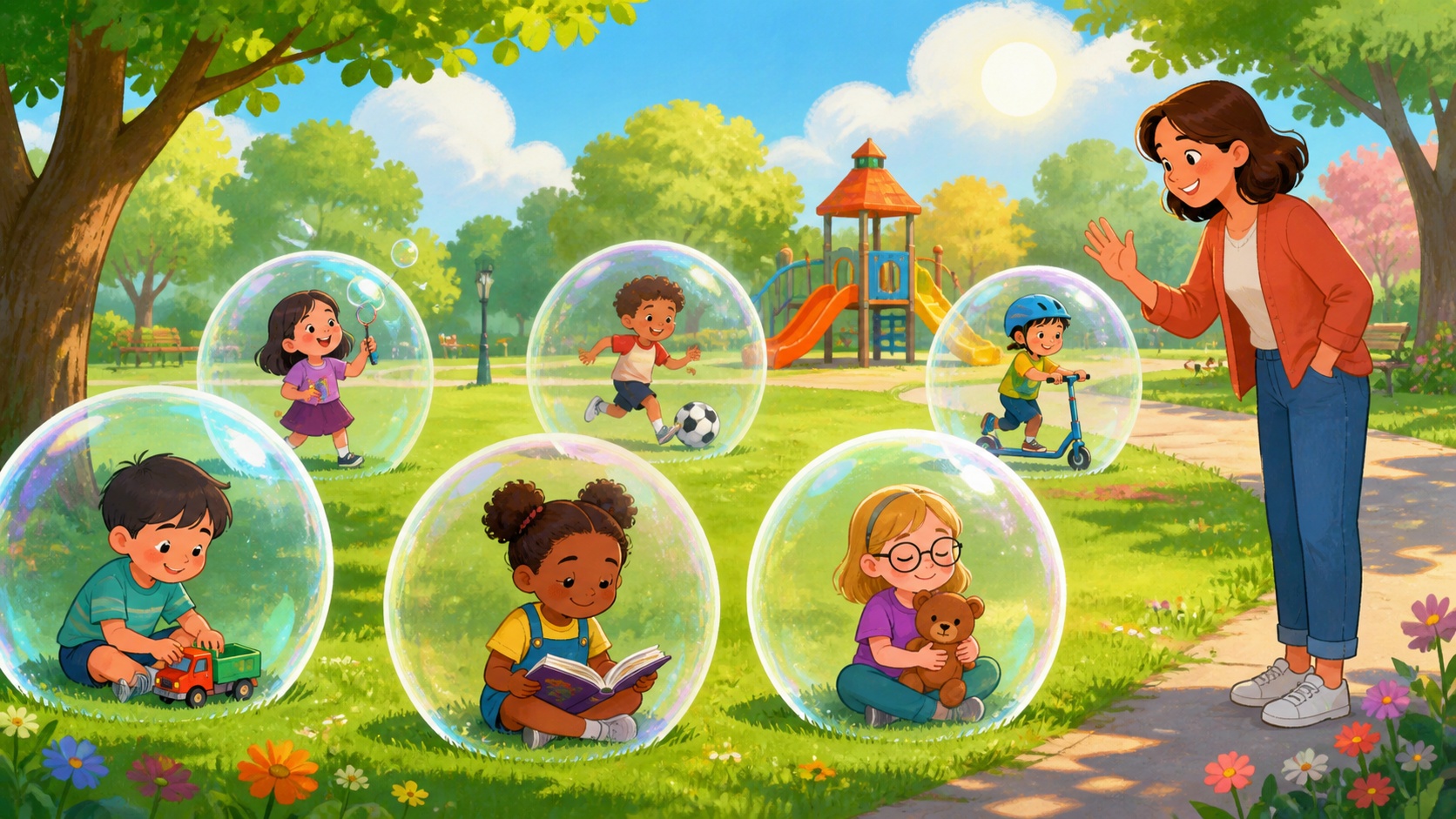
Why this book helps: It uses the highly visual metaphor of a fragile soap bubble. Kids can easily visualize a shimmering bubble surrounding their bodies.
The book teaches them exactly how to protect their bubble. It teaches them how to avoid popping the bubbles of others. It frames a frustrating behavior as an exciting new skill.
Let’s Talk About Body Boundaries, Consent and Respect by Jayneen Sanders
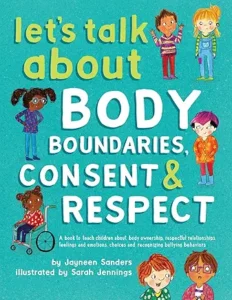
This book leans slightly closer to an educational guide. Yet, it remains incredibly warm, highly accessible, and deeply empowering.
It is an absolute must-have for your home library. It opens up transparent, honest conversations about bodily autonomy and safety.
What kids notice: The incredibly clear, respectful language. They appreciate that the book speaks directly to them. It validates their right to be the boss of their own body.
Story snapshot: Through relatable scenarios, the book explains body boundaries. It covers unwanted playground tickling. It covers forced kisses from relatives. It introduces the concept of the “safety network.” It empowers children to trust their internal alarm system when a touch feels wrong.
Why this book helps: It removes the nervous awkwardness from talking about body safety. It provides a shared, empowering vocabulary for your family. It teaches the undeniable difference between a safe touch and an unsafe touch. Above all, it reinforces that a child’s body belongs exclusively to them.
Miles is the Boss of His Body by Samantha Kurtzman-Counter
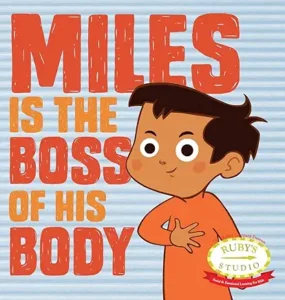
This book captures the exhausting reality of family gatherings. It deeply validates the overwhelming feeling of being poked and prodded.
It acknowledges that well-meaning adults often ignore a child’s bodily autonomy. It gives kids a practical script to handle it.
What kids notice: The chaotic, loud family dynamic. They deeply relate to Miles feeling overwhelmed by the giant, affectionate adults invading his small space.
Story snapshot: It is Miles’s birthday. His extended family is thrilled to celebrate. They constantly pinch his cheeks and give him smothering hugs. Miles secretly hates it.
He reaches his limit and bravely shouts for everyone to stop touching him. His parents immediately step in and support him. Together, they establish a clear family rule: Miles is the boss of his body.
Why this book helps: It tackles the absolute hardest boundary of all: family boundaries.
Children often feel powerless against tall relatives. This story models how a child can respectfully set a physical limit with a grown-up. It teaches kids that they never have to endure uncomfortable touch to be polite. It gives them the fierce confidence to advocate for themselves.
Yes! No!: A First Conversation About Consent by Megan Madison and Jessica Ralli
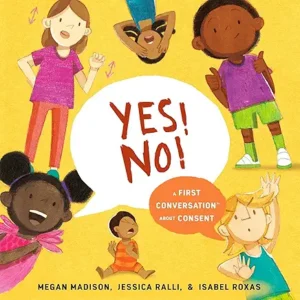
This is a beautifully inclusive, gentle introduction to the daily practice of consent. It helps parents talk about complex social topics with very young children.
It is visually stunning. It grounds the big idea of consent in small, manageable playground interactions.
What kids notice: The incredibly diverse cast of characters. They see kids of all abilities and backgrounds navigating normal social interactions together.
Story snapshot: The book breaks down consent into simple moments. Can I play with that toy? Can I hold your hand? Do you want a tight hug today? It shows children bravely asking these questions. It shows them answering with a joyful yes or a confident no. It emphasizes the beautiful fact that it is always okay to change your mind.
Why this book helps: It makes the practice of consent a normal, everyday habit. It strips away the heaviness and frames consent as basic respect. It teaches kids that checking in with others is an act of deep kindness. It builds a beautiful foundation of mutual respect that will serve them well.
Rulers of the Playground by Joseph Kuefler
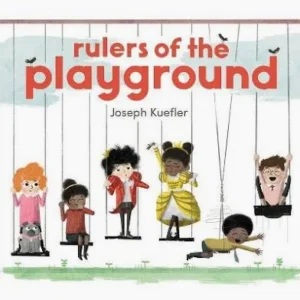
While this wildly entertaining book touches on sharing, it is really a brilliant study in spatial boundaries. It looks closely at the human desire to claim territory.
It is dramatic and sharply observant. It shows exactly what happens when we take our boundaries just a little too far.
What kids notice: The incredibly ridiculous lengths the characters go to claim their space. They laugh loudly at the dramatic flags and towering forts.
Story snapshot: Jonah decides he is the ruler of the playground. He fiercely claims the slides. Then Lennox arrives. She decides she is the true ruler. A massive turf war erupts. They draw strict lines in the sandbox. Eventually, sitting alone, they realize ruling an empty space is boring. They drop their rigid boundaries and learn to joyfully share the kingdom.
Why this book helps: It explores the extreme edge of boundaries. It shows kids that aggressively hoarding space pushes all your friends away. It teaches the delicate balance between protecting your own boundaries and remaining happily open to play. It helps children understand that the best play happens when we invite others in.
Put Your Child in the Heart of the Story
Reading these beautiful books is a brilliant start. But what if your child could actually practice setting those limits inside their very own story?
With Scrively, you can effortlessly turn a quiet lesson into an immersive experience.
Imagine a vibrant picture book where your child is the brave hero on a busy playground.
Imagine them using their strong voice to tell a fuzzy monster they need more space to breathe. Scrively lets you create these exact custom narratives in minutes.
You can build a story that mirrors the exact struggles your child faces. You give them a safe, colorful rehearsal space.
You help them practice the brave words they need before they ever step out the door. It is a profound way to build their self-advocacy.
Teaching a child about personal boundaries is not a one-time conversation. It is a slow, steady, daily rhythm of gentle reminders. Some days, they will completely forget the rules.
Some days, they will accidentally invade a friend’s bubble. That is perfectly okay.
By intentionally filling their world with these empowering stories, you are giving them the exact tools they need.
You are raising a child who knows how to respect others. But even more importantly, you are raising a child who fiercely respects themselves.