If Your Child Likes Having Just One Friend, Start with These Books
You notice it early. While other kids drift from group to group, your child keeps returning to the same person.
The same spot on the playground. The same seat at story time. The same name mentioned again and again at bedtime.
It can be quietly reassuring—and quietly confusing. You wonder if this is a phase. You wonder if you should encourage more variety. You wonder if having one close friend is enough.
For many kids, it is more than enough. Some children are wired for depth before breadth. They form strong, loyal bonds.
They feel safest when connection is familiar and predictable. One friend at a time feels not smaller, but steadier.
This way of relating isn’t a limitation. It’s a style. It reflects attunement, selectiveness, and a desire for emotional safety—qualities that matter just as much as sociability in early childhood.
Stories help make this visible. When kids see characters choosing one companion, staying close, navigating change without rushing forward, they recognize themselves. Books give language and shape to a way of connecting that often goes unnamed.
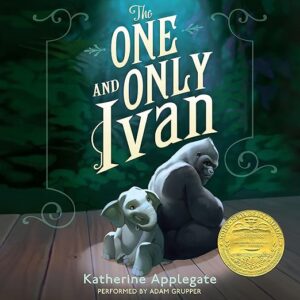
The One and Only Ivan — Katherine Applegate
What kids notice in this story:
Children often notice how Ivan stays emotionally close to just a few characters, especially Ruby. The connection feels protective, quiet, and loyal rather than busy or crowded.
Story Snapshot:
Ivan is a gorilla living in captivity who observes the world with patience and care. His bond with Ruby becomes the emotional center of his story.
Why this book supports kids who prefer one friend:
This story shows that closeness doesn’t require constant interaction or a large circle. It honors deep attachment, steady presence, and the strength that grows inside one trusted relationship.
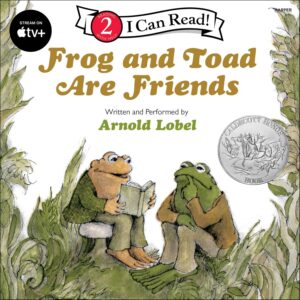
Frog and Toad Are Friends — Arnold Lobel
What kids notice in this story:
Kids notice how Frog and Toad do almost everything together—and how that togetherness feels calm, predictable, and safe.
Story Snapshot:
A collection of gentle stories following Frog and Toad through everyday moments, misunderstandings, and small adventures.
Why this book supports kids who prefer one friend:
The book quietly affirms that one steady friendship can hold many emotions—joy, irritation, reassurance—without needing expansion or explanation.
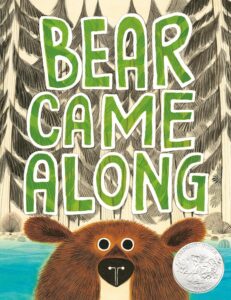
Bear Came Along — Richard T. Morris
What kids notice in this story:
Children often focus on how Bear connects deeply with one companion at a time as the journey unfolds, without rushing ahead.
Story Snapshot:
Bear travels along a river, meeting animals one by one and forming connections through shared experience.
Why this book supports kids who prefer one friend:
The story models relational pacing. It shows that meaningful connection can happen sequentially, not all at once, and that closeness grows naturally.
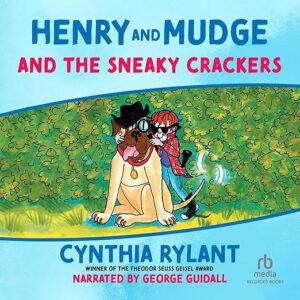
Henry and Mudge — Cynthia Rylant
What kids notice in this story:
Kids notice the comfort of constant companionship. Henry and Mudge don’t need others to feel complete.
Story Snapshot:
Henry, an only child, finds companionship and reassurance in his dog, Mudge.
Why this book supports kids who prefer one friend:
This book validates one-on-one attachment as enough. It shows that companionship doesn’t have to look busy to be meaningful.
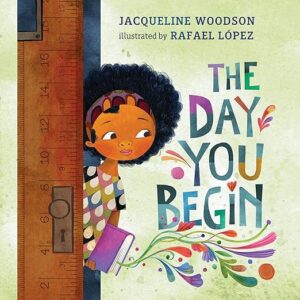
The Day You Begin — Jacqueline Woodson
What kids notice in this story:
Children often notice the quiet moments of finding one person who feels safe amid unfamiliar spaces.
Story Snapshot:
The story explores what it feels like to be different and the relief of being understood.
Why this book supports kids who prefer one friend:
It reassures children that belonging can begin with a single connection—and that one relationship can be enough to anchor them.
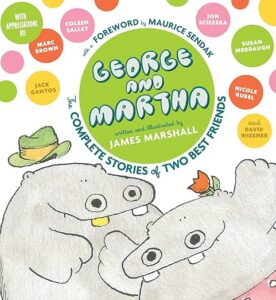
George and Martha — James Marshall
What kids notice in this story:
Kids notice how George and Martha remain close even when they annoy each other or make mistakes.
Story Snapshot:
Short stories follow two hippos navigating the ups and downs of friendship.
Why this book supports kids who prefer one friend:
It shows that closeness includes repair, patience, and forgiveness—important lessons for children invested deeply in one relationship.
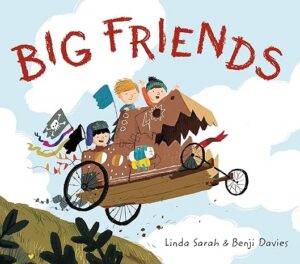
Big Friends — Linda Sarah
What kids notice in this story:
Children notice the intensity of a single friendship and the pain that can come when it changes.
Story Snapshot:
Two friends who do everything together face a shift when one begins to branch out.
Why this book supports kids who prefer one friend:
The book gently explores change without shaming attachment. It honors closeness while making space for evolution.
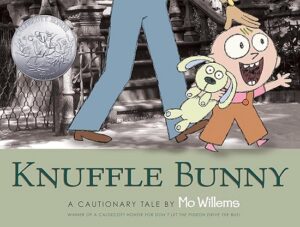
Knuffle Bunny — Mo Willems
What kids notice in this story:
Kids often focus on Trixie’s attachment to one beloved companion and how much that bond matters.
Story Snapshot:
A young girl loses her favorite stuffed bunny during a family outing.
Why this book supports kids who prefer one friend:
It validates singular attachment and emotional intensity, showing that loving one thing—or one person—deeply is natural.
If your child is still finding their way socially, you may also appreciate the gentle framing in
Best Books for Kids Learning to Make Friends (Ages 4–7),
which honors connection without pressure.
And if your child leans quiet or observant, many of the themes here overlap with the affirmations found in
Best Books for Shy Kids.
Closing Thoughts
Friendship doesn’t have to look a certain way. For some kids, one relationship at a time is where trust forms, emotions settle, and joy grows.
Depth is not something to outgrow. It’s something to honor.
Rereading these stories gives children a safe way to explore closeness, loyalty, and change—without needing to perform or expand before they’re ready.
With Scrively, kids can create their own stories about friendship, imagining relationships that feel steady, familiar, and deeply their own.