If Your Child Keeps Saying “I’m Not as Good as Them,” Read This
You notice it in small, ordinary moments.
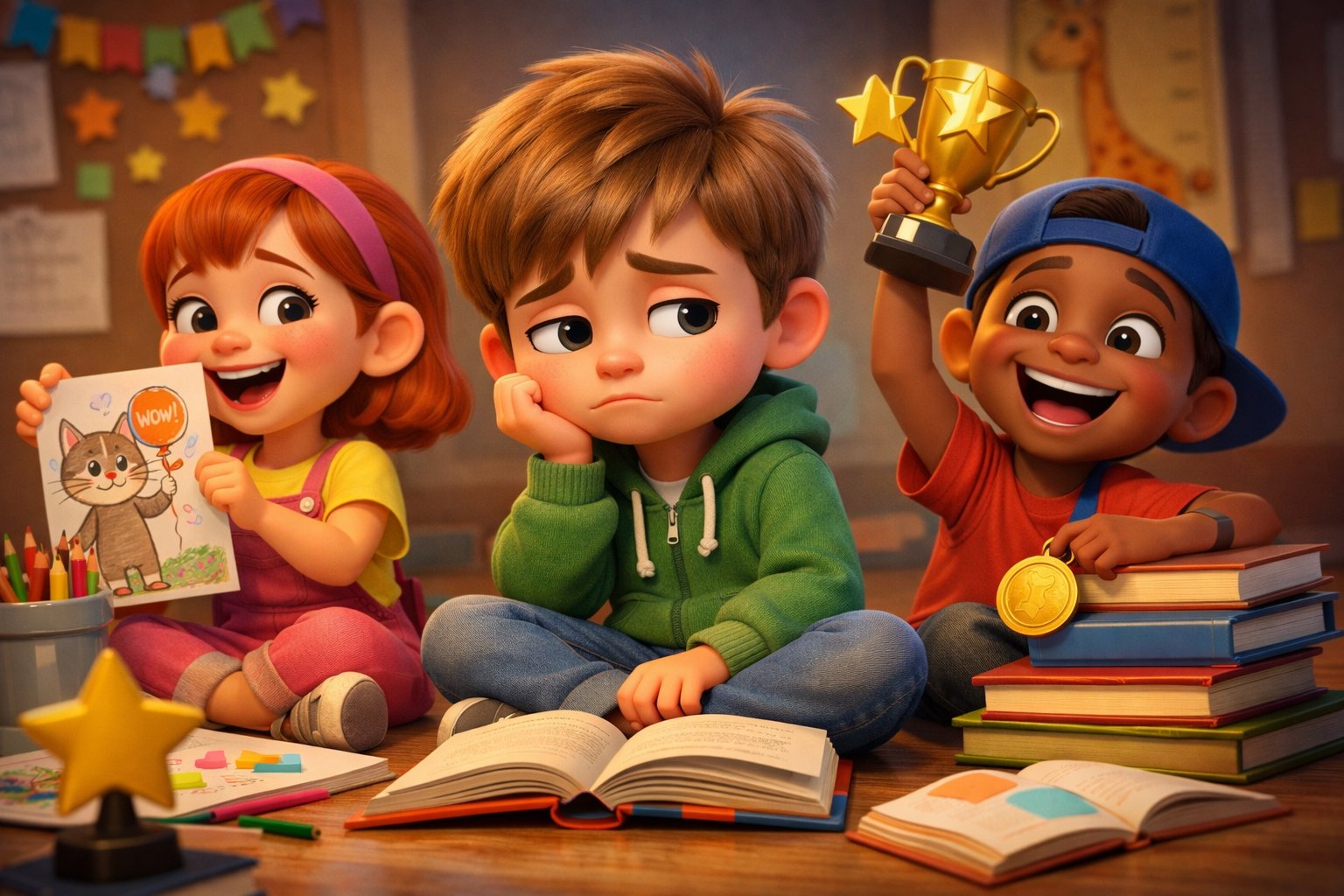
At the kitchen table when your child studies a sibling’s homework.
On the playground when someone else climbs higher.
During art time when another drawing looks “better.”
Then the words come.
“I’m not as good as her.”
“He’s faster than me.”
“Mine doesn’t look right.”
Comparison shows up early. It slips in through observation and awareness. At this age, your child is learning where they fit. They are noticing differences in speed, skill, attention, praise. They are building identity in real time.
Comparison isn’t a flaw. It’s development. It’s awareness stretching outward. The work now isn’t eliminating comparison. It’s helping your child loosen its grip.
Stories do that gently. Books create space for children to see comparison without being swallowed by it. They offer perspective without lectures. They show that growth doesn’t require keeping score.
The Invisible Boy by Trudy Ludwig
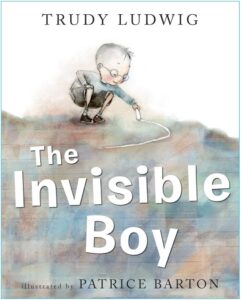
Brian sits quietly at the edge of group activities. Other kids are picked first. Other kids are noticed first. Comparison here is social and subtle. Your child recognizes that quiet feeling of being overlooked.
The emotional tension hums beneath the surface. Brian doesn’t announce his sadness, but you can feel it in the illustrations. He compares himself without saying so.
When one small act of inclusion happens, the shift is powerful. Visibility grows through connection, not competition.
What kids notice in this story
Sometimes you feel unseen. Being included changes how you feel inside. Small kindnesses matter more than being first.
The Most Magnificent Thing by Ashley Spires
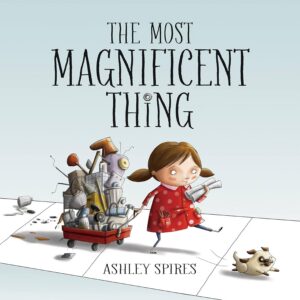
A child sets out to create something magnificent. It doesn’t turn out the way she imagined. Comparison creeps in through frustration and expectation.
Your child sees that inner measuring stick — the gap between “what I hoped” and “what I made.” It’s not about someone else winning. It’s about feeling behind your own vision.
The turning point comes after stepping away. Persistence, not perfection, shifts the outcome.
What kids notice in this story
It’s frustrating when things don’t work. Taking a break helps. Trying again feels different the second time.
Leo the Late Bloomer by Robert Kraus
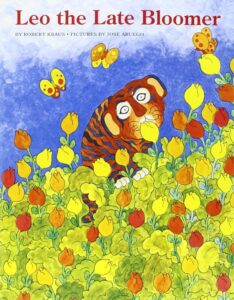
Leo watches others read, write, and draw before he does. The comparison is developmental. He feels behind.
The tension is patient and quiet. Leo waits while others progress. Your child recognizes that uncomfortable space of wondering when their turn will come.
When Leo blooms, it isn’t dramatic. It’s steady. Growth unfolds in its own time.
What kids notice in this story
Everyone grows differently. Being later doesn’t mean being less. Waiting is still growing.
Spoon by Amy Krouse Rosenthal
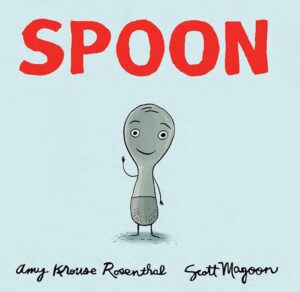
Spoon compares himself to Fork and Knife and Chopsticks. Everyone else seems more exciting or useful.
The comparison here is identity-based. Spoon wonders if he should be something else entirely.
As he discovers his own role, comparison softens. He doesn’t need to switch places to belong.
What kids notice in this story
It’s easy to wish you were someone else. But you already have your own job. Being you works.
I Wish I Had Duck Feet by Dr. Seuss
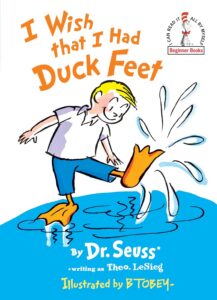
A child imagines having longer legs, better speed, different features. Comparison turns into fantasy.
Each imagined upgrade brings unexpected problems. Your child sees that “better” isn’t always simpler.
The realization lands gently: your own body fits your life best.
What kids notice in this story
Having someone else’s strengths might feel strange. Your own body belongs to you. Different doesn’t always mean better.
The Girl Who Never Made Mistakes by Mark Pett & Gary Rubinstein
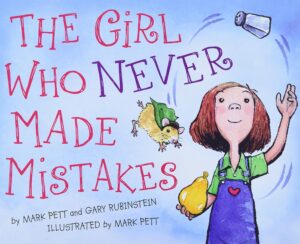
Beatrice is known for perfection. Everyone compares themselves to her. She compares herself to her reputation.
The tension builds around pressure. Perfection becomes heavy.
When she finally makes a mistake, relief replaces fear. Comparison loses its grip when mistakes become allowed.
What kids notice in this story
Trying to be perfect feels tiring. Mistakes don’t ruin you. Laughing helps things feel lighter.
The Thing Lou Couldn’t Do by Ashley Spires
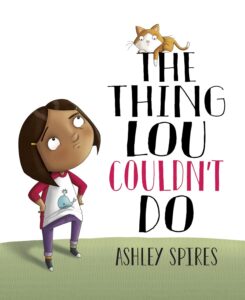
Lou’s friends climb a tree. She hesitates. Comparison whispers that she should be able to do it too.
The story honors hesitation without shaming it. Your child sees courage growing slowly, not instantly.
Lou doesn’t magically master the tree. She simply moves closer to trying.
What kids notice in this story
You don’t have to do everything right away. Thinking about trying still counts. Courage grows slowly.
Spaghetti in a Hot Dog Bun by Maria Dismondy
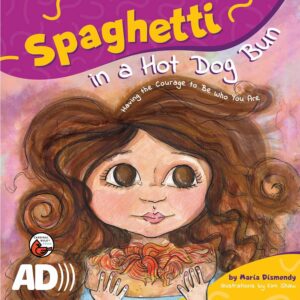
Lucy is teased for what makes her different. Comparison becomes external — someone else measuring her against “normal.”
The tension builds around fitting in versus standing firm.
Lucy’s steady sense of self shifts the dynamic. Comparison loses power when identity stays grounded.
What kids notice in this story
Other people might question what makes you different. That doesn’t mean it’s wrong. Staying steady feels strong.
Elmer by David McKee
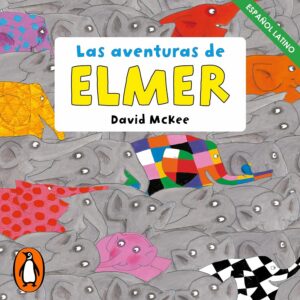
Elmer compares his colorful patchwork self to the gray herd. He wants to blend in.
When he tries sameness, something feels off. Your child sees that erasing difference doesn’t create comfort.
Joy returns when Elmer reclaims his color.
What kids notice in this story
Blending in isn’t always better. Being colorful can feel good again. Difference can be joyful.
The OK Book by Amy Krouse Rosenthal
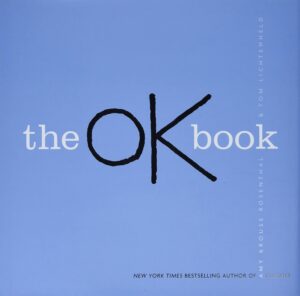
This child isn’t the best at anything. Just okay at many things.
The tone is steady and calm. Comparison fades because excellence isn’t the goal.
There’s quiet freedom in being capable without being exceptional.
What kids notice in this story
You don’t have to be the best at everything. Being okay is still good. There’s space for you.
A Personalized Way to Reinforce Identity
If comparison feels close to the surface right now, it helps when your child sees themselves at the center of a story.
With Scrively, your child becomes the main character — not compared, not ranked, not measured. Just growing at their own pace in a story shaped around who they are. Seeing themselves reflected this way can help identity settle from the inside out.
Comparison is part of learning. Your child is noticing differences because they are building awareness. That doesn’t mean they are fragile. It means they are developing.
Identity grows from repetition, safety, and perspective. It grows when children return to stories that remind them they don’t need to win to belong.
When comparison surfaces after school or at the dinner table, return to these books. Let the characters carry some of the weight.
Your child doesn’t need to be the best in the room. They need to feel rooted in who they are. And roots grow downward — steady, quiet, and strong.