Best Books for Kids Learning to Handle Big Disappointment (Ages 4–7)
You know the moment.
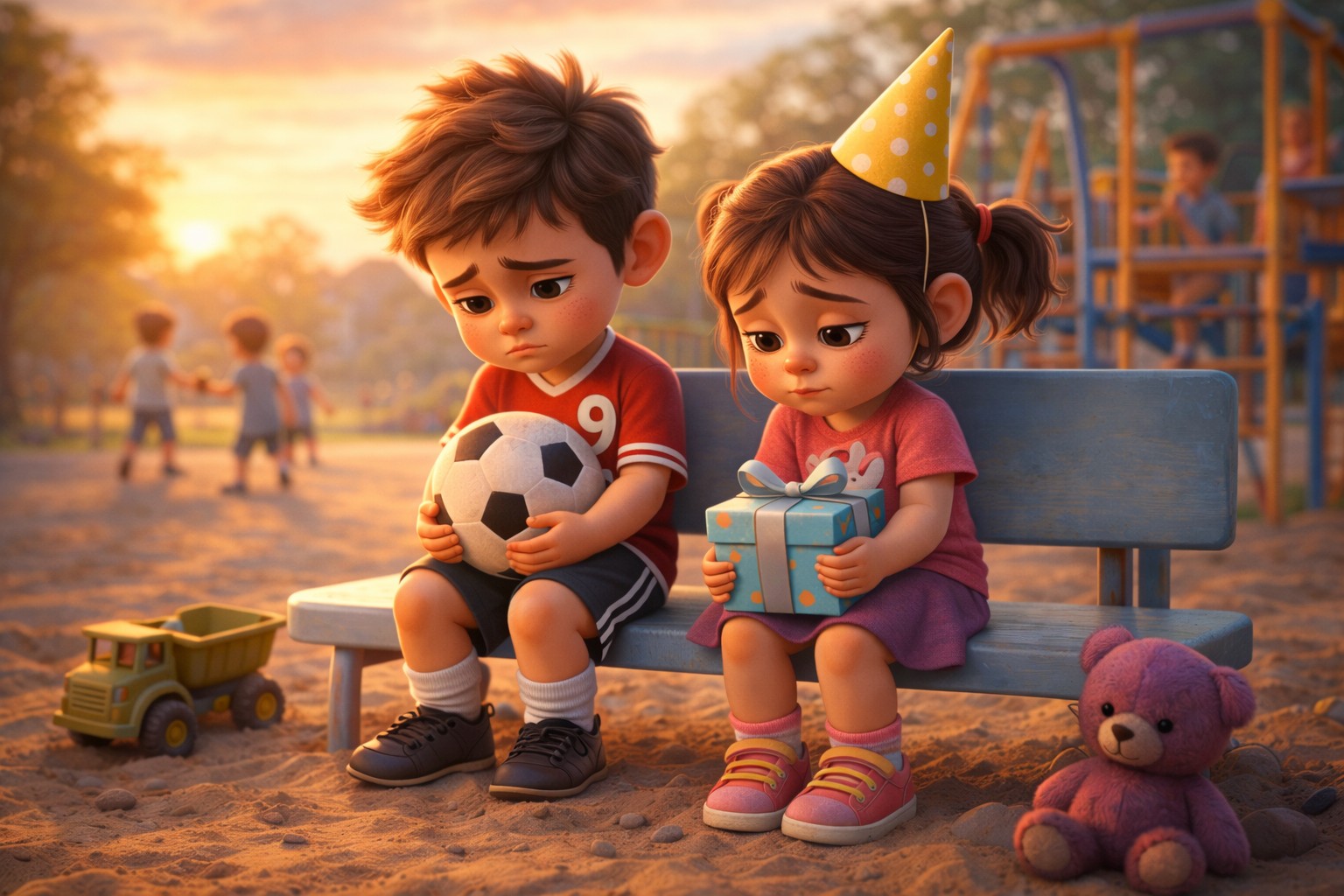
The team loses. The invitation never comes. The tower collapses after twenty careful minutes. The class part goes to someone else.
The trip gets canceled. The cookie breaks in half.
To you, it may look small. To them, it feels enormous.
Disappointment lands heavy in small bodies. It shows up as tears, silence, yelling, stomping, hiding under tables, or refusing to try again. It can look dramatic.
It can look withdrawn. It can look like anger when it’s really grief in miniature.
You don’t have to rush it away.
Disappointment is one of the ways children learn how life works. Not everything goes their way.
Not every effort leads to success. Not every hope turns into reality. That truth doesn’t need to be softened — but it does need to be held gently.
Books become safe rehearsal spaces for these moments.
On the page, children watch someone else lose, fall short, miss out, or face an unexpected change — and stay intact. They see that disappointment hurts, but it doesn’t erase who they are. It bends them. It stretches them. It does not break them.
Books That Help Kids Sit With Disappointment
When Things Aren’t Going Right, Go Left by Marc Colagiovanni
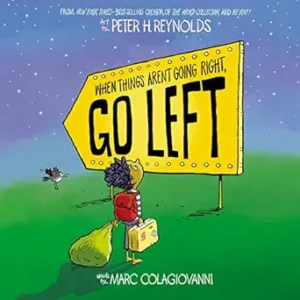
You follow a boy whose plans keep unraveling. The day doesn’t cooperate. The outcome doesn’t match the effort. He keeps expecting things to go one way — and they don’t.
Disappointment builds slowly here. It isn’t explosive. It’s cumulative. It’s the quiet realization that what you imagined isn’t what happened.
The shift comes when he stops forcing “right” and experiments with “left.” Not as forced positivity. Not as pretending it doesn’t hurt. But as gentle redirection.
What kids notice in this story
They notice how frustrating it feels when plans collapse. They see that changing direction isn’t the same as giving up. They learn that sometimes there’s more than one way forward.
The OK Book by Amy Krouse Rosenthal
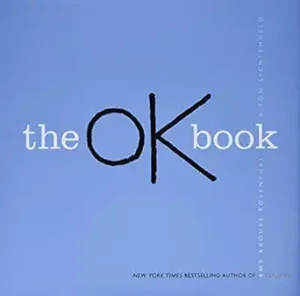
This story doesn’t center excellence. It centers being “okay.” The child in this book isn’t the best at most things. Sometimes they’re good. Sometimes they’re not.
For kids who feel the sting of not winning, not excelling, or not being chosen, this book quietly normalizes the middle space.
The internal shift isn’t dramatic. It’s grounding. You don’t have to be the best to belong.
What kids notice in this story
They notice that being average isn’t failure. They see that trying matters more than ranking. They feel relief that they don’t have to shine to be enough.
The Thing Lou Couldn’t Do by Ashley Spires
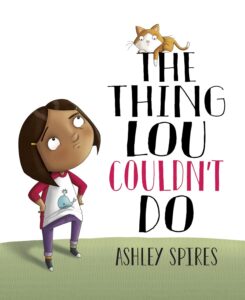
Lou wants to climb the tree with her friends. She also doesn’t. Or can’t. Or won’t. The disappointment here isn’t loud — it’s internal.
She imagines what will happen if she fails. She imagines the embarrassment. The gap between wanting to belong and fearing failure feels heavy.
Instead of forcing herself or pretending she doesn’t care, she gives herself time. The door stays open for later.
What kids notice in this story
They notice that not being ready doesn’t mean never. They see that sitting out can still include belonging. They learn that timing belongs to them.
Giraffes Can’t Dance by Giles Andreae
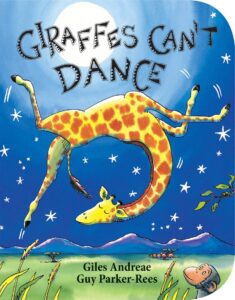
Gerald wants to dance. Everyone else seems to move effortlessly. When he tries, the laughter is immediate.
The disappointment is social. It’s public. It’s the kind that makes you want to disappear.
What shifts isn’t Gerald becoming like everyone else. It’s discovering his own rhythm — in his own way.
What kids notice in this story
They notice how much it hurts to be laughed at. They see that being different doesn’t mean being wrong. They learn that sometimes success looks different than they imagined.
The Invisible Boy by Trudy Ludwig
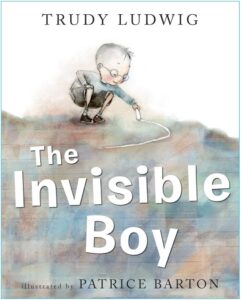
Brian feels unseen. Not picked for teams. Not included in groups. Not loud enough to be noticed.
The disappointment here is quiet and steady — the ache of being overlooked.
When one child reaches toward him, the world shifts. Not because he changed who he was — but because connection found him.
What kids notice in this story
They notice what it feels like to be left out. They see that small kindness changes everything. They understand that invisibility doesn’t last forever.
Saturday by Oge Mora

A mother and daughter save all week for one perfect Saturday. And then, one by one, the plans fall apart.
The disappointment stacks: a closed shop, a missed show, an unexpected mistake.
But the story doesn’t pretend it’s fine. It lets the frustration breathe before showing that connection matters more than perfection.
What kids notice in this story
They notice how unfair ruined plans feel. They see that sadness and closeness can exist at the same time. They learn that imperfect days can still hold warmth.
Not Perfect by Maya Myers
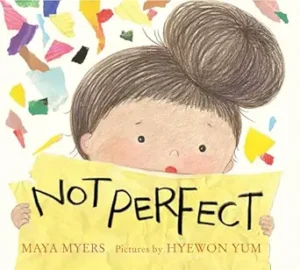
Dot strives for perfection in everything she does. When mistakes appear, disappointment crashes in hard.
The pressure is internal. It’s about self-expectation more than outside judgment.
The shift comes when she realizes she can’t control everything — and doesn’t have to.
What kids notice in this story
They notice how exhausting perfection feels. They see that mistakes don’t erase effort. They begin to loosen their grip on flawless outcomes.
What Do You Do With a Chance? by Kobi Yamada
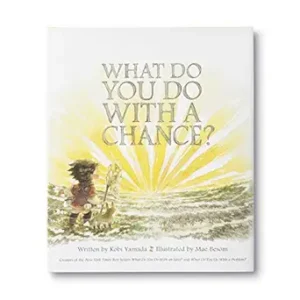
A child misses an opportunity — and immediately wishes for another one. The disappointment of hesitation lingers.
This story gently explores regret — that tender feeling of “I wish I had…”
The shift happens when the child recognizes that chances return — but only if you’re watching.
What kids notice in this story
They notice that everyone misses sometimes. They see that regret doesn’t close every door. They learn that new opportunities still exist.
The Day You Begin by Jacqueline Woodson
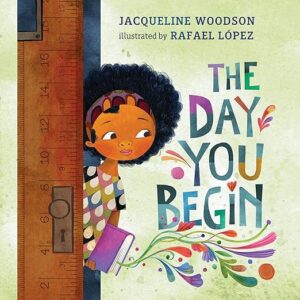
This story captures the quiet disappointment of feeling different. Of not sharing the same stories. Of standing slightly outside the circle.
The ache is subtle but real. It’s about belonging.
The shift begins when someone speaks — and someone else listens.
What kids notice in this story
They notice that being different can feel lonely. They see that sharing their story creates connection. They learn that stepping forward changes the room.
Last Stop on Market Street by Matt de la Peña

A young boy questions why his life looks different from others’. He sees what he doesn’t have.
Disappointment here is rooted in comparison — in noticing inequity.
Through conversation and perspective, the story gently widens his view without dismissing his feelings.
What kids notice in this story
They notice how comparison stings. They see that perspective grows slowly. They learn that disappointment and gratitude can coexist.
When Disappointment Hits Close to Home
Disappointment doesn’t damage a child. Avoiding it does.
When you allow tears. When you sit beside silence. When you don’t rush to fix or spin or distract. You’re teaching something deeper than positivity.
You’re teaching endurance.
Resilience grows when feelings are allowed. Not analyzed. Not corrected. Just allowed.
Reread these stories after the lost game. After the canceled party. After the role that went to someone else. Stories become mirrors. They remind children that they are not the only ones who have felt this way.
A Personalized Way to Practice
If you’re looking for another gentle way to help your child see themselves inside a story of setback and growth, you might explore Scrively.
It offers personalized children’s books where your child becomes the main character — navigating challenges, facing obstacles, and discovering new paths.
Seeing their own name on the page can make the message land a little softer. A little closer.
You don’t need your child to bounce back immediately. You don’t need them to smile through it.
You just need to give them space to bend — and the quiet confidence that they will not snap.