Comforting Books for Kids Who Struggle With Separation
Separation anxiety can feel big—for kids and for the grown-ups who love them.
One day your child waves goodbye with ease, and the next, a simple drop-off or bedtime becomes a teary, clingy moment that seems to come out of nowhere.
The important thing to know is this: separation anxiety is developmentally normal, especially in early childhood.
It’s often a sign of healthy attachment—your child has learned that you are their safe place, and their nervous system is still practicing how to feel safe when you’re not right there.
Why Separation Anxiety Is So Common
For many children, the hardest part isn’t the separation itself—it’s the uncertainty.
When will you come back? What happens while you’re gone? Will everything still be okay?
That’s why calm, steady routines matter so much, and it’s also why books can be surprisingly powerful.
Stories offer a gentle “practice space” where kids can experience separation and reunion in a predictable way—over and over—until their bodies begin to trust the pattern.
How Stories Help Children Feel Safe Apart
Great separation-anxiety books do something subtle and important: they help kids feel understood without making fear the main character.
They name the feeling—missing, worrying, longing—while also modeling steadiness: a caregiver returns, love stays connected, and the child’s world remains safe.
Instead of pushing kids to “be brave,” the best stories quietly communicate: You can feel this, and you can get through it.
Another reason stories help is that they model emotional language.
Kids often don’t have the words for what’s happening inside them, so their bodies do the talking: stomach aches, tears, clinging, bargaining, or big bedtime worries.
A reassuring book gives children a script—simple phrases and images they can borrow. It also gives caregivers a calmer way to respond: “That feeling has a name, and we know what to do when it shows up.”
In the list below, you’ll find gentle, grounding books that emphasize predictability, connection, and reunion.
They don’t rush kids through their feelings. They don’t make separation sound scary or dramatic.
They simply remind children—through warmth, rhythm, and repetition—that love is steady, goodbyes can be safe, and coming back together is part of the story.
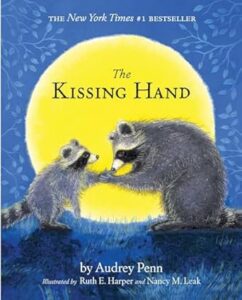
The Kissing Hand — Audrey Penn
Core Themes:
• Emotional reassurance and safety
• Connection during separation
• Predictability, trust, and calm transitions
Story Snapshot: Chester Raccoon worries about going to school, but his mother shares a simple ritual that lets him “carry” her love with him.
The story is soft, steady, and reassuring, with a comforting rhythm that makes separation feel manageable.
Why this book is calming for kids with separation anxiety: This book normalizes the sadness of leaving without treating it like a problem to fix.
It models connection through a consistent, repeatable ritual, helping children feel secure even when apart.
The focus stays on warmth, return, and love that travels—supporting emotional regulation and confidence.
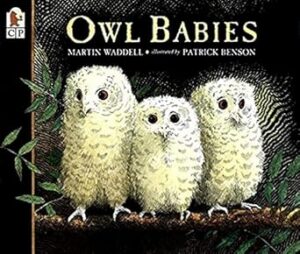
Owl Babies — Martin Waddell
Core Themes:
• Emotional reassurance and safety
• Connection during separation
• Predictability, trust, and calm transitions
Story Snapshot: Three baby owls wake up to find their mother gone and wait together through their worries. The pacing is gentle and repetitive, and the reunion is calm and reassuring—without making the moment feel overwhelming.
Why this book is calming for kids with separation anxiety: The story gives kids language for their feelings (“I want my mommy!”) while keeping the tone tender and safe. It models waiting with support—siblings staying together—and ends with a steady return that reinforces trust.
It helps children practice the idea that a caregiver can be gone and come back, every time.
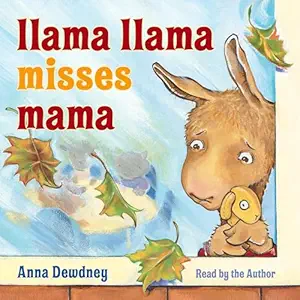
Llama Llama Misses Mama — Anna Dewdney
Core Themes:
• Emotional reassurance and safety
• Connection during separation
• Predictability, trust, and calm transitions
Story Snapshot: Llama Llama starts school and feels wobbly and tearful without Mama nearby. The rhyme and rhythm move steadily from discomfort to calm, showing a supportive teacher and a predictable reunion.
Why this book is calming for kids with separation anxiety: This story validates the “first day” feeling without getting stuck there.
It models how caring adults help kids settle and how routines create safety. The calm return at the end reinforces the message that separations can be hard—and still end in reconnection.
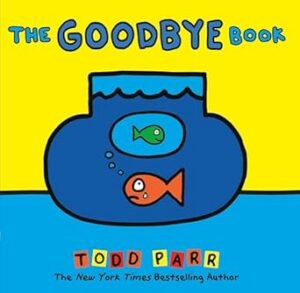
The Goodbye Book — Todd Parr
Core Themes:
• Emotional reassurance and safety
• Connection during separation
• Predictability, trust, and calm transitions
Story Snapshot:
This bright, simple book gently walks through the feelings that can show up when someone leaves, changes, or says goodbye.
The tone is warm and steady, using clear language and familiar examples to show that even hard feelings are manageable and temporary.
Why this book is calming for kids with separation anxiety:
The Goodbye Book normalizes sadness and missing someone without making separation feel scary or permanent.
It reassures children that goodbyes happen in many forms—and that feelings shift, support remains, and connection continues.
The predictable structure and compassionate voice help kids feel emotionally safe, making it especially grounding during transitions, drop-offs, or moments of change.
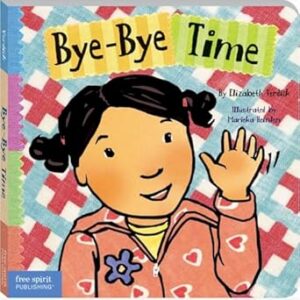
Bye-Bye Time — Elizabeth Verdick
Core Themes:
• Emotional reassurance and safety
• Connection during separation
• Predictability, trust, and calm transitions
Story Snapshot: This simple, practical story walks through everyday goodbyes—drop-offs, separations, and reunions—with a reassuring tone.
It’s paced like a routine, using clear language that feels steady and safe.
Why this book is calming for kids with separation anxiety: It normalizes tears and worry while emphasizing what helps: consistent goodbye rituals, caring grown-ups, and predictable reunions.
The book models calm language caregivers can use and helps children build trust in the “goodbye → time apart → hello again” pattern.
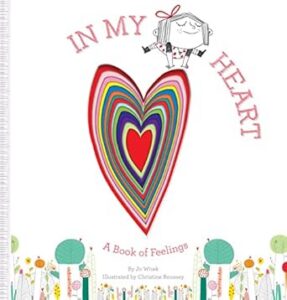
In My Heart: A Book of Feelings — Jo Witek
Core Themes:
• Emotional reassurance and safety
• Connection during separation
• Predictability, trust, and calm transitions
Story Snapshot: This book gently explores a wide range of feelings with warmth and simplicity, giving kids imagery and words for what’s happening inside.
The tone is soothing and accepting, like a calm conversation.
Why this book is calming for kids with separation anxiety: While it isn’t only about separation, it’s especially helpful for kids whose anxiety shows up as “big feelings” they can’t name.
By building emotional vocabulary, it supports regulation and calmer thinking. It reassures children that feelings can be strong and still safe—and that they don’t have to be afraid of what they feel.

The Invisible String — Patrice Karst
Core Themes:
• Emotional reassurance and safety
• Connection during separation
• Predictability, trust, and calm transitions
Story Snapshot: Two children learn that love connects people even when they’re apart, like an invisible string stretching between them.
The story is gentle, imaginative, and steady, making separation feel less lonely.
Why this book is calming for kids with separation anxiety: This book offers a comforting mental picture kids can hold onto during hard moments.
It reinforces connection without relying on urgency or fear, and it gives children a simple tool for reassurance: “We’re still connected.”
That steady idea can—connection that remains—can help kids settle their bodies and trust the space between hello and goodbye.
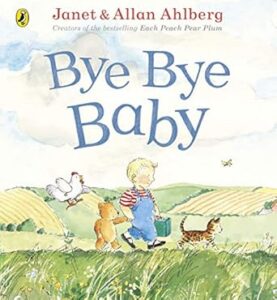
Bye Bye, Baby! — Janet Ahlberg
Core Themes:
• Emotional reassurance and safety
• Connection during separation
• Predictability, trust, and calm transitions
Story Snapshot: A baby experiences a series of everyday moments with simple departures and returns. The pacing is calm and repetitive, making it feel like a gentle routine rather than a big event.
Why this book is calming for kids with separation anxiety: Repetition is regulating—and this book leans into that. It helps children practice the idea that people come and go in safe ways, and that reunions are reliable.
For toddlers and preschoolers especially, this kind of predictable pattern can support calmer transitions and more secure separations.
—-
If you’re supporting a child through separation anxiety, take a breath: this is a season, not a failure.
Many kids move through it in waves—especially during transitions, new routines, growth spurts, or times when life feels a little different.
What helps most is not perfection, but presence: steady goodbyes, consistent routines, and the quiet confidence that you will return—just like you always do.
Books can be a gentle ally here. They give children a safe rehearsal space for the emotional arc of separation and reunion: a goodbye that doesn’t feel scary, time apart that stays connected, and a return that reaffirms trust.
Reading the same calming story again and again isn’t “getting stuck”—it’s your child building predictability into their nervous system, one page at a time.
And if your child loves stories, you can also invite them to become a storyteller—because making a simple book about a brave goodbye, a kind teacher, or a cozy bedtime routine can be its own kind of comfort.
If you want a place to help kids create comforting stories (even very short ones) to process feelings and practice independence, check out Scrively.