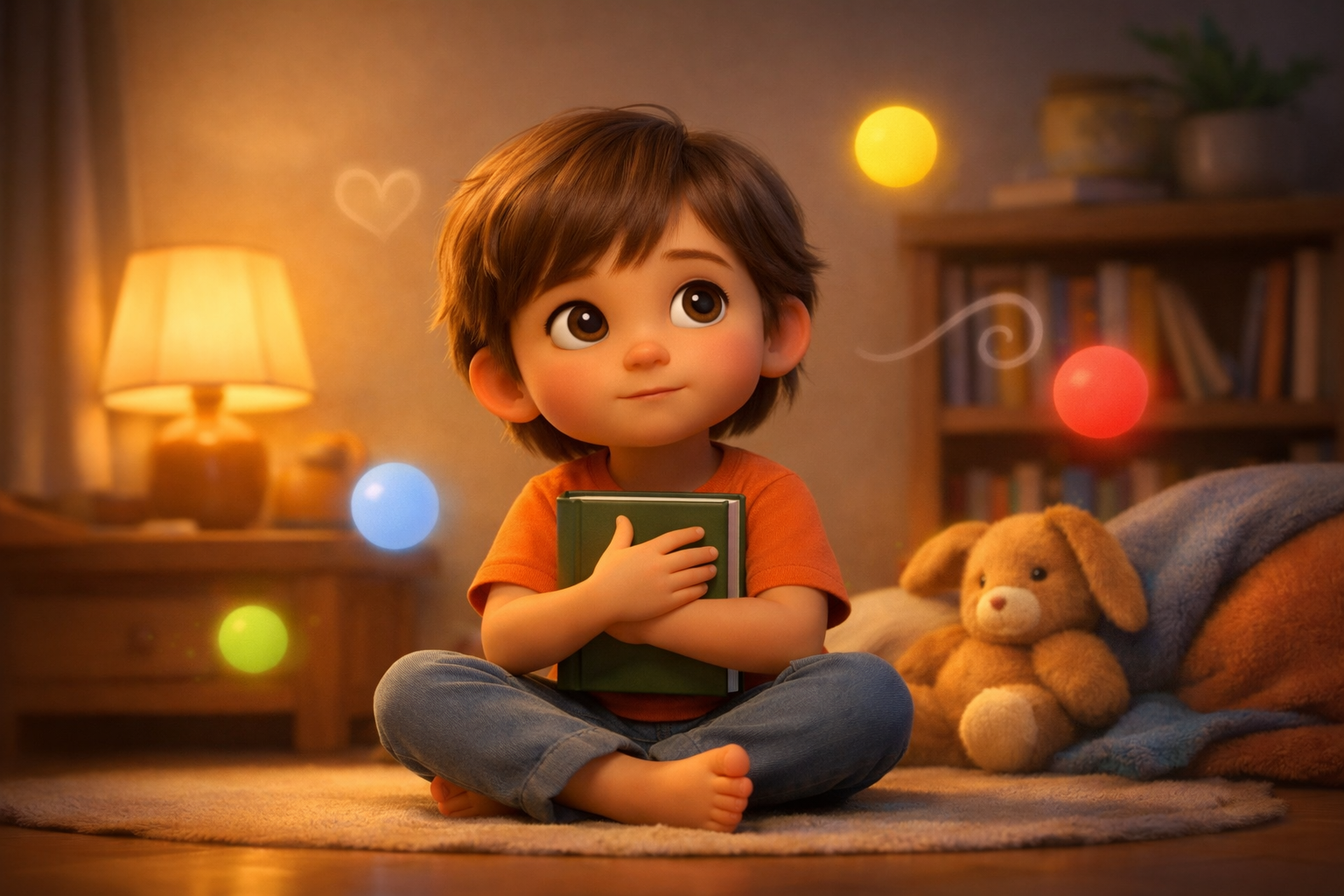
Best Books to Help Kids Express Big Emotions (Ages 4–7)
You don’t usually see big emotions coming.
They arrive in the middle of getting dressed. Or right after school. Or five minutes before bedtime, when everyone is tired and the day has used up its last ounce of patience.
At ages four to seven, emotions often show up sideways. Anger looks like yelling.
Sadness looks like shutting down. Excitement tips into chaos. Jealousy hides behind “I don’t care.” None of this means anything is going wrong. It means your child is learning.
Emotional expression is a skill. And like any skill, it develops unevenly. Kids feel deeply long before they can explain what’s happening inside them.
They know something is big—but they don’t yet have the words, the maps, or the confidence to share it clearly.
This is where stories help. Not by fixing feelings or smoothing them over—but by giving kids language, permission, and companionship.
A good book says, “Someone else feels this too.” It slows the moment down. It makes space.
These books don’t rush kids toward calm. They honor what shows up first.
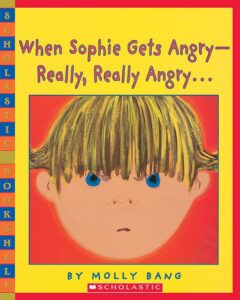
When Sophie Gets Angry—Really, Really Angry… — Molly Bang
Core Themes:
- Anger as a natural response
- Physical sensations of emotion
- Finding space to cool down
Story Snapshot:
Sophie feels a sudden surge of anger when things don’t go her way. The feeling takes over her whole body, pushing her to run, stomp, and finally pause in nature until the intensity softens.
Why this book helps kids express big emotions:
You get a clear, honest portrayal of anger without judgment. The story shows how anger feels in the body and reassures kids that intense emotions rise and fall. It doesn’t demand better behavior—it validates the experience first.
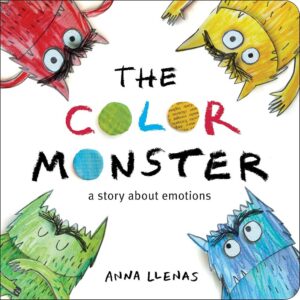
The Color Monster — Anna Llenas
Core Themes:
- Naming emotions
- Mixed feelings
- Emotional organization
Story Snapshot:
A friendly monster feels all mixed up inside. With gentle help, he sorts his emotions by color, learning that each feeling has its own place.
Why this book helps kids express big emotions:
You’re given a simple, visual language for emotions without labeling any feeling as “bad.” The book normalizes confusion and helps kids practice identifying what they’re feeling—even when it’s more than one thing at once.
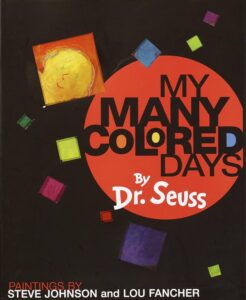
My Many Colored Days — Dr. Seuss
Core Themes:
- Emotional variety
- Mood changes
- Self-awareness
Story Snapshot:
Each day is a different color, representing a different feeling—from quiet and blue to energetic and yellow.
Why this book helps kids express big emotions:
You’re reminded that emotions shift naturally. Kids see that no single feeling defines them and that all moods belong. The poetic language invites reflection without pressure to explain or justify how they feel.
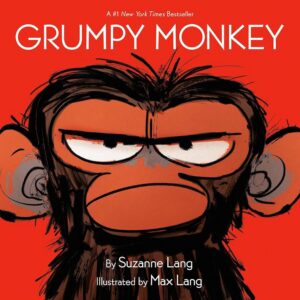
Grumpy Monkey — Suzanne Lang
Core Themes:
- Unexplained moods
- Social pressure around emotions
- Acceptance
Story Snapshot:
Jim Panzee is in a bad mood—and everyone around him wants him to fix it. The more they insist he cheer up, the grumpier he feels.
Why this book helps kids express big emotions:
You see how invalidating it feels when others rush emotions away. The story reassures kids that they don’t need a reason to feel what they feel—and that being understood matters more than being cheerful.
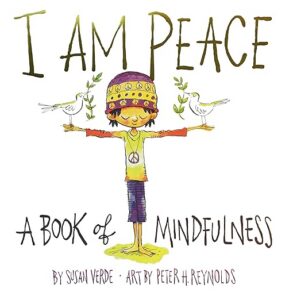
I Am Peace — Susan Verde
Core Themes:
- Overwhelm
- Mind-body awareness
- Inner steadiness
Story Snapshot:
A child experiences the noise and rush of everyday life and gently discovers moments of calm through breathing and presence.
Why this book helps kids express big emotions:
You’re shown that overwhelm is common—not a failure. The book models how to notice feelings without pushing them away, offering kids language for what calm can feel like after emotions are acknowledged.
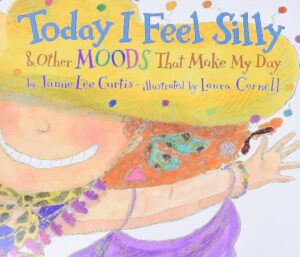
Today I Feel Silly — Jamie Lee Curtis
Core Themes:
- Emotional range
- Daily fluctuations
- Self-expression
Story Snapshot:
A child moves through many emotions in a single day, each feeling fully experienced and vividly described.
Why this book helps kids express big emotions:
You get permission to feel many things without explanation. Kids learn that emotions can change quickly—and that each one is worth noticing and naming.
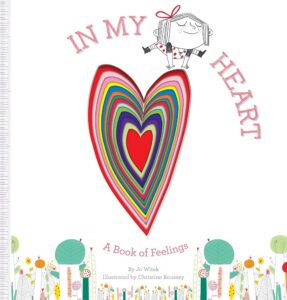
In My Heart: A Book of Feelings — Jo Witek
Core Themes:
- Emotional depth
- Internal experiences
- Self-trust
Story Snapshot:
The narrator explores what different emotions feel like inside the heart, using metaphors and sensory descriptions.
Why this book helps kids express big emotions:
You’re offered rich language for feelings that are often hard to explain. The book honors emotional depth and reassures kids that their inner world is real, valid, and worth listening to.
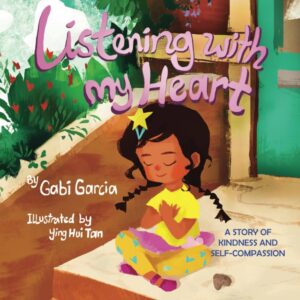
Listening with My Heart — Gabi Garcia
Core Themes:
- Empathy
- Self-compassion
- Repair after emotional moments
Story Snapshot:
After hurting a friend’s feelings, a child learns to listen inwardly and outwardly, discovering empathy and understanding.
Why this book helps kids express big emotions:
You see that emotions don’t disappear after mistakes—and that understanding comes through listening, not punishment. The story supports emotional honesty while showing that repair is always possible.
Big Feelings Need Space
Emotions aren’t problems to solve. They’re experiences to move through.
Before kids can regulate, they need to express. Before they can explain, they need to feel safe enough to show you what’s happening inside.
Reading these books again and again matters. Each reread gives kids more language, more confidence, and more reassurance that their inner world is welcome.
If your child wants to explore feelings through storytelling, Scrively gives them space to create characters who feel deeply, make mistakes, and grow. Sometimes distance and imagination make emotions easier to hold.
You’re not behind. Neither is your child. You’re both learning—together.