For Kids Still Figuring People Out: Books That Build Social Skills (Ages 4–7)
You don’t usually notice social skills arriving.
You notice the pauses first. The watching-from-the-side. The moment your child wants to join but isn’t sure how. The half-step forward, then back again.
Social learning doesn’t show up fully formed. It unfolds in fragments — in quiet observation, in missed cues, in trying again tomorrow. And for many kids ages 4–7, that slow unfolding is not only normal, it’s healthy.
Connection grows through exposure, not instruction.
Children learn by seeing how conversations pause and restart, how bodies share space, how feelings flicker across faces.
They don’t need scripts. They need time, safety, and examples they can return to again and again.
Stories are where this kind of learning happens best. Picture books let kids watch social moments without being watched themselves.
They offer practice without performance — a way to notice, wonder, and internalize connection at their own pace.
The books below support social learning gently. They don’t rush children into being “good at people.” They simply show what real connection looks like, moment by moment.
What Natural Social Learning Looks Like at This Age
Between ages 4 and 7, social understanding is still forming. Children are learning timing, tone, personal space, and emotional nuance — often all at once, often imperfectly.
Some kids jump in quickly. Others stand back and study the room. Many move between those modes depending on the day, the group, or how safe they feel.
Books help by slowing everything down. They give children a way to replay social moments, notice small details, and build familiarity before they ever have to respond in real life.
If you’re also exploring books that focus more directly on early friendship, you may want to look at Best Books for Kids Learning to Make Friends.
And if your child tends to warm slowly, Best Books for Shy Kids offers additional reassurance.
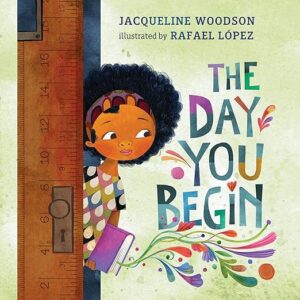
The Day You Begin — Jacqueline Woodson
What kids notice in this story:
Children notice the feeling of being different — the quiet moments of listening while others talk, the weight of holding back, and the relief that comes when someone else shares too.
Story Snapshot:
A child enters a classroom feeling out of place, carrying stories that feel hard to share. Over time, connection begins through small acts of listening and recognition.
Why this book supports natural social learning:
This story honors observation before participation. It shows that belonging doesn’t require instant confidence — it grows through presence, patience, and shared humanity.

Yoko — Rosemary Wells
What kids notice in this story:
Children notice reactions — curiosity, discomfort, judgment — and how feelings shift when someone takes the time to understand instead of exclude.
Story Snapshot:
Yoko brings foods from her culture to school and faces teasing. One classmate’s openness begins to change the dynamic.
Why this book supports natural social learning:
The book models empathy through everyday moments. It shows how social awareness grows when children observe responses and experiment with kindness.
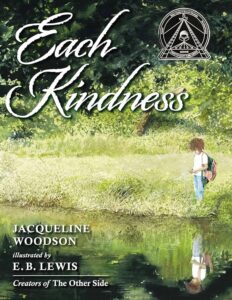
Each Kindness — Jacqueline Woodson
What kids notice in this story:
Children notice missed chances — moments when connection could have happened but didn’t, and how those moments linger.
Story Snapshot:
A new student is repeatedly excluded. When the opportunity for kindness passes, reflection follows.
Why this book supports natural social learning:
Rather than correcting behavior, the story invites reflection. It helps children understand social impact through observation and emotional consequence.
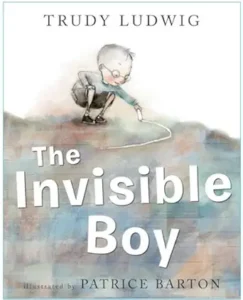
The Invisible Boy — Trudy Ludwig
What kids notice in this story:
Children notice who gets overlooked, how silence can feel loud, and how small gestures can change someone’s experience.
Story Snapshot:
Brian feels unseen at school until a class project opens space for collaboration and recognition.
Why this book supports natural social learning:
The book gently highlights social awareness — noticing others, sharing space, and how inclusion often begins quietly.
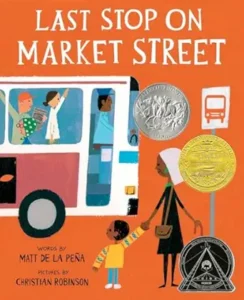
Last Stop on Market Street — Matt de la Peña
What kids notice in this story:
Children notice expressions, gestures, and conversations between strangers — the rhythm of shared public space.
Story Snapshot:
A boy and his grandmother take a bus ride through the city, encountering people from many walks of life.
Why this book supports natural social learning:
It builds social understanding through observation. Kids see how connection exists beyond direct interaction.
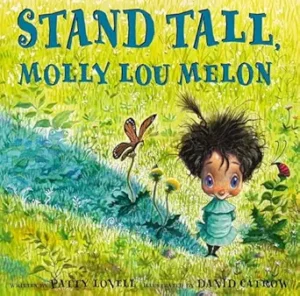
Stand Tall, Molly Lou Melon — Patty Lovell
What kids notice in this story:
Children notice self-expression — how confidence can be quiet, personal, and resilient.
Story Snapshot:
Molly Lou Melon faces teasing with creativity and self-trust.
Why this book supports natural social learning:
The story reinforces internal confidence rather than social performance, allowing kids to see self-assurance as a social anchor.
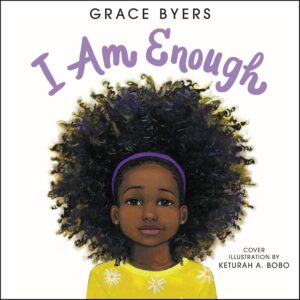
I Am Enough — Grace Byers
What kids notice in this story:
Children notice calm acceptance — the feeling of being okay as they are.
Story Snapshot:
A lyrical celebration of self-worth and shared humanity.
Why this book supports natural social learning:
It builds emotional grounding, which makes social learning feel safer and less pressured.
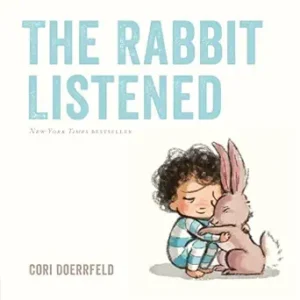
The Rabbit Listened — Cori Doerrfeld
What kids notice in this story:
Children notice what helps and what doesn’t — advice versus presence.
Story Snapshot:
After something goes wrong, different animals respond in different ways, until one simply listens.
Why this book supports natural social learning:
It models emotional attunement and shows that connection often begins with quiet companionship.
Letting Social Growth Take Its Time
Social skills don’t need to be rushed. They settle in through repetition, safety, and familiarity.
When children revisit stories, they aren’t memorizing behavior. They’re building comfort with social moments — learning how it feels before deciding how to act.
That’s where growth sticks.
If you’re looking for ways to keep that exploration going, Scrively offers personalized stories where kids can explore everyday interactions — choosing when to speak, when to wait, and how connection unfolds — all at their own pace.
Social confidence grows slowly. And that’s exactly how it’s meant to.