How You Can Help Your Child Build Real Independence (Without Pushing Too Fast)
You watch it happen in small, almost ordinary moments.
Your child stands at the door, insisting on putting their shoes on alone — even if it takes five extra minutes. They carefully pour their own milk, tongue peeking out in concentration. They walk into school without holding your hand… and then glance back just to make sure you’re still there.
Independence is rarely loud. It’s quiet. Careful. A little wobbly.
And it can feel exciting and uncomfortable at the same time — for both of you. One day they want to “do it myself.”
The next day they cling to your leg. Growth isn’t linear. Confidence comes and goes.
What helps most during this in-between season are stories. Books give children a rehearsal space — a safe place to watch someone else take a small brave step.
Not because they’re pushed. Not because they’ve “grown up.” But because they’re ready to try.
Independence, at this age, isn’t about doing everything alone. It’s about building trust in their own ability to try.
Books That Gently Build Independence
The Kissing Hand by Audrey Penn
This tender story follows Chester Raccoon as he faces the daunting experience of starting school. He doesn’t want to leave home. He worries about separation. He wants things to stay familiar.
Independence shows up slowly here. Chester doesn’t suddenly become fearless. Instead, he carries reassurance with him — his mother’s kiss in his hand — and finds the courage to step into something new. The small risk is simply walking into school.
The story honors hesitation. It doesn’t rush it away. It shows that independence can coexist with connection.
What kids notice in this story
Kids see that feeling nervous doesn’t mean they can’t go. They notice that love travels with them. They understand that brave steps can feel small and still matter.
I Can Do It Myself! by Valorie Fisher
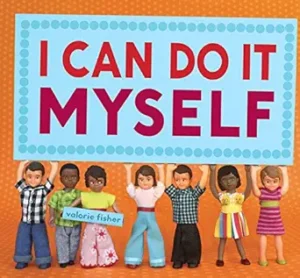
This playful, photograph-filled book celebrates everyday independence: getting dressed, brushing teeth, putting on shoes. The tone is cheerful and matter-of-fact.
Independence here isn’t dramatic. It’s practical. A child figures out how to zip a jacket or climb onto a chair. There’s no pressure — just pride in participation.
The growth comes from repetition. From trying. From small mastery moments.
What kids notice in this story
Kids recognize familiar tasks. They see that effort counts. They begin to believe that trying is part of learning, not proof they should already know how.
The Little Engine That Could by Watty Piper

This classic story follows a small engine faced with a big challenge: pulling a heavy train over a mountain. Bigger engines refuse. The small engine hesitates — but tries.
Independence appears as self-talk. “I think I can” becomes a steady rhythm. The engine doesn’t have guarantees. It simply keeps going.
The risk is persistence. The reward is capability discovered in motion.
What kids notice in this story
Kids hear the repetition. They absorb the rhythm of belief. They notice that trying doesn’t mean you’re certain — it means you’re willing.
Jabari Jumps by Gaia Cornwall
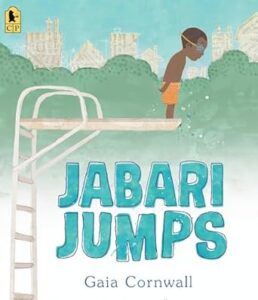
Jabari is ready to jump off the diving board. Or at least he thinks he is. He climbs the ladder. He climbs back down. He watches others go first.
Independence here is layered. Jabari wants to do it himself, but he also wants reassurance. His father stays close — supportive, not pushing.
The small risk is standing at the edge. The growth happens before the jump even occurs.
What kids notice in this story
Kids recognize the pause before trying. They see that bravery includes thinking. They understand that adults can stay nearby without taking over.
The Thing Lou Couldn’t Do by Ashley Spires
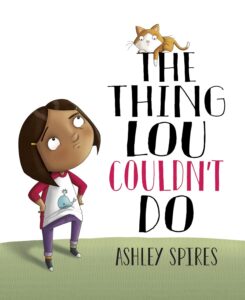
Lou loves adventure — until climbing a tree becomes the “thing she can’t do.” Suddenly, she invents reasons to avoid it.
Independence here is internal. Lou wrestles with fear privately. She imagines falling. She imagines failing. Eventually, she considers what might happen if she simply tries.
The risk isn’t the tree. It’s the willingness to face uncertainty.
What kids notice in this story
Kids see that everyone has a “thing.” They notice that fear doesn’t disqualify them. They understand that trying once is enough.
Ruby Finds a Worry by Tom Percival
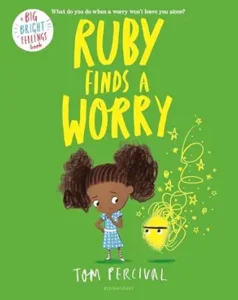
Ruby discovers a small worry that grows bigger when ignored. It begins to affect her independence — she withdraws, hesitates, holds back.
Independence in this story shows up through expression. Ruby eventually talks about her worry. She realizes she’s not alone.
The risk is sharing what feels private.
What kids notice in this story
Kids notice that worries can shrink when spoken aloud. They see that independence includes asking for help. They learn that being brave sometimes means talking.
Owen by Kevin Henkes
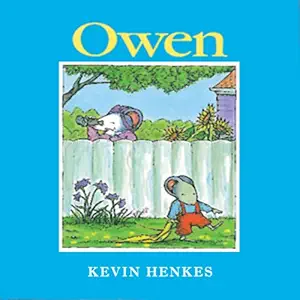
Owen loves his blanket. He takes it everywhere. As school approaches, adults suggest he leave it behind.
Independence here doesn’t mean forced detachment. Instead, creative solutions allow Owen to carry comfort in a new form.
The small risk is entering school without the blanket exactly as it was.
What kids notice in this story
Kids understand that comfort objects matter. They see that growing doesn’t mean losing everything familiar. They learn that change can be flexible.
Whistle for Willie by Ezra Jack Keats
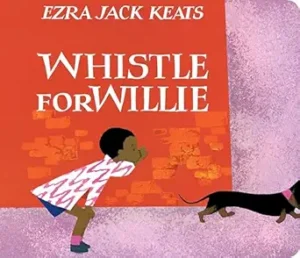
A young boy wants to whistle for his dog. He tries again and again. No sound comes out at first.
Independence here is persistence in skill-building. There’s no adult correcting him — just experimentation and practice.
The risk is failing quietly until it finally works.
What kids notice in this story
Kids notice the repeated attempts. They see that learning takes time. They feel encouraged to keep practicing without embarrassment.
The Dot by Peter H. Reynolds
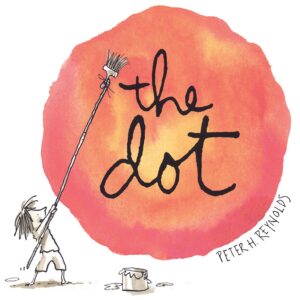
Vashti insists she cannot draw. Her teacher invites her to “make a mark and see where it takes you.”
Independence unfolds as creative risk-taking. One dot becomes many. Self-doubt transforms into expression.
The small brave act is simply starting.
What kids notice in this story
Kids notice that mistakes can become art. They see that starting imperfectly is allowed. They feel invited to try without comparison.
Llama Llama Misses Mama by Anna Dewdney
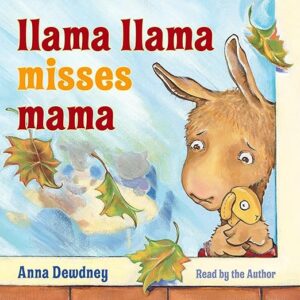
Llama faces his first day of school with anxiety and longing for home.
Independence shows up gradually. He doesn’t love school instantly. He learns routines. He finds rhythm. He adjusts.
The risk is staying even when it feels unfamiliar.
What kids notice in this story
Kids see that missing home is normal. They understand that feelings can settle. They notice that comfort can grow in new places.
Ish by Peter H. Reynolds
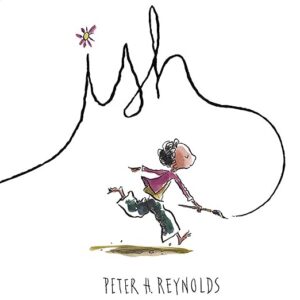
Ramon loves to draw until criticism makes him doubt himself. His sister reframes his art as “ish.” Tree-ish. Vase-ish.
Independence here is creative self-trust. Ramon chooses to draw again — not perfectly, but freely.
The risk is letting go of exactness.
What kids notice in this story
Kids notice that “ish” is enough. They see that expression doesn’t need approval. They learn that confidence grows from within.
Independence Grows in Layers
You don’t wake up one morning and find a fully independent child standing in your kitchen.
Instead, you see layers. A shoe tied slowly. A choice made carefully. A classroom entered with a deep breath.
Independence doesn’t mean doing everything alone. It means trusting yourself enough to try — and knowing support is still nearby.
Rereading these stories before new transitions can help. Before a new school year. Before sleepovers. Before responsibilities that feel just a little bigger than yesterday.
A Gentle Way to See Themselves in the Story
If you want to go one step further, you can explore personalized stories through Scrively.
Seeing themselves as the main character — trying something new, making a choice, solving a small problem — can reinforce the quiet message these books offer: you are capable, and you are not alone.
Because confidence rarely arrives in one giant leap. It builds through supported attempts.
Through stories. Through practice. Through moments when you step back just enough for them to step forward.