The Friend Who Lives Far Away: 8 Books About Long-Distance Friendship
Your child reaches for the familiar name before remembering: that friend lives somewhere else now. Maybe it happens at the playground, during a favorite game, or when there is news only one person would really understand. The missing can arrive in small, surprising moments.
Books about long-distance friendship give you a gentle place to begin. They make room for sadness, curiosity, and the awkward business of keeping in touch. You don’t need to promise that everything will feel exactly as it did before.
Loyalty can mean remembering, showing interest, and making small efforts to connect. It can also leave room for new friends and changing lives. These eight stories offer different ways to explore that balance together, without asking your child to prove their love by staying lonely.
Eight Books About Long-Distance Friendship and Loyalty
Herman’s Letter by Tom Percival
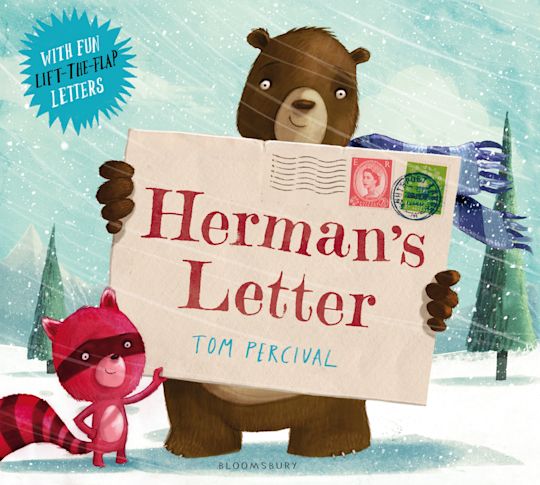
A letter from a faraway friend can bring two feelings at once: delight that they remembered you, and a sting that they seem happy somewhere else. Tom Percival gives that uncomfortable mixture a place to land. His animal friends make a very human worry easier to discuss.
As you read, leave room for your child to admit that a friend’s exciting news sometimes hurts. You can care about someone and wish they were still next door. Naming that feeling gently may make answering their letter feel less daunting.
What kids notice: The envelopes and friendship between a bear and a raccoon make distance something children can picture. Herman’s hesitation may feel familiar to a child who doesn’t know what to say.
Story snapshot: Herman and Henry promise to write after Henry moves away. Yet Henry’s cheerful letters leave Herman feeling jealous, and writing back becomes difficult.
Why this book helps: Among books about long-distance friendship, this one opens a useful conversation about loyalty when feelings get messy. Ask what your child would like a friend to know. A simple, honest message can be enough; they don’t need an impressive adventure to report.
My Best Friend Moved Away by Nancy Carlson
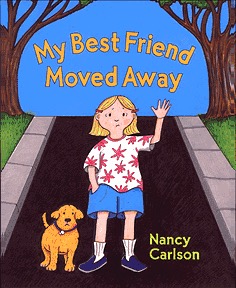
Sometimes the hardest part isn’t the goodbye. It’s the ordinary afternoon afterward, when the person who shared your games isn’t there. Nancy Carlson starts with the everyday closeness children recognize, giving their sadness a familiar shape.
This is a helpful choice when your child worries that enjoying another friendship would mean forgetting the old one. Keep that question open as you read. Their heart can hold a special history while making room for someone new.
What kids notice: The remembered pleasures of being best friends feel small and important at once. Your child may want to name the particular thing they miss, rather than explain all their sadness.
Story snapshot: A child faces the loneliness of a best friend moving away. The story offers reassurance that new friendships can grow while an old friend remains close to the heart.
Why this book helps: Loyalty doesn’t require your child to stay lonely. After reading, you might save a photograph or draw a favorite memory together. Then welcome a new playdate without presenting it as a replacement. Remembering and moving forward can happen on the same day.
Forever Friends by Carin Berger
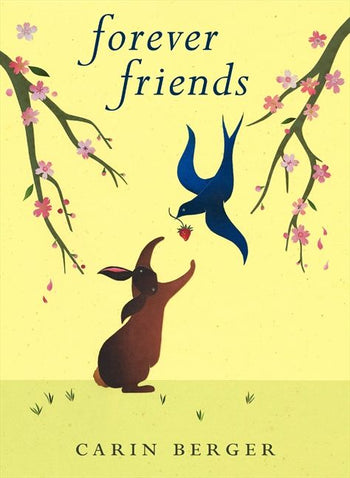
For a young child, a week can feel enormous. Waiting until a holiday visit may seem almost impossible. Carin Berger uses the changing seasons to make a stretch of separation visible, with a bunny and a bird at the center of it.
Take your time with the pictures. You don’t have to hurry toward reassurance. Sometimes a child needs you to sit beside the missing feeling before they can imagine seeing their friend again.
What kids notice: The two animals belong together even though their lives follow different rhythms. The seasonal changes give children something concrete to notice while the friends are apart.
Story snapshot: A bunny and a blue bird become friends. When the bird leaves for winter, the bunny waits through the cold months until their spring reunion.
Why this book helps: The story makes room for hope and patience. You can connect it to a visit already arranged, perhaps marking the date on a calendar. Keep real promises modest: this book’s reunion is comforting, but your child also needs truthful answers about when a visit is possible.
Dear Dragon by Josh Funk
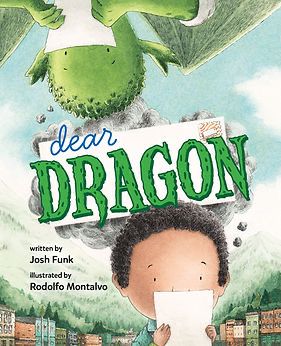
Keeping in touch can sound like a big assignment until someone asks an easy question. What did you play today? What is your pet doing? Josh Funk’s lively pen-pal story shows how little details can become the threads of a friendship.
Rodolfo Montalvo’s illustrations let your child enjoy a secret the characters haven’t discovered. That playful gap gives you a cheerful way into talking about someone whose everyday world is different from your own.
What kids notice: George and Blaise share news children understand, including birthdays, sports, and projects. Their pictures add a funny surprise: one friend is human, and the other is a dragon.
Story snapshot: The two pen pals exchange letters without realizing this difference. Their friendship develops through ordinary news before they finally meet face to face.
Why this book helps: Books about long-distance friendship can help your child find a starting point for a message. Borrow the spirit of these letters: one little update and one curious question. A friendship doesn’t need matching lives. It needs space for both people to be themselves and take an interest in each other.
Pen Pals by Alexandra Pichard

You may know the worry: if a friend starts liking different things, will there still be anything to talk about? Alexandra Pichard makes that question wonderfully playful. Her correspondents are an ant and an octopus, with plenty of differences to discover.
This is a useful story when your child’s faraway friend has joined a new club or found a new hobby. Instead of searching only for what stayed the same, you can help your child become curious about what is changing.
What kids notice: Oscar and Bill’s contrasting interests give their letters personality. The animals’ differences also make it fun to look for the places where their worlds meet.
Story snapshot: Oscar and Bill become school pen pals for a year. As they exchange letters, their different interests lead them toward discoveries about each other and their friendship.
Why this book helps: Loyalty can include learning who a friend is becoming. Ask your child to think of something they would like to know about their friend’s new life. You could help them send a drawing with a question underneath. Keeping contact friendly and manageable matters more than composing a perfect letter.
Same, Same but Different by Jenny Sue Kostecki-Shaw
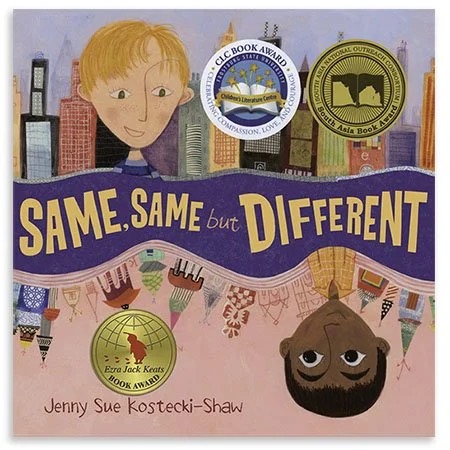
A friend who lives far away may have a different school day, neighborhood, or morning routine. Jenny Sue Kostecki-Shaw invites your child to look closely at those differences without treating one child’s life as the normal one.
The colorful pictures make this a good book to linger over together. Let your child point out a detail that surprises them. Then ask what they would want to show a friend about their own ordinary day.
What kids notice: Elliot and Kailash discover familiar experiences within different surroundings. Trees, pets, and school give children welcoming points of connection across a much bigger distance.
Story snapshot: Elliot in America and Kailash in India become pen pals. Through letters and pictures, they explore how their lives are both alike and different.
Why this book helps: These books about long-distance friendship offer more than ways to send news. They encourage attention. Your child can stay interested in a friend’s world even when they aren’t sharing it. Try exchanging drawings of a favorite place, with a question that invites the other child’s own explanation rather than an assumption.
Faraway Friends by Russ Cox
When your child misses someone, imagination sometimes reaches where a car ride cannot. Russ Cox gives that impulse a playful lift. Sheldon and his dog, Jet, turn a friend’s departure into a backyard space adventure.
This selection approaches the topic through coping with distance and welcoming another friend. It is especially useful when your child needs a little laughter alongside the sadness. You can enjoy the make-believe while acknowledging the real person they miss.
What kids notice: A moving truck and a homemade rocket bring an ordinary goodbye into an extraordinary game. Jet’s presence adds warmth to Sheldon’s adventure.
Story snapshot: After his best friend moves away, Sheldon sees Jupiter on the moving truck and imagines a journey into space. His backyard adventure eventually brings a new friendship.
Why this book helps: Use the story to explore how play can give big feelings somewhere to go. Your child might build an imaginary visiting machine or draw a map between two homes. Then talk about a real way to keep contact. A new friend can brighten today while the faraway friendship still matters.
Little Bear’s Friend by Else Holmelund Minarik
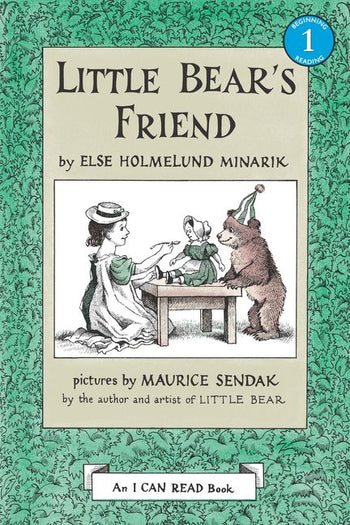
Some friendships grow during a visit or a summer, then suddenly have to fit around a goodbye. This gentle early reader gives that experience a familiar home. Maurice Sendak’s pictures accompany Else Holmelund Minarik’s simple, welcoming storytelling.
You can share it in short sittings, particularly if your child enjoys reading a little themselves. There is no need to turn it into a lesson. Let the affection between the friends do some of the talking.
What kids notice: Little Bear’s friendship with Emily and her doll Lucy feels easy to enter. The change at summer’s end introduces a sadness that many children recognize.
Story snapshot: Little Bear makes friends with Emily during the summer. When she must leave, he misses her and finds a way to stay close despite the distance.
Why this book helps: This is a warm choice for a child whose friend visits only occasionally. Talk about one memory worth keeping and one way to connect now. Your child doesn’t have to stop missing someone before they can enjoy remembering them. Both feelings can sit comfortably beside you during a shared story.
Put Your Child in the Heart of the Story
After sharing these books about long-distance friendship, your child may enjoy imagining a story with themselves at its center. Seeing their own name in an adventure can make the moment feel personal: here is a character worth following, with feelings and choices that matter.
With Scrively personalized stories, you can explore that appeal together. A story about caring for a faraway friend can become a starting point for your own conversation about loyalty. You might pause to wonder what a character could send, ask, or remember. Keep the conversation light and let your child offer their own ideas.
A story cannot arrange a visit or guarantee a reply. You can help with the practical part: finding a suitable time, sending a drawing, or making space for a short call. Small invitations are often easier to sustain than a grand promise.
A Friendship Can Find a New Rhythm
You don’t have to turn keeping in touch into another task your child must get right. Start with something they want to share. A picture of the dog, a silly memory, or a question about their friend’s day can carry plenty of affection.
If replies are slow, help your child leave room for busy families and different routines. Loyalty is a caring effort, not a demand for constant contact. You can notice what feels comfortable for both children and adjust together.
Meanwhile, keep welcoming the people who are nearby. Your child’s faraway friend has a place in their life, even as that life grows. A shared story, a little message, and your patient company can help them discover how friendship stretches across the space between two homes.