
Stories That Hold Attention: Books for Kids Who Struggle to Focus
Some children love stories, characters, and big ideas—but find it challenging to stay with the words long enough to settle in.
This doesn’t mean they’re “not a reader.”
It simply means they need the right kind of reading experience: one that offers momentum, structure, and encouragement instead of pressure.
Focus grows when reading feels successful. These books use clear pacing, short chapters, supportive illustrations, humor, and predictable story beats.
All of these features create a sense of progress. When kids can feel themselves moving forward, they stay engaged.
Think of this list as a gentle path toward confidence. None of these books are “remedial.” They’re enjoyable, engaging, warm, and well-written.
They simply make it easier for your child to stay with the story—and to believe, “I can do this.”
The goal isn’t to finish the book quickly. The goal is to enjoy the act of reading itself.
Even small moments of connection—one good chapter, one laugh, one shared scene—build identity. The identity comes first. The stamina grows after.
Reading confidence is built through success, not struggle. These books help your child experience success early and often.
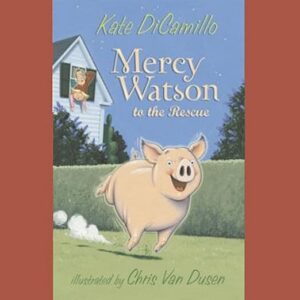
Mercy Watson — Kate DiCamillo
This early chapter series follows Mercy, a joyful pig who lives for toast with butter.
The plots are simple but charming: small household mishaps that feel big in the moment. The language is rhythmic and predictable, making it easier for developing readers to stay connected.
The illustrations support the text, helping kids follow the story even if their attention drifts. The humor creates low-pressure delight, which reinforces the desire to keep reading.
Why kids love it: Mercy’s misadventures are silly, warm, and just the right amount of exciting.
Perfect for: Kids stepping from picture books into chapter books who need wins early and often.
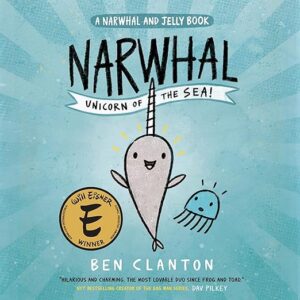
Narwhal and Jelly — Ben Clanton
This hybrid graphic novel series uses simple text and bold illustrations to guide attention.
Each page has small segments, so children never face long blocks of words. This lowers frustration and keeps reading light, funny, and fresh.
Short scenes and repeating patterns allow kids to re-engage easily, even if they momentarily lose focus. The emotional tone is upbeat, silly, and friendly.
Why kids love it: It feels like reading a cartoon—relaxed, funny, and full of personality.
Perfect for: Kids who enjoy visual storytelling or say reading feels “tiring.”
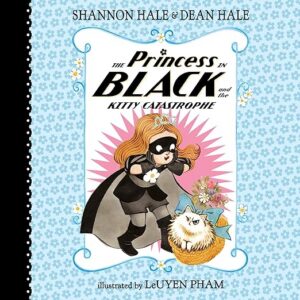
The Princess in Black — Shannon & Dean Hale
This adventure series features a princess who secretly fights monsters.
The storyline repeats in satisfying loops: problem → action → resolution. This structure helps kids anticipate what’s coming next and stay oriented as they read.
Short chapters and colorful illustrations break up the visual space, reducing overwhelm. The tone is brave-but-gentle, never too intense.
Why kids love it: They feel like they are reading a “real” adventure story, without the heavy text load.
Perfect for: Ages 5–8 who need structure and predictability to stay engaged.
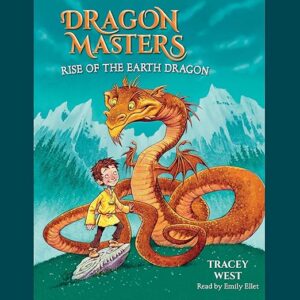
Dragon Masters — Tracey West
This series is intentionally engineered for developing focus.
Each book follows a stable rhythm: new challenge, group teamwork, small success. The writing builds literacy stamina gradually, while the story rewards persistence.
Illustrations assist comprehension and pacing, helping kids stay grounded as chapters get slightly longer.
Why kids love it: Dragons + quests + progress = instant motivation.
Perfect for: Kids who want to feel like “big readers” but still need scaffolding.
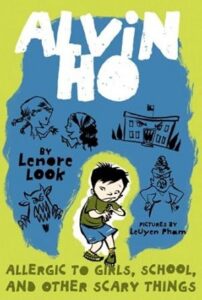
Alvin Ho: Allergic to Girls, School, and Other Scary Things — Lenore Look
Alvin experiences life intensely: big emotions, big worries, big imagination.
The pacing jumps quickly between moments, which mirrors how many kids experience the world. Short scenes make it easier to recover attention if a reader’s mind wanders.
The story is humorous and affectionate, modeled after real emotional complexity without overwhelming seriousness.
Why kids love it: Alvin feels like them—full of feelings, ideas, and questions.
Perfect for: Kids who are thoughtful, sensitive, or easily overwhelmed by long narratives.
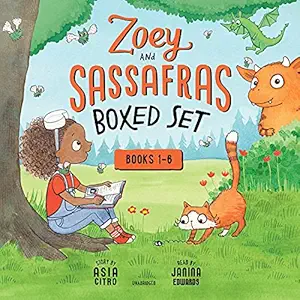
Zoey and Sassafras — Asia Citro
Each book follows the same formula: Zoey helps a magical creature by using observation and simple experiments. This pattern builds familiarity, which increases confidence.
Text is spaced generously, and illustrations reinforce key moments. Kids learn to anticipate structure—essential for developing sustained focus.
Why kids love it: It blends curiosity, wonder, and problem-solving in gentle, reassuring ways.
Perfect for: Kids who learn best through doing, touching, and imagining.
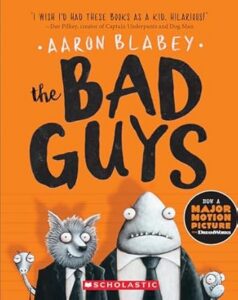
The Bad Guys — Aaron Blabey
High-energy and laugh-out-loud funny, this series turns reading into entertainment. The graphic-novel format reduces cognitive load, and the fast pacing creates natural momentum.
Because chapters end on mini-cliffhangers, most kids keep reading without needing encouragement.
Why kids love it: It feels like watching a show—but they’re reading every word.
Perfect for: Kids who say reading is boring or “too slow.”
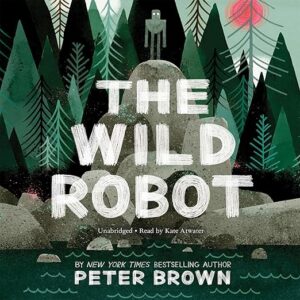
The Wild Robot — Peter Brown
Short chapters make this novel approachable, even though the themes are deep. The main character, Roz, builds relationships slowly over time. This pacing teaches patience gently.
The story is emotional but never overwhelming, making it ideal for building stamina.
Why kids love it: It feels adventurous and meaningful, like reading a movie.
Perfect for: Kids ready for a longer book but still needing steady guidance.
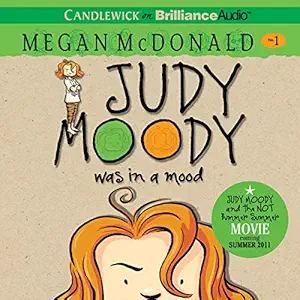
Judy Moody — Megan McDonald
Judy is bold, funny, strong-willed, and fully human. Her stories unfold in short arcs that reset frequently, making it easier to stay attentive. The humor helps release reading tension.
Why kids love it: Judy’s voice is big. Her feelings are dramatic in the best way.
Perfect for: Kids who need character-driven storytelling to stay engaged.
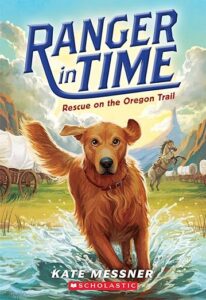
Ranger in Time — Kate Messner
A time-traveling rescue dog helps people throughout history.
Each book is action-forward, but chapters remain manageable. The historical settings introduce variety without overwhelming details.
Why kids love it: Each chapter feels like progress—movement keeps focus alive.
Perfect for: Kids who need stories that “go somewhere” quickly.
How to Support a Child Who Struggles to Focus
- Read in short bursts—stop before frustration, not after.
- Let your child move while reading (standing, pacing, rocking).
- Celebrate chapter finishes, not just book completions.
- Alternate reading pages—shared reading builds endurance.
- Ask, “What was your favorite part?” instead of quizzing comprehension.
Create Your Own “I Can Do This” Story
Storytelling builds self-belief. Invite your child to create a character who is learning something new and keeps trying.
- They can draw instead of writing—drawing counts.
- Help them name feelings, challenges, and small successes.
- Close with confidence, not perfection.
Help your child see that progress matters more than perfection with Scrively. Every small win builds the next.