Navigating the Quiet Heartbreak: Children’s Books About Shifting Friendships
You know that quiet, specific kind of heartbreak.
You watch your child realize their playground buddy suddenly wants to play with someone else. Consequently, your child feels entirely left behind in the dust.
Furthermore, navigating the quiet heartbreak—and normal evolution—of friends growing apart or finding new interests is incredibly tricky. It feels deeply personal to a young heart.
However, this shift is a normal part of growing up.
Most importantly, we can help our children find the virtue of acceptance during these painful transitions.
For instance, we can show them that love and connection do not disappear just because playtime changes.
Below, you will find gentle, beautiful books that explore the changing tides of childhood bonds.
Big Friends by Linda Sarah
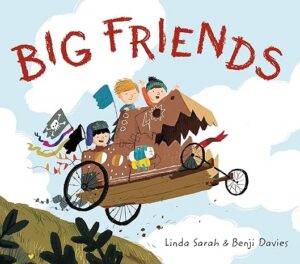
This beautiful story captures the exact moment a comfortable duo becomes a crowded trio.
It beautifully illustrates how hard it is to share a best friend with a new arrival.
What kids notice: The vibrant illustrations perfectly show the main character feeling physically smaller and pushed out as the new friend arrives.
Story snapshot: Birt and Etho are best friends who love playing with cardboard boxes. Suddenly, a new boy named Shu asks to join them, causing Birt to feel incredibly jealous and left out.
Why this book helps: Above all, this book validates the pain of feeling replaced.
Furthermore, it shows children that making room for someone new does not erase the original bond.
Consequently, your child learns that friendships can expand rather than simply break.
Chester’s Way by Kevin Henkes
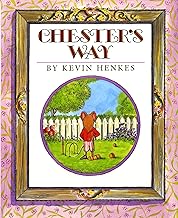
Chester and Wilson have their own exact way of doing things.
They are totally content until a very loud, very different girl named Lilly moves into the neighborhood.
What kids notice: Children immediately spot how silly and different Lilly is compared to the very careful, cautious mice.
Story snapshot: Two rigid best friends want nothing to do with the quirky new girl. However, when she bravely saves them from bullies, they realize her differences are actually wonderful.
Why this book helps: For instance, it teaches kids that a shift in their social circle is not always a bad thing.
Most importantly, it models the virtue of acceptance when someone disrupts a comfortable routine.
Therefore, it helps children open their minds to unexpected, wonderful new connections.
Evelyn Del Rey Is Moving Away by Meg Medina
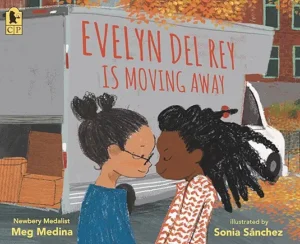
Sometimes, friendships shift purely because of physical distance.
This deeply moving book handles the difficult reality of a best friend moving out of the neighborhood.
What kids notice: Kids connect with the cardboard boxes and the bittersweet fun the girls have on their very last day together.
Story snapshot: Daniela and Evelyn are “pura gemelas” (almost twins) who do everything together. Consequently, they must spend their final afternoon playing hard before Evelyn’s family drives away forever.
Why this book helps: First, it honors the deep sadness of a physical separation.
Furthermore, it teaches children that a bond can remain strong even when miles apart.
Most importantly, it helps your child accept the change while holding onto the beautiful memories.
Amos & Boris by William Steig

This is a classic tale of two completely different creatures finding a deep, unlikely bond.
It is a stunning look at how true friends can love each other but still need to live in different worlds.
What kids notice: The sheer size difference between the tiny mouse and the giant whale is endlessly fascinating.
Story snapshot: Amos the mouse and Boris the whale save each other’s lives. However, they realize they cannot physically stay together, so they part ways with full, happy hearts.
Why this book helps: Similarly, children sometimes realize they simply do not fit into the same playtime worlds as their friends anymore.
Consequently, this book shows that you can hold immense love for someone without having to play with them every single day.
Therefore, it promotes a healthy, peaceful acceptance of growing apart.
Toot & Puddle by Holly Hobbie
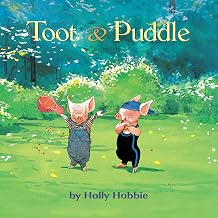
These two charming pigs prove that you do not have to like the same things to remain best friends.
It is a gentle lesson in celebrating differences rather than letting them pull you apart.
What kids notice: Children love looking at Toot’s exciting travel postcards compared to Puddle’s cozy, snowy home adventures.
Story snapshot: Toot wants to travel the world, but Puddle wants to stay home in Woodcock Pocket. Furthermore, they both enjoy their separate choices and happily reunite at the end.
Why this book helps: Most importantly, it tackles the exact moment one friend develops a new interest the other does not share.
For instance, it shows your child that they can cheer on a friend’s new hobby without having to join in.
This deepens their capacity for true, unconditional acceptance.
The Invisible String by Patrice Karst
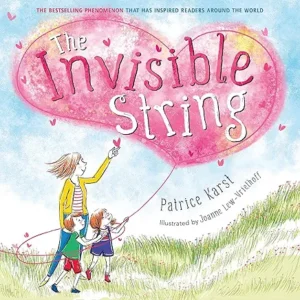
While often used for grief or separation anxiety, this book is perfect for shifting social dynamics.
It offers a visual, comforting tool for kids who feel disconnected from a former playmate.
What kids notice: The idea of a magical, unbreakable string connecting hearts is deeply comforting and easy to visualize.
Story snapshot: A mother explains to her children that an invisible string of love connects them to everyone they care about, no matter where they go.
Why this book helps: Consequently, when a friendship shifts, a child often feels entirely cut off.
Furthermore, this story reassures them that the love and care they shared remain fully intact.
Therefore, it provides a quiet sense of inner peace as they navigate new social circles.
Strictly No Elephants by Lisa Mantchev
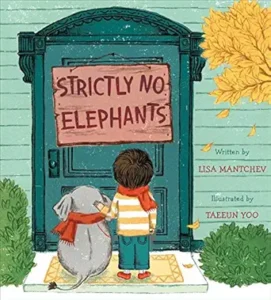
Sometimes friendships shift because a child is suddenly excluded from a group.
This sweet story addresses the sting of rejection and the beauty of forming a new, better circle.
What kids notice: The tiny pet elephant is adorable, and the mean sign on the tree house feels very unfair.
Story snapshot: A boy and his tiny pet elephant are banned from the local pet club. However, they decide to start their own inclusive club where everyone is warmly welcomed.
Why this book helps: First, it addresses the harsh reality of being left out when dynamics change.
Most importantly, it empowers your child to take action and find “their people.”
Consequently, it turns the pain of a shifting friendship into an opportunity for true belonging.
A Friend for Dragon by Dav Pilkey
This quirky, simple story handles the concept of loss and misunderstanding with gentle humor.
It is perfect for younger readers who are just starting to grasp the concept of temporary connections.
What kids notice: Kids find it very silly that Dragon thinks an apple is his new best friend.
Story snapshot: Dragon makes friends with an apple, but a walrus plays a trick on him. Furthermore, the apple eventually rots, leading Dragon to feel sad until a new apple tree grows.
Why this book helps: For instance, it touches on the natural life cycle of certain relationships.
Most importantly, it shows that even when something ends, new and beautiful things can grow in its place.
Therefore, it plants a seed of optimism and acceptance in a child’s heart.
Put Your Child in the Heart of the Story
Watching your child struggle with a changing friendship is incredibly hard.
Furthermore, sometimes the best way to help them process their feelings is to let them see themselves overcoming the exact same hurdle.
With Scrively, you can create 100% custom kid’s books tailored entirely to your child’s current emotional journey.
Consequently, you can write a story where they gracefully accept a friend moving away or bravely welcome someone new to their circle.
Most importantly, these point-and-click simple tools empower you to give your child the exact words they need to hear.
Embracing the Shift
Friendships will constantly ebb and flow throughout your child’s life.
However, by reading these stories, you give them a gentle map for the journey.
Most importantly, you teach them that acceptance does not mean giving up.
Instead, it means making brave, open-hearted space for whatever comes next.