When Your Child is Hesitant to Explore: Books That Build the Courage to Wander (Ages 5–8)
You watch them stare out the window with wide eyes. The world is incredibly vast, and they are still so very small.
Consequently, stepping out the front door can feel deeply intimidating. However, curiosity is always a powerful pull for a growing child.
Furthermore, true exploration is not just about climbing huge mountains or crossing oceans. It is simply about having the bravery to look around the very next corner.
Most importantly, we want to raise kids who eagerly ask what is out there in the world. Therefore, these carefully chosen books will help gently spark that beautiful, adventurous spirit.
Journey by Aaron Becker
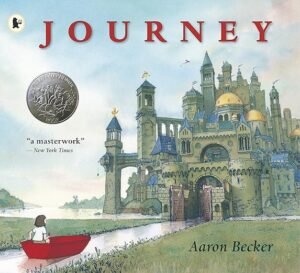
This book is an absolute masterpiece of wordless storytelling. For instance, it allows your child to completely lead the narrative adventure.
Without any words to guide them, readers must use their own minds to fill in the blanks. As a result, the reading experience becomes an active journey rather than a passive one.
What kids notice: They immediately notice the bright red marker that creates magical doors to brand new worlds.
Story snapshot: A lonely girl feels ignored by her busy family on a dull afternoon. Consequently, she draws a magical door on her bedroom wall and steps through it.
Furthermore, she escapes into an incredible, sprawling world of towering castles and flying carpets. She must use her wits and her red marker to navigate tricky situations and find her way forward.
Why this book helps: Most importantly, it shows that imagination is the very first step of true exploration. Above all, it empowers children to create their own unique paths when they feel stuck.
Similarly, it teaches them that they have the internal tools to get out of trouble. Furthermore, the lack of text forces the child to actively engage with the unknown.
Explorers of the Wild by Cale Atkinson
This charming story perfectly captures the rugged joy of heading into the great outdoors. Furthermore, it treats backyard adventures with the serious respect they deserve.
The illustrations are lush, deeply colorful, and instantly inviting for a young reader. For instance, they make the wild woods look like a playground rather than a scary place.
What kids notice: They love the funny, split-screen perspective showing both the boy and the bear getting ready for their big trips.
Story snapshot: A young boy and a young bear both pack their bags to explore the nearby woods. However, they are completely unaware that they are heading right toward each other.
When they finally meet, they are initially very frightened of one another. Consequently, they realize that exploring is much more fun when you have a brave friend by your side.
Why this book helps: First, it normalizes the fear of running into the unknown. However, it quickly shows that the unknown can often turn out to be a wonderful new friend.
Furthermore, it highlights the essential gear of an explorer, which is mostly just curiosity and an open mind. Therefore, it encourages kids to see their local parks as vast, exciting wildernesses.
We’re Going on a Bear Hunt by Michael Rosen
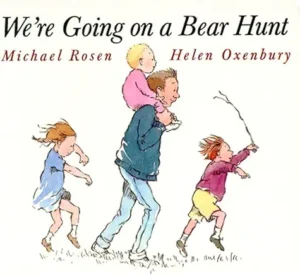
This absolute classic is a masterclass in rhythm, repetition, and joyful group exploration. Moreover, it is practically impossible to read this book without smiling and chanting along.
The watercolor illustrations beautifully shift between soft black-and-white pages and vibrant, full-color spreads. Consequently, this visual shift perfectly matches the rising excitement of the journey.
What kids notice: They constantly anticipate the famous, rhythmic sound effects like “swish swash” and “squelch squerch.”
Story snapshot: A brave family sets out across the countryside to find a real bear. Furthermore, they encounter several big natural obstacles like a deep river and a dark forest.
Instead of turning around, they bravely chant that they cannot go over it or under it, so they must go through it. Eventually, they find a bear and excitedly run all the way back home to safety.
Why this book helps: Most importantly, it teaches children a massive lesson about resilience during exploration. When you face an obstacle on the road, you simply have to go through it.
Furthermore, it shows that exploration is allowed to be a little bit scary. However, having a safe home base to return to makes the scary moments feel like a fun adventure.
Sam and Dave Dig a Hole by Mac Barnett
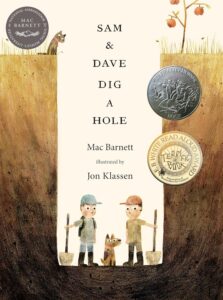
This brilliant book uses dry humor and visual irony to explore the concept of seeking a big discovery. For instance, the text says one thing while the pictures tell a completely different, hilarious story.
It is a quiet, quirky book that perfectly captures the stubborn determination of childhood. Moreover, the muted earth tones keep the focus entirely on the boys’ monumental effort.
What kids notice: They absolutely love screaming at the pages when the boys narrowly miss digging up giant, spectacular diamonds.
Story snapshot: Two friends decide to dig a massive hole in the dirt until they find something spectacular. Consequently, they dig down, sideways, and all around, barely missing incredible treasures every single time.
Eventually, they dig so far that they fall all the way through the earth. Furthermore, they land back in a place that looks exactly like home, but it is subtly, magically different.
Why this book helps: Above all, it celebrates the pure act of exploring, rather than just the final reward. The boys do not find the diamonds, but they still feel they did something spectacular.
Furthermore, it shows that the journey itself is the true achievement. Therefore, it gently shifts a child’s focus away from needing a perfect outcome when trying something new.
Harold and the Purple Crayon by Crockett Johnson
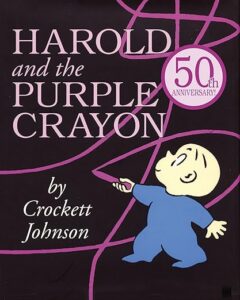
This timeless story is the ultimate tribute to carving out your own path in a blank world. For instance, it strips away all distractions to focus entirely on one boy and his single crayon.
The simple purple line art is deeply iconic and instantly recognizable. Furthermore, the minimalist style leaves endless room for your child’s own bustling imagination to take over.
What kids notice: They are fascinated by how Harold draws his own solutions to problems, like sketching a boat when he falls into water.
Story snapshot: A little boy named Harold decides to go for a walk in the moonlight. However, there is no moon and no path, so he simply draws them himself.
He bravely navigates scary forests, deep oceans, and high mountains by sketching his way through them. Consequently, he explores an entire universe before finally drawing his own bed and going to sleep.
Why this book helps: Most importantly, it shows children that they hold the power to shape their own surroundings. If the world feels empty or scary, they can use their creativity to change it.
Furthermore, Harold never panics when he gets lost on his journey. Instead, he calmly uses his tools and his wits to create a safe way forward, which models perfect self-reliance.
Flashlight by Lizi Boyd
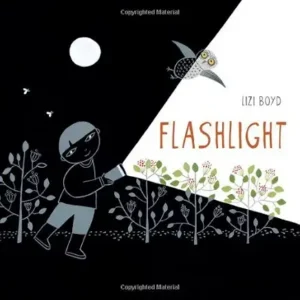
This gorgeous, wordless book explores the magic of the natural world after the sun goes down. Furthermore, it turns a typically scary environment into a place of quiet wonder.
The pages are mostly dark, with bright, colorful cut-outs showing only what the flashlight beam touches. Consequently, it creates a deeply immersive, highly focused reading experience.
What kids notice: They love finding the hidden, nocturnal animals illuminated by the bright beam of light on every page.
Story snapshot: A young boy steps out of a cozy tent into the pitch-black woods with only a flashlight. Furthermore, he begins to explore the dark, illuminating bats, owls, and mice.
Eventually, he drops the flashlight on the ground. However, the woodland creatures gently pick it up and use it to shine a comforting light back onto the boy.
Why this book helps: First and foremost, it directly combats the common childhood fear of the dark. It reframes the nighttime as a secret, exciting world just waiting to be gently discovered.
Furthermore, it teaches the virtue of quiet, respectful observation in nature. Therefore, it encourages kids to be brave, curious stewards of the environment when they step outside.
The Nowhere Box by Sam Zuppardi
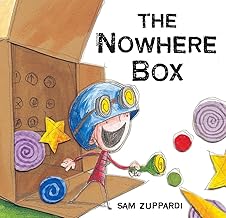
This relatable story perfectly captures the overwhelming feeling of needing an escape from a busy house. For instance, it shows how exploration can sometimes happen entirely in your own backyard.
The art style is wonderfully energetic, messy, and expressive. Moreover, it perfectly mirrors the chaotic feelings of a younger sibling trying to find some quiet space.
What kids notice: They deeply relate to George’s frustration with his loud, invasive older brothers who ruin his games.
Story snapshot: George is completely tired of his older brothers constantly taking over his toys and his space. Consequently, he finds a large, empty cardboard box and turns it into a magical ship.
He travels to “Nowhere,” a place where he is the only explorer and there are no brothers allowed. However, after enjoying the peace, he realizes that exploring is actually better when shared.
Why this book helps: Above all, it validates a child’s very real need for solitude and personal space. It shows that stepping away to explore your own thoughts is a healthy choice.
Furthermore, it gently reminds them that independence does not mean you have to stay isolated forever. Therefore, it strikes a beautiful balance between self-reliance and family connection.
Du Iz Tak? by Carson Ellis
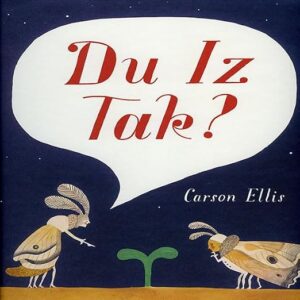
This entirely unique book requires a very special kind of linguistic exploration from the reader. For instance, the entire story is written in a completely made-up bug language.
The illustrations are incredibly detailed, showing a miniature world hidden in the tall grass. Furthermore, the visual clues are absolutely essential for decoding the strange, wonderful text.
What kids notice: They love trying to translate the funny bug language and giggling at the silly, made-up words.
Story snapshot: A group of curious insects discovers a tiny green shoot sprouting from the ground. Consequently, they watch it grow into a massive, beautiful flower and build a fort inside it.
They must defend their new home from a large spider before the seasons finally change. Furthermore, the book ends with a new shoot appearing, starting the wonderful cycle all over again.
Why this book helps: Most importantly, it turns the act of reading into an active puzzle to be boldly solved. Children must explore the context clues on the page to figure out what is happening.
Furthermore, it encourages kids to look closely at the tiny, overlooked details in their own backyards. Therefore, it proves that you do not need to travel far to find a vastly different world.
Put Your Child in the Heart of the Story
Sometimes, the greatest adventures are the ones where your child actually sees their own face on the page. Furthermore, personalized stories can make the scary unknown feel deeply safe and familiar.
With Scrively, you can easily create a 100% custom children’s book that places your child right in the middle of the action. For instance, you can cast them as the brave explorer finding a new path.
Most importantly, these custom books are designed to specifically address your child’s unique fears or hesitations. Consequently, you can give them the exact literary roadmap they need to feel confident.
A Final Word on Nurturing the Explorer
Raising a brave explorer does not mean pushing them out the door before they are fully ready. However, it does mean keeping the door wide open for when they finally feel curious.
Furthermore, every small step outside their comfort zone is a massive victory worth celebrating. Books provide a completely safe, warm environment to practice taking those very first steps.
Above all, remember that your supportive presence is the anchor that allows them to wander. Therefore, keep reading, keep encouraging, and watch their beautiful world begin to expand.