Imagination Unleashed: The Best Books for 3-Year-Olds Who Dream Big
Your 3-year-old is living in a season of pure magic. The couch? It’s a pirate ship. The laundry basket? Obviously a race car.
Their mind is a nonstop generator of big, wild, wonderful ideas. And here’s the best part: books don’t just keep up with that imagination—they supercharge it.
When you share stories with your child, you’re not just filling time before bed.
You’re handing them new words for their big ideas, new worlds to explore, and new characters to befriend.
At three, they’re at the perfect age to fall in love with books that stretch creativity and spark play long after you’ve closed the cover.
So let’s dive into some of the best books for 3-year-olds with big imaginations. These aren’t just entertaining stories—they’re fuel for creativity, joy, and growth.
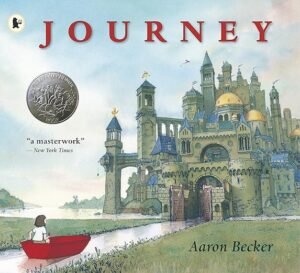
Journey — Aaron Becker
This is a book with no words—just stunning illustrations that pull your child straight into an adventure.
A lonely girl draws a red door, steps through it, and discovers a breathtaking world full of castles, boats, and daring escapes. Every page feels like a portal.
Why kids love it: They get to make up the dialogue, fill in the gaps, and tell their version of the story. No two readings are the same.
Perfect for: Kids who love to spin their own stories, even if they can’t read the words yet.
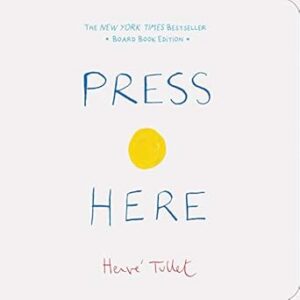
Press Here — Hervé Tullet
This interactive book is like a game in print. Dots bounce, multiply, and move across the pages depending on what your child does—press, tilt, clap, or blow.
Suddenly, reading turns into a hands-on adventure where your child makes the magic happen.
Why kids love it: Because they’re in charge. They get to make things change with their own hands, which feels a little like wizardry.
Perfect for: Wiggly kids who can’t sit still but love to play along.
The Book With No Pictures — B.J. Novak
No pictures. Not even one. Instead, this book forces the adult reading it to say every ridiculous word on the page—no matter how silly it sounds.
Prepare yourself to say “BLORK” and “Boo Boo Butt” with a straight face. Spoiler: you won’t be able to.
Why kids love it: Watching a grown-up sound completely ridiculous is peak comedy for a 3-year-old. They’ll ask for it again. And again. And again.
Perfect for: Family read-alouds that end in uncontrollable giggles.
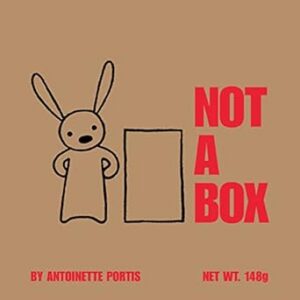
Not a Box — Antoinette Portis
A bunny has a box. Except…it’s not a box. It’s a racecar, a robot, a mountain peak.
With simple words and playful drawings, this story mirrors exactly what your child does every day: transforms ordinary things into extraordinary adventures.
Why kids love it: They see themselves in the bunny. Finally, someone gets it—this really isn’t just a box!
Perfect for: Inspiring creative play with cardboard boxes, blankets, and household odds and ends.
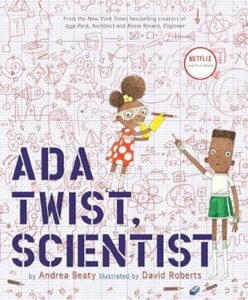
Ada Twist, Scientist — Andrea Beaty
Ada is a little girl with big questions. Why does the world work the way it does? How do things smell, bubble, or break?
She investigates through hilarious experiments and plenty of messes, showing that curiosity is the heart of discovery.
Why kids love it: Ada’s endless “whys” are just like theirs. Plus, the rhyming text makes it fun to listen to again and again.
Perfect for: Curious kids who can’t stop exploring (and parents who want to cheer them on).
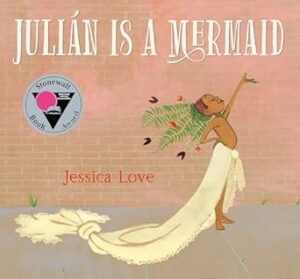
Julian Is a Mermaid — Jessica Love
On a subway ride, Julian sees women dressed as mermaids and dreams of becoming one himself.
With bold, expressive illustrations, the story celebrates imagination, self-expression, and the joy of becoming exactly who you want to be.
Why kids love it: The lush pictures feel like stepping underwater. And Julian’s transformation is pure magic.
Perfect for: Kids who love dressing up, pretending, and creating their own identities.
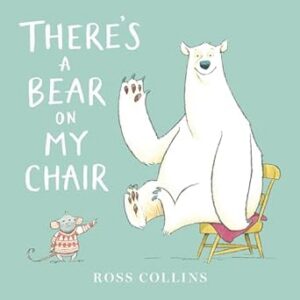
There’s a Bear on My Chair — Ross Collins
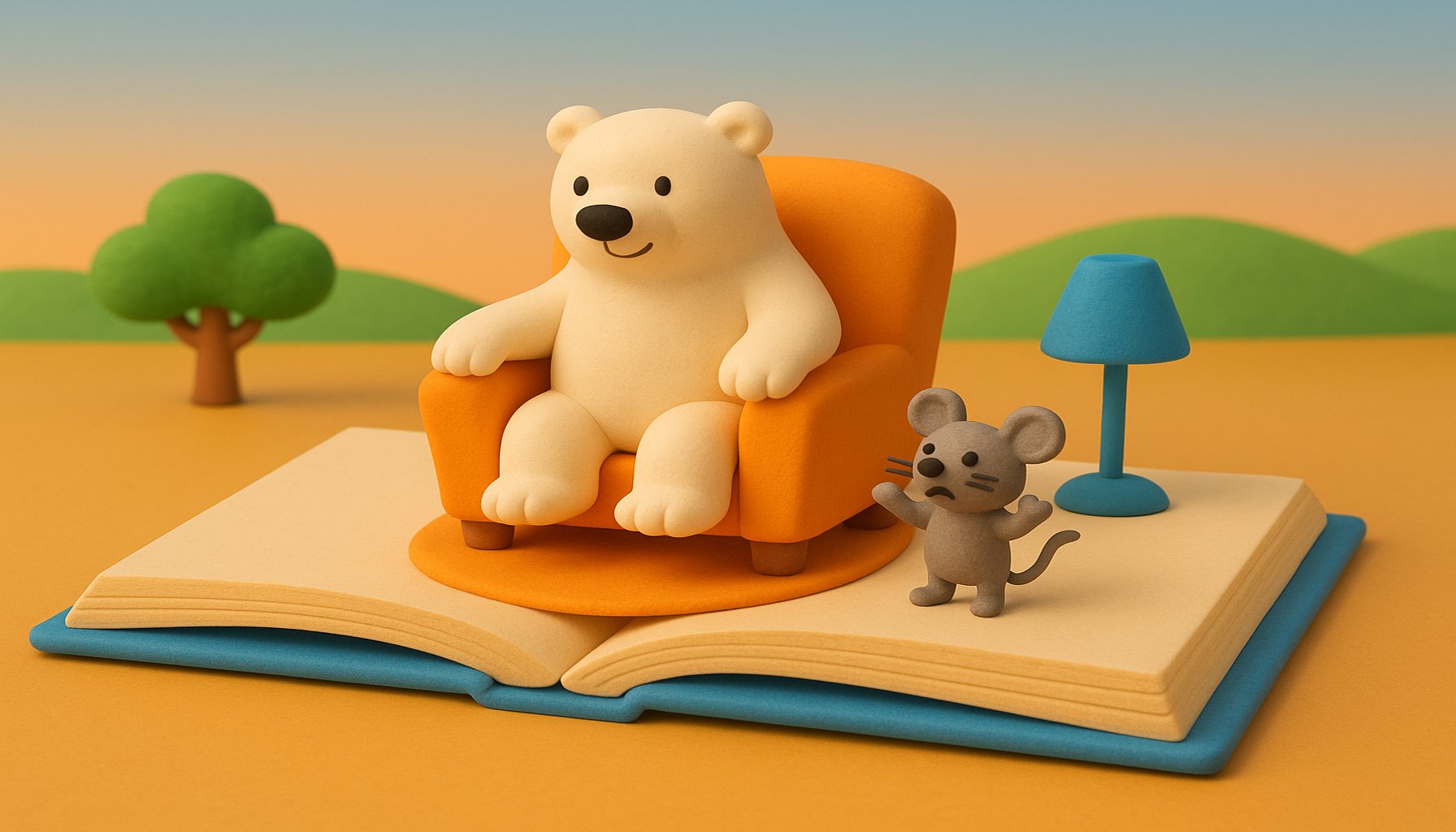
A tiny mouse and a huge polar bear battle it out for the same chair. The rhymes are snappy, the faces are expressive, and the back-and-forth feels like a comedy skit. By the last page, everyone’s laughing.
Why kids love it: The rhymes are funny, the mouse is feisty, and the bear’s nonchalance is hilarious.
Perfect for: Kids who thrive on rhythm, rhyme, and humor.
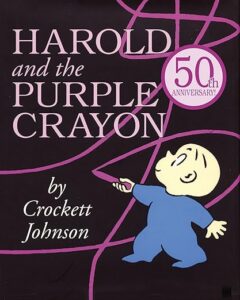
Harold and the Purple Crayon — Crockett Johnson
Harold wants to go for a walk, so he draws one.
With his trusty purple crayon, he sketches forests, mountains, and adventures into existence. A timeless classic, this story shows just how far a little imagination (and a crayon) can go.
Why kids love it: Harold makes the world bend to his imagination—something they already feel capable of.
Perfect for: Bedtime stories that inspire quiet creativity and dreaming big.
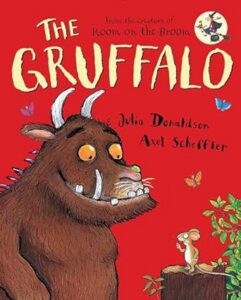
The Gruffalo — Julia Donaldson
A clever little mouse outsmarts predators in the forest by inventing a terrifying creature called the Gruffalo.
The rhyming text builds suspense until—plot twist—the Gruffalo is real. And the mouse has to think fast again.
Why kids love it: The rhymes are fun to chant, the Gruffalo is both scary and silly, and the mouse is a tiny but mighty hero.
Perfect for: Kids who love a little suspense, a lot of rhyme, and a clever ending.
Storytime Tips for Imaginative Kids
- Pick books with open-ended plots so kids can invent their own twists.
- Look for rich illustrations—3-year-olds “read” pictures as much as words.
- Invite your child to act out the story with toys, costumes, or voices.
- Let them “read” the book back to you, even if they just make it up.
- Pause mid-story and ask, “What do you think happens next?”
Create Your Own Adventure Book
Why stop at reading? You can co-create a story with your child. Let them be the author, illustrator, and director of their own adventure.
It’s not only fun—it’s a way to show them their imagination matters.
- Let them pick a main character: themselves, a favorite toy, or even the family pet.
- Ask where the adventure takes place: outer space, under the sea, or in grandma’s backyard.
- Draw simple pictures together, or cut and paste from old magazines.
- Add “plot twists” by asking, “Oh no! What happens when the dragon sneezes?”
Fuel their imagination with Scrively. Unlimited stories. Unlimited adventures.
Remember this: when you read with your child, you’re not just filling their head with words. You’re helping them shape how they dream, how they play, and how they see the world.
At three, everything is possible—and the right story can make it feel even more so. Happy imagining!