The Story That Isn’t Yours to Tell: Kids Books About Privacy
A friend tells your child why they missed school. At dinner, the whole explanation tumbles out. Your child may be trying to connect, yet the friend never chose that audience. These children’s books about privacy offer a gentle way to practice pausing before someone else’s experience becomes a story to share.
Discretion grows through small moments: asking before showing a photograph, leaving a closed notebook alone, or letting a classmate explain their own family. Children need more than “don’t tell.” They need language for noticing whose information it is and checking what that person wants.
Keep one distinction clear throughout these conversations. Privacy never requires children to hide harm, unsafe behavior, or a safety concern from a trusted adult. They can ask for help even after promising silence. A child who tells, waits to tell, or struggles to find words is not to blame for someone else’s harmful behavior.
The books below approach this theme from different directions. Some explore personal space directly; others open conversations about gossip, unwanted attention, or deciding what to reveal. Read with curiosity rather than turning every page into a lesson. A simple “What could they ask first?” often opens more thinking than a lecture.
Children’s Books About Privacy, Permission, and Other People’s Stories
Privacy, Please! by Lorrie Faith Cranor
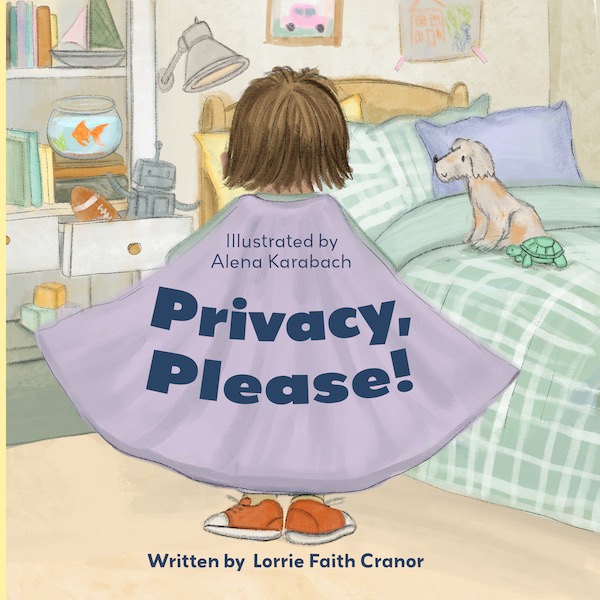
Illustrated by Alena Karabach, this picture book gives young children an accessible starting point for understanding privacy. Everyday choices about space and personal information make an abstract word feel familiar. It is particularly useful for preschool and early primary conversations.
What kids notice: Wanting a little space does not mean rejecting people. A child can enjoy company and still have thoughts, belongings, or moments they prefer to keep to themselves.
Story snapshot: The book introduces privacy through recognizable experiences rather than a mystery to solve. Its child-centered approach makes room for talking about boundaries around everyday life.
Why this book helps: Start with your own example: ask before sharing your child’s drawing or photograph. Then practice a specific question such as, “May I show Grandma this picture?” Permission for one audience does not automatically mean permission for everyone.
The Suitcase by Chris Naylor-Ballesteros
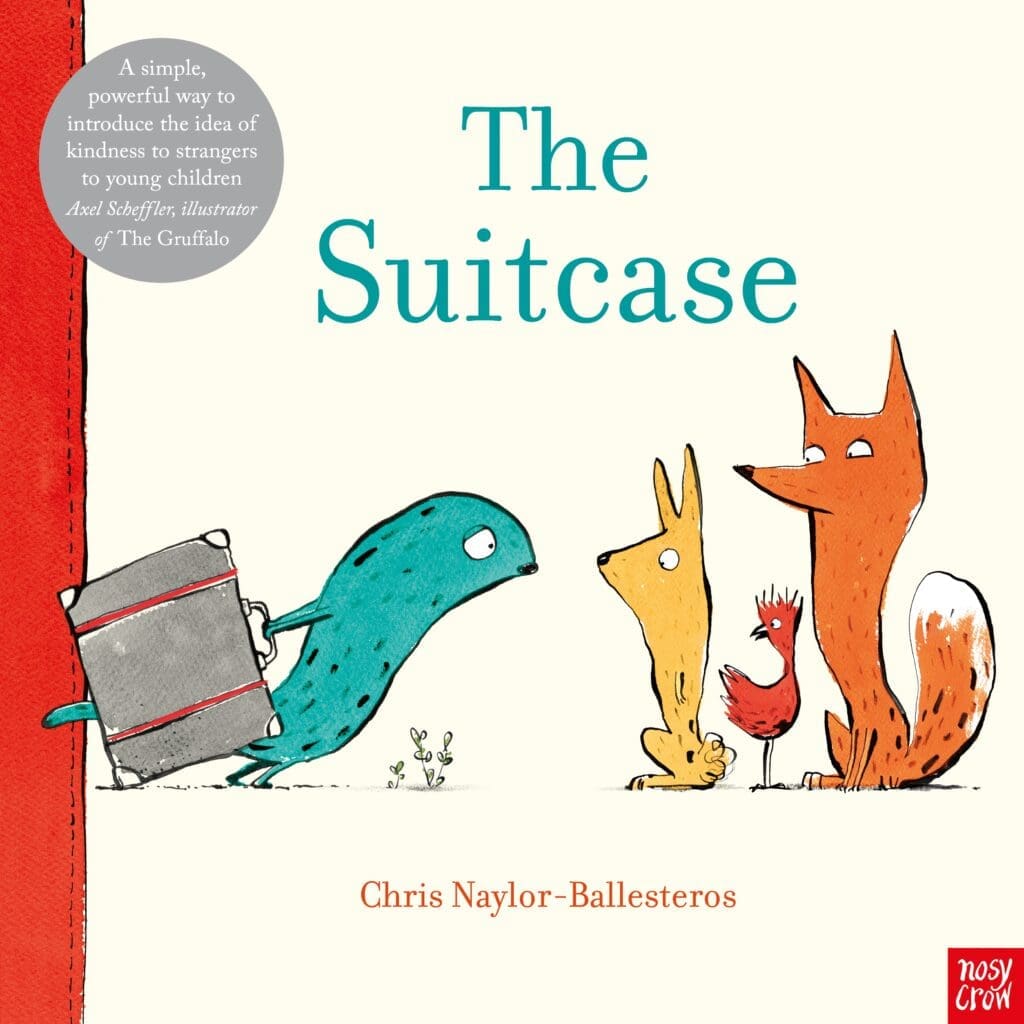
Chris Naylor-Ballesteros both writes and illustrates this tender picture book about a tired stranger arriving with a suitcase. Its central themes are welcome and displacement. Alongside those themes, it gives families a concrete moment to consider the difference between curiosity and permission.
What kids notice: The newcomer’s belongings carry meaning the other animals cannot understand simply by looking. Someone can have a rich history without being ready to explain it.
Story snapshot: Doubting the stranger’s description, the animals break into the suitcase. A photograph helps them understand what has been lost, and they work together to offer a welcome.
Why this book helps: The kind ending need not excuse opening someone’s belongings. Ask what the animals could have done before looking inside. Children can offer a seat, a game, or companionship without demanding another person’s whole story in return.
#Goldilocks: A Hashtag Cautionary Tale by Jeanne Willis
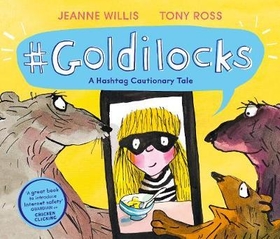
Jeanne Willis and illustrator Tony Ross bring Goldilocks into a world of online attention. The familiar fairy-tale setting gives children some distance from a very current question: does a moment becoming interesting make it ours to post?
What kids notice: The excitement of getting attention can crowd out thinking about the people affected. A funny picture for one person may reveal someone else’s private space.
Story snapshot: Goldilocks pursues online popularity, and her adventures in the bears’ house become material to share. Her posts help bring consequences into view.
Why this book helps: Connect the story to ordinary family sharing, even if your child has no account. Ask before sending a friend’s picture to a group. Talk about the person, the image, and the audience separately; being allowed to take a photo does not settle where it may go.
The Berenstain Bears Truth About Gossip by Jan and Mike Berenstain
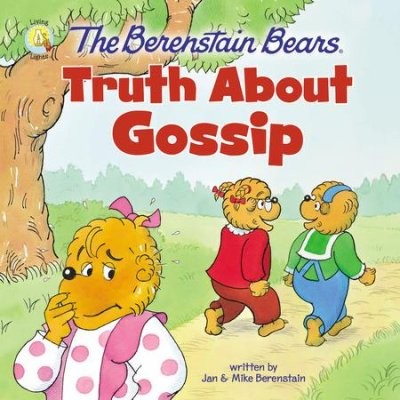
This picture book belongs to the Christian Living Lights series, which may help families decide whether it suits their reading shelf. Jan and Mike Berenstain use the familiar Bear family to explore the appeal of gossip and the hurt it can cause.
What kids notice: Knowing something about another person can briefly feel like being important. The feeling changes when the talk turns toward you.
Story snapshot: Sister Bear gets caught up in talking about others. When she becomes the subject of gossip herself, the experience brings its effect on other people closer to home.
Why this book helps: Go beyond checking whether a claim is true. Something true can still be private or unkind to repeat. Practice a gentle way out: “Let’s talk about something else.” If a child is worried about harm, seeking adult help is a different and appropriate kind of telling.
You’re SO Amazing! by James and Lucy Catchpole
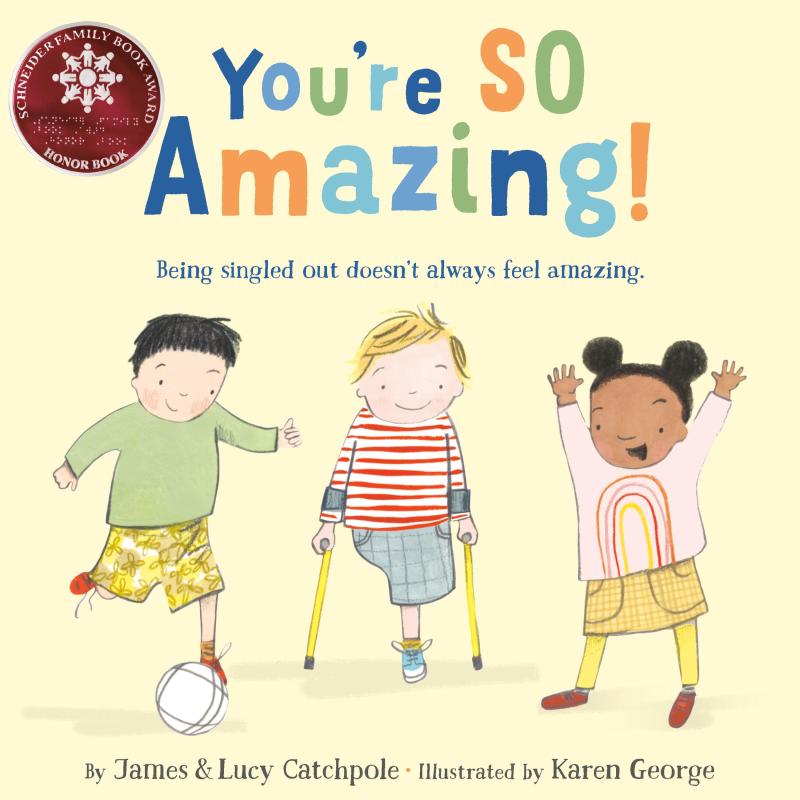
Illustrated by Karen George, this picture book follows Joe and his friend Simone on the playground. It is about disability and the spotlight of other people’s praise, rather than secret-keeping. That makes it a thoughtful companion for discussing who gets to define someone’s story.
What kids notice: Praise can feel uncomfortable when it sets someone apart for ordinary things. Joe wants room to play and be himself, without every moment becoming a performance.
Story snapshot: As Joe and Simone practice playground tricks, attention keeps falling on “amazing” Joe. He tries to give Simone a chance to be the star, while the story questions the special attention directed at him.
Why this book helps: Ask whether kind intentions always tell us what another person wants. Encourage children to enjoy their friend’s company without making the friend an inspiring story for an audience. Listening to what someone says about themselves is a useful place to begin.
Not So Different: What You Really Want to Ask About Having a Disability by Shane Burcaw
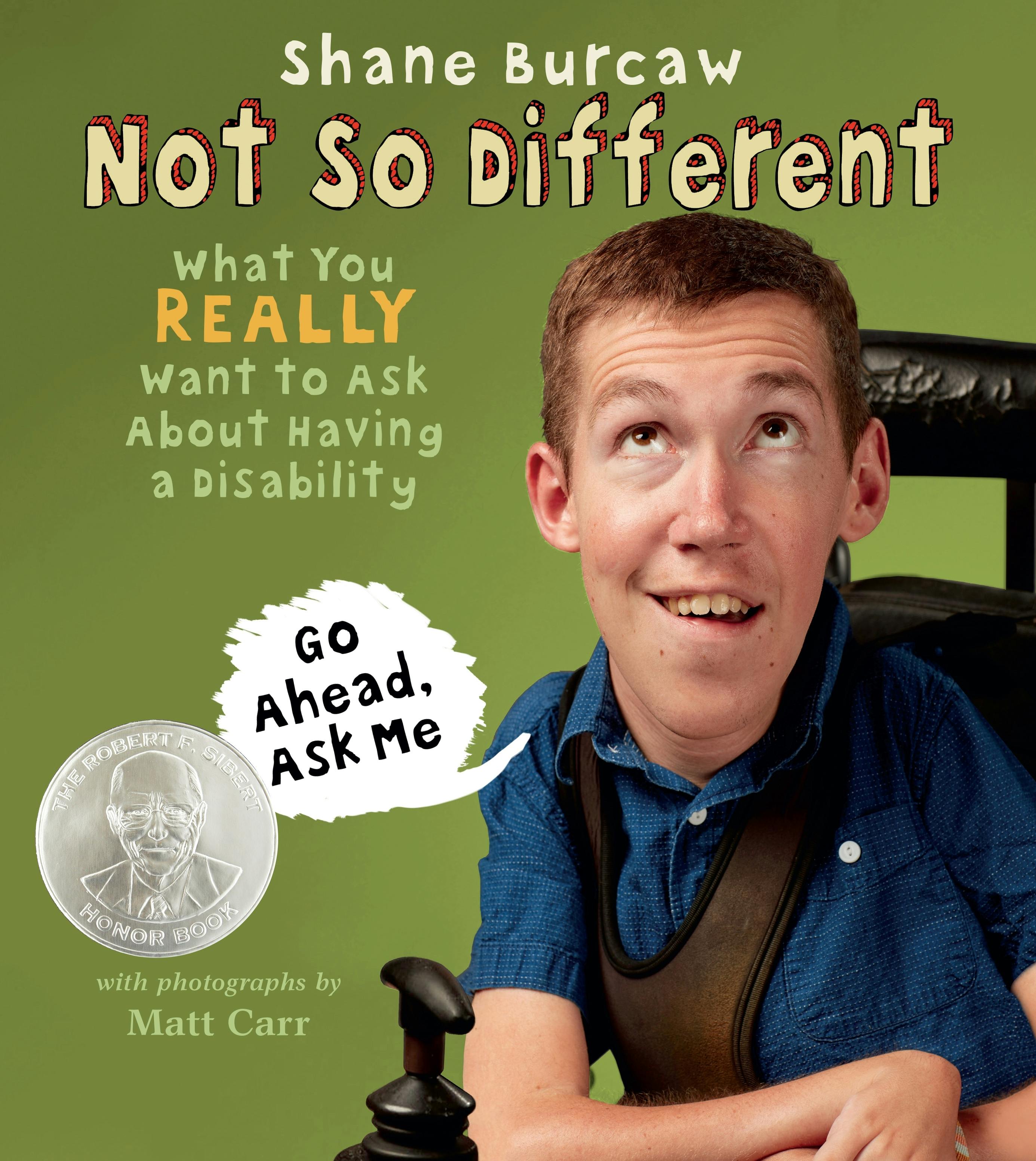
Shane Burcaw’s nonfiction picture book uses photographs by Matt Carr to introduce his life with spinal muscular atrophy. Humor and everyday details sit beside explanations of his wheelchair and the assistance he uses. It suits conversations with school-age children who are beginning to ask more detailed questions.
What kids notice: The person answering is a person with interests, relationships, and preferences. Medical information is only part of a life.
Story snapshot: Burcaw answers questions about his body and daily routines, while sharing familiar pleasures and activities. The photographs help readers see the individual doing the explaining.
Why this book helps: Point out that Burcaw chose what to share in a book. Another person with a disability owes nobody the same answers. Use a willing author’s explanation as a learning resource instead of asking a classmate to explain private details or speak for everyone.
The Eyemonger by Daniel J. Solove
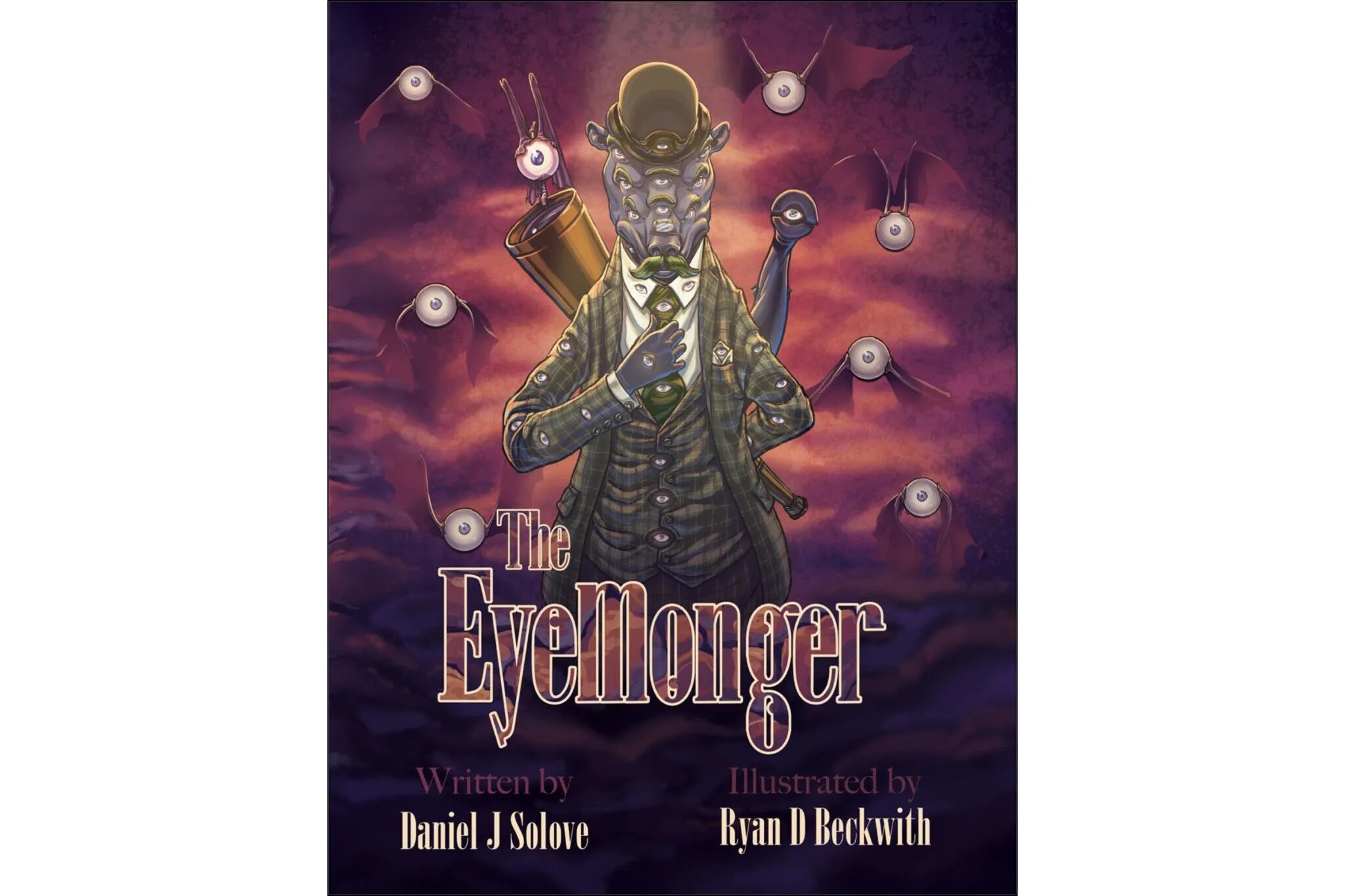
Illustrated by Ryan D. Beckwith, this fantasy picture book imagines a town watched by a visitor with many eyes. It works best with children ready for a more abstract discussion of privacy. Caregivers may want to preview the many-eyed imagery before sharing it with sensitive readers.
What kids notice: Constant observation can change what people feel free to try. Privacy can protect playful thinking and creativity, as well as personal information.
Story snapshot: The Eyemonger offers safety while watching the town. As its gaze reaches into everyday life, the story explores what people lose when they no longer have room away from observation.
Why this book helps: Keep the conversation close to home: “Would you want everyone watching every rough draft?” A child can value a grown-up’s help while still wanting space to practice. Respecting that space also means letting friends decide when their unfinished work is ready to show.
Harriet the Spy by Louise Fitzhugh
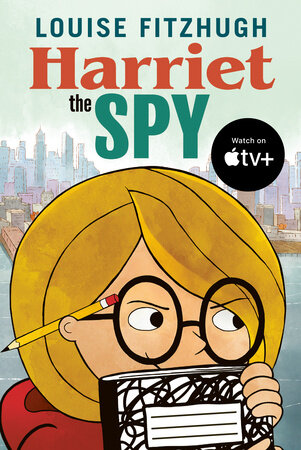
For older readers, roughly ages eight to twelve, Louise Fitzhugh’s novel offers a more complicated discussion. This is a longer chapter book rather than a picture book. Harriet’s habits as an observer raise questions that do not fit neatly into a single rule.
What kids notice: A private notebook and the privacy of the people described in it both matter. Being curious or honest does not erase the impact of what someone writes.
Story snapshot: Harriet records sharp observations about people around her, including her friends. When her notebook is read, those observations hurt people and disturb her friendships.
Why this book helps: Ask two separate questions: what was wrong with reading the notebook, and what responsibility does Harriet have for her words? Children can recognize more than one boundary at once. With older readers, extend the discussion to screenshots and forwarding messages that were meant for a smaller audience.
Put Your Child in the Heart of the Story
A personalized story can give your child a low-pressure place to rehearse discretion. Imagine a character with your child’s name finding a friend’s unfinished drawing. The turning point could be wonderfully small: instead of showing everyone, the character asks whether the friend wants an audience.
With Scrively, you can bring your child’s interests into that kind of everyday adventure. A dinosaur-loving artist or a space-loving explorer can practice the same pause. Keep the situation ordinary and playful; a story about sharing artwork should never become an exercise in inventing frightening secrets.
After reading, offer a chance to try the words in real life. Ask permission before sharing something of your child’s, and accept the answer when you can. Children learn that boundaries matter when adults treat their choices with care.
Let Someone Else Hold the Pen
Discretion is not a demand for perfect silence. It is the growing ability to pause, notice another person’s wishes, and choose an audience thoughtfully. Your child will sometimes forget. A quiet reminder and a chance to repair can teach more than public embarrassment.
Keep returning to a reassuring message: we can respect someone’s privacy and still ask for help when safety is involved. A friend’s ordinary personal story can wait for their permission. A worry about harm can go to a trusted adult. With practice, children can become friends who listen warmly, share carefully, and leave room for others to speak for themselves.