
If Daily Routines Feel Hard, These Books Make Them Easier
You know the moment.
The slow-motion morning where one sock is missing, breakfast is half-eaten, and somehow no one is dressed yet.
Or bedtime, when water requests multiply and the hallway suddenly feels very important.
Or that after-school hour when everyone is home but no one quite knows what comes next.
Routines sound simple when adults describe them. Brush teeth. Put on pajamas.
Pack your backpack. But to a child, routines are layered. They involve memory, sequencing, emotional regulation, and transitions that don’t always feel voluntary.
Resistance doesn’t mean defiance. Distraction doesn’t mean laziness. Often, it simply means the day feels bigger than their skills.
What routines really build is predictability. And predictability builds safety. When your child knows what comes next, their nervous system can settle. The day begins to feel less chaotic and more anchored.
Books help because they rehearse the rhythm of the day. They show children characters moving from one step to the next.
They make the ordinary feel patterned and possible. And when that rhythm is read over and over again, it begins to stick.
Books That Gently Model Daily Rhythms
Brush, Brush, Brush! by Alicia Padron
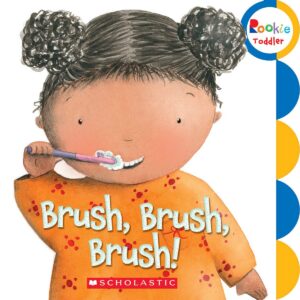
This simple story centers on toothbrushing. A small routine. A short window of time. A big point of resistance in many homes.
The language is upbeat and rhythmic. Brushing becomes something expected and doable rather than negotiable or dramatic.
What kids notice in this story
They understand that brushing is part of every day. They see it happen in a clear order. They begin to anticipate it instead of resisting it.
The Pigeon Has to Go to School! by Mo Willems
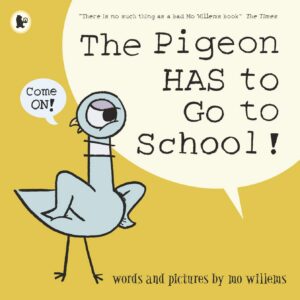
The Pigeon is certain school is unnecessary. He argues. He negotiates. He spirals into worry.
The routine of getting ready for school becomes the backdrop for his emotional resistance. Yet the day unfolds. The bus arrives. School happens. The predictable arc wins over anxiety.
What kids notice in this story
They see that nerves are normal before transitions. They notice that the day keeps moving forward. They begin to trust that new routines become familiar over time.
The Going to Bed Book by Sandra Boynton

This playful board book moves through a silly but clear bedtime sequence. Animals bathe, brush, exercise, and settle into bunks aboard a rocking boat.
The rhythm is lighthearted, but the order is clear. One thing leads to the next. Even when the boat sways, the steps don’t disappear. The predictability feels soothing rather than strict.
What kids notice in this story
They recognize that bedtime follows a pattern. They see that everyone participates. They begin to internalize that routines can feel playful and steady at the same time.
How Do Dinosaurs Say Goodnight? by Jane Yolen

This story imagines dinosaurs testing the edges of bedtime. Slamming doors. Throwing fits. Roaring protests. Then shifting toward calmer choices.
The contrast makes the routine visible. Children see exaggerated resistance followed by gentle compliance. The message isn’t moralistic; it’s reassuring. Even wild moments settle into the same ending each night.
What kids notice in this story
They understand that stalling is common. They see that routines continue anyway. They sense that bedtime isn’t about perfection, but about coming back to calm.
Time for School, Little Blue Truck by Alice Schertle
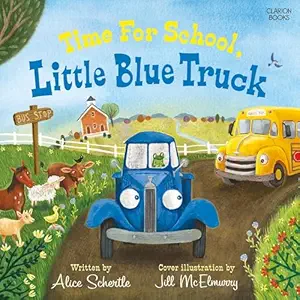
Little Blue Truck moves through the steps of preparing for school. Waking up. Getting dressed. Heading out.
The story celebrates each part of the process. It doesn’t rush. It doesn’t shame. It simply models forward motion from one task to the next.
What kids notice in this story
They recognize the sequence of a school morning. They see that each step belongs. They absorb that mornings can feel organized instead of rushed.
The Very Busy Spider by Eric Carle

Throughout the day, animals invite the spider away from her work. She keeps spinning her web.
Though not about bedtime or brushing teeth, this story models sustained daily effort. The spider follows her task through morning, afternoon, and evening. The rhythm of repetition builds toward completion.
What kids notice in this story
They observe that staying with a task creates results. They see the day moving forward in order. They begin to connect consistency with accomplishment.
Nighty-Night by Leslie Patricelli

This board book follows a toddler moving through bedtime steps. Bath. Pajamas. Stories. Bed.
The tone is calm and predictable. Each page mirrors what many families already do. The comfort comes from repetition and recognition.
What kids notice in this story
They recognize their own routine reflected back to them. They see the same steps each night. They begin to associate bedtime with familiarity.
Pete the Cat and His Four Groovy Buttons by Eric Litwin

Pete moves through his day as buttons pop off one by one. Instead of unraveling, he keeps singing.
While not about brushing teeth or packing backpacks, this story models emotional steadiness through change. The rhythm of Pete’s song mirrors the rhythm routines can create in daily life.
What kids notice in this story
They learn that not every disruption breaks the day. They see how staying steady keeps routines intact. They begin to internalize calm persistence.
Routines Grow Through Repetition
You don’t build a smooth morning in one week.
You build it in layers. The same steps. The same language. The same expectations. Repeated gently enough that they start to feel familiar instead of forced.
When your child knows what comes next, their emotional regulation strengthens. Transitions soften. The day begins to feel structured in a way that supports rather than pressures.
Reading routine-themed books before introducing a new schedule can help. A new school year. A shifted bedtime. A change in childcare. Stories create rehearsal space before real-life practice begins.
When You Want Your Child to See Themselves in the Routine
Sometimes the most powerful story is the one where your child is the main character.
Wtih Scrively, you can create personalized stories where your child moves confidently through daily routines.
Seeing themselves brush their teeth, pack their bag, or settle into bed in a calm narrative builds quiet confidence.
It’s not about enforcing a schedule. It’s about helping them picture success in a way that feels safe and empowering.
Routines Are About Comfort, Not Control
If mornings feel messy right now, you’re not behind.
If bedtime still stretches longer than you’d like, you’re not failing.
Routines take repetition. They take modeling. They take patience. But over time, predictability becomes a gift you give your child every single day.
When the rhythm of the day feels steady, children relax into it.
And that steadiness becomes the quiet foundation for independence, focus, and emotional balance.