Is Your Child Quick to Anger? These Books Help Them Slow Down
You’ve seen it happen fast.
A toy gets grabbed. A game is lost. A sibling says something sharp. Or you announce it’s time to leave the park.
And just like that, the storm rolls in.
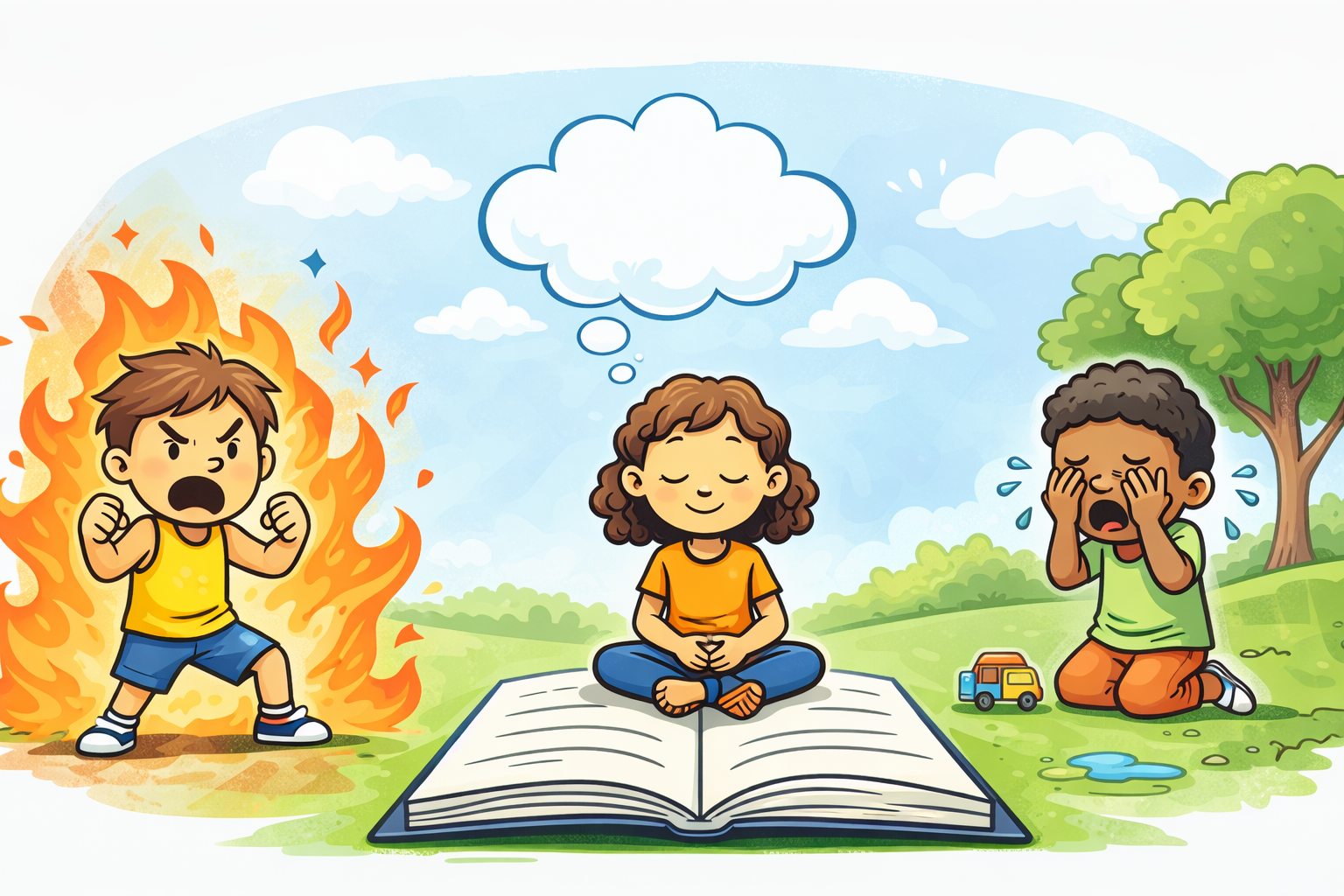
Your child’s face tightens. Their voice rises. Maybe they yell. Maybe they stomp. Maybe they burst into tears. Sometimes they shut down completely.
Anger moves quickly. It feels protective. It shows up before logic has a chance to catch up.
At this age, your child is not trying to be difficult. Instead, they are still learning what to do with a feeling that feels enormous inside a small body.
Calming down is not a switch they flip. It’s a skill they build over time.
Why Books Help Kids Practice Calm
Stories give your child a safe rehearsal space.
They get to watch anger unfold without shame. They see characters lose control, step away, breathe, cry, and eventually return.
Because of this, books let children practice calm long before they can manage it perfectly in real life.
When you read these stories again and again, the patterns begin to stick.
Here are books that meet anger gently and show your child how to move through it.
Anh’s Anger by Gail Silver
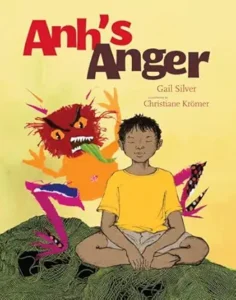
After a difficult moment at school, Anh’s anger grows into a physical creature that follows him everywhere.
Instead of fighting it, Anh learns to sit quietly with it. He notices it. He feeds it kindness. Slowly, the creature shrinks.
This story shows that paying attention to anger can make it smaller.
What kids notice in this story
They notice that anger does not have to be pushed away. They see that quiet moments help. They understand that feelings change when you stay with them.
Ravi’s Roar by Tom Percival
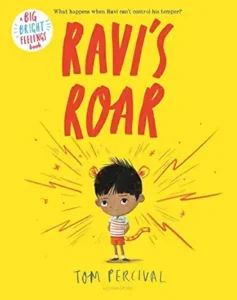
Ravi feels small when his cousin wins a game. Suddenly, he transforms into a roaring tiger. He lashes out at everyone nearby.
This exaggeration feels familiar to many children. Anger can make you act bigger than you mean to.
Eventually, Ravi realizes he does not want to stay a tiger. He wants connection. So he repairs the damage.
What kids notice in this story
They notice that anger can make you feel powerful. They see that you can come back from it. They understand that saying sorry is part of calming down.
The Way I Feel by Janan Cain
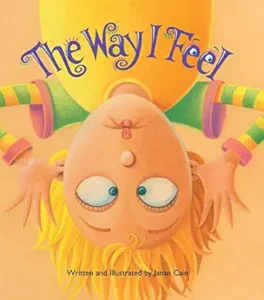
This classic book names emotions clearly, including anger.
The language is simple. The illustrations are expressive. Most importantly, anger is described without judgment.
It is a feeling that happens. And like all feelings, it changes.
What kids notice in this story
They notice that feelings have names. They see that anger is normal. They begin to recognize it before it spills over.
I Was So Mad by Mercer Mayer
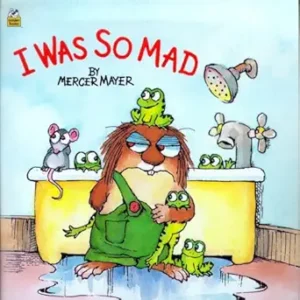
Little Critter has one of those days where everything feels unfair.
Small frustrations stack up. Soon, he is very mad.
The story feels familiar and even funny. It captures the everyday irritations that often lead to bigger reactions.
What kids notice in this story
They notice that little things can add up. They see themselves in the unfair moments. They feel understood instead of corrected.
Cool Down and Work Through Anger by Cheri J. Meiners
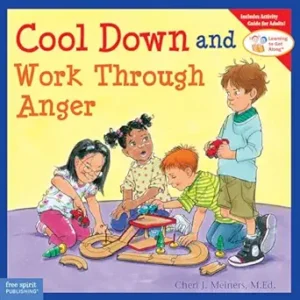
This book introduces simple ways children can pause when anger rises.
It shows breathing. It shows stepping away. It shows asking for help.
The tone stays calm and reassuring.
What kids notice in this story
They notice that other kids feel this way too. They see small steps that look possible. They understand that calming down can be practiced.
Grumpy Monkey by Suzanne Lang
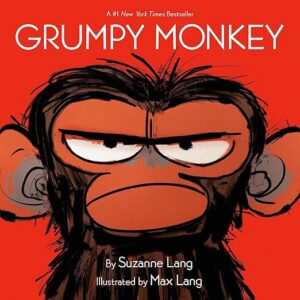
Jim Panzee wakes up in a bad mood. The other animals insist he should smile or cheer up. However, the more they try to fix him, the grumpier he becomes.
This story works because it feels honest. Jim does not calm down because someone forces positivity on him. Instead, he calms down after he is allowed to feel what he feels.
Sometimes anger softens when it is not rushed.
What kids notice in this story
They notice that sometimes you are just grumpy. They see that being told to “just be happy” doesn’t help. They feel relief in knowing feelings do not have to disappear immediately.
The Color Monster by Anna Llenas
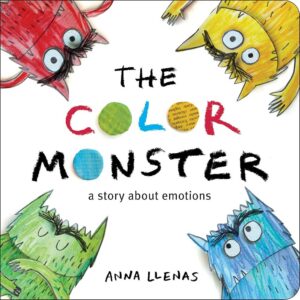
This gentle story turns emotions into colors. Anger appears as bold red scribbles that feel wild and messy.
However, when the Color Monster sorts his feelings one by one, they become easier to understand.
Anger is not scary here. It is simply one color among many.
What kids notice in this story
They notice that anger is just one feeling, not their whole identity. They see that emotions can be untangled. They begin to recognize their own red moments.
Sometimes I’m Bombaloo by Rachel Vail
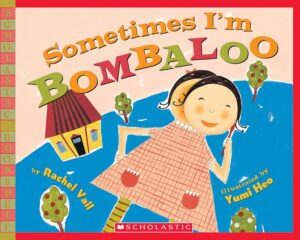
Katie turns into “Bombaloo” when she feels angry. She stomps. She yells. She feels out of control.
However, her parents remain steady. They set limits, but they stay loving.
The anger passes. The love remains.
What kids notice in this story
They notice that even when they feel wild, they are still loved. They see that anger does not make them bad. They understand that calm returns.
How to Be a Superhero Called Self-Control! by Lauren Brukner
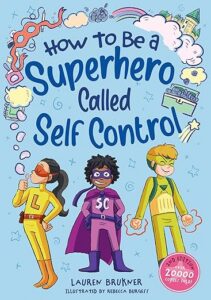
This book frames self-control as a superpower children can grow.
Instead of focusing on mistakes, it highlights strengths. It shows that reactions can shrink with practice.
The tone feels encouraging rather than corrective.
What kids notice in this story
They notice that calming down is something they can learn. They see themselves as strong. They feel hopeful about trying again.
A Personalized Way to Practice Calm
Sometimes it helps when the character looks more like your child.
Scrively offers personalized children’s books where your child becomes the main character. In these stories, they practice naming feelings and finding steady ground inside big moments.
When children see themselves handling anger with support, the lesson feels closer to home.
Remember: Anger Is Not the Problem
Anger does not mean something is wrong with your child.
It means their nervous system reacts quickly. It means they care deeply. It means they are still learning.
Calming down takes repetition. It takes modeling. It takes stories that feel safe enough to revisit.
So read these books again. Let your child point out what they notice. Let them laugh at the exaggerated roars and bright red scribbles.
Your child is not “too much.”
They are practicing. And over time, with steady support, they will learn how to find calm on the other side of the storm.