Best Books for 8-Year-Olds Struggling With Emotions
At eight years old, emotions can feel larger than life.
One minute your child is laughing at a joke, and the next, they’re overwhelmed by frustration or sadness they can’t quite name.
These moments can leave both kids and parents feeling unsure of how to help.
Books create a gentle bridge between those big feelings and understanding.
Through stories, kids learn that it’s okay to feel angry, sad, anxious, or afraid—and that there are healthy ways to work through those emotions.
The right story can give your child words for what’s going on inside and tools to handle it with courage and calm.
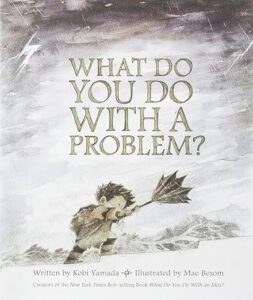
What Do You Do With a Problem? — Kobi Yamada
When a small boy is followed everywhere by a gray cloud of worry, he doesn’t know what to do.
No matter how hard he tries to avoid it, the problem sticks around—until he learns to face it head-on and discovers something surprising inside.
Why kids love it: The metaphor of the problem as a storm cloud makes big feelings tangible, helping kids visualize how facing worries can lead to growth and strength.
Perfect for: Children who struggle with anxiety, avoidance, or fear of mistakes.
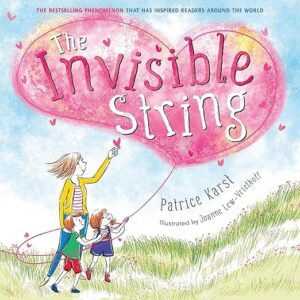
The Invisible String — Patrice Karst
This tender story reminds children that love connects us all—even when we’re apart. A mother tells her kids about an invisible string made of love that ties them to everyone they care about, near or far.
Why kids love it: The idea of an unbreakable connection helps soothe fears of separation, loss, or change. It’s comforting, simple, and deeply reassuring.
Perfect for: Kids coping with separation anxiety, divorce, or grief.
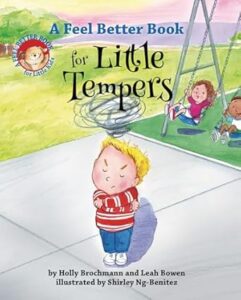
A Feel Better Book for Little Tempers — Holly Brochmann & Leah Bowen
This rhyming picture book helps kids recognize the physical signs of anger—tight fists, loud voices, fast hearts—and shows calming steps to cool down. The cheerful art makes emotional regulation feel approachable and fun.
Why kids love it: The rhythmic text makes it easy to remember what to do when they feel mad, while the bright illustrations lighten the mood.
Perfect for: Children learning to manage frustration, tantrums, or outbursts.
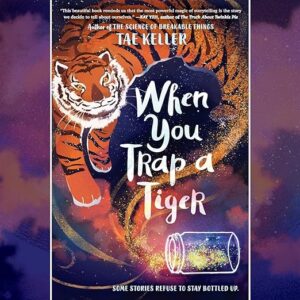
When You Trap a Tiger — Tae Keller
Lily’s life changes when she meets a magical tiger who offers her a deal: return what her grandmother stole from the stars, and the tiger will heal her halmoni. This lyrical novel weaves grief, heritage, and courage into a story of emotional discovery.
Why kids love it: It blends fantasy and family love in a way that helps children process grief and courage through imagination.
Perfect for: Readers ready for deeper emotional themes like loss, identity, and healing.
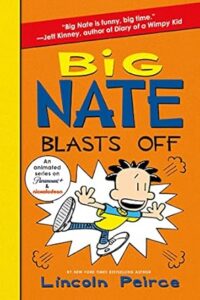
Big Nate: Blasts Off — Lincoln Peirce
When Nate gets into trouble again at school, his feelings of embarrassment, frustration, and friendship drama all collide.
Beneath the humor and comics-style art is a surprisingly relatable take on dealing with anger and rejection.
Why kids love it: It’s funny and fast-paced, helping them laugh while learning how to bounce back after mistakes or misunderstandings.
Perfect for: Kids who love comics and need gentle lessons on handling embarrassment or social stress.
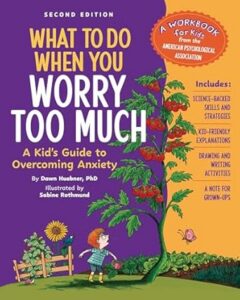
What to Do When You Worry Too Much — Dawn Huebner
This interactive workbook gives kids practical strategies for managing anxiety. Through simple language and exercises, it helps them “talk back” to worries and regain a sense of control over their thoughts and feelings.
Why kids love it: The doodle-friendly pages make it feel more like an activity book than therapy, empowering them to handle worries independently.
Perfect for: Kids with anxious thoughts, bedtime worries, or school-related stress.
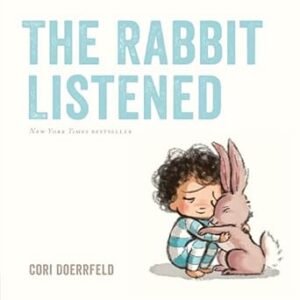
The Rabbit Listened — Cori Doerrfeld
When Taylor’s block tower crashes, every animal has an idea of how to fix it—except the rabbit. The rabbit simply sits and listens. Through this quiet companionship, Taylor begins to heal and rebuild.
Why kids love it: The story models empathy and shows that sometimes, what helps most isn’t advice—it’s presence.
Perfect for: Children learning how to comfort themselves or others during sadness or disappointment.
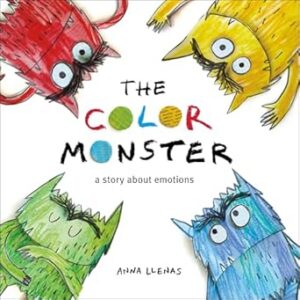
The Color Monster: A Story About Emotions — Anna Llenas
In this bright pop-up-style picture book, a confused monster learns to sort his jumbled emotions by color—yellow for happiness, blue for sadness, red for anger, and so on. It’s a visual, sensory journey through emotional awareness.
Why kids love it: The bold illustrations make feelings fun to explore, helping children name emotions without judgment.
Perfect for: Visual learners and kids just beginning to identify complex emotions.
Tips for Reading About Emotions With Kids
- Pick books that name feelings clearly and show healthy ways to handle them.
- Pause to ask, “What do you think the character is feeling right now?”
- Encourage your child to connect the story to their own experiences in a gentle way.
Create Your Own Calm-Down Story
Help your child write a story that turns tough emotions into problem-solving adventures.
- Let them draw themselves as the main character facing a big feeling (anger, worry, sadness).
- Ask them to invent a helper—like a friend, animal, or superhero—that guides them to calm.
- Write down their story and reread it later as a reminder of their inner strength.
Help your child navigate emotions with confidence using Scrively. Unlimited stories. Unlimited calm.
Books about emotions don’t just soothe—they help kids understand themselves, build resilience, and grow stronger inside and out.
Every story read together becomes another step toward emotional strength and self-awareness.