Children’s Books About Misunderstood Animals: 8 Great Reads
A spider appears beside the bath, and your child calls for you. A wolf arrives in a bedtime story, and they know exactly what kind of character to expect. Sometimes fear begins with a surprise. Sometimes it comes from a story we have heard so often that we forget there might be another version.
You do not have to talk your child out of feeling frightened. A calm “You can stay beside me” may help more than insisting there is nothing to worry about. Once they feel comfortable, a book can offer room to wonder about an animal without having to get anywhere near it.
These children’s books about misunderstood animals explore that space between a first impression and a fuller picture. Some use imaginary friendships to challenge a familiar villain. Others share facts about creatures children may find unsettling. Each invites a second look, not a compulsory change of heart.
Keep one distinction clear as you read: a friendly storybook crocodile is not a guide to approaching a real one. Your child can respect animals, stay at a safe distance, and ask an adult for help. Open-mindedness means being willing to learn. It does not mean ignoring danger or proving that you are brave.
Eight Books for Looking Beyond the Scary Reputation
Like a Wolf by Géraldine Elschner

A lonely dog has the sort of appearance that makes people step away. In this thoughtful picture book, Géraldine Elschner and illustrator Antoine Guilloppé show what happens when resemblance becomes a verdict. The animal is a dog, not a wolf pretending to be something else.
The striking artwork suits a slower reading. There is mistreatment and sadness here, so preview it if your child is especially sensitive to animals being hurt or rejected.
What kids notice: People see a frightening shape before they notice an individual animal. Your child may feel the unfairness of being judged before anyone has taken time to understand.
Story snapshot: A dog’s wolf-like features bring fear, rejection, and harsh treatment. A different encounter offers the possibility of being recognized and valued rather than dismissed because of how he looks.
Why this book helps: It separates appearance from understanding. You might ask, “What did people decide before they knew him?” Keep the discussion on the story’s assumptions, while reminding your child to ask a responsible adult before approaching any unfamiliar dog.
Dangerous! by Tim Warnes
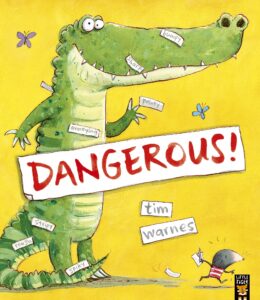
Mole likes things to have names. His labels make the world feel orderly until he encounters something that does not fit neatly into a familiar category. Written and illustrated by Tim Warnes, this playful story makes a big idea wonderfully concrete.
Children who enjoy naming, sorting, or explaining everything may recognize Mole’s enthusiasm. The fun begins when describing what he sees turns into deciding what that creature must be like.
What kids notice: Some labels describe visible details, while others carry a judgment. A creature can be lumpy or bumpy without those observations telling Mole everything he needs to know.
Story snapshot: Mole meets a strange, toothy creature and labels it dangerous. As the encounter unfolds, his first description proves too small for the relationship that develops.
Why this book helps: Ask which labels describe something Mole can see and which ones show what he assumes. You can connect this gently to everyday language: “quiet” does not necessarily mean “unfriendly.” The aim is to leave room for more information, not to shame a child for being cautious.
Aaaarrgghh Spider! by Lydia Monks
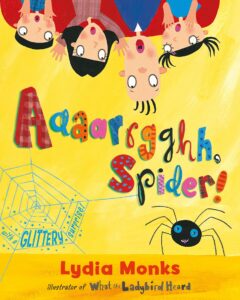
This spider has an ambition that the humans in her house do not understand: she wants to be their pet. Lydia Monks gives readers the spider’s side of the story, turning a familiar household shriek into a funny misunderstanding.
The gap between what the spider intends and what the family sees makes this a lively read-aloud. You can enjoy the repeated surprise without treating your own child’s fear as the joke.
What kids notice: The spider is trying to impress the family, but her efforts keep producing the wrong response. Children may recognize the feeling of wanting to join in and not being understood.
Story snapshot: A spider tries to show a human family why she would make a good pet. Her attempts frighten them until they begin to see her differently, with another comic surprise still to come.
Why this book helps: It lets your child practice holding two perspectives at once. Ask, “What does she hope they will notice?” Then give the humans room for their feelings too. Understanding another creature does not require pretending that surprise or discomfort has disappeared.
There’s a Crocodile on This Train! by Amit Trainin
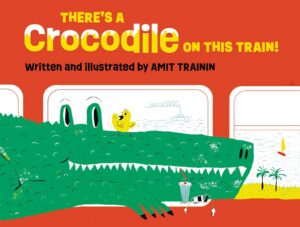
A crowded train is already a place where everyone has to make room. Add an enormous crocodile, and the passengers’ assumptions become part of the journey. Amit Trainin writes and illustrates this lively story, translated into English by Ilana Kurshan.
Its small chick, Peep, brings a gentler approach to an uncomfortable situation. The humor makes this crowded train journey easy to explore together.
What kids notice: The newcomer’s size makes a strong impression before anyone speaks with him. Peep’s conversation reveals something the other passengers have missed.
Story snapshot: A large green crocodile boards a busy train, leaving the other passengers uneasy. Peep discovers that the newcomer is shy and kind, helping the group find a more welcoming way to share the carriage.
Why this book helps: It opens a conversation about how nervousness can look from the outside. Ask, “Could someone seem unfriendly when they are actually shy?” Your child can consider that possibility without being expected to manage an awkward social situation alone.
The Crocodile Who Came for Dinner by Steve Smallman
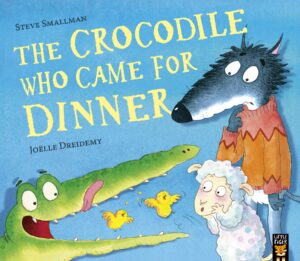
Some characters are ready to welcome a newcomer before everyone else feels comfortable. Steve Smallman’s story, illustrated by Joëlle Dreidemy, brings that difference into the friendly world of Hotpot and Wolf.
The crocodile’s name, Omelette, adds to the silliness. Although it belongs to a series, the central question is easy to recognize: what happens when a group thinks it already knows everything about somebody?
What kids notice: Hotpot’s affection and the woodland animals’ worries do not match. Children can notice the difference between what the group expects and what this particular fictional crocodile does.
Story snapshot: Hotpot and Wolf find an egg that hatches into a crocodile. Hotpot welcomes Omelette, while other animals remain suspicious. An emergency gives them a reason to reconsider their assumptions.
Why this book helps: It makes changing your mind part of the story rather than an embarrassing defeat. Ask, “What helped them think differently?” You can also note that kindness should not depend on someone performing a rescue. Let your child wonder about how the group might have welcomed him sooner.
The Wolf’s Secret by Myriam Dahman and Nicolas Digard
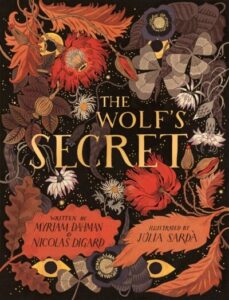
Not every feared character has been misunderstood from the beginning. This atmospheric fairy tale offers a more complicated possibility: someone with a frightening history may also long for something different. Júlia Sardà’s illustrations give the forest a mysterious, richly imagined presence.
The mood is darker than the comic titles in this collection. Choose it for a time when your child wants a thoughtful fairy tale, and leave space for questions.
What kids notice: The wolf’s loneliness exists alongside his power as a hunter. Those two things can both be true; the story does not require readers to erase one to notice the other.
Story snapshot: A feared wolf is drawn to a girl’s singing in the forest. His wish for friendship brings him to a difficult choice about the kind of creature he will be.
Why this book helps: It adds depth to the idea of a second look. Talk about choices and actions, not just appearances or promises. Your child does not owe trust to someone who behaves harmfully. They can appreciate a fictional character’s change while keeping sensible boundaries in their own life.
I (Don’t) Like Snakes by Nicola Davies
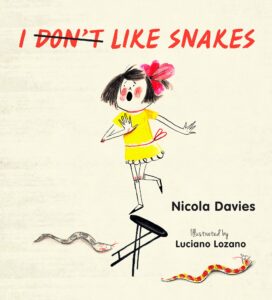
What if the animal you dislike is the one everyone else in your family finds fascinating? Nicola Davies approaches that question through a child’s conversation with her snake-loving family. Luciano Lozano’s illustrations support a book that combines a family framework with factual learning.
This is a useful change of pace after fictional crocodiles and wolves. Instead of asking an animal to become more human, it helps children learn about snakes as snakes.
What kids notice: A specific worry can lead to a specific question. The girl’s objections give the family opportunities to explain things about snakes rather than simply insist that she should like them.
Story snapshot: A girl who dislikes snakes lives among enthusiastic snake lovers. Their conversations introduce information about the animals and encourage her to reconsider some of the ideas behind her reaction.
Why this book helps: It models curiosity as a response to uncertainty. Invite your child to choose one question they would like answered. They can learn something interesting and still prefer to keep their distance. You might even find that one question leads naturally to another, without anyone needing to win an argument.
I’m Trying to Love Spiders by Bethany Barton
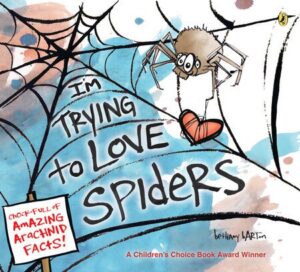
The word “trying” does a lot of welcoming work here. Bethany Barton’s humorous nonfiction picture book meets readers who are not yet enthusiastic about spiders and lets learning be messy, funny, and unfinished.
Written and illustrated with an energetic voice, it moves between fascination and alarm. It can be especially reassuring for a child who thinks everyone else finds being brave effortless.
What kids notice: Knowing interesting things does not instantly switch off an uncomfortable feeling. The narrator’s reactions make room for that gap, even as the book keeps returning to curiosity.
Story snapshot: A nervous narrator tries to appreciate spiders by learning about them. Facts and comic reactions sit side by side as the attempt to understand these creatures continues.
Why this book helps: It offers a gentler goal than suddenly loving something you fear. Ask, “Did you learn anything that surprised you?” That is enough. You can admire a web in a picture, respect a spider’s place in the world, and still ask an adult to handle an unexpected encounter.
Put Your Child in the Heart of the Story
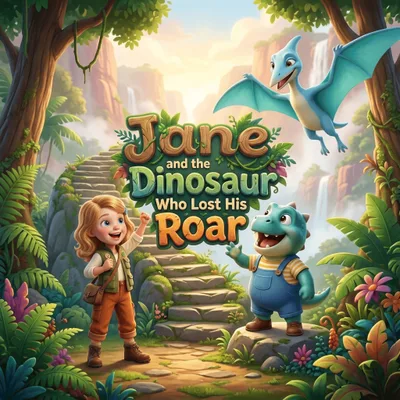
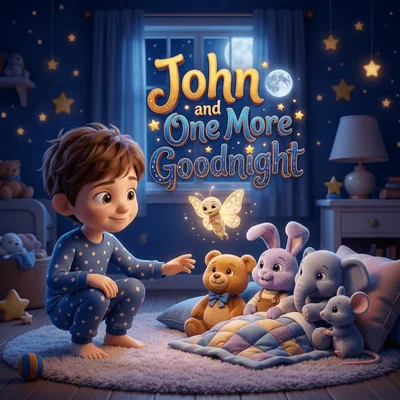
A personalized story from Scrively can give your child another way to explore curiosity, kindness, and seeing things differently. Being part of an imagined adventure can make a conversation about first impressions feel closer to home.
Perhaps your child enjoys imagining a character who asks a thoughtful question or notices something others have missed. Let that be an invitation, not a test. They do not have to become fearless or turn a real worry into a lesson. Sometimes a shared story is simply a comfortable place to wonder together.
You Can Be Curious and Cautious
Your child may finish one of these books delighted by spiders, sympathetic toward a fictional wolf, or still firmly uninterested in snakes. Any of those responses can sit alongside learning. Open-mindedness grows through noticing, asking, and being willing to revise an idea when there is reason to do so.
Keep reading at your child’s pace. A second look does not have to become a closer approach. From the safety of your lap or the other end of the sofa, they can discover that a first impression is sometimes only the beginning of the story.