The Best Storybooks for Curious 3-Year-Olds Who Love to Ask “Why?”
Three-year-olds are natural explorers. They ask “why?” with genuine wonder, notice tiny details adults often miss, and approach the world as if everything is brand new.
At this age, curiosity isn’t a phase to manage—it’s a vital way children learn how language, emotions, and ideas fit together.
Those constant questions (“Why does the moon follow us?” “Why is the dog barking?” “Why did she feel sad?”) are more than adorable chatter.
They’re practice. Each question helps a child experiment with cause and effect, build vocabulary, and learn that their thoughts matter enough to be answered—or at least listened to.
Curiosity also supports emotional growth.
When a child wonders why a character is worried, or how someone makes a brave choice, they’re learning to name feelings and connect them to actions.
In other words: curiosity helps children make sense of both the outside world and their inside world.
Storybooks are a perfect home for that kind of learning.
A good picture book gives questions somewhere safe to land—on bright illustrations, familiar routines, and gentle moments that invite kids to pause, point, and talk. Books can hold wonder without demanding quick answers.
The best books for curious three-year-olds balance exploration with comfort.
They use rhythmic language, predictable structure, and clear emotional cues to keep young readers grounded.
That sense of safety matters, because curiosity flourishes most when children feel secure.
Below are eight storybooks that nurture curiosity in thoughtful, age-appropriate ways.
Each one encourages observation, questioning, and discovery—without overstimulation—so your child can wonder at their own pace and come back to favorite pages again and again.
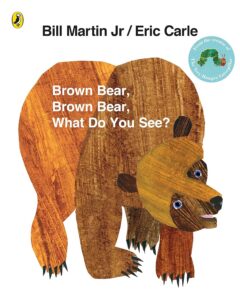
Brown Bear, Brown Bear, What Do You See? — Bill Martin Jr. & Eric Carle
Core Themes:
• Curiosity and exploration
• Observation and questioning
• Emotional safety while learning
Story Snapshot:
This rhythmic classic invites children to notice colors, animals, and sequence as each page asks what comes next.
The predictable pattern encourages participation and joyful anticipation, making it easy to read again (and again).
Why this book is great for curious 3-year-olds:
The story turns curiosity into a gentle game of noticing.
Because the structure repeats, kids feel safe predicting what’s next—and that confidence helps them stay engaged, ask questions, and point out details in the illustrations.
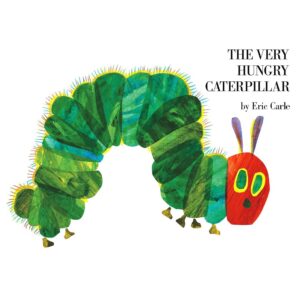
The Very Hungry Caterpillar — Eric Carle
Core Themes:
• Curiosity and exploration
• Observation and questioning
• Emotional safety while learning
Story Snapshot:
A tiny caterpillar eats his way through the week, exploring new foods and growing bigger each day before transforming into a butterfly.
The steady rhythm and simple sequencing make the story feel reassuring and easy to follow.
Why this book is great for curious 3-year-olds:
It naturally invites questions about time, counting, growth, and change (“How does he get bigger?” “What happens next?”).
The predictable pacing keeps things calm while the transformation sparks big, satisfying wonder.
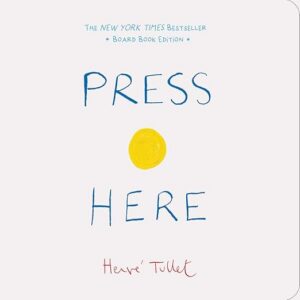
Press Here — Hervé Tullet
Core Themes:
• Curiosity and exploration
• Observation and questioning
• Emotional safety while learning
Story Snapshot:
This interactive book asks children to press dots, tilt pages, and shake the book—leading to surprising results each time they turn the page.
The instructions are simple, and the “magic” feels playful without being loud.
Why this book is great for curious 3-year-olds:
It gives kids a safe way to test cause and effect: “What happens if I do this?”
The gentle surprises keep curiosity alive while the clean design and straightforward prompts prevent overwhelm.
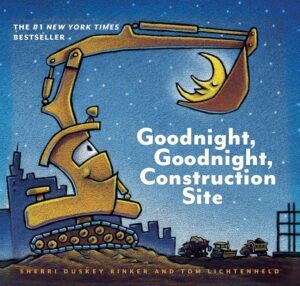
Goodnight, Goodnight, Construction Site — Sherri Duskey Rinker
Core Themes:
• Curiosity and exploration
• Observation and questioning
• Emotional safety while learning
Story Snapshot:
As the sun sets, a crew of hardworking construction vehicles finishes their tasks and prepares for sleep, one by one.
The rhyme is soothing, and the routine is familiar—especially for kids who love vehicles.
Why this book is great for curious 3-year-olds:
It satisfies “how does it work?” curiosity about machines while also modeling calm transitions and empathy.
Kids can point to details, ask questions about each vehicle’s job, and enjoy the reassuring bedtime rhythm.
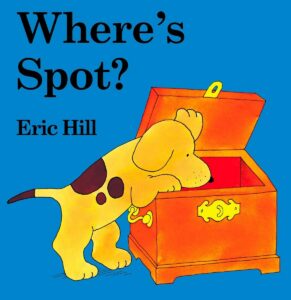
Where Is Spot? — Eric Hill
Core Themes:
• Curiosity and exploration
• Observation and questioning
• Emotional safety while learning
Story Snapshot:
Spot the puppy is missing, and readers lift flaps to search for him in familiar household spaces.
Each page offers a little mystery, a little surprise, and a lot of chances to predict what’s hiding where.
Why this book is great for curious 3-year-olds:
The flap format invites questions and hypotheses: “Is he in the closet?” “What’s behind this door?” Because the setting is cozy and predictable, children can explore with confidence—and feel delighted when the answer appears.
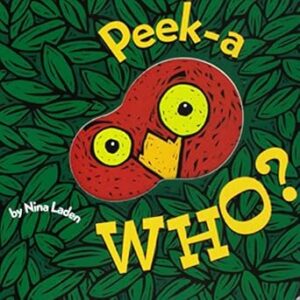
Peek-a-Who? — Nina Laden
Core Themes:
• Curiosity and exploration
• Observation and questioning
• Emotional safety while learning
Story Snapshot:
Rhyming clues invite children to guess which animal is hiding behind each cut-out window.
The pace is quick but not frantic, and every page offers a small, satisfying “reveal.”
Why this book is great for curious 3-year-olds:
It encourages close observation—listening to clues, studying shapes, and making predictions.
The repeated guessing structure feels safe and familiar, which makes curiosity feel fun rather than demanding.
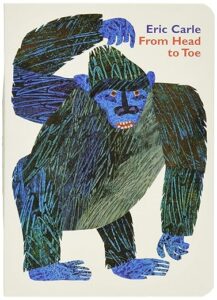
From Head to Toe — Eric Carle
Core Themes:
• Curiosity and exploration
• Observation and questioning
• Emotional safety while learning
Story Snapshot:
Animals demonstrate movements (“I am a penguin and I turn my head”), inviting children to copy them and explore what their own bodies can do.
The language is simple, repetitive, and made for participation.
Why this book is great for curious 3-year-olds:
Curiosity becomes physical and joyful: “Can my body do that?”
The steady pattern reassures kids while the movement invites playful experimentation—perfect for energetic learners who like to engage beyond the page.
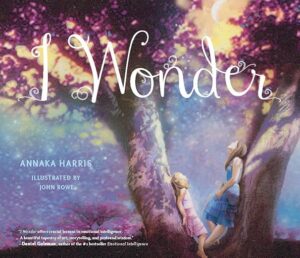
I Wonder — Annaka Harris
Core Themes:
• Curiosity and exploration
• Observation and questioning
• Emotional safety while learning
Story Snapshot:
Gentle questions about the world invite children to think, imagine, and wonder without needing “right answers.”
The tone is calm and spacious, making room for reflection and conversation.
Why this book is great for curious 3-year-olds:
It honors the feeling of wondering. Instead of rushing to explain everything, it gives kids permission to sit with questions—building confidence that curiosity itself is valuable and safe.
Closing Thoughts: Creating Space for Gentle Wonder
Curiosity doesn’t need to be hurried.
At age three, children learn best when they’re allowed to wonder at their own pace—revisiting favorite pages, lingering on pictures, and asking the same questions again and again.
Storybooks offer a calm place to practice curiosity.
They help children explore ideas, emotions, and observations while feeling secure and supported.
When we choose books that balance exploration with reassurance, we send a powerful message: it’s safe to be curious.
If your child is inspired by these stories, you can extend that sense of wonder beyond reading time. Scrively is a place where kids can begin creating their own stories—even simple ones—exploring ideas and imagination in ways that feel playful and empowering.
Because curiosity doesn’t need an agenda. Sometimes, it just needs a good story—and the freedom to wonder.