When Your Child Melts Down Over the Smallest Things — These Books Help
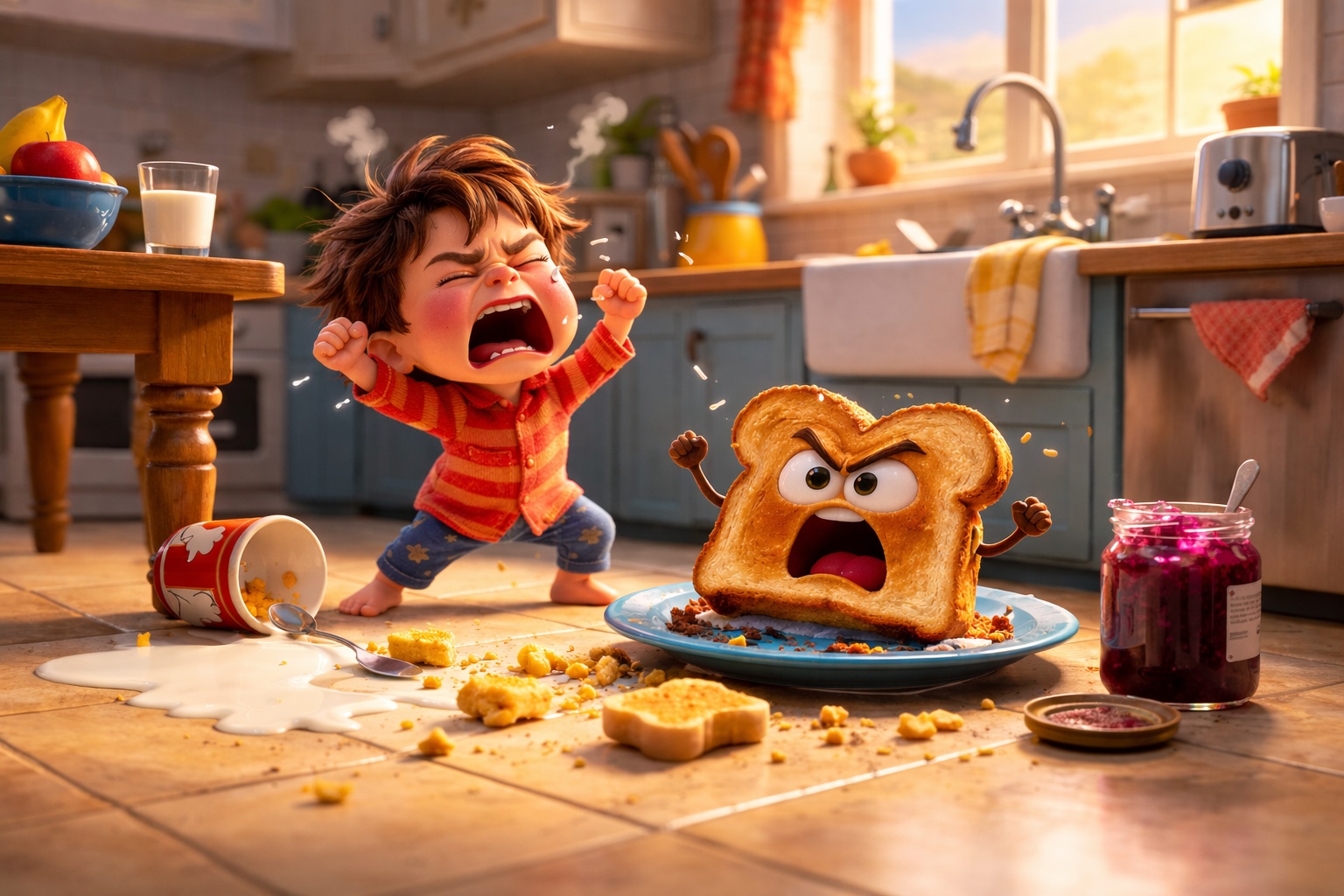
The cup is the wrong color.
The toast is cut the wrong way.
The seat at the table changed. The shoe feels “weird.” The block tower falls.
And suddenly, what looks small to you feels enormous to them.
If you live with a child who has big reactions to small problems, you’ve seen how quickly things escalate. Tears come fast. Voices rise. Bodies stiffen. The world feels unfair — all because of something that seems minor from the outside.
But inside a young nervous system, flexibility is still under construction. Expectations feel solid. Surprises feel destabilizing. A tiny disruption can feel like a rupture.
That doesn’t mean your child is dramatic. It means they’re learning how to adapt.
Stories are one of the safest ways to practice that skill. In books, children watch someone else face a “small but huge” moment. They see frustration rise. They see it settle. They witness perspective grow — without shame, without correction.
If you’re looking for stories that validate big feelings while gently modeling flexibility, these books offer exactly that.
Books That Help Kids Build Perspective When Little Things Feel Big
Ish by Peter H. Reynolds

Ramon loves to draw — until one small comment makes him doubt himself. Suddenly, nothing he creates feels good enough.
The problem is subtle. A single critique. But inside Ramon, it explodes into self-doubt. You see how quickly confidence can unravel over something that feels small to others.
When his sister reframes his work as “ish,” perfection loosens its grip. The shift isn’t dramatic. It’s gentle. Flexible thinking begins to take root.
What kids notice in this story
You don’t have to be perfect to enjoy something. One comment doesn’t decide everything. “Almost” can still be wonderful.
Jabari Jumps by Gaia Cornwall
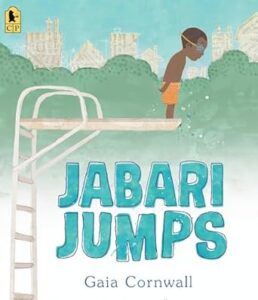
Jabari is ready to jump off the diving board. He tells everyone he’s not scared.
But when it’s finally his turn, hesitation creeps in. A small moment — climbing a ladder — suddenly feels massive. His body tightens. His confidence wavers.
With patient support and a pause, Jabari gathers himself and tries again. The story honors how big small transitions can feel.
What kids notice in this story
It’s okay to feel unsure. You can take a breath. You can try again when you’re ready.
Interrupting Chicken by David Ezra Stein
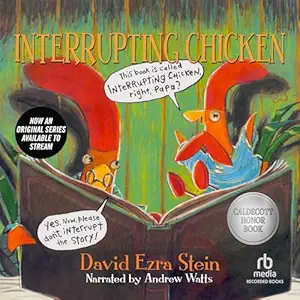
Little Chicken can’t stop interrupting bedtime stories. The urge feels urgent and irresistible.
Each interruption seems small — just a quick comment — but it derails the entire moment. The tension builds as Chicken struggles to control the impulse.
Eventually, a creative solution gives her a safe outlet for her energy. Flexibility replaces frustration.
What kids notice in this story
Sometimes you really want to jump in. Waiting feels hard. There are ways to handle big urges.
Gaston by Kelly DiPucchio
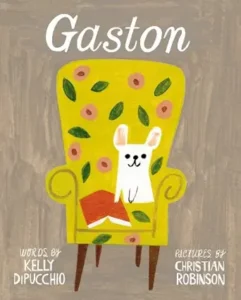
Gaston doesn’t quite fit where he’s placed. Small differences begin to feel overwhelming.
Every mismatch — posture, personality, preference — feels like a problem that needs solving. The discomfort grows.
But identity shifts gently through the story. Being different becomes something that expands belonging rather than threatening it.
What kids notice in this story
You can feel out of place and still belong. Differences don’t mean something is wrong.
Sam and Dave Dig a Hole by Mac Barnett

Sam and Dave dig, convinced treasure must be nearby.
They miss diamonds by inches. They get frustrated. They change direction. Small disappointments stack up as expectations don’t match reality.
The humor highlights how perspective shapes experience. What feels like failure might be something else entirely.
What kids notice in this story
You don’t always see everything. Changing direction can lead somewhere surprising.
After the Fall (How Humpty Dumpty Got Back Up Again) by Dan Santat
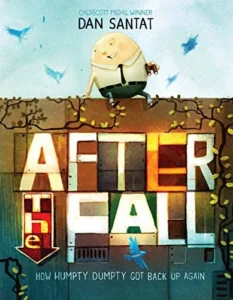
Humpty Dumpty is afraid after his fall. Everyday things — like climbing stairs — suddenly feel huge.
The fear is quiet but powerful. What once felt normal now feels overwhelming. The small act of trying again becomes monumental.
Recovery doesn’t erase the fall. It builds resilience around it.
What kids notice in this story
Scary moments can stick with you. Trying again takes courage. You can grow stronger after something hard.
The Book of Mistakes by Corinna Luyken

A drawing begins simply. A stray mark appears.
At first, it looks like a mistake. Something wrong. Something to fix. That small “error” feels like it ruins the page.
But each mistake becomes part of something larger and beautiful. The story visually models flexibility in action.
What kids notice in this story
Mistakes can turn into new ideas. One wrong line doesn’t ruin everything.
Strictly No Elephants by Lisa Mantchev
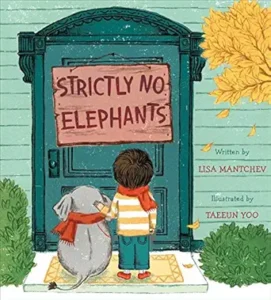
A boy and his tiny elephant are excluded from a club because they’re “different.”
The rule feels small on paper — but it lands heavily. The sting of rejection grows quickly.
Instead of shrinking, the boy creates something new. Inclusion replaces exclusion.
What kids notice in this story
Being left out hurts. You can build something new when doors close.
Last Stop on Market Street by Matt de la Peña
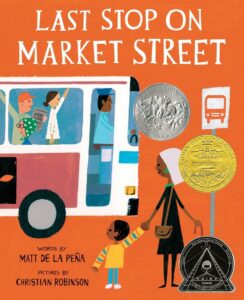
A simple bus ride becomes a lesson in perspective.
Small disappointments surface — why don’t we have a car? Why do we have to go here? The child’s frustration feels real.
Through conversation and observation, gratitude slowly grows. The world looks different by the end.
What kids notice in this story
You don’t always see the whole picture at first. There’s beauty in ordinary places.
When Small Problems Feel Overwhelming
If you’re supporting a child who melts down over minor changes, you’re not alone. Small disruptions can feel enormous when flexibility is still developing.
Big reactions don’t signal a dramatic personality. They signal growth in progress.
Flexibility develops slowly. It builds through repeated safe experiences. It strengthens when children see examples of recovery — especially in stories.
Reread these books during calm moments. Let the language of perspective become familiar. When the next “wrong cup” moment happens, your child already has a narrative framework to lean on.
A Story Where They See Themselves
Sometimes the most powerful shift happens when a child sees their own reactions reflected gently in a story. That’s where personalized storytelling can help.
Scrively creates custom stories where children navigate everyday frustrations and learn flexibility in ways that feel safe and empowering. When they recognize themselves in the narrative, growth feels possible — not forced.
Your child doesn’t need their feelings minimized.
They need support as they practice perspective. Small problems will continue to appear. With time, patience, and stories that honor their experience, those big reactions will gradually soften.