When You Want Your Child to Follow Through, These Stories Help
You find the backpack still sitting by the front door.
You step over the half-finished puzzle on the living room floor. The promise to feed the fish? Forgotten. The library book? Still in yesterday’s coat pocket.
And you wonder, gently or maybe not so gently, when responsibility is supposed to “kick in.”
The truth is, responsibility doesn’t arrive all at once. It doesn’t flip on like a switch somewhere between kindergarten and second grade.
At this age, ownership is uneven. Follow-through is inconsistent. Good intentions are real — but so are distractions.
Responsibility is not a personality trait your child either has or doesn’t have. It’s a growing skill. A developing capacity. A muscle that strengthens through repetition, modeling, and small safe mistakes.
Books help because they create distance. Your child can watch someone else forget, ignore, avoid, learn, repair, and try again — all without being corrected in the moment. Stories allow responsibility to feel possible instead of pressured.
Here are books that show responsibility growing naturally — without shame, without charts, without “good kid versus bad kid” labels.
What If Everybody Did That? by Ellen Javernick
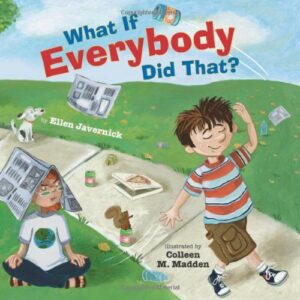
This story follows a child who keeps hearing one question: “What if everybody did that?” When he drops trash, talks during a performance, or ignores small rules, the consequences ripple outward.
The book doesn’t lecture. Instead, it gently zooms out. Small choices become bigger patterns. The child begins to see that personal actions affect shared spaces.
Responsibility appears as awareness — noticing that you’re part of something larger than yourself.
What kids notice in this story
Kids begin to see how one action can impact many people. They notice fairness. They recognize that shared spaces only work when everyone contributes a little care.
The Way I Act by Steve Metzger
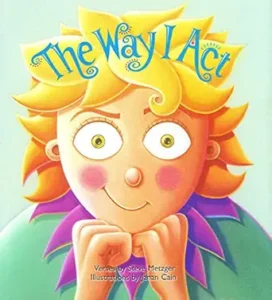
This playful book explores how behavior shows up in everyday life — being helpful, being patient, being honest, being kind. It doesn’t present children as perfect. It presents them as capable.
Responsibility here looks like choosing how you show up. It’s not about never making mistakes. It’s about understanding that actions matter.
The tone is light, but the message is steady: you are learning how to act in ways that build trust.
What kids notice in this story
Kids see examples of behavior that feel familiar. They begin to connect actions with how others feel. They notice that responsibility is about choices, not labels.
Howard B. Wigglebottom Learns to Listen by Howard Binkow
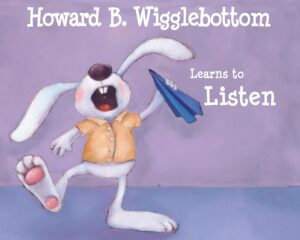
Howard struggles with listening. He interrupts. He daydreams. He misses instructions. The consequences aren’t dramatic, but they are real — missed opportunities, frustrated classmates.
Over time, Howard recognizes that listening is part of being dependable. It’s how you show others you’re present and ready.
The shift isn’t instant. It’s gradual. And that makes it believable.
What kids notice in this story
Kids recognize themselves in distraction. They notice that listening helps things go more smoothly. They see that responsibility can grow with practice.
Llama Llama Time to Share by Anna Dewdney
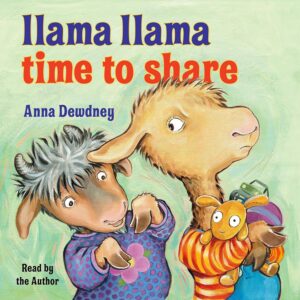
When a new friend comes over, Llama Llama struggles to share favorite toys. Feelings run high. Possession feels important.
Responsibility here isn’t framed as forced generosity. It’s framed as learning to care for relationships. Llama begins to see that being a good friend includes making space for others.
Ownership extends beyond objects. It includes social responsibility.
What kids notice in this story
Kids feel the tension of wanting something for themselves. They notice that sharing protects friendships. They begin to understand that caring for people matters as much as caring for things.
The Berenstain Bears and the Trouble with Chores by Stan & Jan Berenstain
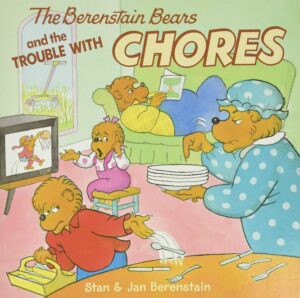
Brother and Sister Bear resist chores. They grumble. They stall. They forget. The house doesn’t collapse — but it does become harder to manage.
The story gently shows how contributing at home helps everyone. Responsibility isn’t punishment. It’s participation.
Eventually, the cubs see that helping feels better than resisting.
What kids notice in this story
Kids see chores as shared work. They notice that homes run better when everyone helps. They begin to understand contribution as belonging.
The Paperboy by Dav Pilkey
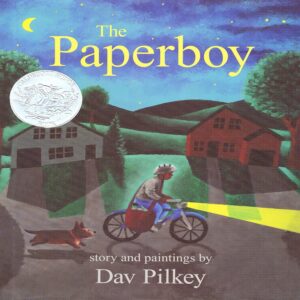
In quiet early morning hours, a young paperboy completes his route with steady commitment. The job isn’t glamorous. It’s repetitive. It requires showing up consistently.
Responsibility here is quiet follow-through. No applause. No stickers. Just reliability.
The story honors discipline without dramatizing it.
What kids notice in this story
Kids see that responsibility can feel peaceful. They notice the pride that comes from finishing what you start. They sense that commitment builds confidence.
The Little Red Hen
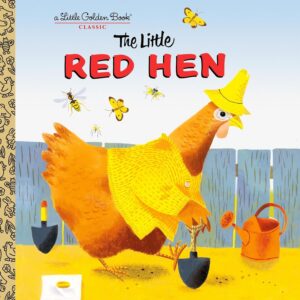
When the Little Red Hen asks for help planting and harvesting wheat, no one volunteers. When bread is finally baked, the helpers suddenly appear.
The story shows cause and effect clearly. Participation matters. Effort matters.
Responsibility here looks like contributing from the beginning — not only when rewards appear.
What kids notice in this story
Kids quickly understand fairness. They notice who worked and who didn’t. They begin to connect effort with outcome in simple, concrete ways.
The Most Magnificent Thing by Ashley Spires

A child sets out to build something wonderful — and quickly becomes frustrated when it doesn’t work. She wants to quit.
Responsibility here is perseverance. It’s staying with a task long enough to improve it. It’s regulating disappointment long enough to finish.
The shift happens when she takes a break, reflects, and returns with fresh focus.
What kids notice in this story
Kids recognize frustration. They notice that trying again can lead to success. They begin to understand responsibility as sticking with hard things.
Those Shoes by Maribeth Boelts
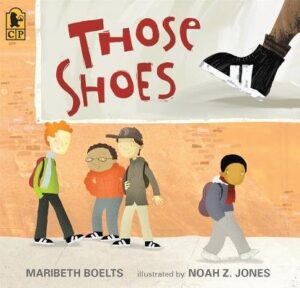
Jeremy wants the popular shoes everyone else has. His family can’t afford them. He learns to make thoughtful choices about what he truly needs.
Responsibility here involves self-control and perspective. It’s not about deprivation. It’s about thoughtful decision-making.
Jeremy’s internal shift comes when he considers someone else’s needs.
What kids notice in this story
Kids see fairness and desire side by side. They notice generosity. They begin to connect responsibility with empathy.
Officer Buckle and Gloria by Peggy Rathmann
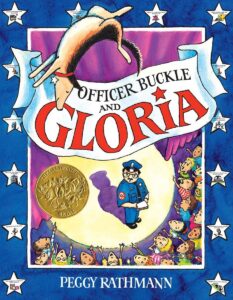
Officer Buckle shares safety tips with schools, but students only pay attention when Gloria the dog adds flair. Eventually, he realizes teamwork strengthens his message.
Responsibility shows up as collaboration. Officer Buckle must own his role while appreciating others’ contributions.
The story models humility and shared ownership.
What kids notice in this story
Kids notice cooperation. They see that everyone has a part to play. They understand that responsibility can be shared.
A Small Way to Personalize Responsibility
If you’re looking for another way to support growing ownership, you might explore personalized storytelling. On Scrively, you can create custom stories where your child sees themselves helping at home, following through, solving problems, and building independence.
When children recognize themselves inside a story, responsibility feels empowering instead of imposed. It becomes something they are practicing — not something being measured.
Responsibility Grows Through Repetition
You won’t see overnight change. You’ll see small steps. A backpack remembered one day and forgotten the next. A chore completed without reminder — then resisted later.
This is how growth works.
Responsibility develops through repetition, modeling, and safe space to repair mistakes. It strengthens when children feel capable, not scrutinized.
Rereading stories before introducing new responsibilities helps. Stories provide language. They offer examples. They create internal rehearsal.
And over time, those small rehearsals become real-life follow-through.
Responsibility isn’t about perfection. It isn’t about never forgetting. It’s about practicing ownership again and again — until showing up feels natural.