Taking Care of a Shared Place: 8 Children’s Books About Community
You are leaving the playground when your child spots a crumpled wrapper beneath the bench. They did not drop it. Nobody is asking them to do anything. Still, there it is, in a place where they love to play. Moments like this open a small, surprisingly meaningful question: who takes care of the places we share? Children’s books about community can help you explore that question together.
Your child may already understand looking after their own toys. A shared place asks them to stretch that circle of care. The classroom belongs to other children, too. The library welcomes people they have never met. A garden can hold somebody else’s favorite flowers beside their own.
You do not have to turn every outing into a lesson or expect your child to carry responsibilities that belong to adults. You can simply help them notice the connection between a place and its people. Leaving a path clear, returning a borrowed book, or watering a plant can be a way of saying, “I’m glad we get to be here together.”
These children’s books about community make that connection visible. Their characters plant, build, paint, and gather. Some stories begin with a neglected space; others show the pleasure of tending something together. Each gives you a gentle opening to talk about belonging through everyday care.
Children’s Books About Community and Caring for Places Together
City Green by DyAnne DiSalvo-Ryan
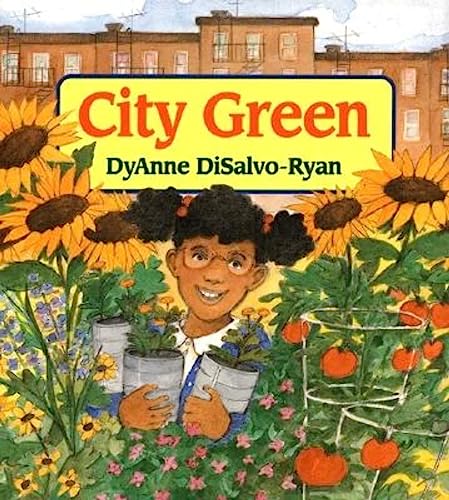
A vacant lot can look like a place to hurry past. Marcy sees a possibility there instead. With her neighbor Miss Rosa, she begins turning a neglected part of her block into a garden. Written and illustrated by DyAnne DiSalvo-Ryan, this story brings shared work down to a child’s scale.
You can linger over what changes when neighbors get involved. The garden gives people a reason to meet, contribute, and look at their surroundings differently. Your child may have ideas about a familiar place that you have stopped noticing.
What kids notice: Marcy has an idea, but she also has help. The pictures show a neighborhood coming together around a project that needs more than one pair of hands.
Story snapshot: After a building is demolished, Marcy and Miss Rosa work to clean the empty lot and plant a community garden. Other neighbors begin contributing their time and energy.
Why this book helps: It connects initiative with cooperation. Ask, “Who could we talk to about helping a place we love?” You can welcome your child’s idea while keeping planning, permission, and difficult work with the adults.
Our Community Garden by Barbara Pollak
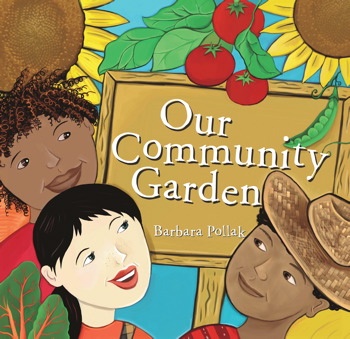
A shared place can make room for different tastes, traditions, and personalities. In Barbara Pollak’s garden, children grow things that reflect who they are. The author’s illustrations show the work alongside the play, so the garden feels like somewhere children actually want to spend time.
This is a lovely choice when you want to talk about what “ours” can mean. Everyone contributes to one garden, yet each person brings something particular. Caring together leaves room for individuality.
What kids notice: The children dig and weed, but they also play near sunflowers and look for little creatures. Enjoying a place and looking after it belong in the same day.
Story snapshot: Children tend plants connected to their personalities or cultural heritage. Their families eventually gather for a potluck featuring food made from the garden’s harvest.
Why this book helps: It gives shared care a joyful purpose. Ask what your child would grow and what someone else might choose. Then wonder together how a garden could hold both ideas, with everybody helping it thrive.
Harlem Grown: How One Big Idea Transformed a Neighborhood by Tony Hillery
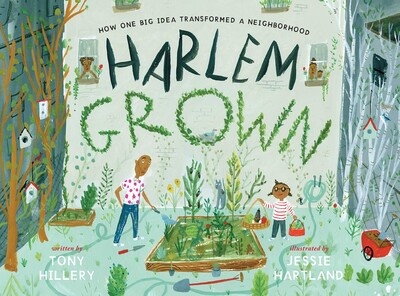
Sometimes your child wants to know whether something like a story could happen in real life. This nonfiction picture book offers a real example. Tony Hillery tells how a vacant lot in Harlem became a place where children and adults grew food together, with illustrations by Jessie Hartland.
The connection between work and nourishment makes the idea of community concrete. A cared-for space can offer something people use, share, and enjoy. You can talk about the people whose steady efforts keep your own neighborhood’s useful places going.
What kids notice: Children take part in changing the lot. Their involvement matters within a larger effort supported by adults, families, and the organization’s staff.
Story snapshot: While volunteering at a Harlem school, Hillery sees an abandoned lot and invites students to help transform it into an urban farm. Its produce is shared with children and their families.
Why this book helps: It shows participation with a tangible outcome. Ask, “What does this place give the neighborhood?” Your child can begin connecting care for a space with care for the people who depend on it.
Jayden’s Impossible Garden by Mélina Mangal
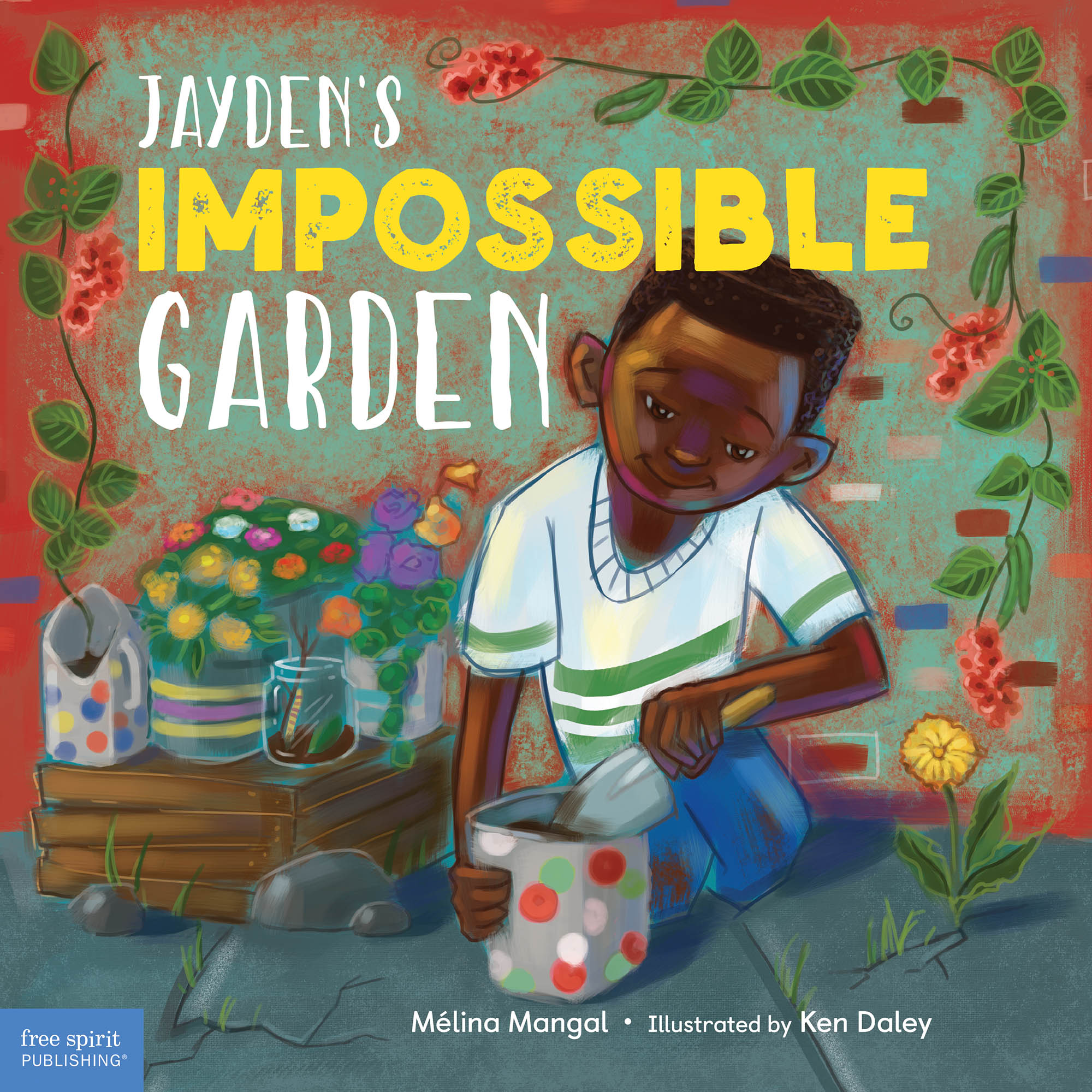
Jayden notices nature in a city that his mother sees differently. There are birds, squirrels, and plants among the buildings and traffic. With illustrations by Ken Daley, Mélina Mangal’s story follows that attention toward a project that brings neighbors together.
The friendship between Jayden and Mr. Curtis gives you another way into the conversation. Children and older adults can enjoy discovering things together. Your child’s curiosity may be a starting point for connection with someone whose everyday experience is different.
What kids notice: Jayden sees possibilities in surroundings that might look ordinary. His friendship with Mr. Curtis helps those possibilities become something they can share.
Story snapshot: Hoping to show his mother that nature exists in the city, Jayden works with Mr. Curtis to create a community garden. The project draws in neighbors and his mother.
Why this book helps: It begins care with attention. On a walk, ask your child to show you something growing that you missed. Then consider whether there is a small, appropriate way to support that corner of your shared world.
Spaghetti Park by DyAnne DiSalvo
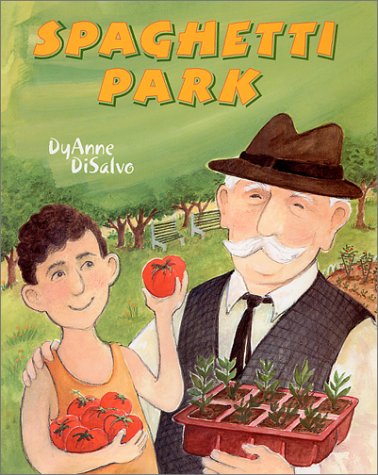
Your child may love a park because of what happens there: a game, a conversation, time beside a grandparent. In this story, written and illustrated by DyAnne DiSalvo, Angelo learns bocce from his grandfather in a park that has become run-down and unwelcoming.
Angelo’s wish to enjoy the park becomes an invitation to neighbors. The story also includes damage after their work begins. You can read that setback as a moment to pause together and wonder how people might respond when something they care about is hurt.
What kids notice: Angelo has family support and a community group to approach. Some teenagers who have been seen as troublemakers also become participants in caring for the park.
Story snapshot: Angelo proposes a bocce court, and neighbors work to improve their park. When the improvements are vandalized, the effort falters until a teenager helps rally others to repair the damage.
Why this book helps: It connects shared enjoyment with shared upkeep. Ask who uses your favorite park and what helps them feel welcome. A place may need a clear path, working equipment, or room for different activities; your child can help notice those needs.
The Little Library by Margaret McNamara
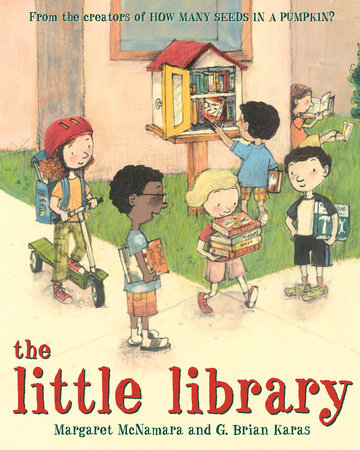
Jake reads slowly and carefully, and school library visits can leave him feeling behind. Librarian Beck notices his interest in woodworking and helps him find a book that fits. Illustrated by G. Brian Karas, this story connects being welcomed in a place with wanting to contribute to it.
You may recognize your own child in Jake’s search for something that catches their interest. A community has room for different strengths. Making, reading, noticing, and helping can all become ways to participate.
What kids notice: The librarian pays attention to Jake as an individual. His interest in building becomes valuable, even though reading has felt difficult.
Story snapshot: A woodworking book draws Jake into reading. He later works with his grandfather to build a small book-sharing library, which Librarian Beck places outside the school for students to enjoy.
Why this book helps: It shows a child offering something useful to a shared place. Ask what your child likes doing and who might enjoy the result. You can also practice caring for shared books by handling them gently and putting them where others can find them.
Rocket Says Clean Up! by Nathan Bryon
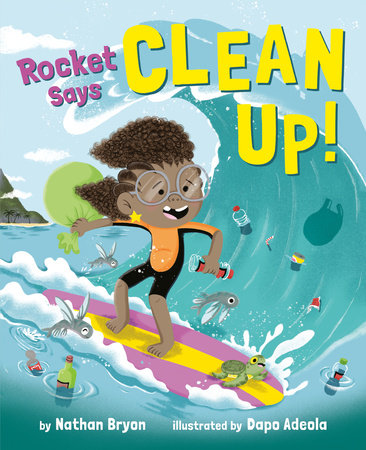
A beach is a place for family fun and a home for living creatures. When Rocket visits her grandparents, she finds that rubbish is interfering with both. Nathan Bryon and illustrator Dapo Adeola give her concern an energetic, community-minded response. The UK edition is titled Clean Up!.
This story can meet the child who feels indignant when a favorite place is treated carelessly. You can acknowledge that feeling and help them find a manageable next step with you beside them.
What kids notice: Pollution affects animals as well as people. Rocket’s enthusiasm helps other people become involved in looking after the shoreline.
Story snapshot: During an island visit, Rocket discovers a trash-covered beach and a turtle tangled in a net. She rallies people to clean the beach and take plastic pollution seriously.
Why this book helps: It turns concern toward collective action. You might join an organized cleanup with suitable adult supervision. Give your child a safe task, and let adults handle sharp litter or distressed wildlife.
The Last Garden by Rachel Ip
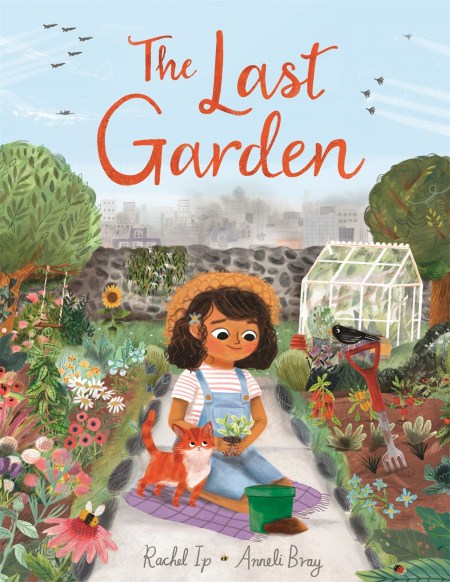
A place can hold memories of being together. Illustrated by Anneli Bray, Rachel Ip’s story explores that connection through a girl caring for a garden in a city affected by war. Its setting involves displacement, so consider your child’s questions and readiness before reading.
This is a quieter, more emotionally demanding selection. It offers room to talk about missing a place and hoping to return. Stay close to what your child asks, and let the pictures set a gentle pace.
What kids notice: The girl cares for something growing while the city changes around her. Her departure does not erase the garden’s connection to the people who lived there.
Story snapshot: A girl tends the last garden in a war-torn city until she must leave. Seeds spread while the garden is unattended. As people return, the city begins growing again, and the girl comes back.
Why this book helps: It makes the emotional value of a shared place visible. Ask, “What would you remember about a place you love?” There is no need to make a child explain everything the story brings up.
Put Your Child in the Heart of the Story
Your child may picture themselves watering beside Marcy, helping Jake build, or joining Rocket’s team. That imaginative step brings community close enough to feel. They can wonder what they would notice, who they would ask for help, and what contribution would suit them.
A personalized Scrively story offers another way to explore that connection, with your child at the center of a story about caring for a shared place. You might imagine a familiar courtyard, classroom, or garden where their small contribution helps others enjoy being together.
Let their questions shape the conversation afterward. Who else uses the place? What would those people need? A story can give you time to explore these choices together, without expecting a perfect answer or an immediate change in behavior.
A Little Care Can Become Part of Belonging
You can begin with a place your child already loves. Notice who uses it and who looks after it. Thank the person shelving books, tending plants, or opening the community room. Invite one small act your child can manage alongside you, then leave room to enjoy the place, too.
Some days they will be eager to help. Other days they will need encouragement, or simply your example. Keep the invitation warm and specific. Over time, shared care can become a familiar part of being there: we enjoy this place together, and we each have something to offer.