The Shared Path: Books to Teach Kids the Beautiful Art of Relational Cooperation
You have definitely watched this exact moment unfold in your living room.
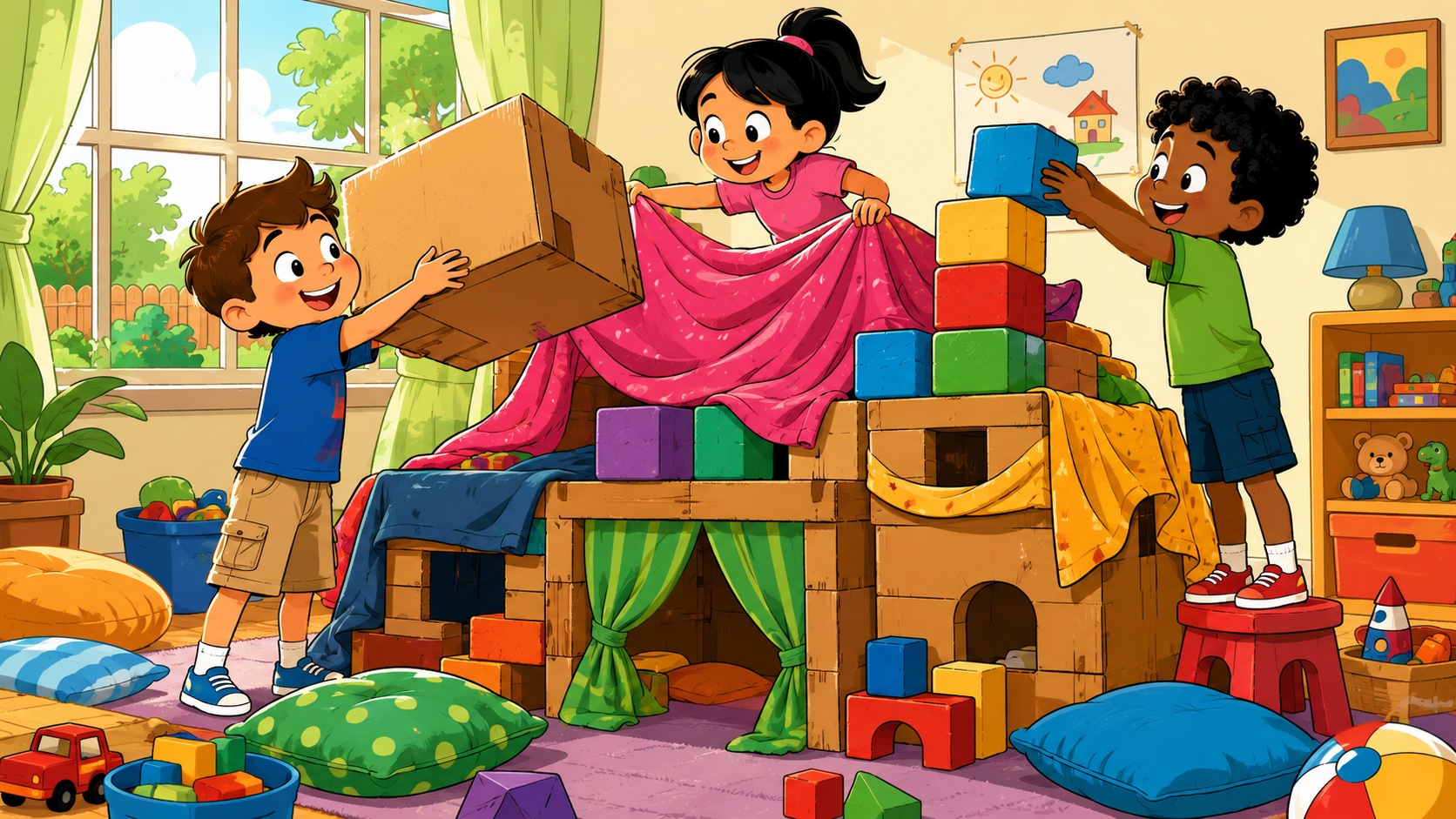
Two children sit on the floor with a massive pile of colorful building blocks. At first, everything is peaceful. However, friction suddenly strikes.
One child desperately wants to build a towering, futuristic spaceship. Meanwhile, the other child is fully committed to constructing a sprawling, medieval castle. Immediately, the peaceful playdate turns into a battle of wills. Voices raise.
Hands grab at the same square blocks. Ultimately, the game stalls completely because neither child is willing to let go of their specific vision.
Navigating these creative collisions is incredibly difficult for young children. In early childhood, kids are just beginning to develop their own strong ideas.
Therefore, letting go of a deeply held plan feels like a massive loss. We often tell them to simply “play nicely” or “take turns.”
However, relational cooperation is actually much deeper than simply passing a toy back and forth.
True cooperation is the profound ability to merge two entirely different ideas into one beautiful, shared path. It requires deep listening, genuine compromise, and immense emotional flexibility.
Learning to collaborate is a vital, lifelong relationship skill.
Children need to understand that working together does not mean erasing their own voice. Instead, it means adding their unique voice to a beautiful, collective harmony.
When kids learn to truly cooperate, the results are deeply magical.
They discover that a castle-spaceship hybrid is actually far more exciting than anything they could have imagined alone.
Most importantly, they learn that the joy of a shared relationship is vastly more rewarding than getting their own way.
That is precisely why we rely on the gentle power of children’s literature. Books provide a safe, comforting rehearsal space for these messy relational moments.
By reading these carefully chosen stories, you give your child a tangible roadmap for teamwork. You visually show them the deep frustration of stubbornness and the immense joy of collaboration.
Let us dive into eight beautifully unique stories that inspire true, relational cooperation.
Boxitects by Kim Smith
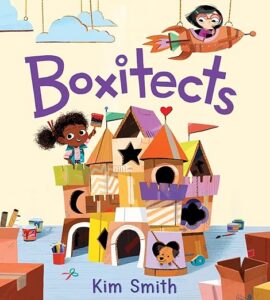
This is a vibrant, energetic story about the intense rivalry between two highly creative builders.
It perfectly captures the friction that happens when two strong-willed children refuse to collaborate. The illustrations are incredibly detailed and colorful.
Your child will immediately relate to the desire to be the absolute best at something. Furthermore, the story masterfully shifts from toxic competition to beautiful, creative teamwork.
What kids notice: Children are completely captivated by the massive, intricate cardboard structures the characters build, especially the towering, wobbly castle.
Story snapshot: Meg is a brilliant “boxitect” who builds incredible things out of cardboard. She is the best in her class until a new girl named Simone arrives. Simone is also a boxitect, and a fierce rivalry instantly begins.
During a massive building competition, their stubborn refusal to cooperate leads to a disastrous, tumbling crash. Finally, they realize their individual skills complement each other perfectly, and they team up to build something magnificent.
Why this book helps: This story tackles the “my way is better” mindset head-on.
Often, kids refuse to cooperate because they view playmates as competitors. This book gently dismantles that relational barrier. It shows your child that merging different talents creates a vastly superior shared path.
Consequently, it teaches them that true cooperation is about recognizing and celebrating the unique strengths of a friend.
Going Places by Peter and Paul Reynolds
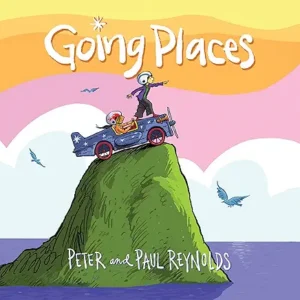
This book is a breathtaking exploration of combining different thinking styles.
It highlights the profound difference between rigidly following the rules and thinking outside the box.
The artwork is whimsical, sweeping, and highly engaging.
It beautifully illustrates how two completely opposite children can forge a powerful, cooperative partnership. It is a must-read for any child who struggles to play with kids who have different ideas.
What kids notice: Kids love watching the standard, boring go-karts transform into a wildly imaginative, flying mechanical frog.
Story snapshot: The entire class enters a go-kart building contest. Everyone receives the exact same kit and identical instructions. Rafael carefully follows the rules perfectly.
However, his imaginative neighbor Maya decides to build something completely different. Initially, Rafael is highly skeptical. Eventually, he decides to embrace her wild vision.
They merge his technical skills with her grand imagination, cooperating to create a flying machine that completely redefines the race.
Why this book helps: Relational conflict often happens when one child wants to play by the rules and another wants to play pretend.
This story brilliantly bridges that specific gap.
It teaches your child that different play styles are not a threat to the game. Instead, diverse ideas are the secret ingredient to an unforgettable adventure. It ultimately proves that cooperation requires honoring someone else’s unique perspective.
That Fruit Is Mine! by Anuska Allepuz
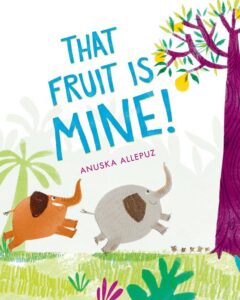
This is a hilarious, visually striking fable about the absolute futility of selfishness. It features five incredibly stubborn elephants and a massive, delicious-looking exotic fruit. The pacing is incredibly snappy and fun.
It strips the concept of cooperation down to its most basic, literal level.
It is a fantastic, humorous read-aloud that will have your child laughing while learning.
What kids notice: Children find immense joy in the physical comedy of the large, clumsy elephants repeatedly failing to reach the tall tree branches.
Story snapshot: Deep in the jungle, five elephants spot a beautiful, newly grown fruit high in a tree.
Simultaneously, they all shout, “That fruit is mine!” They each try bizarre, individual methods to reach it, but they all fail miserably. Meanwhile, a large group of tiny mice quietly works together in the background.
The mice form a highly coordinated, cooperative chain, easily reaching the fruit and sharing it. Finally, the elephants realize their selfishness is keeping them hungry.
Why this book helps: Sometimes, children need a very literal, visual metaphor to grasp a complex relational concept.
This book perfectly delivers that lesson. It clearly demonstrates that refusing to cooperate ultimately leaves everyone empty-handed.
By watching the tiny mice succeed where the giant elephants fail, your child learns that teamwork is a superpower. It proves that a shared path always leads to the sweetest reward.
The Enormous Potato by Aubrey Davis
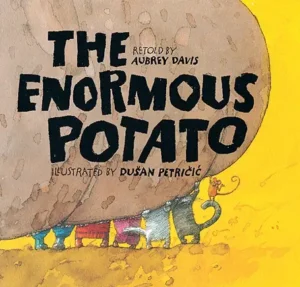
This classic folktale is a rhythmic, cumulative masterpiece about community effort.
The narrative builds slowly, adding more and more characters to a seemingly impossible task. The repetitive text is incredibly soothing.
It perfectly highlights how a heavy burden becomes light when everyone pitches in. It is a beautiful celebration of communal, relational harmony.
What kids notice: Kids absolutely love joining in on the repetitive “they pulled and they pulled” chant on every single page.
Story snapshot: A hopeful farmer plants a single potato eye. Miraculously, it grows into an absolutely enormous, gigantic potato.
When harvest time arrives, the farmer cannot pull it out of the ground alone. He calls his wife for help.
Then, they call their daughter. Eventually, the dog, the cat, and the mouse all join the massive chain. Through incredible teamwork, the potato finally pops out, and the entire village shares a massive feast.
Why this book helps: This story gently teaches the vital virtue of collective effort. In cooperative play, every single child’s contribution matters deeply.
This book proves that even the smallest helper (like the tiny mouse) is absolutely essential to the team’s success.
It encourages your child to value everyone’s input and realize that big relational goals are only achieved together.
Up The Creek by Kevin Miller
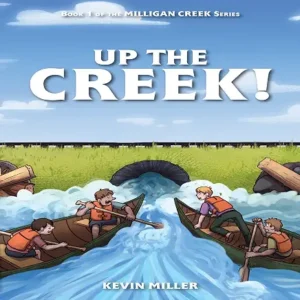
This is a fast-paced, action-packed adventure about the urgent necessity of working together.
Three classic animal friends find themselves in a very precarious situation on a rushing river. The rhyming text gives the story an excellent, driving rhythm.
It beautifully illustrates what happens when a team refuses to communicate. It is an incredibly fun, slightly chaotic lesson in finding a shared rhythm.
What kids notice: Children are completely absorbed by the thrilling, splashing water and the hilarious, panicked expressions on the animals’ faces.
Story snapshot: A bear, a moose, and a beaver decide to go on a peaceful canoe trip. Unfortunately, they cannot agree on who should paddle, who should steer, or which direction to take.
Their stubborn bickering causes the canoe to spin completely out of control. Suddenly, they realize they are heading straight for a massive waterfall. To survive the drop, they must instantly stop arguing, sync their paddles, and fiercely cooperate.
Why this book helps: Playdates can quickly feel like a canoe spinning out of control when kids refuse to listen to each other.
This story uses high-stakes humor to prove a profound point. It shows your child that bickering and stubbornness derail the entire journey.
Most importantly, it models how to quickly reset, compromise, and paddle in the same direction to save the relational peace.
Stone Soup by Jon J. Muth
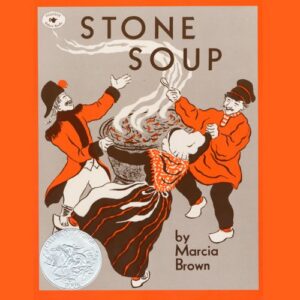
This breathtaking book is a deeply moving exploration of generosity, trust, and communal cooperation.
The watercolor illustrations are soft, serene, and incredibly calming. It takes place in a village that has completely forgotten how to be relational.
It shows how one small act of shared purpose can entirely thaw a frozen community. It is a profound, timeless lesson on opening our hearts to others.
What kids notice: Kids are fascinated by the visual trick of starting a delicious soup with three ordinary, smooth stones.
Story snapshot: Three peaceful monks arrive in a wary, isolated village where neighbors fiercely hoard their food and refuse to speak to one another.
The monks calmly set up a pot, fill it with water, and drop in three stones to make “stone soup.” Intrigued by this strange act, the curious villagers slowly emerge.
One by one, they begin offering a single ingredient to improve the broth. Through this gentle cooperation, they inadvertently create a massive, joyous feast.
Why this book helps: This story tackles the root cause of poor cooperation: a fear of sharing.
When children fiercely guard their toys or their ideas, they isolate themselves. This beautiful book shows your child that hoarding leads to a very lonely life.
Conversely, it proves that when we open up and willingly combine our resources, we create immense relational joy. It is a perfect blueprint for shared, cooperative play.
Roxaboxen by Alice McLerran
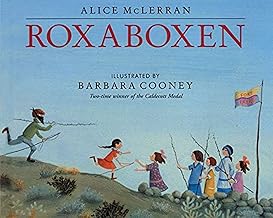
This book is a nostalgic, lyrical tribute to the immense power of sustained, cooperative imagination.
It explores how a group of neighborhood children built an entire society out of rocks and boxes.
The tone is respectful, quiet, and deeply magical.
It highlights the beautiful, unspoken rules that govern healthy group play. It is an inspiring look at what kids can achieve when they completely commit to a shared vision.
What kids notice: Children love the detailed map of Roxaboxen on the endpapers, carefully tracing the imaginary streets and houses.
Story snapshot: On a rocky, barren hill across the street, a group of children decides to build a town. Using only discarded crates, smooth stones, and wild imagination, they establish Roxaboxen.
They cooperatively build houses, open bakeries, and enforce gentle town rules.
Over the years, the kids deeply respect the shared space, never crossing boundaries without permission, and maintaining the magical illusion together through perfect teamwork.
Why this book helps: Cooperative play requires immense respect for shared boundaries and shared ideas.
This story brilliantly models that long-term relational harmony.
It shows your child how a diverse group of kids can successfully navigate disagreements to preserve a beautiful, collective game. It inspires them to view their playmates not as obstacles, but as essential co-creators of their imaginary worlds.
The Little Red Fort by Brenda Maier
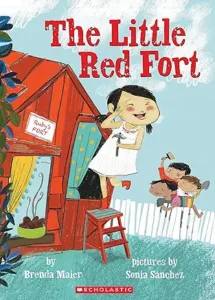
This is a clever, empowering, modern twist on the classic “Little Red Hen” fable.
It focuses heavily on the actual labor required to build a shared path. The artwork is bright, dynamic, and full of action.
It teaches a highly valuable lesson: you cannot simply reap the rewards of cooperation without putting in the relational work. It is deeply satisfying and highly relatable.
What kids notice: Kids are incredibly impressed by Ruby’s actual toolbelt and her ability to saw wood and hammer nails all by herself.
Story snapshot: Ruby decides to build a magnificent fort out of scrap wood. She asks her brothers to help her draw the plans, gather the wood, and cut the boards.
Every single time, they lazily refuse.
So, Ruby courageously builds the entire fort by herself. When it is finally finished, the brothers immediately want to play inside.
Ruby initially says no. However, the boys realize their mistake and decide to cooperatively build a mailbox and plant flowers to respectfully earn their spot.
Why this book helps: In many playdates, one child does all the heavy lifting while the others just want to control the outcome.
This book tackles the unfairness of one-sided relationships. It teaches your child that true cooperation is an active verb.
It shows them that healthy friendships require mutual effort. Ultimately, it proves that a shared path is only sustainable when everyone is willing to pick up a hammer and help.
Put Your Child in the Heart of the Story
Books are truly incredible teachers. However, reading a book with your own name printed on the pages is pure, undeniable magic. Therefore, Scrively helps you create custom children’s books easily and beautifully.
You can seamlessly build a story where your child is the brave, cooperative protagonist.
For instance, they can practice merging ideas, sharing toys, and resolving block-tower conflicts right on the printed page. Ultimately, this places them at the very heart of their own emotional growth, allowing them to rehearse the virtue of cooperation before the next playdate begins.
Navigating the complex geometry of early childhood friendships is rarely smooth. In fact, learning to merge different ideas will almost always cause some friction or tears.
However, every awkward moment, every argument over a toy, is a profound chance to learn.
By reading these carefully curated stories, you give your child the right words. Most importantly, you teach them that true friendship means having the courage to embrace new ideas.
Finally, they will learn to be beautiful collaborators, walking confidently down a shared path with everyone they meet.