When Your Child Wonders Where They Fit: Books That Build Cultural Pride
You see it in the quiet moments of the day.
Your child looks in the mirror and asks a sudden question.
Consequently, they start noticing how their lunch, their name, or their hair is different from their friends.
They might feel a sudden urge to blend in and hide those unique differences.
This is a completely normal part of growing up.
Children want to belong to the crowd, but they also need to know who they are.
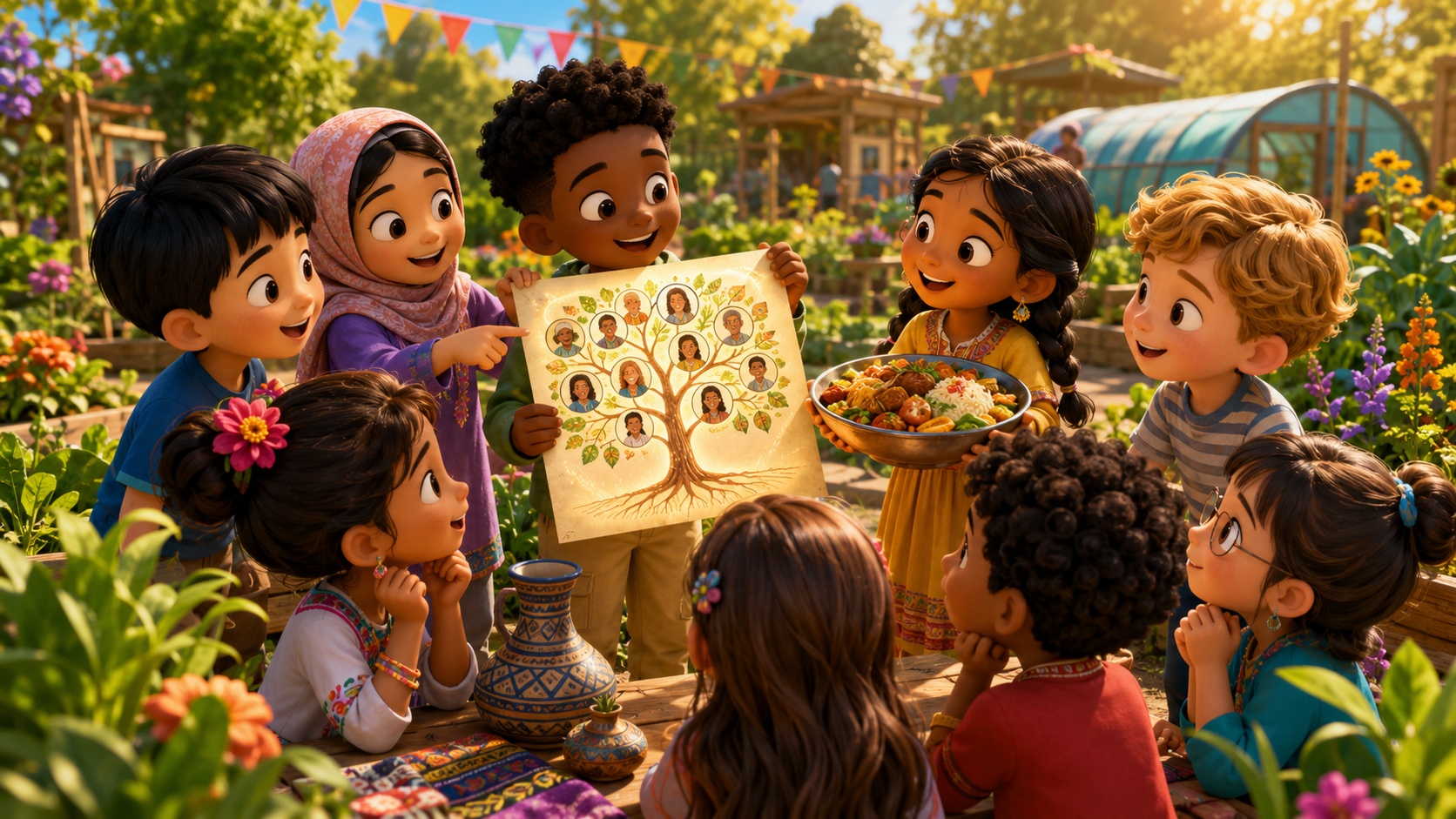
Therefore, our job as parents is to help them celebrate their family heritage.
We want them to find joy in their personal history while remaining open to a diverse community.
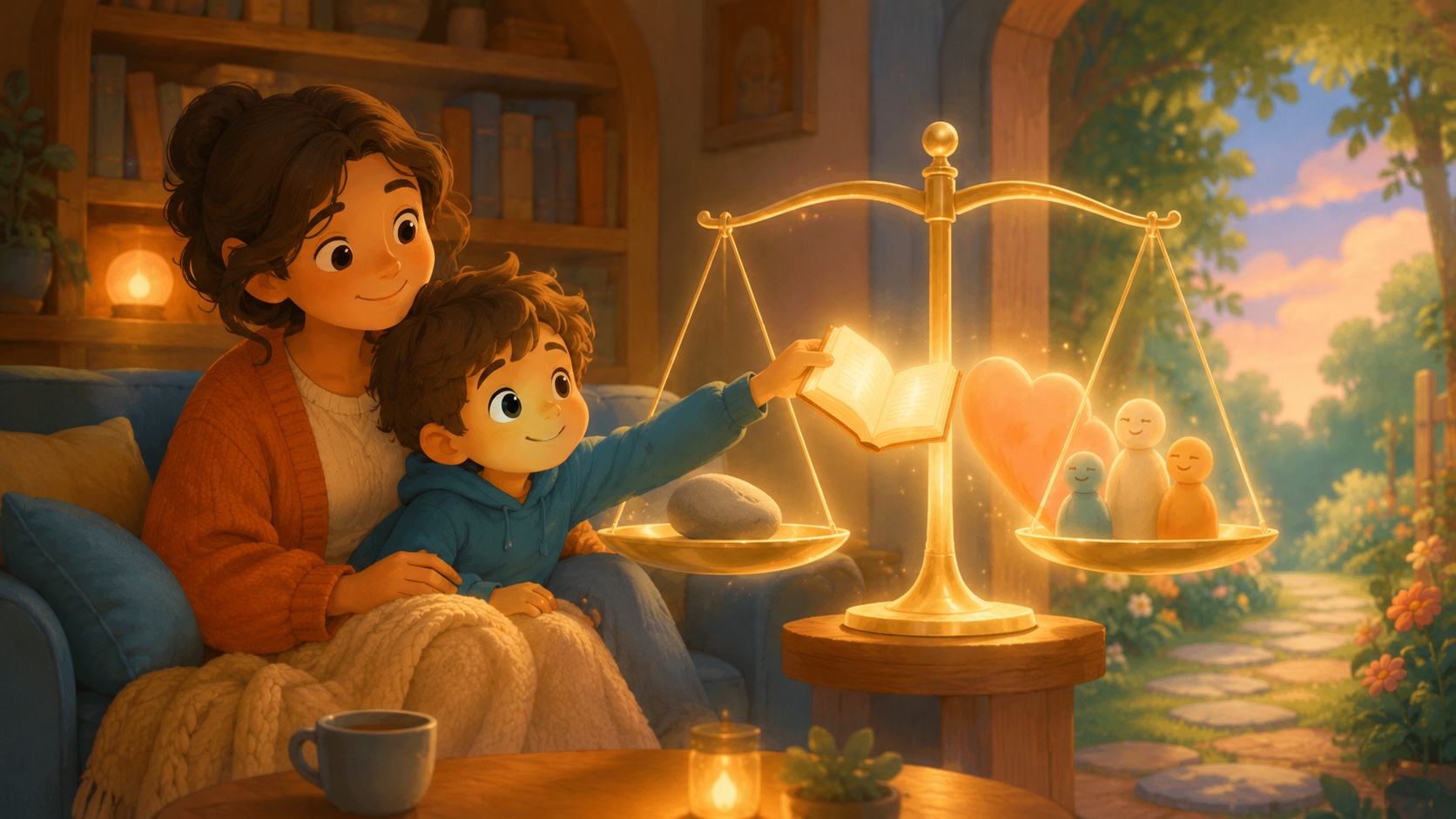
This concept is what we call giving them “Roots and Wings.”
Roots give them a deep, unbreakable connection to their ancestors and culture.
Wings give them the confidence to fly in a wide, diverse world.
Most importantly, reading stories together is the best way to spark these beautiful conversations.
Alma and How She Got Her Name by Juana Martinez-Neal
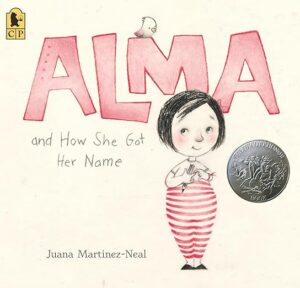
This gentle book is a true treasure for young readers.
For instance, it introduces a little girl who feels burdened by her very long name.
She thinks it is simply too big for her.
However, her father sits down to explain the rich history behind each of her names.
What kids notice: The soft, beautiful illustrations and Alma’s changing facial expressions.
Story snapshot: Alma has six names, and she thinks they never fit on a piece of paper.
Consequently, her father tells her the story of her grandmother, her grandfather, and other relatives who inspired her names.
By the end, Alma realizes her name is exactly right for her.
Why this book helps: Most importantly, this story directly links a child to their ancestors.
It shows that a name is much more than just a label.
Furthermore, it is a piece of history that a child carries with them every single day.
Consequently, children learn that they are a beautiful mix of everyone who came before them.
This builds deep, lasting confidence in their own identity.
As a result, your child can see their own name as a badge of honor.
Watercress by Andrea Wang
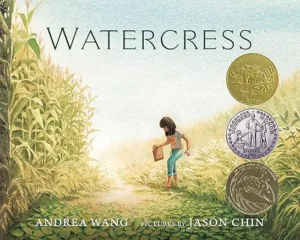
This powerful story beautifully captures the complex feelings of a child of immigrants.
The writing is poetic, deeply moving, and honest.
Similarly, the artwork paints a vivid picture of memory and family connection.
What kids notice: The muddy ditch where the family stops the car and the girl’s clear embarrassment.
Story snapshot: A young girl is riding in the car with her parents in rural Ohio.
Suddenly, her parents spot wild watercress growing in a ditch and stop to pick it.
Initially, the girl feels deeply embarrassed by this action.
However, her mother shares a touching story about her own childhood in China.
Why this book helps: Above all, this book validates the feeling of wanting to fit in.
It is perfectly normal for a child to feel awkward about family traditions that seem different.
Furthermore, it shows how sharing family history bridges the gap between generations.
When the mother shares her past, the girl’s embarrassment transforms into empathy and pride.
Consequently, it teaches children that looking back helps us move forward with strength.
It opens a safe space for parents to share their own childhood stories.
The Name Jar by Yangsook Choi
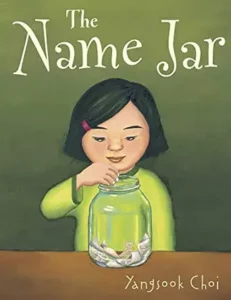
This classic book is a must-read for any child starting a new school.
It tackles the anxiety of being the “new kid” with incredible warmth.
Furthermore, it explores the specific challenge of having a name that is hard for others to say.
What kids notice: The glass jar filled with tiny slips of paper on the school desk.
Story snapshot: Unhei has just moved from Korea and is anxious about her new American school.
Therefore, instead of introducing herself, she decides to pick an American name from a glass jar.
Her classmates fill the jar with suggestions.
However, a new friend helps her realize her true name is special.
Why this book helps: First, it addresses the heavy pressure children feel to conform to the crowd.
Unhei’s desire to hide her identity is a feeling many children can relate to easily.
Most importantly, the story celebrates the courage it takes to be your authentic self.
Furthermore, it shows the power of supportive friends who embrace you just as you are.
Consequently, it teaches kids to be proud of their cultural background.
As a result, they learn that true friends will take the time to learn their real names.
Fry Bread: A Native American Family Story by Kevin Noble Maillard
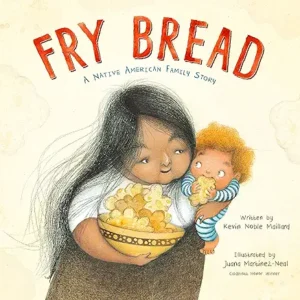
This joyful book is a beautiful celebration of Native American culture.
It uses food as the central theme to explore history, family, and survival.
The rhymes are rhythmic, engaging, and perfect for reading out loud.
What kids notice: The messy, happy kitchen and the diverse faces of the family members.
Story snapshot: The book tells the story of fry bread and what it means to Native American families.
It explores how the bread represents sound, color, flavor, and time.
Furthermore, it shows families cooking together and sharing a meal.
Why this book helps: Most importantly, it shows that culture is something we actively create and share.
Food is a universal language that kids understand instantly.
Consequently, connecting cultural pride to a sensory experience like baking makes it tangible.
Furthermore, it highlights that families come in all shapes, colors, and sizes.
This broadens a child’s understanding of community and belonging.
As a result, it encourages families to cherish their own special recipes and traditions.
Hair Love by Matthew A. Cherry
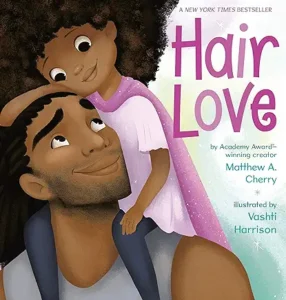
This book is a delightful and humorous celebration of self-love.
It highlights the special bond between a father and his daughter.
Similarly, it turns a regular morning routine into an epic, magical adventure.
What kids notice: The little girl’s big, beautiful hair and the dad’s funny struggles to style it.
Story snapshot: Zuri has hair that has a mind of its own.
Today is a very special day, and she needs the perfect hairstyle.
Therefore, her father steps up to the plate to help her.
Despite a few funny mistakes, they work together to create a stunning look.
Why this book helps: Above all, it teaches children to love their natural physical traits.
Learning to love the skin you are in is a massive step in building confidence.
Furthermore, the father’s dedication models wonderful supportive leadership in the home.
Consequently, kids see that it is okay to be different and to stand out.
It normalizes diverse beauty standards in a highly accessible way.
As a result, children learn to view their unique features with immense pride.
Eyes That Kiss in the Corners by Joanna Ho
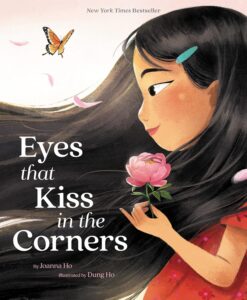
This story is a stunningly poetic ode to family resemblance.
The language flows like a song, filling the reader with warmth.
Furthermore, the illustrations are bright, glowing, and full of joy.
What kids notice: The beautiful flowers and the warm smiles shared between the women in the family.
Story snapshot: A young Asian girl notices that her eyes look different from her peers.
They do not have big, round lashes.
However, she realizes her eyes kiss in the corners and glow like warm tea.
Most importantly, they are just like her mother’s, her grandmother’s, and her little sister’s eyes.
Why this book helps: First, it reframes a physical difference as a magical point of connection.
When a child feels insecure about how they look, pointing to family members provides comfort.
Consequently, the girl draws her strength directly from the women who came before her.
Furthermore, it gives children the exact vocabulary they need to praise their own features.
Self-love is a habit that requires daily practice and positive words.
As a result, this book provides the perfect script for building true inner confidence.
Drawn Together by Minh Lê
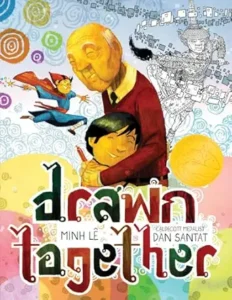
This book is a brilliant exploration of the generational gap.
It tackles the frustration of not being able to speak the same language.
However, it relies mostly on breathtaking art rather than a lot of words to tell the story.
What kids notice: The amazing clash of art styles, from black-and-white sketches to vibrant comic book colors.
Story snapshot: A young boy visits his grandfather, but they cannot speak the same language.
They sit in silence, eating different foods and feeling very far apart.
Consequently, the boy takes out his markers to draw.
His grandfather takes out his sketchbook, and they suddenly connect through their shared love of art.
Why this book helps: Most importantly, it shows that love does not always require words.
Many children struggle to connect with older relatives due to language or cultural barriers.
Furthermore, this story proves that shared passions can bridge any divide.
Consequently, it encourages kids to find creative ways to bond with their family.
It validates the initial frustration but provides a hopeful, actionable solution.
As a result, it fosters a deep appreciation for the wisdom of older generations.
Where Are You From? by Yamile Saied Méndez
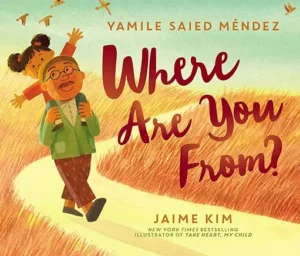
This book directly addresses a question many diverse children face frequently.
It is a gentle, empowering guide to understanding personal origins.
Similarly, it shifts the focus from geography to love and family history.
What kids notice: The expansive, dreamy landscapes and the comforting presence of the grandfather.
Story snapshot: A little girl is constantly asked where she is from.
Because she feels she does not have a simple answer, she asks her beloved Abuelo.
He does not name a specific country or city.
Instead, he tells her she is from the golden plains, the blue oceans, and the strong people in her family.
Why this book helps: Above all, it gives children a powerful way to answer a tricky question.
It teaches them that their identity is not limited to a dot on a map.
Furthermore, it roots their existence in the natural world and the love of their ancestors.
Consequently, this helps kids feel deeply grounded no matter where they live right now.
It removes the pressure to fit their complex heritage into a single, neat box.
As a result, they can carry their rich history with them proudly.
Dreamers by Yuyi Morales

This visually stunning book tells a deeply personal story of immigration.
It is a tribute to resilience, hope, and the magical power of public libraries.
The tone is hopeful, brave, and incredibly inspiring.
What kids notice: The magical flying books and the bond between the mother and her baby.
Story snapshot: A mother and her young child leave their home to start a new life in a new country.
Initially, they struggle to understand the language and the strange new customs.
However, they soon discover the local library.
Through the books they find there, they learn to navigate their new world while holding onto their dreams.
Why this book helps: Most importantly, it fosters immense empathy for the immigrant experience.
It highlights the massive courage it takes to leave everything behind and start over.
Furthermore, it celebrates the incredible power of reading and storytelling to unite us.
Consequently, children learn that being a “dreamer” is a sign of profound strength.
It encourages them to be welcoming to newcomers in their own communities.
As a result, it perfectly balances celebrating cultural roots with embracing a new, diverse future.
Put Your Child in the Heart of the Story
Sometimes the most powerful story a child can read is their own.
With Scrively, you can create 100% custom kid’s books tailored exactly to your family.
For instance, you can weave their unique name, their heritage, and their specific challenges right into the plot.
Consequently, they get to see themselves as the brave hero of their own beautiful adventure.
Head over to Scrively today to craft a story that celebrates their unique roots and wings.
Parenting is a constant balance of holding on and letting go.
By filling their shelves with these beautiful, culturally rich books, you are doing the essential work.
You are giving them the deep roots they need to feel secure.
Most importantly, you are giving them the strong wings they need to soar.