Best Books for New Year’s Resolutions for Kids: Building Confidence, One Small Step at a Time
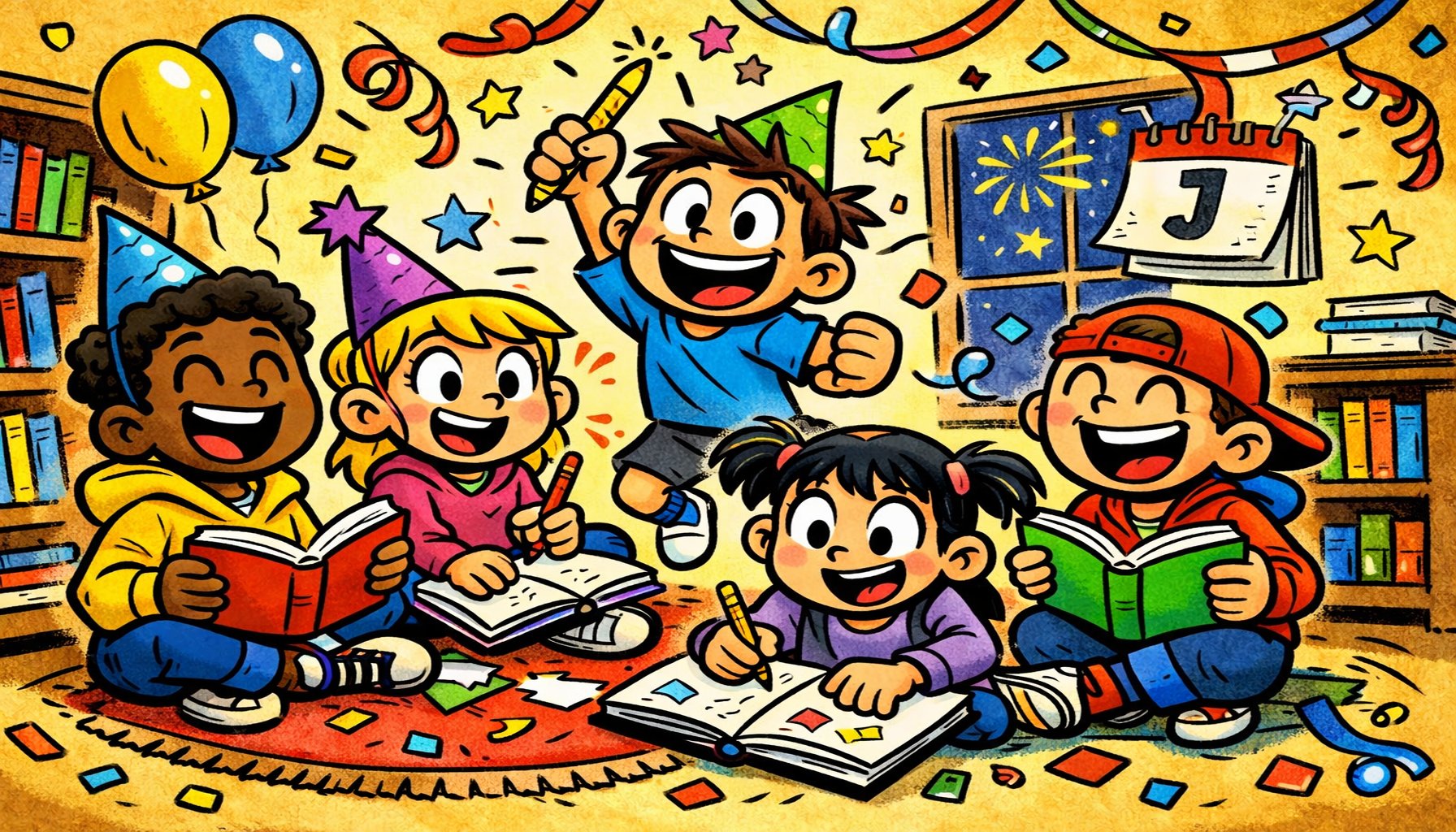
The New Year feels different to kids than it does to adults. It’s not about fixing flaws or chasing perfection.
It’s about possibility. A blank page. A chance to try something new, think a new thought, or imagine a slightly braver version of themselves.
For children, New Year’s resolutions aren’t checklists — they’re stories waiting to be told.
At different ages, “goals” look very different.
For a preschooler, a resolution might be learning to zip a coat or sleep with the light off.
For an early elementary kid, it might be reading independently, being kinder to a sibling, or practicing patience.
Older kids may start experimenting with routines, responsibilities, or personal interests. The common thread isn’t achievement — it’s effort.
That’s where books shine. Stories allow kids to explore growth without pressure. They show characters trying, stumbling, adjusting, and trying again. They normalize mistakes.
They frame change as something gentle and human rather than intimidating or all-or-nothing.
The best books for New Year’s resolutions don’t lecture. They invite. They model curiosity, kindness, and resilience.
They help kids see that growth happens in tiny steps — often quietly — and that who you’re becoming matters more than what you accomplish.
The following books are especially well-suited for helping kids think about fresh starts, healthy habits, and personal growth in a way that feels safe, hopeful, and age-appropriate.
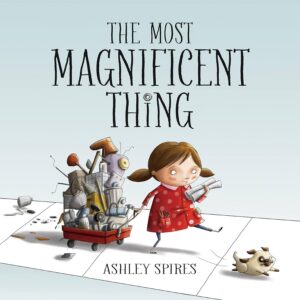
The Most Magnificent Thing — Ashley Spires
Core Themes:
- Perseverance
- Creativity
- Trying again
Story Snapshot:
A determined girl sets out to make the most magnificent thing she can imagine — but it doesn’t work out the way she expects. Frustration builds, mistakes pile up, and quitting feels tempting.
How this book helps kids think about goals, habits, or personal growth:
This story reframes failure as part of the process. It shows kids that effort, rest, and perspective are essential tools for growth — a perfect foundation for setting realistic, compassionate goals.
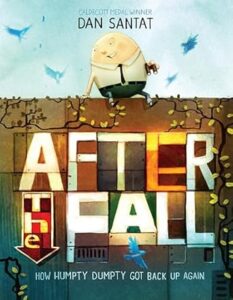
After the Fall (How Humpty Dumpty Got Back Up Again) — Dan Santat
Core Themes:
- Courage
- Resilience
- Facing fears
Story Snapshot:
Humpty Dumpty survives his famous fall but is left fearful and hesitant. Slowly, he works up the courage to face what scared him most.
How this book helps kids think about goals, habits, or personal growth:
This book helps kids understand that healing and growth take time. It’s especially powerful for children whose “resolutions” involve emotional bravery — trying again after disappointment or fear.
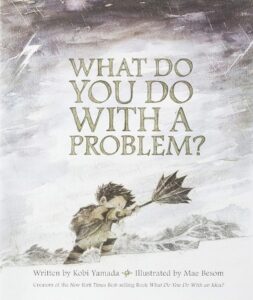
What Do You Do With a Problem? — Kobi Yamada
Core Themes:
- Problem-solving
- Perspective
- Confidence
Story Snapshot:
A child discovers that avoiding problems only makes them grow bigger. When faced head-on, those same problems can lead to unexpected growth.
How this book helps kids think about goals, habits, or personal growth:
This story teaches kids that challenges aren’t signs of failure — they’re invitations to grow. It encourages curiosity and courage as foundational habits.
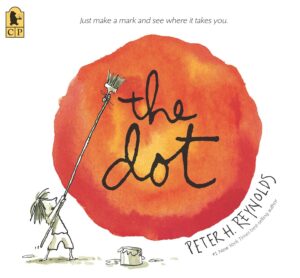
The Dot — Peter H. Reynolds
Core Themes:
- Self-belief
- Starting small
- Creative confidence
Story Snapshot:
Vashti believes she can’t draw — until a teacher challenges her to simply make a mark and see what happens.
How this book helps kids think about goals, habits, or personal growth:
The Dot is a masterclass in small beginnings. It helps kids understand that growth starts with showing up — not with being good right away.
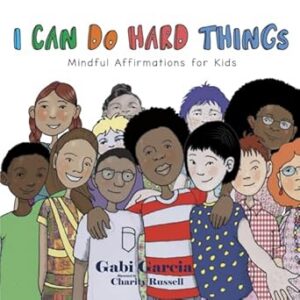
I Can Do Hard Things — Gabi Garcia
Core Themes:
- Emotional strength
- Self-talk
- Confidence
Story Snapshot:
Through simple affirmations and relatable scenarios, kids are reminded that they are capable of facing challenges big and small.
How this book helps kids think about goals, habits, or personal growth:
This book builds the internal language kids need when goals feel difficult. It reinforces resilience as a mindset, not a personality trait.
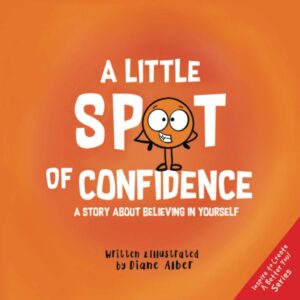
A Little Spot of Confidence — Diane Alber
Core Themes:
- Self-awareness
- Emotional growth
- Confidence-building
Story Snapshot:
A friendly “spot” helps children understand what confidence looks like, how it grows, and how it can be practiced.
How this book helps kids think about goals, habits, or personal growth:
This story breaks big emotional ideas into kid-sized pieces, helping children set goals around self-expression and courage.
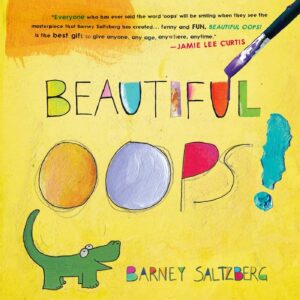
Beautiful Oops! — Barney Saltzberg
Core Themes:
- Mistakes as opportunities
- Creativity
- Flexibility
Story Snapshot:
Every “oops” in this book turns into something unexpectedly wonderful through imagination and play.
How this book helps kids think about goals, habits, or personal growth:
This book gently dismantles perfectionism and helps kids understand that growth often comes from detours, not straight lines.
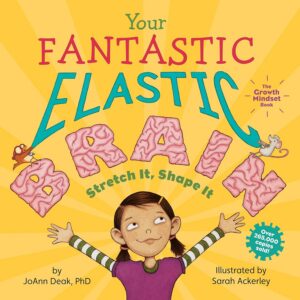
Your Fantastic Elastic Brain — JoAnn Deak
Core Themes:
- Growth mindset
- Brain development
- Learning through effort
Story Snapshot:
This accessible introduction to brain science explains how effort, practice, and mistakes help brains grow.
How this book helps kids think about goals, habits, or personal growth:
It gives kids a concrete, empowering explanation for why trying matters — even when results don’t come easily.
A Gentle Way Forward
New Year’s resolutions for kids don’t need to be bold declarations or perfectly followed plans.
They work best when they’re soft invitations — to try, to notice, to grow a little at a time.
When children learn that effort counts, mistakes are welcome, and growth is personal, they carry those lessons far beyond January.
One beautiful way to support this mindset is through storytelling — not just reading stories, but creating them.
With Scrively, kids can write and illustrate their own stories, including New Year tales where they star as brave learners, kind friends, or curious explorers.
Writing their goals into stories helps children imagine who they’re becoming — and reminds them that they get to define success in their own way.
Fresh starts don’t have to be loud. Sometimes they begin quietly — with a book, a conversation, and the belief that small steps are more than enough.