Helping Your Child Find Courage (One Small Brave Step at a Time)
You’ve seen that moment.
Your child pauses at the edge of something new — the top of a slide, the doorway of a classroom, the start of a conversation.
There’s a flicker of uncertainty. A quiet “I don’t know if I can.”
It’s easy to want to step in. To reassure. To encourage. Maybe even to nudge them forward.
But beneath that hesitation is something important taking shape.
Because courage doesn’t usually arrive as a bold, fearless leap. It shows up quietly. In small steps. In trying, even while feeling unsure.
And for children, those moments can feel big. Overwhelming, even. What looks like a small challenge from the outside can feel like a mountain on the inside.
That’s why stories matter.
Books give children a safe place to explore fear, hesitation, and bravery. They let kids see characters who feel the same uncertainty — and who find a way forward, one small step at a time.
Over time, those stories begin to shape something deeper: the belief that “maybe I can try too.”
Here are some of the most meaningful books to help children understand what courage really looks like — not loud or perfect, but steady, growing, and real.
Books That Help Kids Grow Courage
Jabari Jumps by Gaia Cornwall
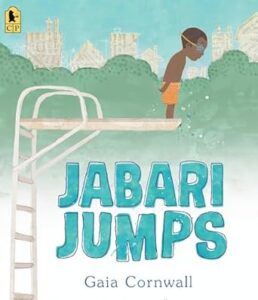
Jabari is ready to jump off the diving board. He tells everyone so. He climbs the ladder. He looks down. And then… he hesitates.
What follows is a gentle, familiar experience — the kind every child recognizes. Jabari wants to be brave, but he also feels unsure.
With patience and quiet encouragement from his dad, he learns that courage doesn’t mean not being scared. It means taking a breath and trying anyway.
This story resonates because it mirrors real life so closely. It shows that bravery can take time — and that pausing doesn’t mean failing.
What kids notice in this story
They see that feeling nervous is normal. They notice how Jabari keeps trying, even after stepping back. They begin to understand that courage can be slow.
The Thing Lou Couldn’t Do by Ashley Spires
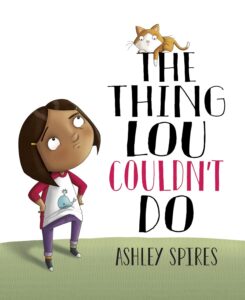
Lou is imaginative, creative, and confident — until she’s invited to climb a tree. Suddenly, she’s faced with something she’s not sure she can do.
Instead of jumping right in, Lou creates stories and distractions to avoid trying. It’s a familiar pattern. But eventually, she reframes the situation — realizing that maybe she can’t do it yet.
This small shift is powerful. It removes pressure and opens the door to growth.
The story gently shows that courage isn’t about immediate success. It’s about staying open to trying in the future.
What kids notice in this story
They recognize avoidance. They see that it’s okay not to be ready. They begin to understand the idea of “not yet.”
Ruby Finds a Worry by Tom Percival
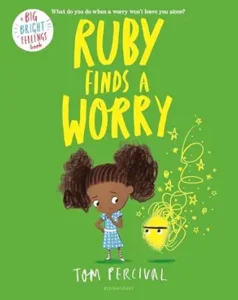
Ruby discovers a worry — and it grows.
At first, she tries to ignore it. But the more she avoids it, the bigger it becomes. Eventually, Ruby learns that talking about her worry helps it shrink.
This story brings emotional courage into focus. It shows that bravery isn’t always about action — sometimes it’s about sharing what you feel.
It’s especially powerful for children navigating anxiety or uncertainty.
What kids notice in this story
They recognize their own worries. They see that talking helps. They learn that courage can be quiet and emotional.
The Magical Yet by Angela DiTerlizzi
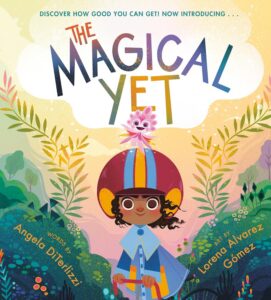
The “Yet” is a simple but transformative idea.
This book introduces the concept that abilities grow over time. You may not be able to do something yet — but that doesn’t mean you won’t.
Through rhythmic language and encouraging imagery, the story builds a mindset of persistence and possibility.
It shifts the focus from failure to growth — and that shift builds courage.
What kids notice in this story
They hear the word “yet” repeated. They begin to believe in growth. They understand that trying leads somewhere.
Brave Irene by William Steig
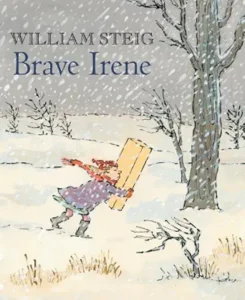
Irene has a mission: deliver a dress through a fierce snowstorm.
The journey is difficult. The wind pushes her back. The snow slows her down. But Irene keeps going.
This story presents courage as perseverance — continuing forward even when conditions are tough.
It’s a more traditional depiction of bravery, but still grounded in effort and determination rather than perfection.
What kids notice in this story
They see determination in action. They notice how Irene keeps going. They understand that effort matters.
What Do You Do With an Idea? by Kobi Yamada

An idea appears — and at first, it feels strange. Uncertain. Even a little scary.
The child in the story doesn’t know what to do with it. But over time, they begin to nurture it, protect it, and eventually share it.
This book captures a different kind of courage — the bravery to believe in something new.
It’s especially meaningful for children learning to trust their own thoughts and creativity.
What kids notice in this story
They see ideas grow. They notice hesitation turning into confidence. They understand that sharing can feel brave.
The Bear and the Piano by David Litchfield

A bear discovers a piano in the forest. At first, he’s unsure. But he begins to play — and eventually, he shares his music with others.
The journey takes him far from home, into new and unfamiliar places.
This story explores courage through exploration and self-expression. It shows that stepping into something new can be both exciting and uncertain.
And that growth often comes from those experiences.
What kids notice in this story
They see curiosity lead to change. They notice how the bear tries something new. They feel the pull of exploration.
Jabari Tries by Gaia Cornwall
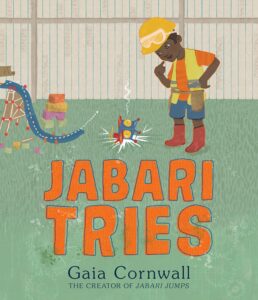
Jabari returns — this time building a machine that doesn’t quite work the way he hopes.
Frustration sets in. He wants to give up. But with support, he learns to pause, reset, and try again.
This story focuses on persistence and emotional regulation — both essential parts of courage.
It shows that trying again is its own kind of bravery.
What kids notice in this story
They recognize frustration. They see that breaks can help. They understand that trying again matters.
Giraffes Can’t Dance by Giles Andreae
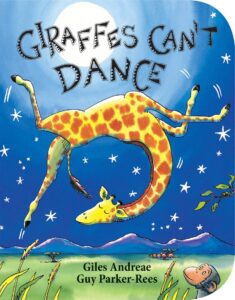
Gerald the giraffe wants to dance — but others say he can’t.
At first, he believes them. But with encouragement, he finds his own rhythm and discovers that he can dance — just differently.
This story highlights courage in the face of self-doubt and comparison.
It reminds children that being different isn’t a weakness — it’s a strength.
What kids notice in this story
They see Gerald struggle. They notice how he finds his own way. They feel encouraged to be themselves.
Why These Stories Matter
Courage doesn’t arrive all at once.
It builds slowly — through small moments, repeated experiences, and gentle encouragement. A child trying something new. Speaking up. Taking a step forward even when they feel unsure.
These books help make those moments visible.
They show children that fear is not something to avoid — it’s something to move through, at their own pace.
And when you return to these stories — again and again — something begins to shift. The unfamiliar becomes a little more familiar. The hard thing feels just a little more possible.
A Gentle Way to Bring Courage Into Their Story
Stories don’t just teach courage — they let children experience it.
That’s part of what makes personalized storytelling so powerful.
When your child becomes the character — when they see themselves trying, growing, and navigating challenges — the lesson becomes more than something they read. It becomes something they feel.
That’s where Scrively comes in.
It gives you a way to place your child inside a story where they can face small challenges, take brave steps, and grow in their own way. Not rushed. Not pressured. Just gently encouraged.
Because sometimes the most meaningful courage comes from seeing yourself as someone who can try.
Growing Courage, One Small Step at a Time
You don’t need big, dramatic moments to build courage.
It happens in the everyday.
Trying something new. Walking into a room. Raising a hand. Saying, “I’ll try.”
Those moments may seem small — but they add up.
And over time, they shape something lasting.
Because courage isn’t about being fearless.
It’s about moving forward, even when you’re not.