When Kids Argue With Friends: The Best Books to Help Them Through It
Friendship conflicts tend to arrive quietly at this age.
A look that feels wrong. A game that suddenly falls apart. A friend who says, “I don’t want to play anymore,” and means it for just long enough to sting.
When you’re watching a four- to seven-year-old navigate moments like these, it’s easy to feel pulled into urgency.
You want to fix it. You want to explain. You want the hurt feelings to disappear as quickly as they showed up.
But friendship conflict isn’t a detour from learning how relationships work. It’s the road itself. Disagreements, misunderstandings, and boundary bumps are how kids begin to understand closeness, difference, and repair.
What children often need most in these moments isn’t a solution. It’s space to see what happened without feeling blamed or rushed. Stories offer that space. They slow the moment down.
They give kids a little distance from their own feelings while still letting them recognize themselves inside the story.
When you read about characters who struggle, argue, drift apart, and come back together, you’re offering your child a calm rehearsal.
A way to explore messy feelings safely. A reminder that friendships don’t end just because something hard happened.
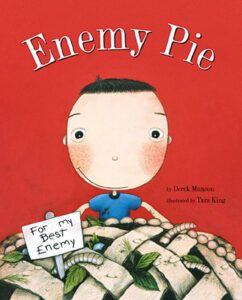
Enemy Pie — Derek Munson
What kids notice in this story:
Kids tend to focus on the confusion of mixed feelings here — wanting a problem to go away, feeling angry, and slowly realizing that the situation isn’t as simple as it first appeared.
They notice how expectations shift and how curiosity can soften anger.
Story Snapshot:
A young boy believes he has an enemy and is eager for a mysterious solution his father proposes. Over the course of a day, something unexpected happens that changes how the boy sees his “enemy.”
Why this book helps kids handle friendship conflicts:
This story gently shows how misunderstandings can grow when feelings go unchecked. It helps kids notice that conflict doesn’t always mean someone is bad — sometimes it means there’s more to learn.
The book leaves room for repair to emerge naturally, without forcing an apology or a lesson.
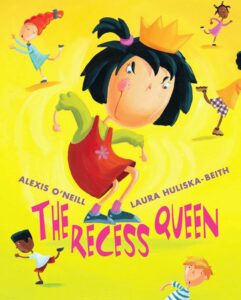
The Recess Queen — Alexis O’Neill
What kids notice in this story:
Children often zero in on the social imbalance — who has power, who feels left out, and how tense the playground can feel.
They recognize the quiet bravery it takes to approach someone who has caused hurt.
Story Snapshot:
On the playground, one child controls recess through intimidation. A new student enters the scene and responds in an unexpected way that shifts the dynamic.
Why this book helps kids handle friendship conflicts:
Rather than framing conflict as something to defeat, this story shows how relationships can change when someone chooses connection over retaliation.
It helps kids understand that even ongoing conflicts can soften, and that repair doesn’t always look dramatic or immediate.
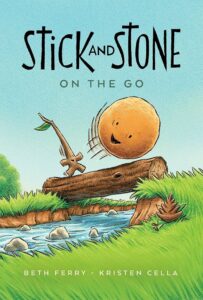
Stick and Stone — Beth Ferry
What kids notice in this story:
Kids tend to latch onto the feeling of standing alone — and the relief when someone notices and stays. They see how small acts of support can change how conflict feels.
Story Snapshot:
Stick and Stone meet under difficult circumstances and slowly form a friendship built on showing up for each other, even when things go wrong.
Why this book helps kids handle friendship conflicts:
This book reinforces that conflict and hardship don’t cancel friendship — they often reveal it.
Children see how loyalty and repair can exist quietly, without speeches or explanations, making it easier to imagine doing the same in their own lives.
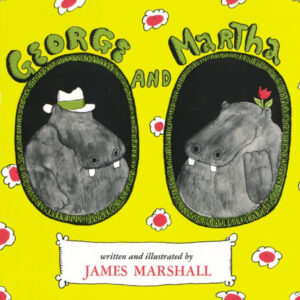
George and Martha — James Marshall
What kids notice in this story:
Children notice how friends can annoy each other and still care deeply. They recognize everyday frustrations and the comfort of familiarity that keeps the friendship intact.
Story Snapshot:
Through short, humorous stories, George and Martha navigate small conflicts, misunderstandings, and differences that naturally arise between close friends.
Why this book helps kids handle friendship conflicts:
By showing repeated cycles of irritation and reconnection, this book normalizes conflict as part of ongoing friendship. Kids learn that repair doesn’t have to be perfect — sometimes it’s just continuing to care and try again.
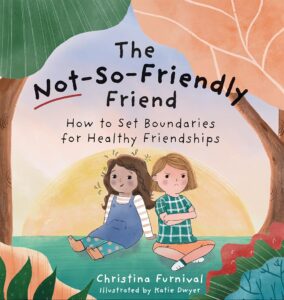
The Not-So-Friendly Friend — Christina Furnival
What kids notice in this story:
Kids often recognize the confusion of liking someone who sometimes hurts their feelings. They notice the internal tug-of-war between wanting closeness and needing space.
Story Snapshot:
A child navigates a friendship that feels unpredictable, learning how to notice boundaries and emotions along the way.
Why this book helps kids handle friendship conflicts:
This story supports children in understanding that friendship conflict can include mixed emotions.
It helps kids see that noticing discomfort is part of learning how relationships work, and that repair sometimes includes clearer boundaries.
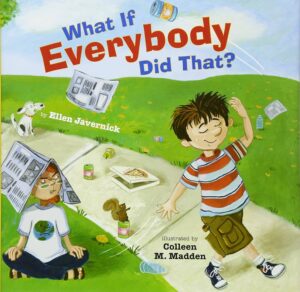
What If Everybody Did That? — Ellen Javernick
What kids notice in this story:
Children notice how individual choices ripple outward. They begin to connect actions with shared experiences, especially in group settings.
Story Snapshot:
The story explores everyday situations where small choices affect others, inviting readers to imagine what would happen if everyone acted the same way.
Why this book helps kids handle friendship conflicts:
Rather than assigning blame, the book encourages perspective-taking. It helps kids understand how conflict can grow in shared spaces and how awareness can support smoother repair within friendships.
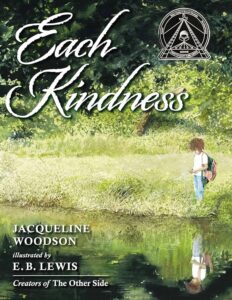
Each Kindness — Jacqueline Woodson
What kids notice in this story:
Kids often feel the quiet weight of missed chances. They notice regret, reflection, and the lingering impact of choices made during conflict.
Story Snapshot:
A child looks back on moments when kindness could have changed a difficult social situation, learning from what wasn’t repaired in time.
Why this book helps kids handle friendship conflicts:
This story doesn’t rush resolution. It allows children to sit with the idea that repair matters — and that learning can happen even after a moment has passed. It supports emotional growth without shame.
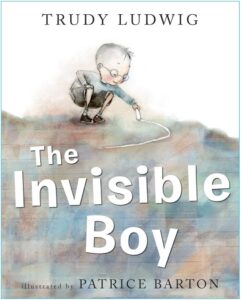
The Invisible Boy — Trudy Ludwig
What kids notice in this story:
Children notice who gets overlooked and how that feels. They recognize the quiet loneliness that can come from unresolved social tension.
Story Snapshot:
A boy who feels unseen at school slowly experiences connection when small acts of inclusion change his place in the group.
Why this book helps kids handle friendship conflicts:
This book gently shows how conflict and exclusion are connected — and how repair can begin with noticing. It helps kids understand that reconnecting doesn’t require fixing everything, just seeing each other more clearly.
If your child is still learning how friendships begin, you may also find support in books that focus on early friendship skills, or in stories that explore shared challenges like learning cooperation with others.
Friendship conflict isn’t a sign that something is going wrong. It’s a sign that your child is practicing something real.
Arguments, hurt feelings, and awkward repairs are how kids learn what connection can hold.
When you return to these stories again and again, you give your child a steady place to revisit hard moments — without pressure to resolve them perfectly. Repair, after all, grows with time.
With Scrively, kids can create their own stories about friendship challenges, giving shape to conflict, understanding, and reconnection through characters that feel familiar and safe. Sometimes imagining repair is the first step toward living it.