The Art of the Pivot: Books to Help Kids Change Their Minds
You know that exact moment.
You see your child dig their heels in about a fiercely held opinion.
Maybe they suddenly declare that all green vegetables are entirely evil.
Perhaps they insist a new classmate is completely annoying before even speaking to them.
Consequently, you watch them build a tiny, stubborn wall around their viewpoint.
However, growing up requires learning how to gently take those walls down.
Most importantly, showing kids that it is okay to outgrow an old opinion is a massive step in emotional maturity.
Furthermore, admitting when they were wrong about a person or idea is a vital life skill.
As children grow, they face pressure to conform to strict ways of thinking.
Therefore, we must help them build a strong foundation of open-mindedness.
Books are the perfect, gentle vehicle for this kind of deep internal work.
For instance, reading together provides a safe space to explore the concept of changing your mind without feeling embarrassed.
Ultimately, a good story allows a child to see the world through someone else’s eyes and reconsider their own stance.
Enemy Pie by Derek Munson
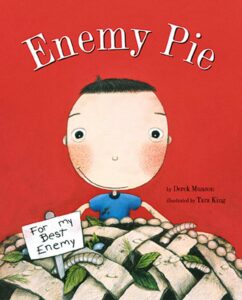
This classic book is an absolute staple for any parent navigating the tricky waters of childhood friendships.
It beautifully illustrates how quickly we can misjudge someone when we do not take the time to know them.
What kids notice: Children immediately pick up on the secret recipe aspect of the story.
They love the suspense of waiting to find out what goes into a pie meant for an enemy.
Story snapshot: A young boy is having a perfect summer until a new kid moves in and becomes his number one enemy.
Fortunately, his dad has a secret recipe for “Enemy Pie,” but it requires the boy to spend a whole day playing with his rival.
Why this book helps: This story is a masterclass in showing kids that it is okay to outgrow an old opinion.
Furthermore, it proves that spending time with someone is the fastest way to change your mind about them.
Most importantly, it normalizes the experience of admitting when they were wrong about a person.
Consequently, your child learns that early judgments are rarely accurate.
Duck! Rabbit! by Amy Krouse Rosenthal
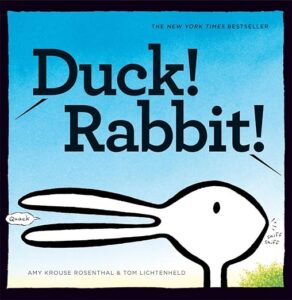
This incredibly clever book uses a simple optical illusion to spark a massive conversation about perspective.
It is a fun, lighthearted way to show that two people can look at the exact same thing and see something entirely different.
What kids notice: Kids are instantly captivated by the visual trickery on every single page.
They will eagerly debate with you over whether the drawing is a duck with a bill or a rabbit with ears.
Story snapshot: Two unseen narrators argue back and forth about the ambiguous drawing in front of them.
One insists it is definitely a duck, while the other is completely certain it is a rabbit.
Why this book helps: Above all, it introduces the idea that opposing viewpoints can both be valid.
For instance, it helps a child understand why a friend might see a playground game differently than they do.
Therefore, it builds the crucial cognitive flexibility required to pause and reconsider a situation.
Ultimately, it encourages a relentless thirst for understanding how others view the world.
They All Saw a Cat by Brendan Wenzel
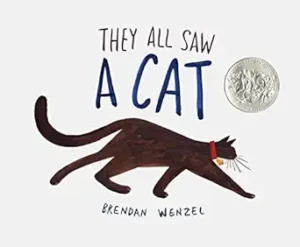
This visually stunning book explores how our unique backgrounds and biology change the way we experience reality.
It is a rhythmic, poetic journey that gently challenges rigid, black-and-white thinking.
What kids notice: Children are fascinated by the wildly different illustrations of the exact same cat.
They quickly realize that a mouse sees the cat as a monster, while a child sees a cuddly pet.
Story snapshot: A simple housecat walks through the world and encounters various animals along the way.
The illustrations drastically shift to show exactly how each specific creature perceives the cat based on their own nature.
Why this book helps: First, it visually explains that everyone has a unique lens through which they view life.
Consequently, it teaches kids that their initial reaction to something is not the only truth.
Furthermore, it helps children embrace the messy, beautiful process of learning from others.
Most importantly, it lays the groundwork for empathy by showing how easy it is to change your mind when you adopt a new perspective.
Green Eggs and Ham by Dr. Seuss
While often viewed merely as a funny rhyming book, this story is the ultimate anthem for open-mindedness.
It perfectly captures the stubbornness of childhood and the joyful relief of finally trying something new.
What kids notice: Kids love the relentless, silly badgering of Sam-I-Am.
They also strongly relate to the grumpy character’s absolute refusal to try the weird-looking food.
Story snapshot: Sam-I-Am persistently asks a grumpy character to try a plate of green eggs and ham in increasingly ridiculous locations.
After stubbornly refusing over and part, the character finally takes a bite just to make Sam stop.
Why this book helps: This classic tale brilliantly tackles the stubborn refusal to change a preconceived notion.
For example, it shows that you can firmly believe you will hate something, but still be completely wrong.
Therefore, it empowers kids to admit when they were wrong about an idea.
Ultimately, it celebrates the joy of changing your mind and discovering something wonderful.
The Big Orange Splot by Daniel Pinkwater
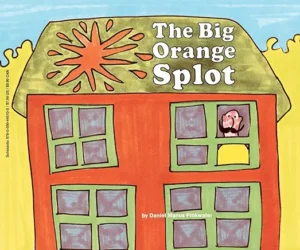
This delightful story champions individuality while showing how an entire community can change its collective mind.
It is a wonderful resource for families who want to celebrate personal expression and flexible thinking.
What kids notice: Children adore the colorful, wild houses that slowly take over the boring street.
They love watching the strict neighbors eventually break the rules to paint their own dreams.
Story snapshot: Mr. Plumbean lives on a “neat street” where every house looks exactly the same.
However, when a seagull drops a can of bright orange paint on his roof, he decides to embrace the mess and paints his house to look like his dreams.
Why this book helps: Initially, the neighbors are furious and completely closed-minded about the change.
However, Mr. Plumbean gently talks to them, and they slowly realize it is okay to outgrow an old opinion.
Consequently, the entire neighborhood changes their mind about what a proper street should look like.
Furthermore, it provides a perfect example of showing kids that admitting you were wrong can lead to a more vibrant life.
Red: A Crayon’s Story by Michael Hall
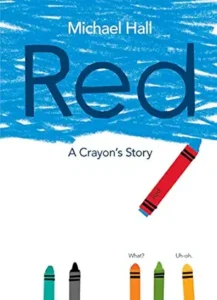
This poignant book tackles the heavy expectations we place on ourselves and others.
It is a gentle, accessible metaphor for looking past the surface to see the truth underneath.
What kids notice: Kids immediately recognize the central problem: the crayon has a red wrapper, but clearly colors blue.
They feel deeply frustrated for the crayon when everyone keeps telling him to just try harder to be red.
Story snapshot: A blue crayon is mistakenly wrapped in a red label at the factory.
His family and friends try everything to help him draw red things, until a new friend asks him to draw a blue ocean.
Why this book helps: This story masterfully deals with the difficulty of letting go of a firmly held belief.
For instance, all the other art supplies must change their minds and admit they were wrong about his identity.
Therefore, it teaches children to be open-minded when new evidence contradicts what they thought they knew.
Most importantly, it highlights the relief and freedom that comes from outgrowing an old opinion.
The Blind Men and the Elephant retold by Karen Backstein
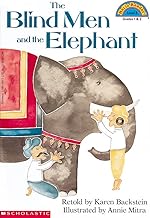
This ancient fable remains one of the most effective ways to teach children about the limits of their own perspective.
It is a grounding story that reminds us all to listen closely to others before making up our minds.
What kids notice: Children find it very funny that the men are arguing over something the reader can clearly see.
They quickly understand that each man is only touching one tiny part of the massive animal.
Story snapshot: Six blind men encounter an elephant for the very first time.
Because each man touches a different part—like the trunk, the tail, or the tusk—they all passionately disagree on what an elephant actually looks like.
Why this book helps: This fable directly addresses the danger of refusing to change your mind.
Consequently, it shows kids that holding firmly to partial information leads to unnecessary conflict.
Furthermore, it encourages them to gather all the facts and be willing to admit when they were wrong about an idea.
Ultimately, it proves that true wisdom requires remaining open to the experiences of others.
A Little Spot of Flexible Thinking by Diane Alber
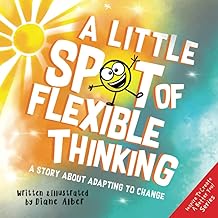
This practical, direct book gives children actual tools and vocabulary for dealing with rigid thoughts.
It is part of a beloved series that breaks down complex emotional concepts into bite-sized, actionable pieces.
What kids notice: Kids connect with the friendly, visual representation of the “flexible thinking” spot.
They appreciate the clear, real-world examples of when a plan changes or a new idea is needed.
Story snapshot: A little yellow spot helps a child recognize the difference between a “stuck” thought and a “flexible” thought.
It guides the child through various scenarios where they must practice pivoting and changing their perspective.
Why this book helps: It explicitly teaches children the mechanics of how to change your mind.
For example, it normalizes the uncomfortable feeling of having to abandon a rigid plan.
Therefore, it gives parents a shared vocabulary to use when their child is stubbornly digging their heels in.
Most importantly, it reinforces that showing kids that it is okay to outgrow an old opinion is a sign of immense strength.
Put Your Child in the Heart of the Story
Sometimes, the best way to help a child process a difficult emotional transition is to make them the hero of the tale.
Consequently, Scrively allows parents to create 100% custom kid’s books to help their child navigate specific emotional challenges.
You can create a customized book in minutes, tailoring the narrative directly to your child’s current struggles with open-mindedness.
Furthermore, the process is point and click simple, ensuring you have a beautiful resource exactly when you need it most.
Cultivating a Flexible Heart
Helping your child learn to change their mind is not about making them wishy-washy.
Instead, it is about giving them the courage to accept new information and grow beyond their current boundaries.
When you read these stories together, you validate their initial feelings while gently guiding them toward a broader perspective.
Ultimately, you are raising a child who is brave enough to say, “I used to think that, but now I know better.”