Turning Mealtime Battles Into Adventures: The Best Books for Picky Eaters
If you’ve ever spent dinner negotiating “just one more bite,” you know how draining picky eating can be.
The refusals, the bargaining, the untouched plates—it wears on both you and your child.
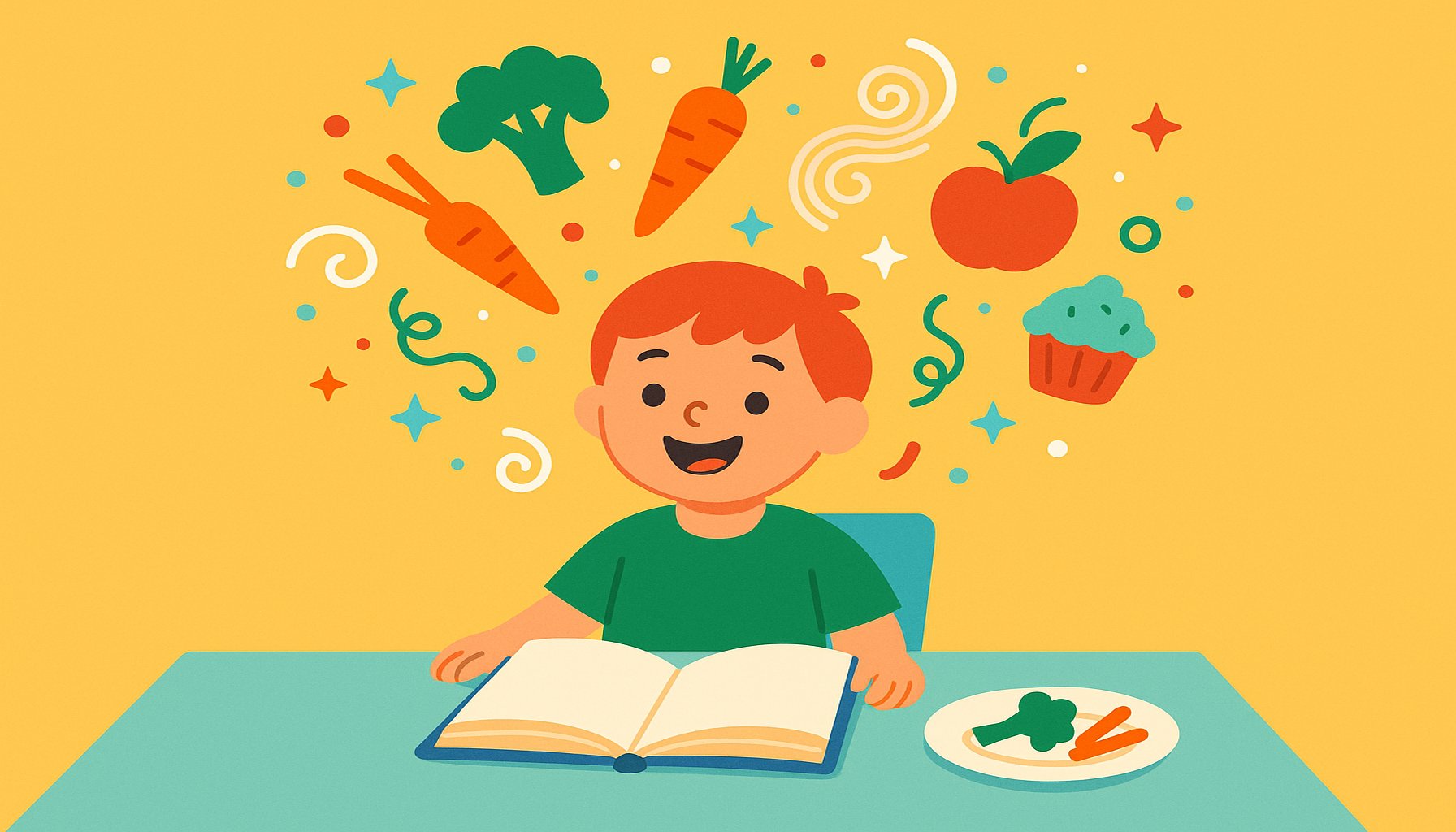
But here’s the good news: books can do what bribes and threats never will. They make food playful, magical, and safe to explore.
By weaving stories into mealtime, you invite your child into a world where broccoli is silly, peas are characters, and new flavors are part of the adventure.
Stories disarm resistance. They give kids a chance to laugh, imagine, and connect with food without pressure.
Suddenly, spinach isn’t a demand—it’s part of Sylvia’s garden. A soup made with a stone isn’t gross—it’s exciting. And rhyming chants about radishes? That’s just pure fun.
This list of books will help you turn meals from battles into bonding moments.
Each title is chosen to help picky eaters approach food with curiosity instead of fear.
Whether you’ve got a toddler learning to chew or an elementary schooler stuck on chicken nuggets, there’s a story here that will spark something new.
Monsters Don’t Eat Broccoli — Barbara Jean Hicks
This rollicking, rhyming story shows monsters munching on cars and trees while loudly declaring they don’t eat broccoli. The fun twist? By the end, kids realize maybe those “trees” the monsters gobble look an awful lot like broccoli after all.
Why kids love it: Silly monsters, outrageous meals, and a clever surprise ending keep them giggling.
Perfect for: Ages 3–6 who need a goofy, lighthearted take on veggies.
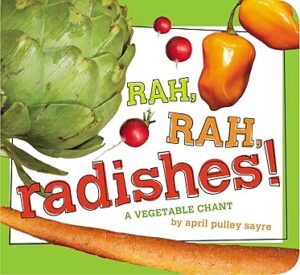
Rah! Rah! Radishes! — April Pulley Sayre
This photographic picture book is a cheerleading chant for vegetables. With vibrant market photos and energetic rhymes, it transforms produce into something to celebrate rather than something to fear.
Why kids love it: The rhythmic chants and real photos make veggies look like the stars of the show.
Perfect for: Preschoolers who learn best through rhythm, rhyme, and repetition.
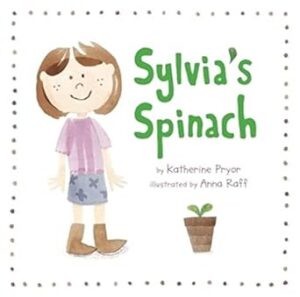
Sylvia’s Spinach — Katherine Pryor
Sylvia can’t stand spinach. But when her class grows it in the school garden, she learns to plant, water, and care for it. Little by little, Sylvia’s dislike turns into curiosity—and eventually, she gives it a try.
Why kids love it: Watching a character change her mind about a dreaded food feels relatable and inspiring.
Perfect for: Ages 4–7, especially those who’ve said “yuck” before even trying a food.
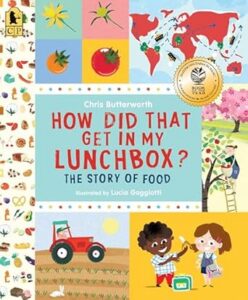
How Did That Get in My Lunchbox? — Chris Butterworth
This engaging nonfiction picture book takes kids behind the scenes of their own lunches. From wheat fields to bakeries, from cows to cheese, it uncovers the fascinating process of how food gets from farm to plate.
Why kids love it: They love discovering the “story” of their sandwich or apple—it feels like solving a mystery.
Perfect for: Elementary-aged kids who enjoy learning facts and asking “why.”
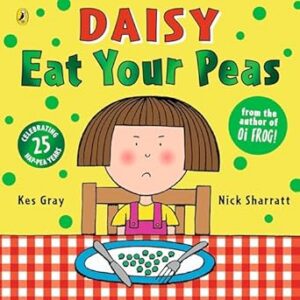
Eat Your Peas — Kes Gray
Daisy refuses to eat peas, even when her mom offers wild bribes: two alligator pets, a space rocket, even her own chocolate factory! No matter what, Daisy won’t budge. The playful exaggeration makes the book a family favorite.
Why kids love it: They laugh at Daisy’s over-the-top defiance and recognize themselves in her stubbornness.
Perfect for: Families with kids ages 3–7 caught in dinner-table standoffs.
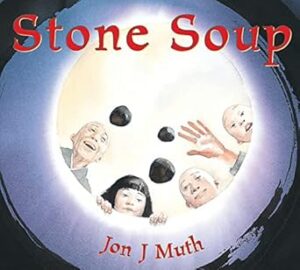
Stone Soup — Jon J. Muth
This elegant retelling of the classic folktale follows three monks who teach a town to share by starting with just a stone in a pot. One by one, villagers add their own ingredients, creating a rich, delicious soup for everyone to enjoy.
Why kids love it: The idea of “soup from a stone” feels magical, and the collaborative spirit makes trying new foods feel less intimidating.
Perfect for: Families who want stories with heartwarming lessons alongside mealtime encouragement.
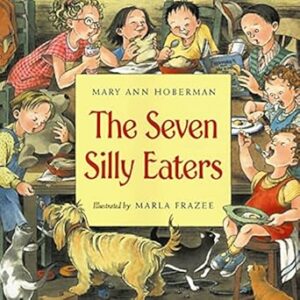
The Seven Silly Eaters — Mary Ann Hoberman
Seven children each demand a different, very specific meal—warm milk, oatmeal, applesauce—until their poor mother is worn out.
But when they accidentally combine all their favorites, they create a delicious surprise that satisfies everyone.
Why kids love it: The rhymes are playful, the family chaos feels familiar, and the ending is delightfully satisfying.
Perfect for: Families juggling multiple picky eaters at once who could use a laugh and a reminder that compromise can be tasty.
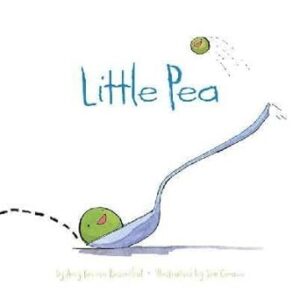
Little Pea — Amy Krouse Rosenthal
Little Pea is just like any other pea—except he hates candy. In order to earn dessert (spinach!), he has to eat all of it first. This role reversal delights kids and flips picky eating on its head.
Why kids love it: The idea of a pea refusing candy is both hilarious and thought-provoking.
Perfect for: Kids ages 3–6 who will get a kick out of seeing food preferences turned upside down.
Tips for Storytime With Picky Eaters
- Pick playful stories. Choose books where food is funny, magical, or adventurous—never scary or gross.
- Pause to connect. Ask your child, “Would you try that?” or “What would you add to the soup?”
- Pair story and snack. Try reading about apples while slicing one together—it makes food less intimidating.
- Keep it light. The goal is fun and curiosity, not pressure or persuasion.
Create Your Own Food Adventure Story
Kids love being the hero of their own tale. By letting them invent a food-filled adventure, you make eating a creative game instead of a battle.
- Invite them to draw a plate of silly, magical foods (like rainbow noodles or singing broccoli).
- Ask them to invent a food that doesn’t exist yet and describe how it tastes.
- Turn their drawings and ideas into a short story you read together at dinner.
Help your child turn picky eating into playful eating with Scrively. Unlimited stories. Unlimited possibilities.
At the end of the day, books about food don’t just entertain—they spark imagination, build courage, and help children develop a positive relationship with trying new things. Instead of dreading dinner, your child might just look forward to what story (and what food) comes next.