
The Art of Looking Back: Books That Teach Kids the Virtue of Reflection
You know that quiet moment at the end of a long, busy day.
You might catch your child staring thoughtfully out the window or turning an old toy over in their hands. They are silently processing everything that just happened around them.
Most importantly, they are learning how to look back and make sense of their fast-moving world.
Furthermore, reflection is a truly critical virtue for growing, developing minds. It helps them digest their experiences and understand their own feelings.
Consequently, taking the time to pause builds incredibly deep emotional intelligence. However, slowing down is often very hard for energetic, busy kids. For instance, our modern society constantly pushes us to look forward to the next big thing.
We are almost always rushing to the next milestone, the next grade, or the next weekend activity.
Therefore, teaching the art of reflection gives your child a peaceful, steady anchor. It provides the quiet, necessary space where simple memories turn into lasting wisdom.
Helping your child learn to reflect does not require complicated journals or silent meditation retreats. Instead, you can simply open a beautiful book and explore the past together.
Here are some of our absolute favorite stories to help your child embrace the quiet beauty of looking back.
1. The Remember Balloons by Jessie Oliveros
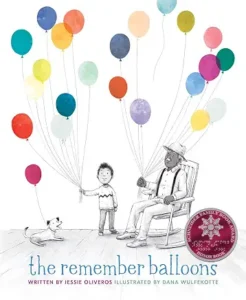
This beautiful story takes a gentle, visual approach to how we hold onto our past. It turns abstract memories into something a child can easily understand and visualize.
Furthermore, it shows the incredible value of sharing our histories with the people we love. It is a deeply moving exploration of family, aging, and the stories that shape us.
What kids notice: Children immediately notice the brightly colored balloons and the vivid pictures drawn inside them.
Story snapshot: A young boy named James has many balloons, and each one holds a special memory. His grandfather has a massive bunch of balloons, but they slowly start to float away as he loses his memory. James eventually realizes that he can catch his grandfather’s stories and hold those memories for both of them.
Why this book helps: This book brilliantly provides a tangible, visual metaphor for the abstract concept of memory. Consequently, children can easily grasp what it means to reflect on a past event.
Furthermore, it teaches children that their own memories are precious treasures worth holding onto. It encourages them to think about their own “balloons” and the happy moments they contain.
Most importantly, it models the beautiful act of sitting quietly and recalling the past. Therefore, it invites your child to start collecting and valuing their own family stories.
2. Wilfrid Gordon McDonald Partridge by Mem Fox
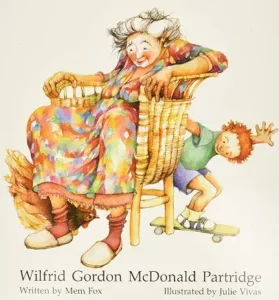
This classic story is an absolute masterpiece of intergenerational friendship and thoughtful reflection. It beautifully illustrates how physical objects can quickly transport us back in time.
Consequently, it is the perfect book to read before asking your child about their own favorite memories. The gentle pacing naturally slows down a busy mind and invites quiet pondering.
What kids notice: Kids love the protagonist’s incredibly long, silly name and his sweet interactions with the older adults.
Story snapshot: A small boy lives next door to a nursing home and befriends an older woman who is losing her memory. He goes around asking the other residents, “What is a memory?” and receives beautiful, sensory answers. He then gathers a basket of everyday items to help his friend reflect and find her lost memories.
Why this book helps: This story helps children understand that reflection is a deeply sensory experience. For instance, it shows that a simple seashell or a warm medal can instantly unlock a forgotten day.
However, it also teaches kids that memories are completely unique to every single person. What makes one person cry might make another person laugh out loud.
Furthermore, it empowers children to become active memory-keepers for their entire family. Ultimately, it inspires them to look at their own toys and keepsakes with a more reflective, appreciative eye.
3. Ocean Meets Sky by The Fan Brothers
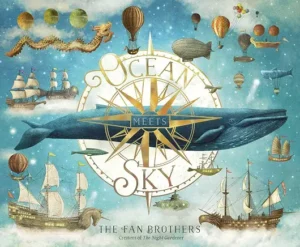
This book is a stunning, dreamlike journey that beautifully honors the memory of a loved one. The breathtaking artwork encourages readers to slow down and notice every tiny detail.
Furthermore, it is a masterclass in using imagination to process the past. It gently shows how stories and memories keep our loved ones close to our hearts.
What kids notice: Children are completely mesmerized by the magical, surreal illustrations of flying ships and giant glowing sea creatures.
Story snapshot: A young boy named Finn remembers his grandfather’s stories about a magical place where the ocean meets the sky. To honor his grandfather’s memory, Finn builds a boat out of salvage and falls asleep, dreaming of an epic voyage. He journeys through magical waters, reflecting on everything his grandfather taught him along the way.
Why this book helps: This gorgeously illustrated book creates a safe, quiet space for reflecting on people we miss. Consequently, it shows children that looking back can be a beautiful, magical adventure rather than a sad task.
Most importantly, it connects the act of remembering directly to the act of deep, quiet contemplation. For instance, Finn does not rush his journey; he takes his time to absorb the wonder around him.
Therefore, it teaches kids that reflection is a powerful way to honor our personal histories. It validates their quiet moments of daydreaming as highly important emotional work.
4. Memoirs of a Goldfish by Devin Scillian
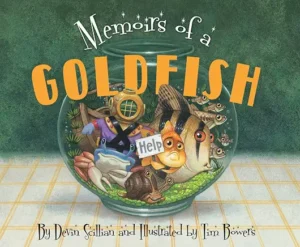
Reflection does not always have to be serious, heavy, or emotionally overwhelming. This hilarious book uses a diary format to show how looking back helps us see how much we have changed.
Consequently, it perfectly demonstrates how our perspective shifts over time as our environment grows. It is a lighthearted, deeply engaging entry point into the daily practice of journaling.
What kids notice: Kids immediately laugh at the grumpy fish and the increasingly crowded, chaotic fishbowl.
Story snapshot: A solitary goldfish documents his daily life in a bowl, initially loving his quiet, isolated routine. Slowly, his owner adds a scuba diver, a snail, and a chaotic cast of aquatic characters to the bowl. Through his daily diary entries, the goldfish reflects on these changes and realizes he actually prefers having friends around.
Why this book helps: By using a daily journal format, this story practically models the daily habit of self-reflection. Furthermore, it shows children that looking back helps us recognize our own personal growth.
For instance, the fish realizes that his initial opinion was completely wrong after he takes time to think about it. Therefore, it highlights cognitive flexibility and the value of hindsight.
Most importantly, it proves that writing down our thoughts is a wonderful way to track our feelings. It might just inspire your child to start writing their own daily memoirs.
5. Because by Mo Willems
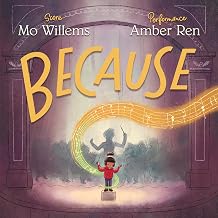
This is a magnificent, sweeping story about cause and effect and tracing our passions back to their roots. It requires the reader to look backward to understand how a beautiful moment came to be.
Furthermore, it shows the invisible threads that connect our past experiences to our present joys. It is a brilliant, musical celebration of reflection, gratitude, and serendipity.
What kids notice: Children love following the musical notes and tracing the chain reaction of events across the pages.
Story snapshot: Because a man named Ludwig wrote beautiful music, an orchestra practiced hard to play it perfectly. Because the orchestra played beautifully, a young girl in the audience was deeply moved and inspired. The book traces a lifetime of choices and moments that ultimately lead this young girl to become a composer herself.
Why this book helps: This book teaches children the sophisticated art of tracing their current joys back to past events. Consequently, it builds a profound sense of gratitude and deep self-awareness.
However, it also helps them see that every small choice they make today will ripple into their future. For instance, reflecting on how they learned a skill can give them the confidence to tackle a new one.
Ultimately, it shows that our lives are a beautiful tapestry of connected moments. Therefore, it encourages kids to ask themselves how their own stories are being written right now.
6. The Fantastic Flying Books of Mr. Morris Lessmore by William Joyce
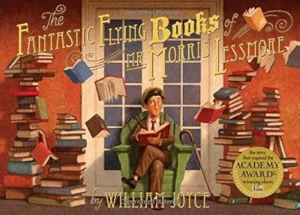
This visually stunning book is a profound meditation on the seasons of life and the stories we leave behind. It is a beautiful reminder that our memories and experiences are written into the books of our lives.
Furthermore, it encourages readers to pause and appreciate the quiet, steady passage of time. It is a masterpiece that will resonate deeply with both you and your child.
What kids notice: Kids are enchanted by the books that flutter and fly around like lively, friendly birds.
Story snapshot: After a terrible storm scatters his entire life, Mr. Morris Lessmore wanders into a magical library of flying books. He spends his entire life lovingly caring for the books, repairing their pages, and reading their stories. At the end of his life, he reflects on his journey, writes his own final chapter, and flies away, leaving his story behind for the next generation.
Why this book helps: This story beautifully frames a person’s life as a book that is actively being written. Consequently, it helps children see the value of recording their own thoughts and reflecting on their chapters.
Furthermore, it teaches that the hard parts of our past—like the storm—are just one part of a much larger narrative. Most importantly, it models the quiet, patient care required to truly understand a story.
Therefore, it empowers kids to see themselves as the authors of their own lives. It makes the concept of looking back feel both magical and incredibly important.
7. A Stone Sat Still by Brendan Wenzel
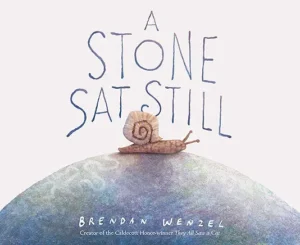
This mesmerizing, poetic book is all about perspective, patience, and the passage of time. It invites the reader to sit quietly and simply notice how things change and stay the same.
Consequently, it is the perfect tool for grounding a highly anxious or deeply energetic child. It proves that there is immense power in just being still and observing the world.
What kids notice: Children notice how the exact same stone looks completely different depending on which animal is looking at it.
Story snapshot: A simple stone sits quietly in the wild as time passes and the seasons drastically change. To a tiny bug, the stone is a massive mountain, but to a large moose, it is just a tiny pebble. The book reflects on how the stone serves many different purposes over the years, remaining steady while the world turns around it.
Why this book helps: This gorgeous book is a masterclass in quiet, mindful contemplation and shifting perspectives. For instance, it teaches children that reflecting on a situation from a different angle can completely change how they feel about it.
Furthermore, it encourages kids to find their own “stone”—a quiet place to sit and simply think. Consequently, it helps them develop the patience required for true self-reflection.
Most importantly, it validates the need to sometimes just sit still and do absolutely nothing. In our busy world, teaching the value of stillness is an absolute gift.
8. The Rough Patch by Brian Lies
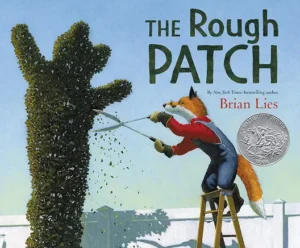
Reflection often involves looking back at times that were painful or deeply difficult. This incredibly moving story shows how processing past grief eventually makes room for new hope.
Furthermore, it validates the messy, complex emotions that come with losing something we love. It is a gentle, hopeful reminder that healing takes time and quiet reflection.
What kids notice: Kids notice how the bright, beautiful garden slowly turns dark and prickly when the main character is sad.
Story snapshot: Evan the fox and his beloved dog do absolutely everything together, especially working in their beautiful garden. When his dog sadly passes away, Evan is heartbroken and angrily destroys his garden, letting only prickly weeds grow. Eventually, a single beautiful pumpkin vine sneaks in, prompting Evan to reflect on his joy, re-enter the world, and open his heart again.
Why this book helps: This story honestly addresses the fact that looking back can sometimes bring up very hard feelings. However, it beautifully demonstrates that processing those feelings is the only true path forward.
Consequently, it helps children understand that it is entirely okay to sit with their sadness for a while. For instance, Evan’s reflection process is slow, messy, and far from perfect.
Most importantly, it shows that our beautiful memories ultimately outlast our temporary pain. Therefore, it gives kids the courage to look backward without fear.
Put Your Child in the Heart of the Story
Sometimes, the very best way to help a child process their own past is to make them the star of the narrative. With Scrively, you can instantly create 100% custom children’s books tailored to your child’s exact experiences.
Furthermore, you can easily weave their real-life memories, recent milestones, and personal challenges directly into the plot. Consequently, it becomes a powerful, personalized tool for emotional reflection.
Whether they are looking back on a big move, celebrating a hard-won victory, or processing a tough transition, you control the narrative. Most importantly, it shows them that their own unique story is absolutely worth writing down and remembering.
Closing the Book, Keeping the Wisdom
As we close this massive chapter of the Scrively roadmap, it is the perfect time for our own reflection. You have spent countless hours reading, talking, and guiding your child through some incredibly complex emotional landscapes.
Furthermore, you have given them the tools to understand themselves and the people around them. Consequently, you have built a strong, resilient foundation that will support them for the rest of their lives.
Take a quiet moment today to look back at how far both you and your child have grown. Most importantly, remember that the story is never truly over; it just turns to a brand new, beautiful page.