
Helping Your Anxious Preschooler Feel Ready for Kindergarten
You can feel the change in the air, can’t you?
It’s not just the shift in seasons; it’s the big, exciting, and sometimes wobbly transition looming on the horizon: kindergarten.
Your little one, who still feels so small in your arms, is about to step into a bigger world. And if that step feels a little scary for them right now, that is completely okay.
It’s normal for your child to have big feelings about starting school.
Worries about saying goodbye, navigating a new building, meeting a new teacher, and figuring out the rules of a new classroom are all part of the process.
The anticipation of the unknown is often way harder on their little hearts than the actual experience will be.
So, take a deep breath. You are their steady ground, their safe harbor.
And one of the most powerful tools you have to help them prepare isn’t a checklist of academic skills; it’s stories.
Books allow your child to “try on” the experience of kindergarten from the safety of your lap.
They can preview the emotions, see other characters navigate similar worries, and begin to build a sense of familiarity before they ever walk through the school doors.
Here is a collection of books chosen to help you walk alongside your anxious preschooler as they get ready for this big milestone.
These stories aren’t about being perfect students; they’re about feeling safe, seen, and ready to be brave.
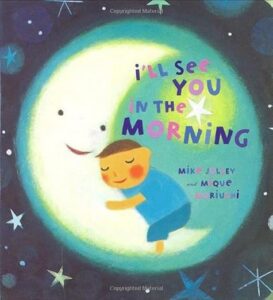
I’ll See You in the Morning — Margaret Wise Brown
Core Themes:
- Separation and reunion
- Predictable rhythms
- Emotional security
Story Snapshot:
A mother gently reassures her child that even though they will be apart during the day, they will always come back together again.
Why this book works well for anxious preschoolers starting kindergarten:
Many anxious children aren’t afraid of school itself — they’re afraid of the space between goodbye and hello.
This story focuses on the rhythm of leaving and returning, which can be deeply grounding. It helps your child internalize the idea that separation is temporary and predictable, not endless or uncertain.
By emphasizing routine and return rather than bravery or excitement, this book meets anxious kids exactly where they are.
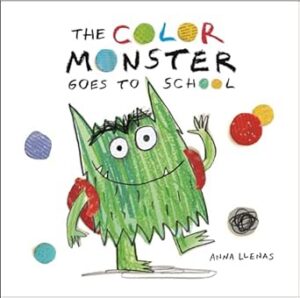
The Color Monster Goes to School — Anna Llenas
Core Themes:
- Emotional awareness
- Mixed feelings
- School as an emotionally safe place
Story Snapshot:
The Color Monster experiences many emotions on the first day of school and learns that every feeling — even nervous or confusing ones — belongs.
Why this book works well for anxious preschoolers starting kindergarten:
Anxious kids often feel more than one thing at once, and that can be confusing.
This book helps your child see emotions as information, not problems to fix. By naming feelings and giving them space, school becomes a place where emotions are acknowledged rather than avoided.
This emotional literacy builds confidence quietly — without asking your child to “calm down” or “be brave.”
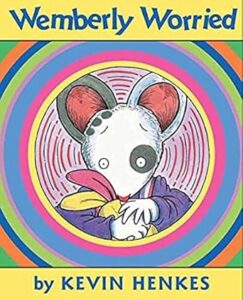
Wemberly Worried — Kevin Henkes
Core Themes:
- Persistent worry
- New experiences
- Connection and belonging
Story Snapshot:
Wemberly worries about nearly everything, especially starting school, until she discovers she isn’t alone in how she feels.
Why this book works well for anxious preschoolers starting kindergarten:
This story validates worry without letting it take over. Your child sees that anxious thoughts are common — and that connection, not control, is what softens them.
The shift happens naturally, without lectures or forced optimism.
For kids who worry a lot, being seen is often the first step toward feeling safe.
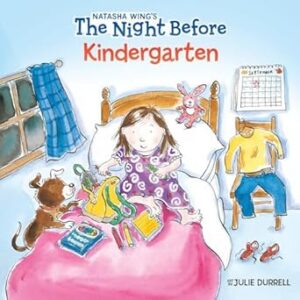
The Night Before Kindergarten — Natasha Wing
Core Themes:
- Anticipation
- Shared nervousness
- First-day emotions
Story Snapshot:
A group of children prepares for kindergarten, each feeling a mix of excitement and uncertainty.
Why this book works well for anxious preschoolers starting kindergarten:
This book helps anxious kids realize they’re not the only ones feeling unsure. Seeing many children share the same feelings normalizes anxiety and reduces the sense of isolation that often makes worry worse.
It gently reframes kindergarten as a shared beginning, not a solo test.
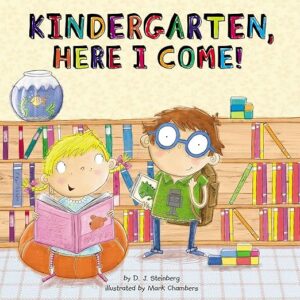
Kindergarten, Here I Come! — D.J. Steinberg
Core Themes:
- Daily routines
- Small, manageable moments
- Positive expectations
Story Snapshot:
Short poems introduce common kindergarten routines, from circle time to lining up.
Why this book works well for anxious preschoolers starting kindergarten:
Anxiety often fades with familiarity. This book breaks the school day into predictable pieces, helping your child imagine what will happen — and imagine themselves handling it successfully.
Confidence grows through repetition, not pressure.
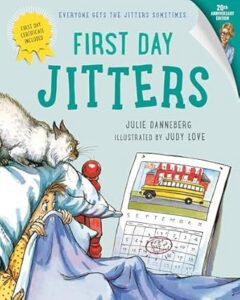
First Day Jitters — Julie Danneberg
Core Themes:
- Nervous beginnings
- Perspective shifts
- Gentle humor
Story Snapshot:
Someone is very nervous about the first day of school — until a surprising reveal reframes the experience.
Why this book works well for anxious preschoolers starting kindergarten:
Humor can be a powerful release valve for anxiety. This story helps kids see nervousness as something even grown-ups experience, which makes their own feelings feel lighter and more manageable.
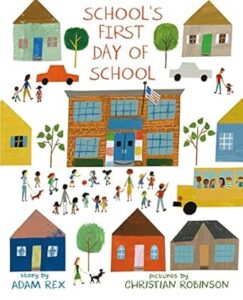
School’s First Day of School — Adam Rex
Core Themes:
- Empathy
- New beginnings
- Belonging
Story Snapshot:
Even the school building itself feels nervous about the first day — until children arrive.
Why this book works well for anxious preschoolers starting kindergarten:
By shifting perspective, this book helps kids feel less alone. When even the school feels nervous, anxiety becomes something shared — not something to hide.
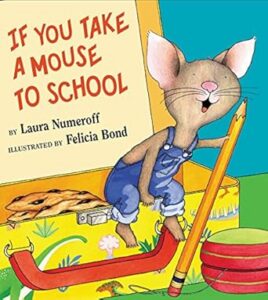
If You Take a Mouse to School — Laura Numeroff
Core Themes:
- Curiosity
- Playfulness
- Classroom comfort
Story Snapshot:
A curious mouse explores a school day filled with playful surprises.
Why this book works well for anxious preschoolers starting kindergarten:
This story reminds kids that school can be flexible, warm, and even fun. It replaces rigid expectations with curiosity — a powerful antidote to fear.
Closing Thoughts
Kindergarten readiness isn’t about knowing how to sit still or raise a hand. It’s about emotional safety — trusting that adults care, routines help, and hard moments pass.
Anxiety often softens once the day becomes familiar. Once names are known. Once your child realizes they can do this — and that you always come back.
Stories create a bridge between home and school. They give your child a way to practice courage quietly, on their own terms.
If your child wants to go one step further, Scrively gives kids a way to create their own kindergarten stories — helping them imagine school as a place where they feel capable, safe, and excited.