
The Guiding Light: Navigating Playdates with the Power of Honesty
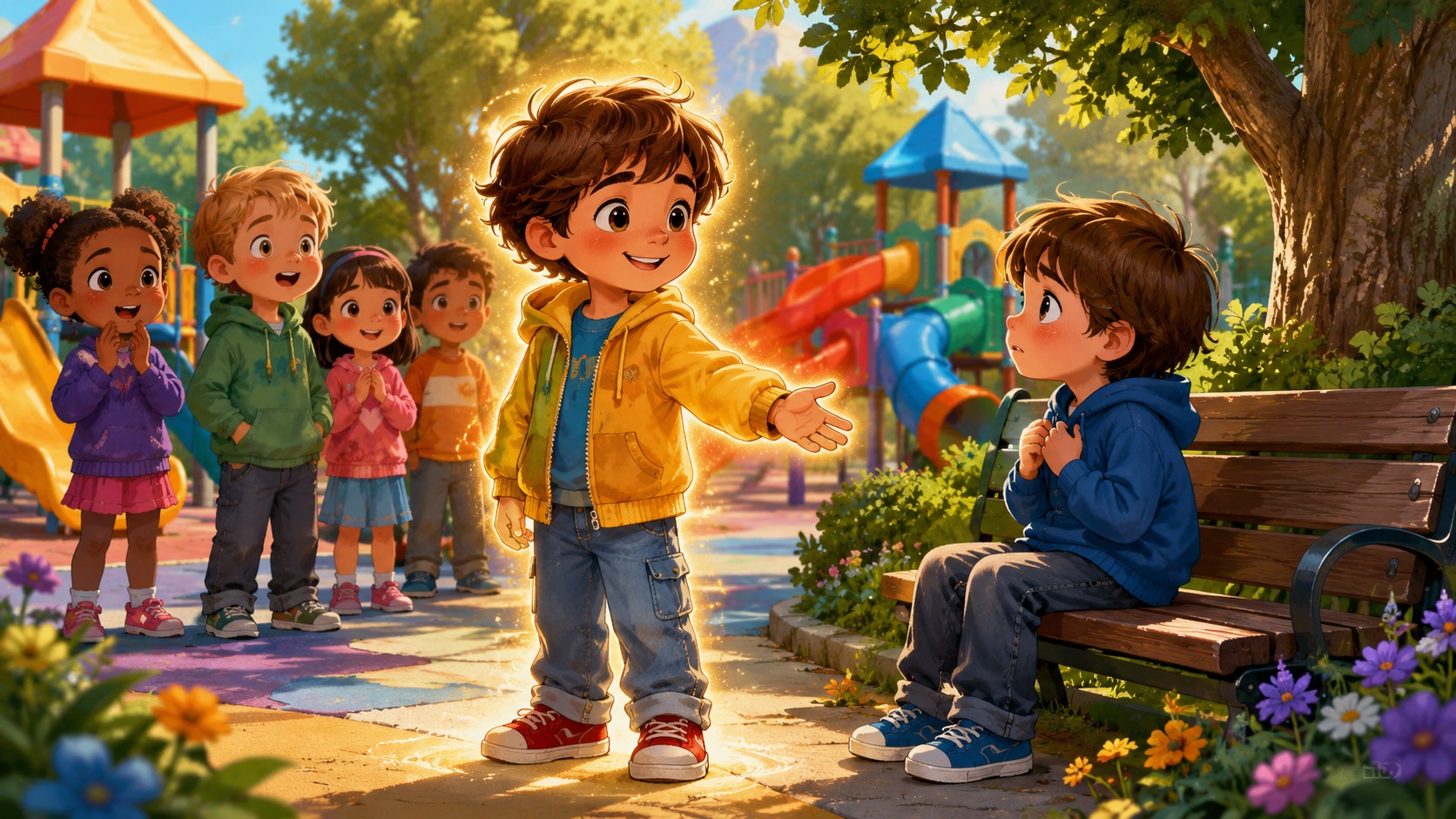
You know the exact moment the energy shifts in the playroom. At first, the playdate is going beautifully.
The children are building a massive block tower or pretending to be astronauts.
Then, the dynamic inevitably changes. Suddenly, a few children are deeply engaged in a new secret mission, and another child is standing on the outside looking in.
Consequently, the awkwardness settles heavily over the room.
The excluded child might suddenly declare that they never wanted to play anyway.
The included children might make up a quick, flimsy excuse about why the spaceship is suddenly totally full. In these tense social moments, children instinctively reach for small lies or deflections to protect their fragile feelings.
However, this is the perfect time to introduce a better tool.
Most importantly, we need to teach them the virtue of honesty. We often think of honesty simply as telling the truth about who broke a vase or spilled the juice.
But in early childhood friendships, honesty is the guiding light that saves relationships.
It is the brave act of saying, “I feel left out right now.” It is the gentle courage to say, “I want to play something else, but you can still play with us.” Therefore, learning to speak the truth with kindness is the ultimate social skill.
Ultimately, navigating a tricky playdate requires immense emotional intelligence.
It requires children to be authentic about their boundaries and their hurt feelings. By reading stories about honesty, you give your child the vocabulary they desperately need. You show them that the truth, even when it feels scary or uncomfortable, is the safest path back to true connection.
The Honest-to-Goodness Truth by Patricia C. McKissack
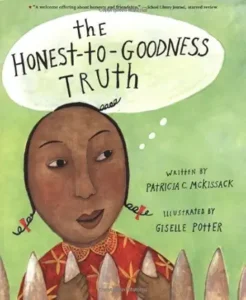
First, we have a beautiful story about the delicate balance between telling the truth and being kind.
Sometimes, children learn that lying is wrong, so they swing wildly in the exact opposite direction. They begin announcing every blunt, hurtful fact they notice about their playmates.
This book brilliantly tackles that specific phase of childhood development. It shows that words have incredible power. Furthermore, it gently reminds children that honesty should never be used as a weapon against a friend.
What kids notice: Children immediately notice Libby’s absolute determination to never tell a lie again. They also notice how her friends’ faces fall when her “truth” ends up hurting their feelings.
Story snapshot: Libby is caught in a lie and promises her mother she will only tell the honest-to-goodness truth from now on.
Consequently, she starts pointing out everyone’s flaws and mistakes in public. Her friends quickly become angry and distance themselves. Eventually, a neighbor helps Libby realize that the truth should always be wrapped in kindness.
Why this book helps: This book perfectly addresses the tricky playdate dynamic where a child might bluntly say, “You aren’t good at this game.” It teaches children that honesty requires deep compassion. Most importantly, it helps them understand that they can be truthful about their feelings without tearing down their friends in the process.
Franklin Fibs by Paulette Bourgeois
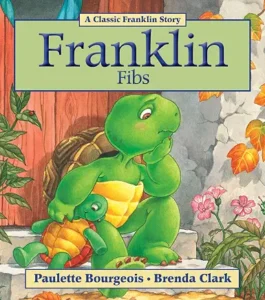
Next, we dive into the classic temptation to exaggerate just to fit in. When a child feels left out or inadequate in a group setting, they often panic. In order to impress the other children, they might invent a wild story about their own abilities.
This beloved turtle shows us exactly what happens when those tall tales spiral completely out of control. The story is highly relatable, incredibly warm, and completely free of harsh judgment.
What kids notice: Kids immediately relate to Franklin’s feeling of being left behind by his talented friends. They also deeply feel the rising panic as Franklin realizes he has to prove his impossible claim.
Story snapshot: Franklin’s friends can do amazing things, like fly and climb trees. Feeling inadequate, Franklin fibs and declares he can swallow 76 flies in the blink of an eye. Naturally, his friends demand a demonstration. After stressing over his lie, Franklin ultimately confesses the truth. He then discovers he has his own unique, very real talent to share.
Why this book helps: This story is a beautiful tool for dismantling the pressure to impress others. During an awkward playdate, a child might lie to seem cooler or more important to the group. Therefore, this book gives them permission to just be themselves. Ultimately, it proves that authentic friendships are built on the truth, not on impressive fibs.
Ruthie and the (Not So) Teeny Tiny Lie by Laura Rankin
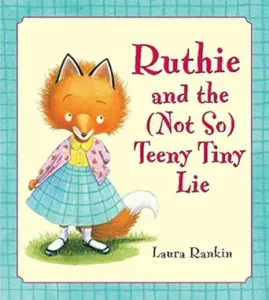
Sometimes, the awkwardness of a playdate leads to a sudden, impulsive mistake.
A child might claim a toy is theirs when it isn’t, just to assert some control in a confusing social moment. This book captures the heavy, sinking feeling of a lie perfectly.
Ruthie is a deeply lovable character who just makes a bad choice in the heat of the moment. The narrative walks readers through the physical and emotional toll of hiding the truth from people you care about.
What kids notice: Young readers always notice Ruthie’s physical reactions to her lie. They see her stomach ache, her loss of appetite, and her inability to enjoy recess because of her heavy secret.
Story snapshot: Ruthie loves tiny things. When she finds a tiny camera on the playground, she claims it belongs to her, even though it actually belongs to a classmate.
The lie quickly consumes her, making her feel completely miserable. Eventually, the guilt becomes too heavy. Ruthie bravely confesses the truth to her teacher, apologizes to her friend, and feels the immediate relief of honesty.
Why this book helps: Playdate conflicts often involve toys and sudden possessiveness. If a child tells a lie to keep a toy or win an argument, they often feel trapped.
This book beautifully demonstrates that the pain of keeping a lie is much worse than the temporary embarrassment of confessing. Consequently, it gives children the courage to make things right.
Sam Tells Stories by Thierry Robberecht
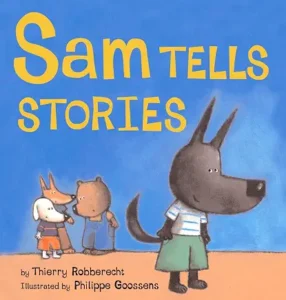
Here is another brilliant exploration of the stories we tell to win affection. When children are playing together, the competition for attention can become fierce. A child might start inventing spectacular details about their life just to keep the spotlight on themselves.
This gentle story explores the line between a fun imagination and a deceptive lie. It handles the concept with immense grace, showing that true friends love you for exactly who you are.
What kids notice: Children are fascinated by the wild stories Sam invents. However, they also quickly pick up on his internal anxiety when he realizes he cannot keep his stories straight.
Story snapshot: Sam starts telling his classmates incredible, completely fabricated stories to make them like him more.
At first, it works beautifully, and everyone pays attention to him. However, when a friend asks for proof of his wild claims, Sam is backed into a corner. He finally admits that he made it all up, learning that his friends like the real Sam just as much.
Why this book helps: It directly tackles the insecurity that fuels playdate boasting. Furthermore, it separates the child’s worth from the performance they put on for the group. Most importantly, it reassures kids that they do not need to invent a cooler version of themselves to be included in the circle.
The Empty Pot by Demi

This classic folk tale might seem disconnected from a modern playroom at first glance.
However, it provides one of the most powerful visual metaphors for honesty in all of children’s literature. It is about standing firm in the truth, even when everyone else seems to be succeeding with a lie.
The illustrations are sweeping and beautiful. The message is quiet but incredibly profound. It teaches children that integrity is a quiet, inner strength.
What kids notice: Readers are always struck by the contrast between Ping’s empty, humble pot and the massive, blooming flowers the other children bring. They deeply feel Ping’s embarrassment and fear.
Story snapshot: The Emperor gives a seed to all the children in the land, promising that whoever grows the best flower will be the next ruler. Ping is an expert gardener, but his seed refuses to grow.
While the other children present magnificent blooms, Ping bravely presents his empty pot. The Emperor reveals that all the seeds were cooked and could not possibly grow. Ping’s empty pot is the only honest result.
Why this book helps: During a tricky playdate, it can be incredibly hard to be the only one telling the truth.
If the group agrees to bend the rules of a game, a child faces a tough choice. This book gives them the immense courage to stand alone with the truth. Therefore, it builds deep, lasting moral conviction.
The Boy Who Cried Ninja by Alex Latimer
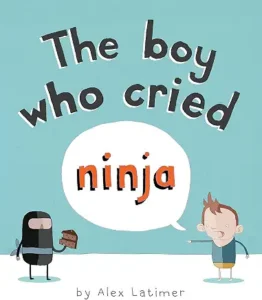
Let’s lighten the mood with something genuinely hilarious.
Sometimes, children tell the truth, but the situation is so bizarre that no one believes them. This book flips the classic “Boy Who Cried Wolf” fable on its head in the most delightful way.
It is witty, fast-paced, and highly engaging. While it is incredibly funny, it still carries a strong message about trust, honesty, and the importance of being believed.
What kids notice: Kids absolutely love the absurd, sneaky characters causing trouble around the house. They also feel a strong sense of justice when Tim is unfairly blamed for the messes.
Story snapshot: Strange things keep happening in Tim’s house.
The cake is missing, the hammer is gone, and the TV is broken. Tim honestly explains that a ninja, an astronaut, and a giant squid are responsible.
Naturally, his parents do not believe him and send him to his room. Finally, Tim decides to catch the culprits in the act to prove he has been telling the truth the entire time.
Why this book helps: It validates a child’s frustration when they are not believed. In a playdate scenario, one child might be wrongfully accused of starting an argument. This book champions the importance of sticking to your honest story. Additionally, it reminds parents to pause and truly listen before jumping to conclusions.
Arthur and the True Francine by Marc Brown
Friendship groups are a staple of early elementary school, and this book captures the dynamics perfectly.
When you have a group of friends, loyalty is constantly tested. This story explores what happens when one friend asks another to cover up a mistake.
It is a highly relatable look at the pressure of keeping a secret for a friend. It demonstrates that true friendship never requires you to compromise your own honesty.
What kids notice: Children easily recognize Muffy’s manipulative behavior. They also heavily empathize with Francine, who is stuck taking the blame for something she did not do.
Story snapshot: Muffy cheats on a test and then lets Francine take the blame for it. Francine is given detention, while Muffy walks away free.
Francine struggles with her loyalty to her friend versus her need to clear her own name. Eventually, Muffy realizes the pain she has caused. She steps up, tells the truth to the teacher, and works to repair her friendship with Francine.
Why this book helps: This is the exact dynamic that can ruin playdates. One child breaks a rule and asks a friend to keep it a secret from everyone else. Consequently, it creates division and exclusion. This book brilliantly teaches kids that a real friend will never ask you to lie for them. Ultimately, it models how to take responsibility and fix a broken bond.
A Day’s Work by Eve Bunting
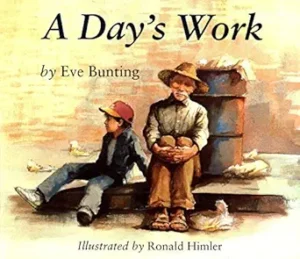
Finally, we conclude with a deeply moving story about cross-generational wisdom. This book explores the heavy consequences of lying to get ahead. It is grounded in family respect and the hard work of making things right.
The narrative is rich with cultural pride and empathy. It provides a beautiful, quiet moment for parents and children to discuss the true value of integrity.
What kids notice: Kids notice Francisco’s desperation to help his grandfather. They also immediately sense the grandfather’s quiet, dignified disappointment when he discovers Francisco’s lie.
Story snapshot: Francisco’s grandfather has just moved to America and does not speak English.
To secure a day labor job for his grandfather, Francisco lies to a boss, claiming his grandfather is an expert gardener.
They are hired to pull weeds, but because of the lie, they accidentally pull out all the expensive plants instead.
The grandfather is furious about the lie, not the mistake. He insists they work for free the next day to correct the error.
Why this book helps: It teaches that a lie always complicates the situation. During an awkward playdate, a child might lie to quickly fix a misunderstanding.
This story proves that the fastest fix is rarely the right one. Most importantly, it shows that the only way to repair the damage of a lie is through humble, honest action.
Put Your Child in the Heart of the Story
Books are truly incredible teachers. However, reading a book with your own name in it is pure magic. Therefore, Scrively helps you create custom children’s books easily.
You can build a story where your child is the brave protagonist. For instance, they can practice building bridges and telling the truth during tricky playdates right on the page. Ultimately, this places them at the very heart of their own emotional growth.
Navigating early childhood friendships is rarely smooth. In fact, group playdates will always cause some tears or frustration. However, every awkward moment is a chance to learn.
By reading these stories, you give your child the right words. Most importantly, you teach them that true friendship means having the courage to speak the truth with love. Finally, they will learn to be beautiful, honest friends in any circle.