When Your Child Wants to Give Up: Picture Books That Teach Perseverance
You’ve probably seen the moment before.
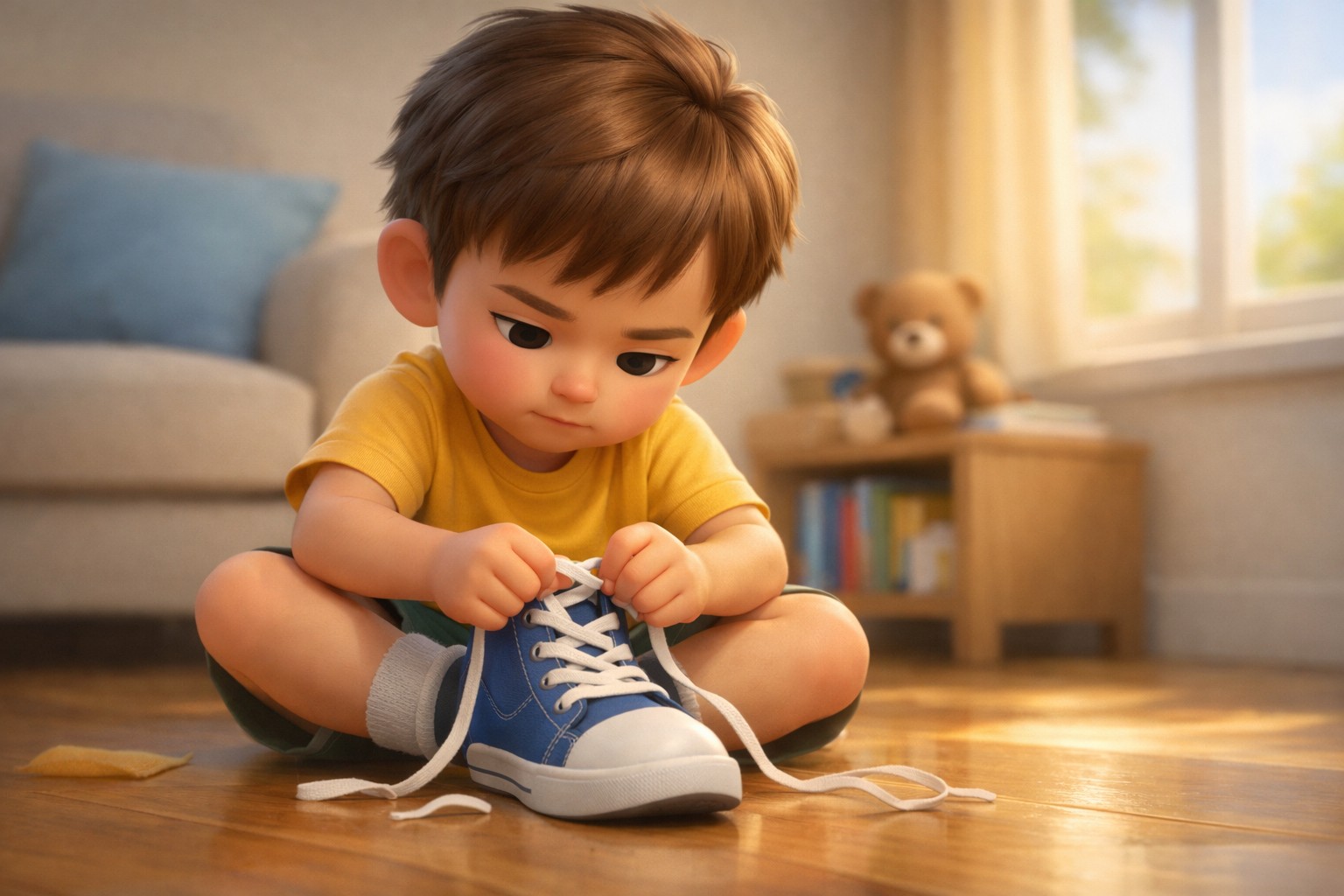
A child sits at the table with a puzzle piece in their hand. They try once.
Then twice. The piece still doesn’t fit. A sigh escapes. Shoulders slump. The words arrive quickly: “I can’t do it.”
Moments like this happen everywhere — at the kitchen table, in classrooms, on playgrounds, and during art projects that don’t quite turn out the way a child imagined.
Children often want things to work the first time. When they don’t, frustration rises fast. The instinct to stop, walk away, or declare defeat can show up in seconds.
But perseverance rarely looks dramatic. It’s usually quiet. It appears in the small decision to try again. To adjust. To take a breath. To keep going even when something feels difficult.
Books are powerful companions during these moments. Through story, children watch characters struggle, make mistakes, feel doubt, and discover that effort can change what seems impossible. Over time, those stories begin to shape how children understand challenge itself.
The books below offer gentle, memorable examples of perseverance — not as pressure to succeed, but as the courage to keep trying.
The Most Magnificent Thing by Ashley Spires

A determined young girl decides she will build the most magnificent thing. She gathers supplies, begins constructing, and expects everything to work perfectly.
It doesn’t.
Her first attempts fail. Then the next ones. Each new version seems slightly wrong. Frustration grows as the magnificent idea in her mind refuses to appear in real life.
The story beautifully captures the emotional cycle of creative effort — excitement, disappointment, irritation, and eventually the pause that allows a fresh start. Through patience and persistence, the girl returns to her project with clearer eyes.
What kids notice in this story
Children notice how frustration builds during creative work. They also see that stepping away for a moment can help reset their thinking.
The story shows that perseverance sometimes includes taking a break and trying again with new ideas.
Jabari Tries by Gaia Cornwall
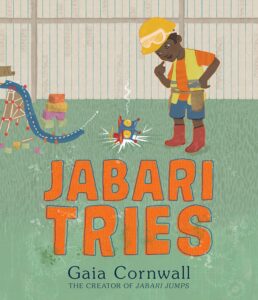
Jabari is determined to build a flying machine. He imagines it soaring through the air, gliding beautifully.
But each attempt falls apart.
Parts collapse. Designs don’t work. The more Jabari tries, the more discouraging the results feel. For a moment, the project seems impossible.
Yet curiosity keeps pulling him forward. With help from a supportive adult and his own imaginative thinking, Jabari experiments again and again until something finally lifts.
What kids notice in this story
Children see that trying again can involve new ideas and adjustments. Jabari’s story shows that effort often includes experimenting and learning from attempts that don’t work.
After the Fall by Dan Santat

This imaginative story begins where the familiar nursery rhyme leaves off.
Humpty Dumpty survives his famous fall — but something changes afterward. He becomes afraid of climbing again. The wall that once felt normal now feels terrifying.
Instead of focusing on the accident itself, the story explores recovery. Humpty gradually rebuilds confidence step by step, facing fear with quiet determination.
What unfolds is a beautiful portrait of emotional perseverance — the courage to try again after something frightening happens.
What kids notice in this story
Children recognize the feeling of being scared to try again after a failure. Humpty’s journey shows that courage can grow slowly as confidence rebuilds.
Beautiful Oops! by Barney Saltzberg

This playful book explores mistakes through bright visuals and creative surprises.
A tear in paper becomes something new. A spill transforms into a shape. What initially appears wrong becomes part of a different creation.
The book gently reframes errors as opportunities for discovery. Instead of treating mistakes as failures, it celebrates them as starting points.
What kids notice in this story
Children notice that mistakes can lead somewhere unexpected. The book encourages them to stay curious instead of discouraged when things go wrong.
The Girl Who Never Made Mistakes by Mark Pett
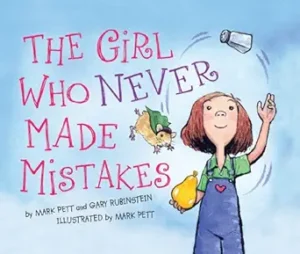
Beatrice Bottomwell has a reputation.
She is known for doing everything perfectly. Her careful routines keep mistakes away, and people admire her flawless record.
But living without mistakes creates pressure. When something finally goes wrong during a public performance, Beatrice faces a surprising discovery about imperfection.
The story gently shifts from perfectionism toward freedom — the freedom to try without fear.
What kids notice in this story
Children see how exhausting perfection can be. Beatrice’s experience helps them understand that mistakes are part of learning, not something to avoid at all costs.
What Do You Do With an Idea? by Kobi Yamada

An unexpected idea arrives.
At first, the child in the story isn’t sure what to do with it. The idea feels strange and fragile. Doubt appears quickly, especially when others don’t seem to understand.
Yet the child keeps nurturing the idea quietly. Over time, confidence grows, and the once-small thought expands into something powerful.
What kids notice in this story
Children notice how ideas grow when they’re cared for. The story shows that persistence sometimes means protecting something meaningful even when others don’t see its value yet.
Giraffes Can’t Dance by Giles Andreae
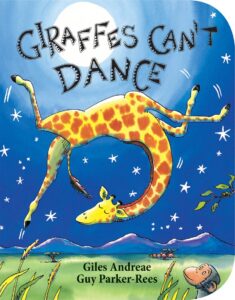
Gerald the giraffe longs to dance.
But every time he tries, other animals laugh. His legs feel awkward and clumsy. Embarrassment begins to convince him that dancing simply isn’t meant for him.
A quiet moment of encouragement changes everything. Gerald discovers that finding the right rhythm — and believing in himself — can unlock something beautiful.
What kids notice in this story
Children recognize the pain of being laughed at. Gerald’s story reminds them that perseverance sometimes means continuing even when others doubt them.
Salt in His Shoes by Deloris Jordan
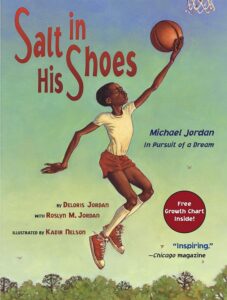
This story, inspired by Michael Jordan’s childhood, begins with a simple wish.
Young Michael wants to grow taller so he can become a better basketball player. Watching older athletes succeed feels discouraging when he cannot yet keep up.
His mother offers wise advice: practice, patience, and persistence matter more than rushing growth.
The story gently highlights how effort and time shape skill.
What kids notice in this story
Children see that progress often takes longer than expected. Michael’s story shows that perseverance grows through steady practice over time.
The Thing Lou Couldn’t Do by Ashley Spires
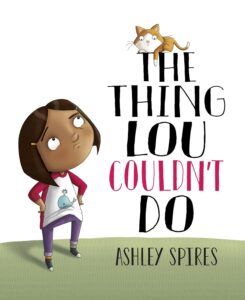
Lou and her friends love adventure. One day they decide to climb a tall tree — but Lou feels nervous.
She hesitates. The climb feels difficult and uncertain. Instead of forcing herself, Lou pauses and reflects on her feelings.
The story gently explores perseverance in a thoughtful way. Trying again might happen tomorrow, or next week, when courage feels stronger.
What kids notice in this story
Children recognize that perseverance doesn’t always mean finishing immediately. Sometimes it means preparing to try again when they feel ready.
Helping Kids See Perseverance in Themselves
Perseverance rarely appears overnight.
It grows quietly through small experiences — trying again after a mistake, continuing through frustration, or discovering that effort can slowly change what feels impossible.
Stories make those moments visible. When children watch characters struggle and continue, they begin to recognize those same experiences in their own lives.
Over time, books become gentle reminders that difficulty is not a signal to stop. It’s simply part of learning.
Stories Where Your Child Is the One Who Tries Again
Sometimes the most powerful stories are the ones where children see themselves directly inside the adventure.
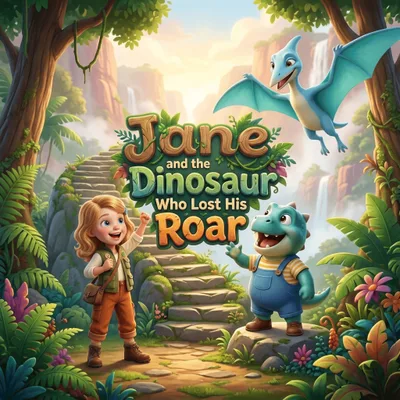
With Scrively, an adult can use AI to create a personalized story around a child’s interests. Review the words and illustrations before reading together. A cover and sample pages are free to preview; finishing or downloading a book requires a paid purchase. Book and editing allowances depend on the plan and available credits. Generation time and results vary. These stories are for creative reading, not therapy or a guarantee of learning or behavior changes.
Instead of simply reading about resilience, they experience it through their own journey.
Perseverance grows through small attempts — another try at the puzzle, another drawing on the page, another moment of courage after frustration.
These stories gently remind children that effort matters. Not because it guarantees success, but because every attempt builds confidence, curiosity, and resilience for the challenges ahead.