Does Your Child Get Embarrassed Quickly? Start With These Stories
You see it happen so fast.
Your child trips while walking to line-up. They say the wrong answer out loud. They spill milk at snack time.
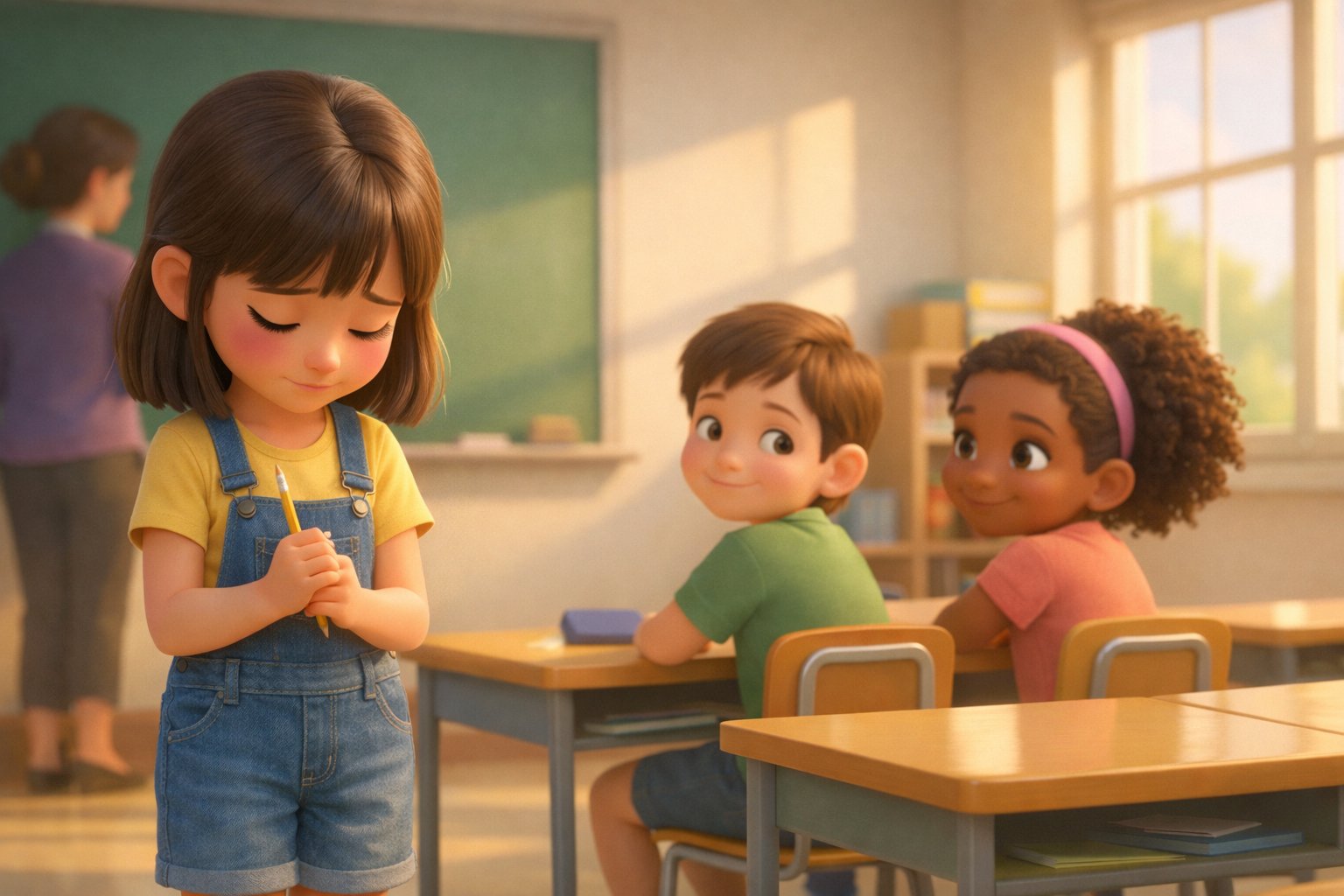
They mispronounce a word while reading. And suddenly their whole face changes. Shoulders drop. Eyes fill. They look like they want to disappear.
Embarrassment floods a small body quickly.
It shows up as tears, silence, hiding, or anger that doesn’t quite make sense. You know it’s not really about the spilled milk or the wrong answer. It’s about being seen.
That reaction can worry you. You might wonder if your child is too sensitive. If school will be hard. If confidence is missing.
But embarrassment is not weakness. It’s a sign that your child is learning how they fit into a social world.
It means they care about connection. It means they’re noticing other people’s reactions. It means their awareness is growing.
Books help here in a quiet way.
Stories let kids watch someone else trip, misspeak, or stand out — and then recover. They see characters stay whole even after awkward moments. They learn that embarrassment passes. They learn they can stand back up.
These stories don’t erase embarrassment. They make space for it.
Books That Help Kids Move Through Embarrassment
Chrysanthemum by Kevin Henkes
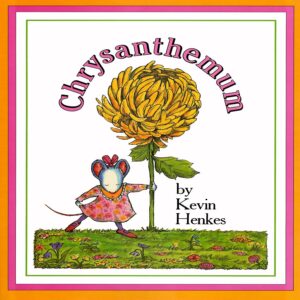
Chrysanthemum loves her long, beautiful name — until classmates tease her about it. Their laughter makes her shrink. She starts wishing she were someone else entirely. You can feel how quickly joy turns into embarrassment for her.
What changes the story is not a lecture or punishment. It’s one kind adult who shows her that uniqueness can be honored. Chrysanthemum learns she doesn’t have to disappear just because others noticed her difference.
Kids recognize how fragile pride can feel when friends laugh. They also see how a small moment of kindness can steady someone again.
What kids notice in this story — You can feel embarrassed and still be okay. Someone can help you see yourself clearly again. Being different doesn’t mean something is wrong.
The Girl Who Never Made Mistakes by Mark Pett
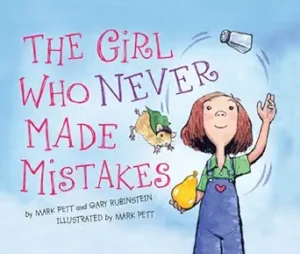
Beatrice Bottomwell is known for perfection. She never slips. Never spills. Never forgets. Everyone watches her, waiting. And that attention becomes its own kind of pressure.
When she finally makes a very public mistake, it’s funny and freeing at the same time. The moment breaks the idea that mistakes must be hidden. Beatrice laughs. And something loosens inside her.
This story helps kids see that embarrassment doesn’t end their story. It opens it.
What kids notice in this story — Everyone makes mistakes. Laughing can help. Being perfect isn’t what makes people like you.
Llama Llama Mad at Mama by Anna Dewdney
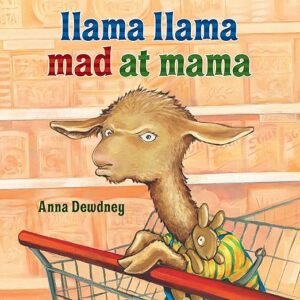
In a crowded store, Llama Llama melts down. His frustration spills out in a very public way. He doesn’t mean to cause a scene, but suddenly everyone is watching.
Mama Llama stays calm. She doesn’t shame him. She helps him breathe and return to himself. The embarrassment fades because connection stays.
Kids see that public mistakes don’t erase love or belonging.
What kids notice in this story — You can lose control and still be loved. Big feelings happen in front of people sometimes. Calm can come back.
The Thing Lou Couldn’t Do by Ashley Spires
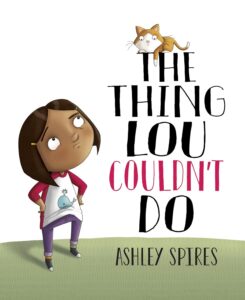
Lou wants to join friends climbing a tree, but fear holds her back. She pretends she doesn’t want to climb at all. Her embarrassment shows up as avoidance.
Lou slowly realizes that not doing something today doesn’t define her forever. She makes a plan. She gives herself time. She stays herself.
Kids recognize that embarrassment often hides fear. And that courage can be quiet.
What kids notice in this story — You don’t have to do everything right away. It’s okay to try later. You’re still part of the group.
Stand Tall, Molly Lou Melon by Patty Lovell
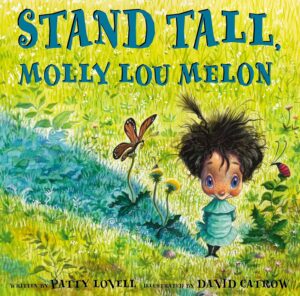
Molly Lou Melon is teased for her voice, her height, her walk. She feels embarrassed, but she remembers her grandmother’s advice to stay herself.
Her confidence doesn’t come from winning. It comes from accepting who she is, even when people laugh.
This story shows kids how self-acceptance softens embarrassment.
What kids notice in this story — You don’t have to change to be liked. Teasing doesn’t decide who you are. You can stand tall in small ways.
Ish by Peter H. Reynolds
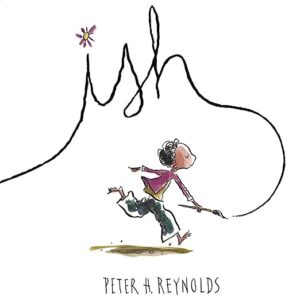
Ramon loves to draw until his brother laughs at one picture. Suddenly every drawing feels wrong. Embarrassment steals his joy.
With his sister’s help, he learns drawings don’t have to be perfect. They can be “ish.” The pressure melts. Creativity returns.
Kids see how laughter can sting — and how gentleness can heal.
What kids notice in this story — You don’t have to be perfect. Trying matters. Art can be fun again.
Jabari Jumps by Gaia Cornwall
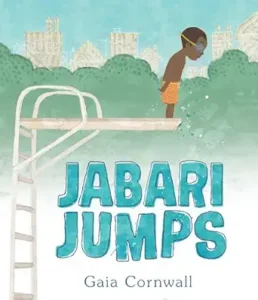
Jabari climbs a diving board but hesitates. Everyone watches. His courage wobbles. He feels exposed.
With his dad nearby, he learns that fear and embarrassment don’t mean stop forever. They mean pause, breathe, and try when ready.
This story respects slow bravery.
What kids notice in this story — It’s okay to take your time. People can wait for you. You can try again.
The Dot by Peter H. Reynolds
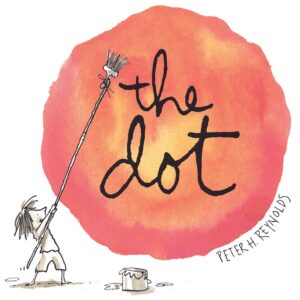
Vashti believes she can’t draw. When a teacher encourages her to start with one dot, embarrassment turns into curiosity.
Her small step grows into confidence. She sees she doesn’t have to avoid mistakes to create something meaningful.
Kids watch embarrassment turn into pride without pressure.
What kids notice in this story — Small starts count. Teachers can help you believe. Trying once can change everything.
Giraffes Can’t Dance by Giles Andreae
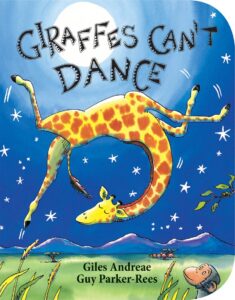
Gerald loves dancing, but other animals laugh at him. Their laughter makes him want to hide.
When he finds his own music, he dances in his own way. The embarrassment fades because he stops copying others.
Kids see that fitting in isn’t always the goal.
What kids notice in this story — You can do things your own way. Not everyone has to like it. You can still be happy.
Why These Stories Matter
Embarrassment doesn’t disappear from childhood. It shows up in spelling tests, birthday parties, soccer games, classroom answers, and playground rules. It comes with growing awareness.
What helps is not avoiding awkward moments. What helps is surviving them. Laughing later. Trying again. Staying connected.
When you read these books after a hard school day, your child quietly learns something important. They see that characters feel the same rush of heat and worry. They see that life continues. They see that mistakes don’t define them.
Confidence grows in those small recoveries.
A Gentle Way to Personalize the Lesson
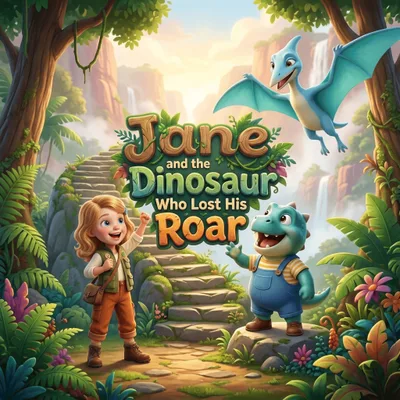
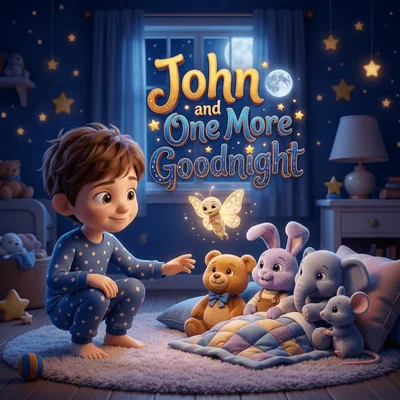
If you’re building out your Scrively reading lists already, you might love this next idea. Sometimes kids need to see themselves directly inside a story — with their own name, their own classroom moment, their own awkward spill or mispronounced word.
Scrively lets you create personalized stories where your child can practice moving through small mistakes and finding steadiness again. It’s not about fixing embarrassment. It’s about helping them see they can recover.
You don’t have to rush your child out of embarrassment. You don’t have to shield them from every awkward moment. You only have to help them know they’re still safe when it happens.
Because embarrassment isn’t fragility. It’s awareness. And every time your child survives one of those small moments, something strong grows quietly inside them.