Seeds, Sprouts, and Salamanders: 8 Children’s Books About Stewardship
Your child spots a beetle on the sidewalk and immediately wants to bring it home.
Or they promise to water a seedling every morning, then forget once the excitement fades. You recognize the tenderness underneath those moments. You also know that wanting to care for something and knowing how to care for it are different skills.
That space between affection and action is where stewardship begins. For a child, the word can mean something wonderfully concrete: noticing what a living thing needs, treating it gently, and returning to help when the task is no longer new.
You do not have to turn your home into a rescue center or expect your child to manage a garden alone. You can begin with one pot, one shared responsibility, or one careful conversation about an animal you observe together. Your guidance belongs in the picture.
These children’s books about stewardship give you ways to explore that responsibility without turning every bedtime into a lesson. Through small creatures, growing plants, and surprisingly tender characters, they invite your child to consider a question that reaches beyond their own wishes: What would help this living thing thrive?
Children’s Books About Stewardship to Read Together
The eight selections below approach care from different directions. Some offer gentle stories for younger listeners; others invite a curious child to linger over details. Choose the one that meets your child where they are, whether that means fascination with trucks, questions about insects, or a fierce wish for something small to love.
Lola Plants a Garden by Anna McQuinn
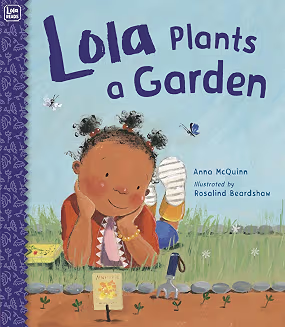
If your child wants flowers by tomorrow, Lola offers reassuring company. Illustrated by Rosalind Beardshaw, this story gives an ordinary family project room to feel important. You can share your child’s excitement while making space for the less exciting parts: learning, preparing, and waiting.
What kids notice: Lola gets to make choices. Her garden grows out of her own interest, with her mother alongside her. That combination can feel inviting to a child who wants to help but still needs your hands and reminders.
Story snapshot: Inspired by garden poems, Lola looks for gardening books, chooses flowers, and plants seeds with her mother. While she waits for blooms, she keeps busy with creative activities. Eventually, she celebrates the garden with friends.
Why this book helps: You can use Lola’s experience to make preparation part of the pleasure. Before planting anything, ask your child what you need to learn about it. Looking for an answer together is already an act of care.
How to Heal a Broken Wing by Bob Graham
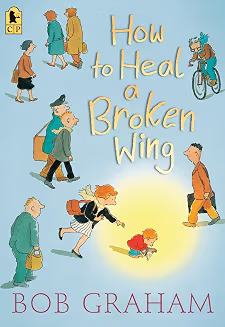
Sometimes your child notices what everyone else steps past. Written and illustrated by Bob Graham, this quiet story honors that attention and follows it into sustained care. Its spare text leaves you space to pause, look, and let your child describe what matters.
What kids notice: One small bird matters to Will, even in a busy city. The adults take his concern seriously. For a young listener, being supported in that concern may be as moving as the rescue itself.
Story snapshot: Will discovers an injured pigeon. With his parents’ help, he cares for it through its recovery before it returns to the sky. The pictures show time passing alongside the family’s patient attention.
Why this book helps: The story gives you a way to discuss helping without keeping. You might ask how Will feels when the bird can leave. For a real injured wild animal, explain that you would involve an adult and seek expert wildlife help rather than copy the book’s home treatment.
The Salamander Room by Anne Mazer
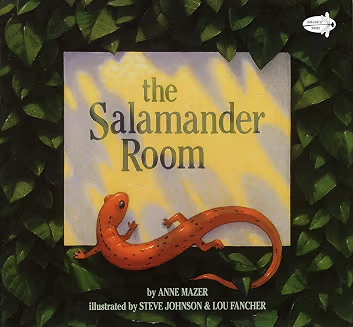
When your child announces that a wild creature could live in their bedroom, this imaginative book offers a useful conversation starter. Illustrations by Steve Johnson and Lou Fancher make room for a wonderfully expansive thought experiment: what would that creature actually need?
What kids notice: A familiar bedroom becomes something extraordinary. Your child can enjoy the possibility of a forest indoors while considering how different a salamander’s home is from their own.
Story snapshot: A boy finds a salamander in the woods and imagines transforming his room into a suitable home for it. His plans expand into a woodland environment, making the animal’s surroundings central to the fantasy.
Why this book helps: You can gently move the conversation from “I want it” to “What does it need?” Treat the bedroom transformation as imagination, then discuss appreciating wild creatures in their existing homes. Loving an animal can include leaving its world intact.
Sonya’s Chickens by Phoebe Wahl
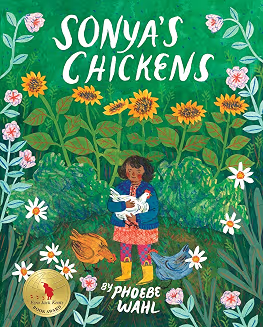
Care can bring pride, attachment, and sadness. Written and illustrated by Phoebe Wahl, this story makes space for all three. Preview it if your child is sensitive to animal loss: a fox takes one of Sonya’s hens, and the story addresses its death.
What kids notice: Sonya’s chickens depend on her. The small routines feel personal because she loves the creatures receiving her attention. When something goes wrong, her feelings are given room rather than hurried away.
Story snapshot: Sonya raises three chicks, providing food and shelter as they grow. After a hen disappears, she learns about the fox and the needs of its family, discovering that nature holds competing needs as well as affection.
Why this book helps: It opens a tender conversation about the limits of control. You can affirm that caring matters even when it cannot prevent every loss. Let your child respond before offering a lesson; sometimes being sad together is the most helpful place to start.
A Beetle Is Shy by Dianna Hutts Aston
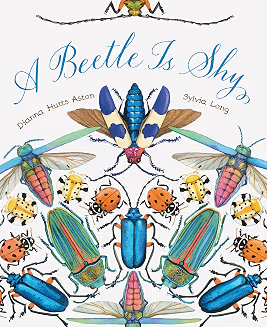
Stewardship also includes the creatures your child does not immediately find lovable. With illustrations by Sylvia Long, this nonfiction picture book invites a closer look at beetles. You can approach it slowly, following whichever shape or color catches your child’s attention first.
What kids notice: Beetles have striking differences. Looking closely can turn an anonymous crawling speck into something worth wondering about. A child does not have to want to touch an insect to become interested in its life.
Story snapshot: Rather than following one character, the book introduces a variety of beetles through lyrical language, factual information, and detailed illustrations. Its subjects include flea beetles and bombardier beetles.
Why this book helps: Pair the reading with quiet observation outdoors. Ask what your child notices before asking what they know. You can model a respectful distance and leave the creature undisturbed. Care sometimes looks like allowing a small life to continue without becoming part of our game.
Bruno the Beekeeper: A Honey Primer by Aneta Františka Holasová
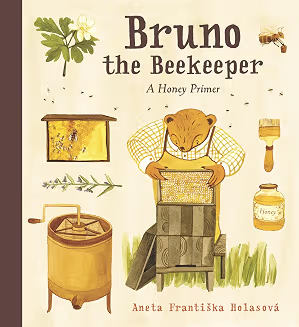
For a child who keeps asking how things work, this detailed book offers plenty to explore. Written and illustrated by Aneta Františka Holasová and translated by Andrew Lass, it combines a bear beekeeper’s world with information about bees and their care.
What kids notice: Caring changes with the seasons. Bruno has different tasks at different times, and there is more happening around a hive than a child might guess from seeing a jar of honey.
Story snapshot: Bruno and his grandmother tend bees through the year. Alongside their activities, the book explains bee anatomy, hive equipment, seasonal routines, and honey harvesting. It rewards browsing as well as a longer shared reading.
Why this book helps: You can connect affection with learning and preparation. Ask what Bruno needs to understand before he can help his bees. Your child does not need a hive to practice that habit; researching a plant’s needs together makes the same idea manageable.
The Digger and the Flower by Joseph Kuefler
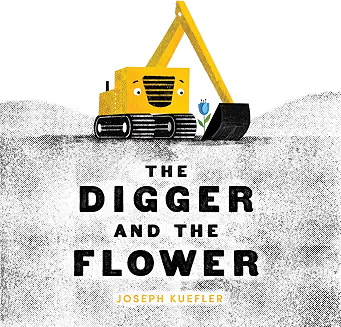
Your truck-loving child may find an unexpected caregiver here. Written and illustrated by Joseph Kuefler, this story brings a powerful machine into a delicate relationship. The contrast makes gentleness visible: something enormous can slow down for something very small.
What kids notice: The flower looks vulnerable beside the machinery. Digger’s attention gives that little patch of life importance, even while everything around it seems focused on building something bigger.
Story snapshot: Digger discovers a flower at a construction site and begins tending and protecting it. When the flower is cut down, he plants its seeds, and new growth offers a hopeful continuation.
Why this book helps: You can talk about strength as the ability to protect and nurture. Ask your child what they can do gently because they are bigger than a seedling or insect. Keep the emphasis on specific choices: making room, slowing down, and paying attention.
The Forever Garden by Laurel Snyder
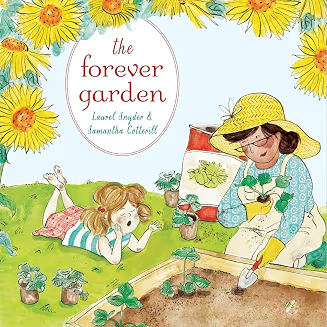
Some things we care for will outlast our time beside them. Illustrated by Samantha Cotterill, this story brings that large idea into the friendship between a child and a neighbor. It is a warm choice when you want to connect gardening with belonging.
What kids notice: Helping creates a relationship. The garden becomes meaningful through time spent together, and the care given to it can continue even when the people around it change.
Story snapshot: Laurel joins her neighbor Honey in tending a garden. When Honey must move away to care for her mother, their shared planting offers continuity. New neighbors arrive, and the gardening tradition carries on.
Why this book helps: You can introduce the idea of caring for something another person may enjoy later. Ask who might appreciate a tree you plant or flowers you help grow. Stewardship reaches beyond the reward your child can hold today.
Put Your Child in the Heart of the Story
After meeting these caregivers, your child may enjoy imagining themselves in a similar role. A personalized Scrively story offers a way to place your child at the center of an adventure and continue a conversation about the qualities you value together.
You might use your reading time to imagine a small stewardship adventure of your own: your child notices a struggling plant, asks for help, and learns how to tend it. Keep the imagined success believable. Remembering to check on something tomorrow can be a satisfying ending.
Then invite your child to connect the idea with home. What could you care for together this week? Let the story open that question without making your child responsible for proving its message.
Small Acts of Care Are Worth Returning To
Begin with a responsibility you can share. Show your child how to check a plant’s soil or help with an appropriate pet-care task, and stay involved. A forgotten turn is an opportunity to practice returning, with your support.
You can name the care you see: “You slowed down so you wouldn’t step on it.” “You asked what it needed.” Those moments deserve attention even when there is no dramatic result.
Your child is learning that their actions touch other lives. A small plant, a tiny creature, a patch of growing things: each offers another chance to be gentle, curious, and dependable. You can keep learning beside them.