8 Children’s Books About Self-Respect and the Strength to Walk Away
Your child comes home quieter than usual. A friend kept changing the rules. Someone laughed when they asked to stop.
They stayed because leaving felt like losing, or because they were afraid there would be nobody else to play with.
Now you are trying to find words for something you wish they already knew: their feelings deserve a place in the friendship, too.
You have probably spent years teaching kindness, sharing, and patience. Then comes the harder conversation about when patience has become putting up with hurt.
You want your child to care about other people while trusting that they can step away from a game, a conversation, or unwanted closeness.
The strength to walk away can look surprisingly small. Moving to another table. Saying, “I don’t like that.” Finding a teacher.
A child may feel shaky through every step and still be making a choice that honors themselves. They do not have to win an argument before they are allowed to leave.
These children’s books about self-respect offer different doors into that conversation.
Some explore teasing and unfair friendship rules; others begin with the everyday right to decline a hug.
Read with room for your child’s own experience. An ordinary disagreement may need conversation and repair, while repeated cruelty calls for boundaries and adult support.
Stories That Help Children Recognize Their Own Worth
Choose the book that sounds closest to the moment your child is living through.
You can pause, wonder aloud, and leave a question unanswered. The aim is to help them recognize choices, including the choice to get help, without turning bedtime into another test they have to pass.
Willow Finds a Way by Lana Button
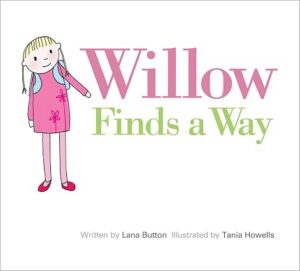 Sometimes a friendship begins to feel like an audition. Your child follows every instruction because an invitation, a seat, or a place in the group seems to depend on it. Willow’s classroom makes that pressure visible in a way young readers can recognize.
Illustrated by Tania Howells, this story gives a quiet child space to act. You can read it with the child who thinks being brave requires a booming voice, and ask what a small but meaningful refusal might look like.
What kids notice: Kristabelle’s birthday invitation becomes a way to control other children. Something that should feel happy starts making everyone nervous about doing the wrong thing.
Story snapshot: Shy Willow struggles to resist Kristabelle’s demands. When Kristabelle threatens to remove classmates from her party list, Willow finds a way to challenge the situation and changes the classroom dynamic.
Why this book helps: It opens a conversation about belonging with conditions attached. Ask, “Can you enjoy someone’s company and still say no to their rules?” Give your child time to imagine an answer.
Llama Llama and the Bully Goat by Anna Dewdney
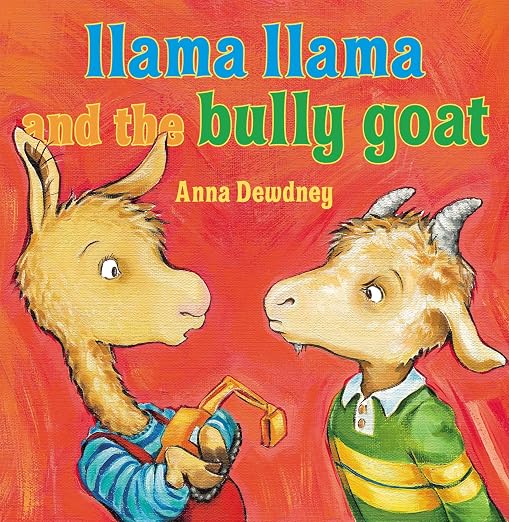 For a younger child, a short sequence can be more useful than a long explanation. Leave the unkind situation. Find someone who can help. Anna Dewdney places those choices inside the familiar rhythm of school and play.
The story also makes room for the tender feelings that can follow setting a boundary. Your child may miss a playmate or worry about upsetting someone. You can acknowledge those feelings while keeping the boundary in place.
What kids notice: A teacher takes name-calling seriously. Llama Llama has an adult to turn to rather than having to manage the teasing by himself.
Story snapshot: Gilroy Goat teases Llama Llama and classmates. Remembering his teacher’s guidance, Llama Llama walks away and tells someone, then wonders whether friendship with Gilroy might be possible again.
Why this book helps: It provides a clear example of leaving and seeking support. Afterward, name the adults your child can approach. Explain that trying friendship again is a choice, and respectful behavior matters.
Don’t Hug Doug (He Doesn’t Like It) by Carrie Finison
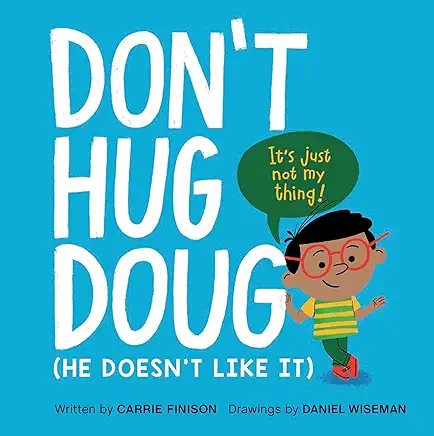 Self-respect often begins before a friendship becomes complicated. It begins when your child realizes that liking someone does not mean agreeing to every kind of touch. Doug would rather offer a high five than receive a hug.
Daniel Wiseman’s lively illustrations keep the conversation playful. If your child has ever hidden behind your leg when a relative opened their arms, this book gives you a gentle way to revisit the moment without making your child explain themselves.
What kids notice: Doug enjoys connection. His preference about hugs is one part of who he is, and there are other ways for him to greet people.
Story snapshot: Doug dislikes most hugs and prefers alternatives such as high fives. The book invites readers to ask before hugging and recognize that different people have different preferences.
Why this book helps: It lets you practice respecting a simple no. Offer your child a choice of greetings, then accept their answer warmly. Everyday experiences can give your later conversations about boundaries something concrete to return to.
More Than Fluff by Madeline Valentine
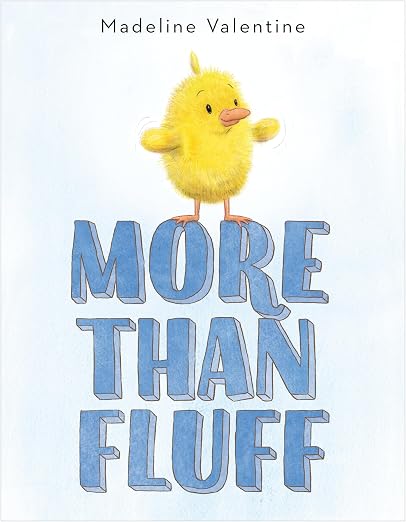 Daisy is fluffy, and everyone seems to have an opinion about how irresistible that makes her. The trouble is that other people’s delight does not tell them whether she wants to be squeezed or kissed.
Madeline Valentine’s little chick offers another entry into bodily boundaries, especially for children who worry that asking for space will hurt someone’s feelings. You can talk about affection while remembering the person receiving it has a say.
What kids notice: Being considered cute does not describe everything about Daisy. She has her own wishes, even when her friends are focused on her appearance.
Story snapshot: A fluffy chick receives more petting, hugging, and kissing than she wants. Daisy faces the challenge of communicating her need for space without wanting to upset her friends.
Why this book helps: It gives you room to say, “You can ask for space even when someone means well.” Invite your child to try a phrase such as, “Please stop. I want some room,” and model responding respectfully.
Weird! by Erin Frankel
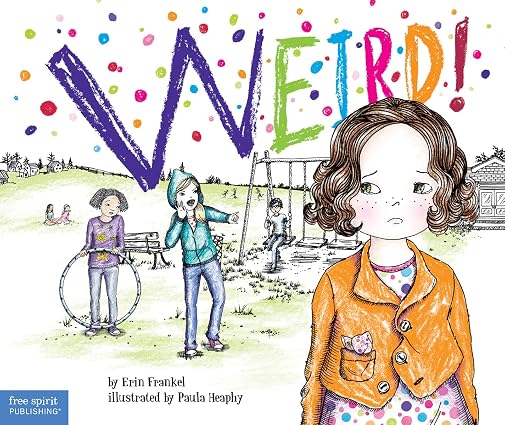 A hurtful comment can linger after the person who said it has moved on. Your child may stop wearing something they love or grow reluctant to share an answer in class. Luisa’s story notices how repeated teasing can begin to shrink a child’s world.
Paula Heaphy illustrates this account of bullying and support. Read slowly if the story feels familiar to your child. They may want to talk about the boots or the classroom before they are ready to talk about themselves.
What kids notice: Luisa changes how she acts because Sam keeps calling her weird. The teasing reaches into ordinary things that used to bring her pleasure.
Story snapshot: Sam targets Luisa for being herself, including wearing polka-dot boots and greeting her father in Spanish. With support from adults and peers, Luisa begins reclaiming her confidence and individuality.
Why this book helps: It lets you ask, “Have you ever stopped doing something you liked because of someone’s comment?” Listen without rushing toward a solution. Your child’s interests deserve care, and persistent bullying deserves adult attention.
Nobody! by Erin Frankel
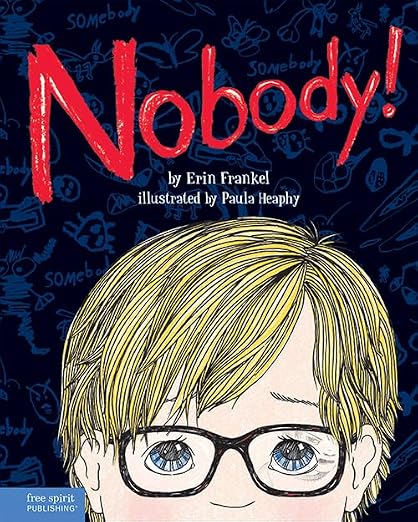 When someone repeatedly treats a child as though they do not matter, encouragement can begin with a simple act of taking their experience seriously. Thomas needs people who recognize what is happening and stand beside him.
Also illustrated by Paula Heaphy, this story broadens the conversation beyond the child being targeted. Friendship and adult involvement are part of the response. You can use it to reassure your child that asking for help does not make their courage smaller.
What kids notice: Kyle’s treatment affects how Thomas sees himself. Friends and trusted adults offer a different view of his worth and help him respond.
Story snapshot: Thomas feels diminished by Kyle’s repeated bullying. With encouragement from others, he starts challenging that hurtful picture of himself and taking steps toward standing up for himself.
Why this book helps: It gives you an opening to ask who helps your child feel like themselves. Explain that they can leave a hurtful interaction before they feel confident, and that adults can help decide what happens next.
Simon’s Hook: A Story About Teases and Put-Downs by Karen Gedig Burnett
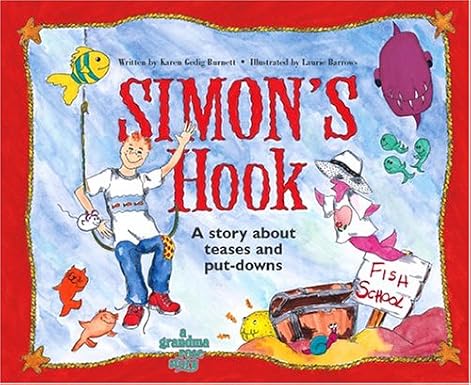 Some remarks seem designed to pull your child into a reaction. A comeback leads to another comeback, and suddenly they are stuck in a conversation they never wanted. Simon’s story offers a memorable image for recognizing that pull.
Laurie Barrows illustrates Grandma Rose’s comparison between teasing and fishing hooks. The metaphor gives you something to discuss together: a child can notice an invitation to argue and consider whether they want to take it.
What kids notice: The fish-and-hook image makes an invisible social moment easier to picture. They can imagine a way around the hook instead of feeling there is only one possible response.
Story snapshot: After Simon is teased, Grandma Rose compares put-downs to fishing hooks and helps him think about ways to avoid getting caught by them.
Why this book helps: It creates space to practice disengaging from a provocation. Keep the conversation kind: feeling hurt is understandable, and a child who reacts has not caused the teasing. Repeated harassment still needs support.
Bully B.E.A.N.S. by Julia Cook
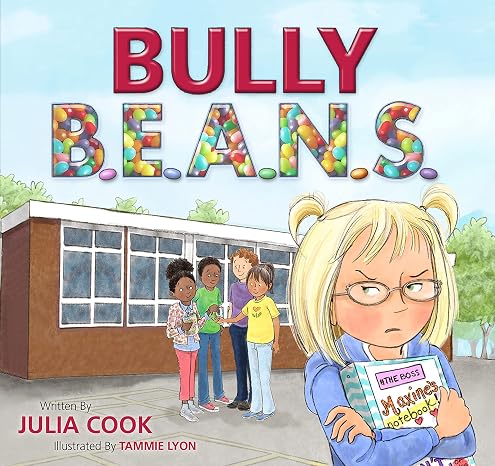 Walking away can feel harder when a whole group is watching. Children may dislike what is happening but stay silent because they fear becoming the next target. This book brings those bystanders into the conversation.
For the second edition, illustrated by Tammie Lyon, Julia Cook explores bullying through a classroom situation involving Maxine and Winston. Read it with room to discuss the difference between witnessing harm and knowing how to respond safely.
What kids notice: Winston is not the only child affected. Other children see Maxine’s treatment of him and feel frightened about intervening.
Story snapshot: Maxine bullies Winston while classmates hesitate to act. The story introduces ways for children to recognize bullying and use their voices in response.
Why this book helps: It invites you to connect self-respect with refusing to participate in cruelty. Practice a manageable choice: leaving an unkind game, inviting someone to come along, or reporting what happened to a trusted adult.
Put Your Child in the Heart of the Story
After meeting these characters, your child may be ready to imagine a choice of their own. A personalized Scrively story can place them inside an adventure where belonging and self-respect meet. Perhaps a group changes the rules whenever they succeed, or a playmate insists that every decision must go their way.
Let the story make room for mixed feelings. Your child’s character might want to stay, feel worried about leaving, and choose a kinder place to play anyway. Include someone who listens and helps. Seeing their own name in that moment can make the question feel personal: “What would I want my next step to be?”
You can explore the idea in conversation, too. Ask where their character would go, who they would look for, and what they might say. Let them choose a quiet exit if that feels right. The story does not need a triumphant speech to give their decision meaning.
A Door They Are Allowed to Open
You cannot rehearse every uncomfortable moment your child will encounter. You can keep offering the same steady message: their discomfort is worth listening to, they can leave an interaction that feels hurtful, and they can come to you for help.
When they tell you what happened, begin by making room for the telling. Later, you can think together about boundaries, repair, and support. They may still love the friend they walked away from. They may still feel sad. Self-respect can grow alongside those feelings, one supported choice at a time.