The Courage to Change Your Mind: 8 Children’s Books About Open-Mindedness
Your child has made up their mind. The new game is boring. The unfamiliar person looks unfriendly. The idea you suggested simply cannot work. Then something happens that complicates the picture, and you can almost see the struggle: can they reconsider without feeling as though they have lost?
Sometimes the hardest part of changing an opinion is knowing someone heard the first one. You may recognize that feeling yourself. A child who announced a decision loudly may need extra gentleness when new information arrives. They need room to grow without an audience saying, “I told you so.”
Children’s books about open-mindedness give you a quieter place to begin. You can wonder about a fictional character’s certainty while your own child stays safely beside you. A funny surprise, a misunderstood neighbor, or an unexpected solution can make reconsidering feel inviting.
You do not have to turn every reading into a lesson. Pause where your child is curious. Let them disagree with a character, revise a prediction, or keep thinking after the book closes. The useful habit is making room for another possibility, then deciding what the evidence actually supports.
Eight Children’s Books About Open-Mindedness and Changing Your Mind
These stories explore different kinds of reconsidering: questioning a rumor, looking beyond appearances, adjusting a wish, and finding another way through a difficulty. Choose the one that feels closest to your child’s day. A single shared laugh may open a conversation that a long explanation could not.
The Wall in the Middle of the Book by Jon Agee
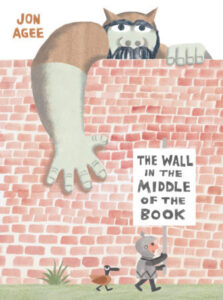 When you want to explore the gap between being certain and being observant, this book gives you a wonderfully visible example. Jon Agee’s young knight feels protected by a wall. The reader can see that his confidence has left out quite a lot.
What kids notice: The pictures invite your child to spot trouble before the knight does. There is satisfying humor in knowing something a character has missed. Ask what is happening on each side, and give your child time to inspect the details rather than rushing to explain them.
Story snapshot: A knight believes the wall separates his safe world from dangerous creatures, including an ogre. Meanwhile, water rises on his own side. When he needs rescuing, help comes from someone he had assumed was frightening, and his understanding of the other side changes.
Why this book helps: You can talk about changing a conclusion when experience gives you new information. Ask, “What did he believe at first? What did he learn?” Keep the discussion curious. Your child can practice noticing a mistaken assumption without being made to feel foolish for having one.
Unicorns Are the Worst! by Alex Willan
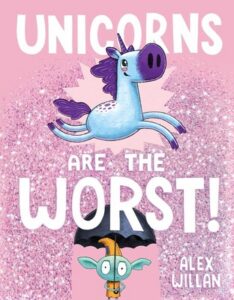 Some opinions arrive with a dramatic flourish. Gilbert the Goblin has plenty of those. Alex Willan’s playful story lets you enjoy a character’s complaints while wondering whether he really knows the neighbors he has decided to dislike.
What kids notice: Glitter and unicorn silliness make Gilbert’s grumpiness entertaining. Your child may recognize how annoying someone else’s favorite activity can seem. You can acknowledge that feeling without agreeing with his sweeping judgment. Disliking a mess is different from deciding an entire group has nothing to offer.
Story snapshot: Gilbert considers goblins practical and hardworking. His new unicorn neighbors seem interested in frolicking, parties, and glitter instead. He insists they are useless, but the story challenges his certainty and invites him to discover that their differences may have value after all.
Why this book helps: It offers a cheerful opening for discussing first impressions. Ask which complaints describe something Gilbert actually saw, and which conclusions go beyond that. At home, you can try a small question together: “What might I learn if I get to know them a little better?”
The New Neighbours by Sarah McIntyre
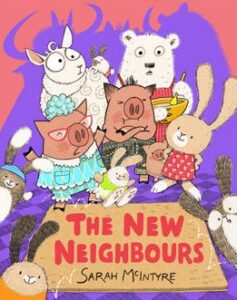 You may have watched a playground opinion spread faster than anyone could check it. Sarah McIntyre places that familiar pattern inside a lively animal apartment building. The book makes other people’s certainty worth questioning, even when everyone seems to share it.
What kids notice: The residents and the journey down the stairs provide plenty to enjoy. Notice how different characters react to news about people they have not met. Your child can follow the changing mood and wonder whether worry is coming from experience or simply being passed along.
Story snapshot: New neighbors move into the tower block at Pickle Rye. As the existing residents share the news and head downstairs, judgments and prejudices shape their expectations. Meeting the newcomers gives the animals an opportunity to look beyond the ideas that traveled through the building.
Why this book helps: It lets you ask, “Who knows this for themselves?” That question can be useful when your child hears a confident claim about a classmate. Encourage them to seek a fuller picture. Changing your mind can begin with realizing that someone else’s opinion is not your own evidence.
I Don’t Like Koala by Sean Ferrell
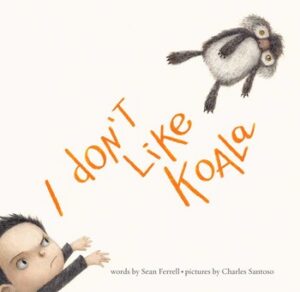 Not every first impression is about another person. Sometimes it is about a toy with an unsettling stare. Sean Ferrell and illustrator Charles Santoso turn Adam’s dislike of a stuffed koala into a darkly funny story about how we interpret what we see.
What kids notice: Koala’s eyes and persistent presence make the pictures amusing, and perhaps a little eerie. Follow your child’s response. If they enjoy gentle spooky humor, ask what makes the toy seem creepy. Another child may see something comforting in the very same face.
Story snapshot: Adam wants Koala gone. He explains his feelings to his parents, puts the toy far away, and takes it on a long walk. Koala keeps returning to his life. The story plays with Adam’s imagination and his relationship with the toy he cannot seem to escape.
Why this book helps: You can explore whether an object has changed or whether a person is seeing it differently. Let your child keep their own preferences; they do not need to like every toy. The conversation can stay simple: “Could someone feel differently about this after another experience?”
Nobody Hugs a Cactus by Carter Goodrich
 A child may insist they want to be alone, then discover they miss company. Carter Goodrich’s prickly Hank offers a warm way to discuss that change. Wanting something different later does not make the earlier feeling dishonest.
What kids notice: Hank’s cactus shape makes his grouchiness wonderfully literal. Your child can enjoy his reactions to visitors while noticing how quiet his world becomes. Ask how being alone feels at different moments. Sometimes quiet is welcome; sometimes the very same quiet begins to feel lonely.
Story snapshot: Hank sits in a pot overlooking the desert and likes his peace. Visiting creatures irritate him, and he pushes company away. Gradually, he finds that being left alone is not everything he imagined. His wish for connection gives the story its tender change of direction.
Why this book helps: It makes room for revising a decision about your own needs. You might say, “You wanted space earlier. Would company feel good now?” Offer the choice without teasing. Discuss the story’s hug while remembering that real children can seek connection through conversation or play, too.
I Do Not Like Books Anymore! by Daisy Hirst
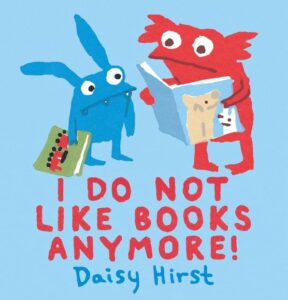 When a new skill feels disappointing, a child may reject the whole activity. Daisy Hirst understands that big declaration. Her monster siblings make a gentle companion for a reader who needs help finding a different route back to something they once enjoyed.
What kids notice: Natalie loves stories but struggles when written words do not immediately make sense. Your child may recognize the distance between expecting something to be exciting and finding it hard. Give that frustration space. Enjoy the siblings’ inventiveness without using their success as pressure to perform.
Story snapshot: Natalie looks forward to learning to read with her brother Alphonse. Her first reading book disappoints her, and its letters seem like squiggles. She announces that she no longer likes books. Making up stories with Alphonse offers another way to reconnect with storytelling and reading.
Why this book helps: You can gently separate “This was difficult” from “I will never enjoy this.” Ask what part your child still likes, then build from there. Drawing a story and adding a few words together may offer a fresh experience, without pretending the original difficulty has disappeared.
The Storybook Knight by Helen Docherty
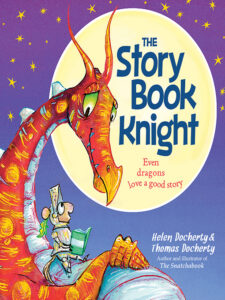 Sometimes the person who needs to reconsider is the grown-up. Helen Docherty and illustrator Thomas Docherty offer a gentle knight whose strengths do not match the role others expect. You can share this story while staying open to what your own child may teach you.
What kids notice: Leo takes books on an adventure where a sword seems the obvious equipment. The contrast gives your child something delightful to anticipate. Ask what Leo knows about himself. His quiet confidence can be reassuring to a child whose interests differ from what others want.
Story snapshot: Leo prefers reading to fighting. When his parents send him to tame a dragon, he carries his favorite stories along with his knightly gear. On his quest, storytelling offers a way to connect with creatures he might otherwise be expected to battle.
Why this book helps: It invites you to reconsider the belief that there is only one useful way to be brave. Ask how Leo’s approach changes what is possible. You can model openness by saying, “I expected one solution, but yours gives me something else to think about.”
The Dodos Did It! by Alice McKinley
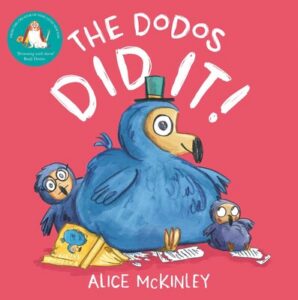 A wish can look different once you discover what living with it involves. Alice McKinley gives that experience a wonderfully absurd form. The chaos makes room for a useful question: what information was missing when you first decided what you wanted?
What kids notice: The growing number of dodos makes Jack’s dream increasingly ridiculous. Your child can enjoy the mess while seeing why one exciting idea might need revisiting. Ask what Jack could not have known beforehand. Discovering a consequence can change a wish without making the first wish silly.
Story snapshot: Jack adores dodos and wishes for one as a pet. His wish comes true, but he keeps wanting more. The birds create chaos, and his parents blame him because they do not believe dodos exist. Jack begins considering a completely different wish.
Why this book helps: It lets you talk about updating a plan after trying it. That can apply to a game, an activity, or an overambitious project. Ask, “What would you choose now that you know more?” Keep the humor alive; you do not need to turn the dodos into a warning.
Put Your Child in the Heart of the Story
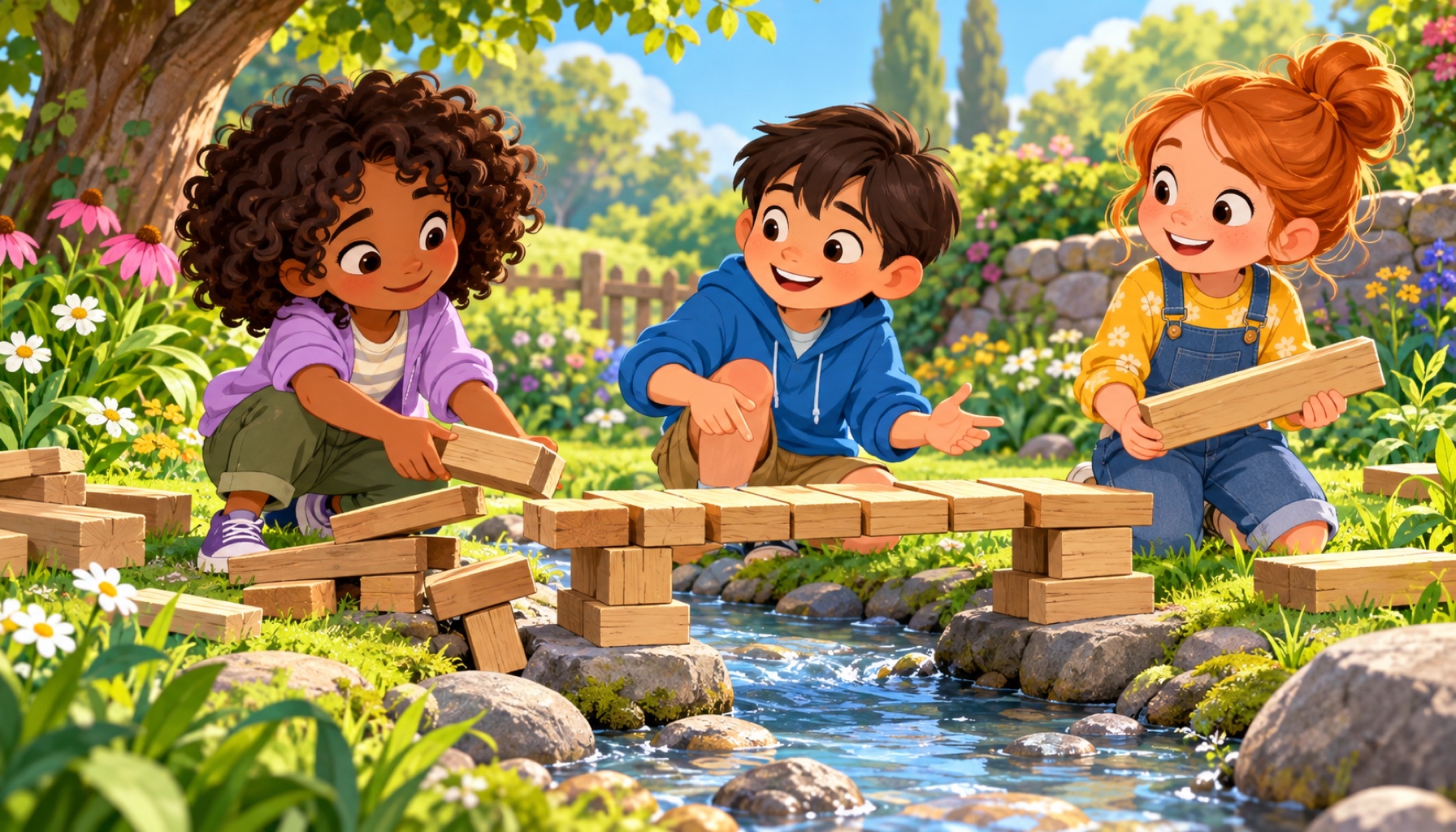
After meeting these characters, your child might enjoy imagining themselves in a story about reconsidering. With Scrively, you can create a personalized illustrated story around a familiar situation: a child certain their bridge design will work, then listening to a friend’s idea when the blocks tumble.
Make the turning point compassionate. Your child’s character can feel disappointed, ask a question, and try again. A parent or friend can stay kind while the character changes course. Seeing themselves inside that scene may make the conversation feel personal and inviting, without promising that a story will solve every stubborn moment.
Leave Room for “Now I Think…”
The next time your child revises an opinion, try greeting it with interest. “What helped you see it differently?” gives them more room than pointing out that you were right. You can share your own small changes of mind, too, so learning looks like something the whole family does.
Some opinions change quickly. Others need another conversation or another day. Keep reading, wondering, and listening together. Your child does not have to know everything at the start. They can discover something new, carry it forward, and remain the same loved child while their understanding grows.