When Someone Else Gets the Applause: 8 Children’s Books About Humility
Your child comes home with a story about someone else. A classmate got the solo. A friend won the race. Their sibling’s drawing went on the refrigerator first. You hear the disappointment beneath the details: “What about me?” You may remember that feeling yourself.
Wanting recognition is human. You can welcome that wish without letting every achievement become a contest for affection. Your child can feel proud of their own work and learn to enjoy someone else’s moment, even when those feelings take time to settle beside each other.
Humility gives other people room to matter. It does not require your child to hide a talent, decline deserved praise, or accept unfair treatment. You can help them name disappointment, ask for a fair opportunity, and notice another person’s effort. Those choices can coexist.
These children’s books about humility offer eight warm, sometimes funny ways into that conversation. Read with curiosity rather than searching for a perfect moral. A child who cannot quite clap yet may first need you to understand how much they wanted their own turn.
8 Children’s Books About Humility and Sharing the Spotlight
The Glow Show by Susi Schaefer
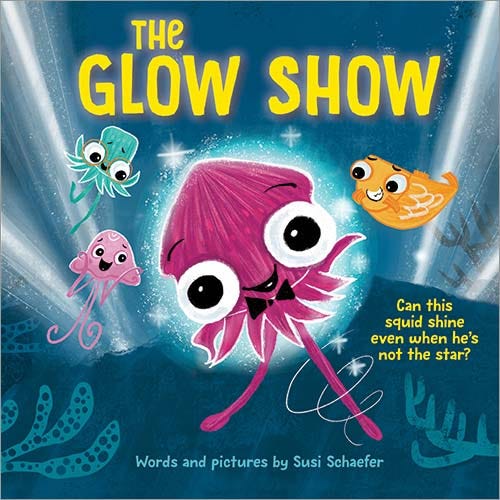
If your child loves an audience, Glow will feel familiar. This little squid can twirl and shine, and he knows it. Written and illustrated by Susi Schaefer, The Glow Show brings the wish to be admired into a colorful underwater world.
You can enjoy his enthusiasm before discussing where it carries him. Being delighted with a skill is a lovely thing. Trouble begins when Glow treats friends mainly as people who should watch him.
What kids notice: Glow’s special ability attracts attention, but his friends have abilities, too. The story invites children to look beyond the brightest creature and consider what others contribute.
Story snapshot: A bioluminescent squid loves dancing and showing off. Unwilling to share the spotlight, he leaves his friends to seek more fans, loses his glow, and must find a way home.
Why this book helps: It separates enjoying an audience from sustaining a friendship. Ask, “What might Glow discover if he stopped to watch someone else?” Your child might name a friend’s joke, drawing, or clever idea. Let appreciation become specific enough to feel real.
The Bear, the Piano, the Dog and the Fiddle by David Litchfield
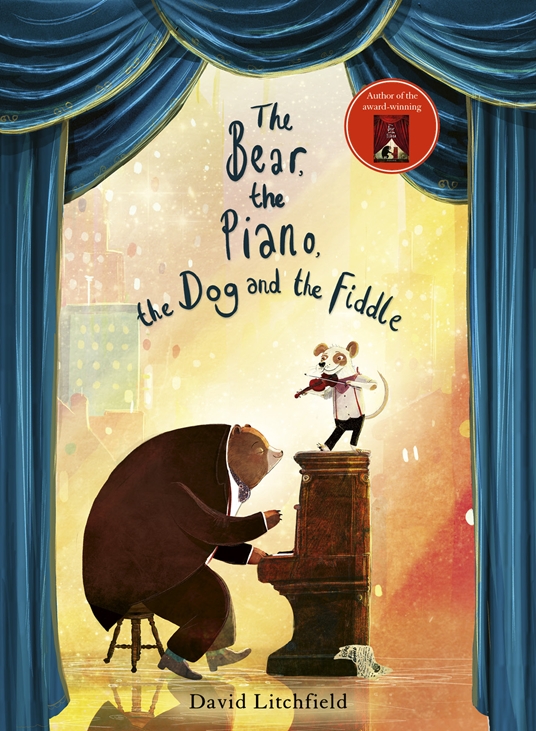
Sometimes the hardest person to applaud is someone you love. Their success feels close enough to compare with your own. David Litchfield’s story, which he also illustrates, approaches that uncomfortable feeling through two friends who have shared music for years.
The central jealous character is an adult, Hector. That gives you room to acknowledge that grown-ups have these feelings, too. Your child does not have to be embarrassed by a feeling that belongs to so many people.
What kids notice: Hugo’s new opportunity changes a familiar friendship. Excitement for one person can bring disappointment or loneliness for another, especially when they have usually done something together.
Story snapshot: Hector and his dog Hugo make music together. When Hugo learns the fiddle and gets an opportunity to join Bear’s Big Band, Hector becomes jealous. Their friendship faces the challenge of celebrating Hugo’s success.
Why this book helps: It makes room for affection and envy in the same relationship. Ask what Hector might need to say honestly, and how he could still support Hugo. You can remind your child that missing a friend is understandable; making the friend feel guilty for succeeding would be a different choice.
Rosie Sprout’s Time to Shine by Allison Wortche
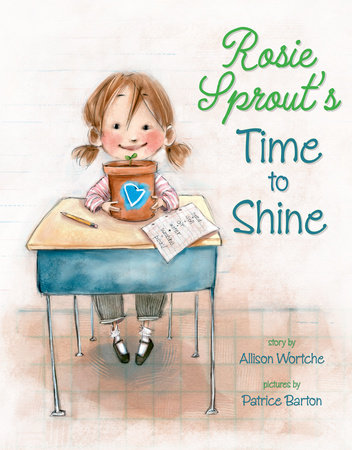
You may recognize the classroom where one child seems to collect all the compliments. Rosie certainly does. Allison Wortche’s story, illustrated by Patrice Barton, takes her frustration seriously while showing how a wish for recognition can lead to an unkind decision.
This is a useful choice when your child feels overlooked. Stay beside that feeling before asking them what Rosie should have done. Being heard can make a difficult conversation easier to enter.
What kids notice: Rosie wants something she has done to matter. Her rival’s slightly taller plant becomes much more than a plant: it seems to decide who deserves attention.
Story snapshot: Rosie and Violet grow pea plants at school. Rosie covers Violet’s sprout with soil to slow its growth, then regrets it. When Violet is sick, Rosie tends both plants, and her teacher recognizes her gardening.
Why this book helps: It shows the difference between wanting praise and interfering with someone else’s chance. Ask what Rosie could tell her teacher about feeling unnoticed. The ending includes recognition, so you can also wonder whether caring for the plants would matter on a day when nobody commented.
Unicorn Thinks He’s Pretty Great by Bob Shea
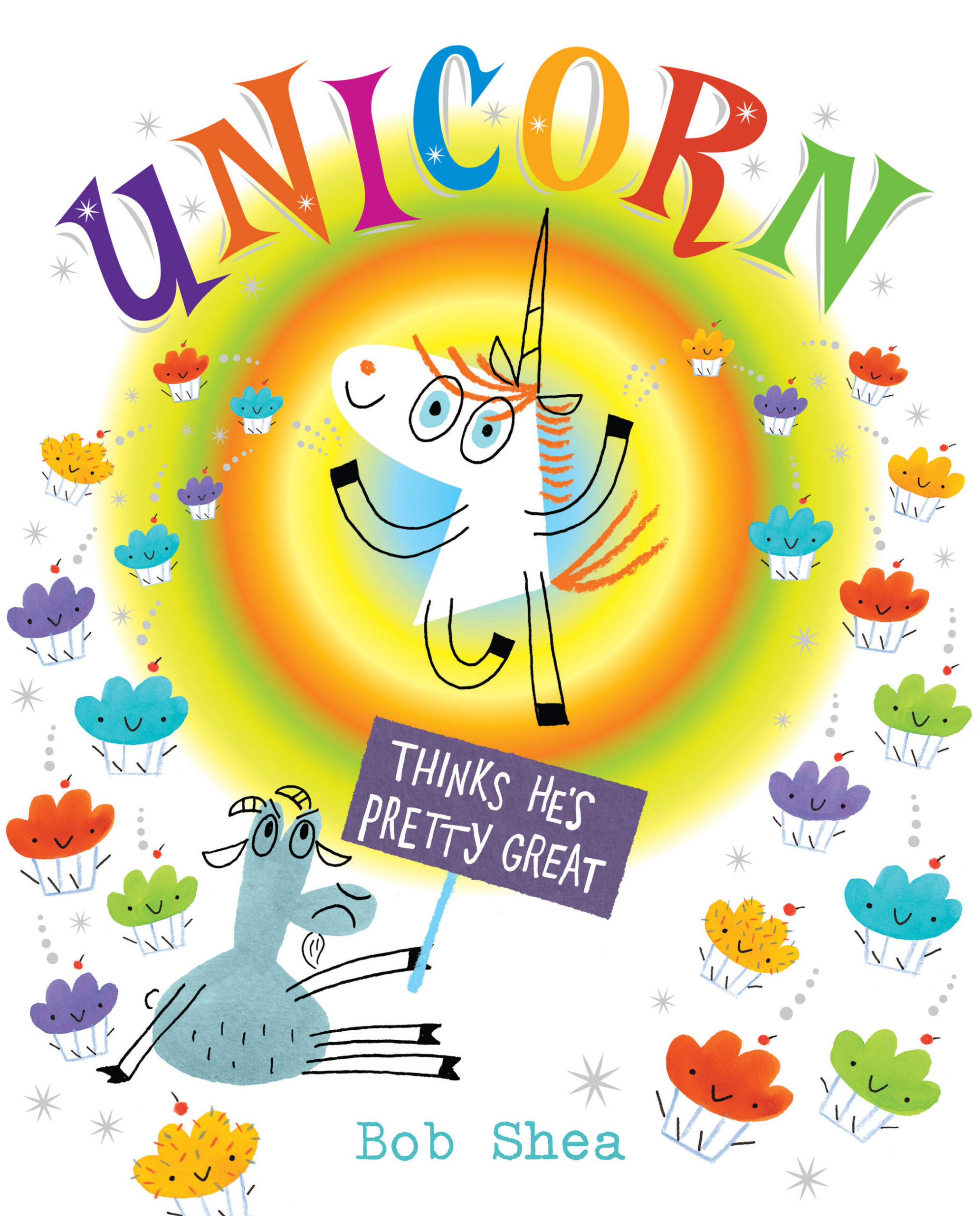
How are you supposed to feel impressive when the new neighbor can make cupcakes fall from the sky? Bob Shea’s story, which he writes and illustrates, gives comparison a wonderfully ridiculous shape. Goat’s ordinary pleasures suddenly look small beside Unicorn’s spectacular abilities.
The humor lets you talk about envy without turning your child into the subject of the conversation. You can laugh together, then ask why Goat’s opinion of himself changes when somebody dazzling arrives.
What kids notice: Goat measures his everyday accomplishments against Unicorn’s magic. He sees what makes Unicorn special long before he realizes that Unicorn can admire him in return.
Story snapshot: Goat feels overshadowed by his flying, cupcake-making neighbor. Sharing pizza leads to a different view of Unicorn’s life, and Unicorn’s admiration for Goat opens the possibility of friendship.
Why this book helps: It offers an alternative to deciding which friend is better. Ask, “What could these two enjoy about each other?” Then leave room for your child to name something they like about themselves. Celebrating another person’s strengths can sit comfortably beside knowing your own.
I’m the Best by Lucy Cousins
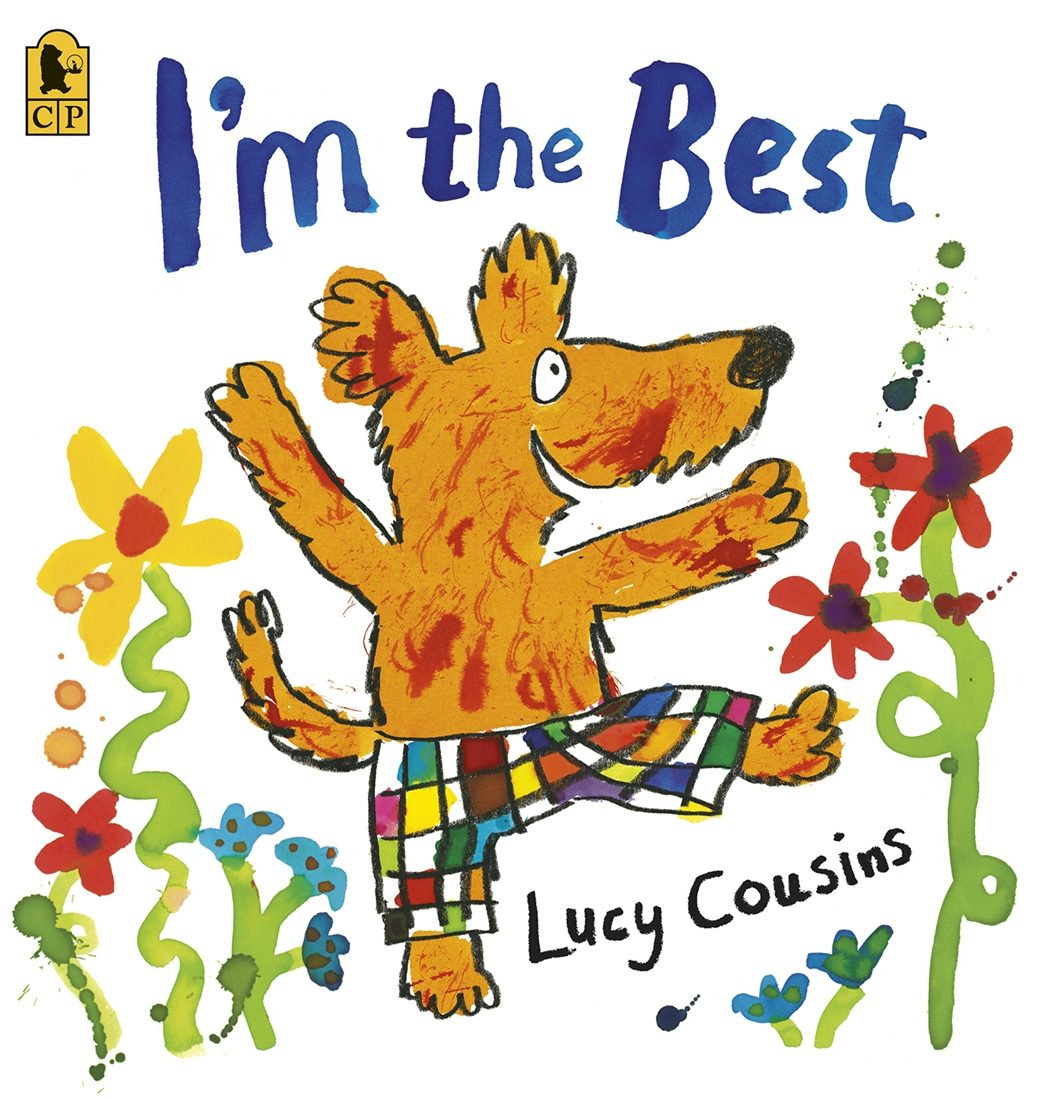
A preschooler’s proud announcement can be both charming and exhausting: “I’m the best!” Lucy Cousins captures that energy in a dog who keeps finding comparisons he can win. Her bold illustrations make his confidence and his friends’ reactions easy to follow.
You can read this one playfully, without using Dog as a warning about your child. Confidence deserves encouragement. The question is what happens when someone’s pleasure depends on telling everyone else they are worse.
What kids notice: Dog compares himself with friends whose abilities differ from his. The contests favor him, while his repeated boasting begins making the others feel sad.
Story snapshot: Dog announces that he runs faster than Mole, digs better than Goose, swims faster than Donkey, and is bigger than Ladybug. His friends turn the comparisons around, challenging his claim to be best.
Why this book helps: It opens a conversation about how pride sounds to another person. Try finding a way to celebrate a skill without putting anyone down: “I’m getting faster,” or “I loved making that.” Ask what Dog enjoys about his friends when nobody is keeping score.
I Really Want to Win by Simon Philip
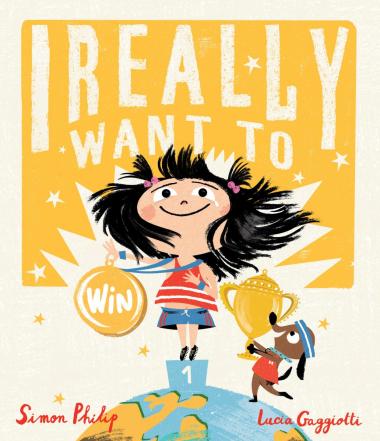
Your child may plan the celebration before the competition begins. This energetic heroine understands. Simon Philip’s rhyming story, illustrated by Lucia Gaggiotti, follows a child and her dog through the determined search for a shiny medal.
It is a lively option for the child who moves from disappointment straight into another attempt to prove themselves. You can appreciate their determination while wondering what else they might enjoy about participating.
What kids notice: The girl wants a winning moment across very different activities. Her desire is bigger than any single event, and a medal begins to look like the only satisfying outcome.
Story snapshot: A girl and her sidekick pup pursue victories through activities including a spelling bee, a dancing contest, and hide-and-seek. The story explores competition and the frustration of not always winning.
Why this book helps: It gives disappointment room without making it the whole experience. Ask what she might enjoy even when someone else wins. After your child’s own event, start with how it felt. Later, you might notice a funny moment, a skill they practiced, or another participant whose effort deserved applause.
The Big Cheese by Jory John
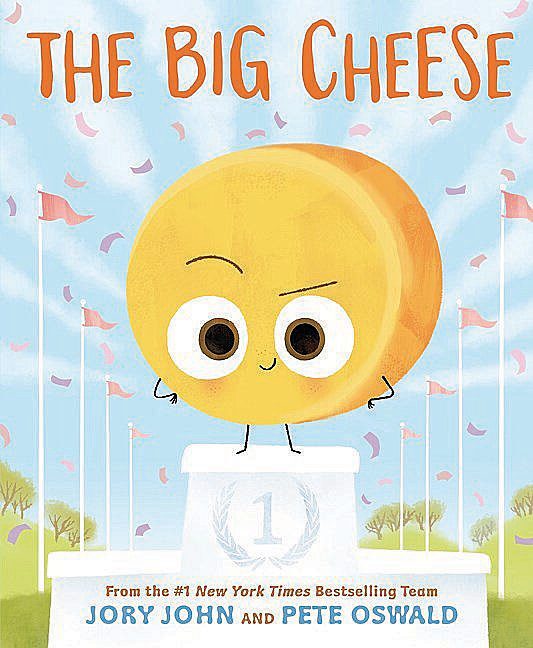
Some children become attached to being the one who always wins. A different result can feel like losing a piece of their identity. Jory John and illustrator Pete Oswald explore that predicament through an extremely confident cheese.
The exaggerated character keeps the conversation light. You can enjoy the silliness while making space for a serious question: who are you when the title you expected goes to somebody else?
What kids notice: Big Cheese expects to win and makes sure others hear about being the best. Quiet newcomer Wedge Wedgeman does not fit that familiar arrangement, which makes his success surprising.
Story snapshot: Big Cheese prepares to win the annual Cheese-cathlon, as usual. When Wedge Wedgeman comes out on top, Big Cheese has to face an outcome that challenges a boastful view of success.
Why this book helps: It makes a loss available for reflection without suggesting ambition is wrong. Ask what Big Cheese could appreciate about Wedge, and what remains worth enjoying about Big Cheese. You can affirm your child’s wish to improve while helping them see that being valued does not depend on finishing first.
Beast in Show by Anna Staniszewski
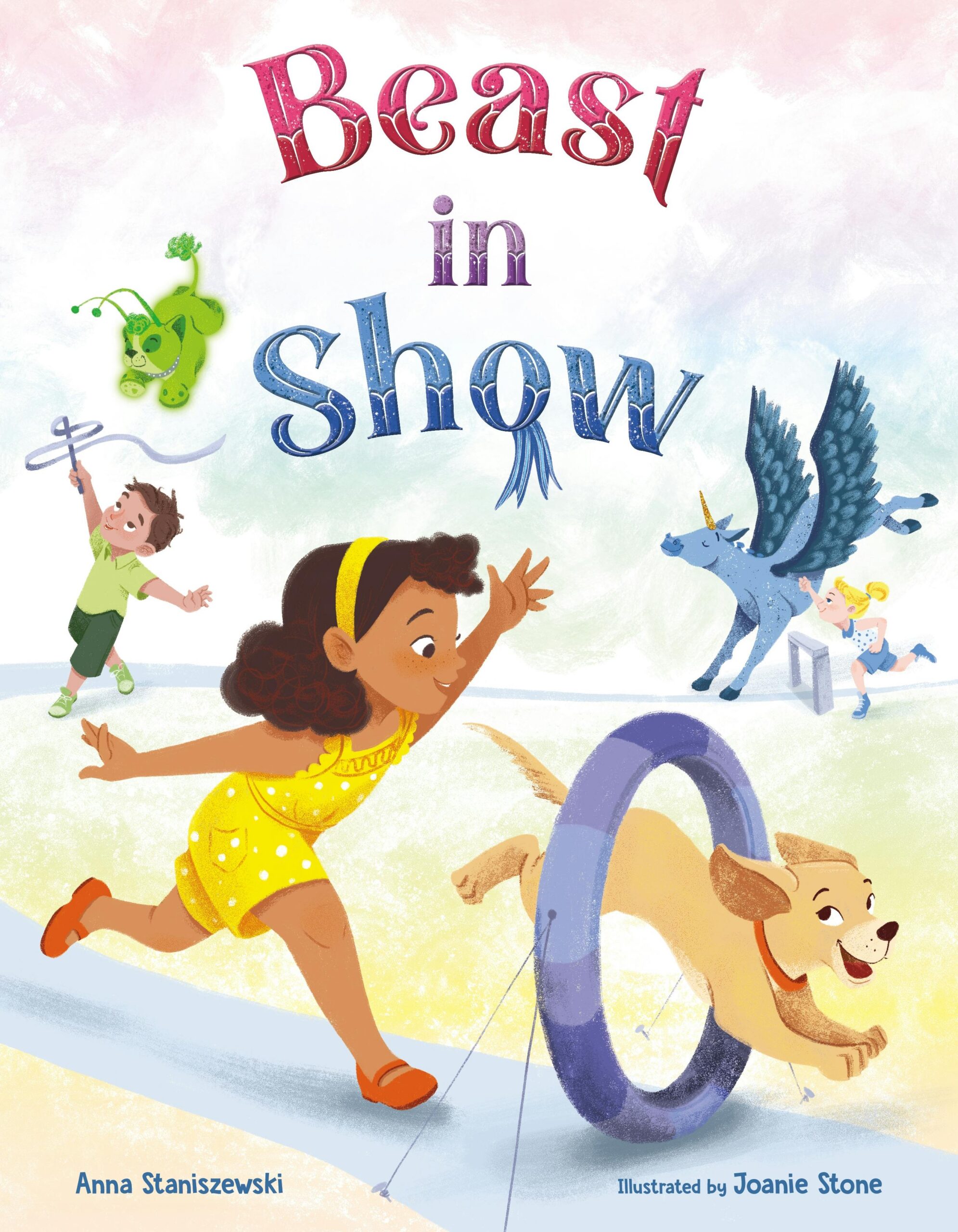
Julia knows her dog Huxley is wonderful. Then the competition arrives, and ordinary wonderful has to stand beside fire-breathing and levitating. Anna Staniszewski’s story, illustrated by Joanie Stone, turns a dog show into an entertaining encounter with being outshone.
Your child can enjoy the unusual creatures while keeping an eye on the relationship at the center. Loving someone does not require a judge to agree that they are the best.
What kids notice: Huxley has genuine abilities, but the other pets are spectacular. Julia’s confidence meets a situation where the attention she expected is going elsewhere.
Story snapshot: Julia enters Huxley in a very unusual dog show. Their competitors include extraordinary pets with dazzling abilities, and the contest becomes an exploration of losing gracefully and valuing a beloved companion.
Why this book helps: It lets you ask what a prize can recognize and what it cannot measure. What does Julia already love about Huxley? Invite your child to imagine congratulating a winner and still going home glad about their own companion. Both feelings deserve a place in the story.
Put Your Child in the Heart of the Story
Your child may picture themselves beside Rosie’s plants or listening to Hugo’s fiddle. A personalized Scrively story offers another invitation: seeing themselves inside an adventure connected to humility, with their own feelings and choices close to the center.
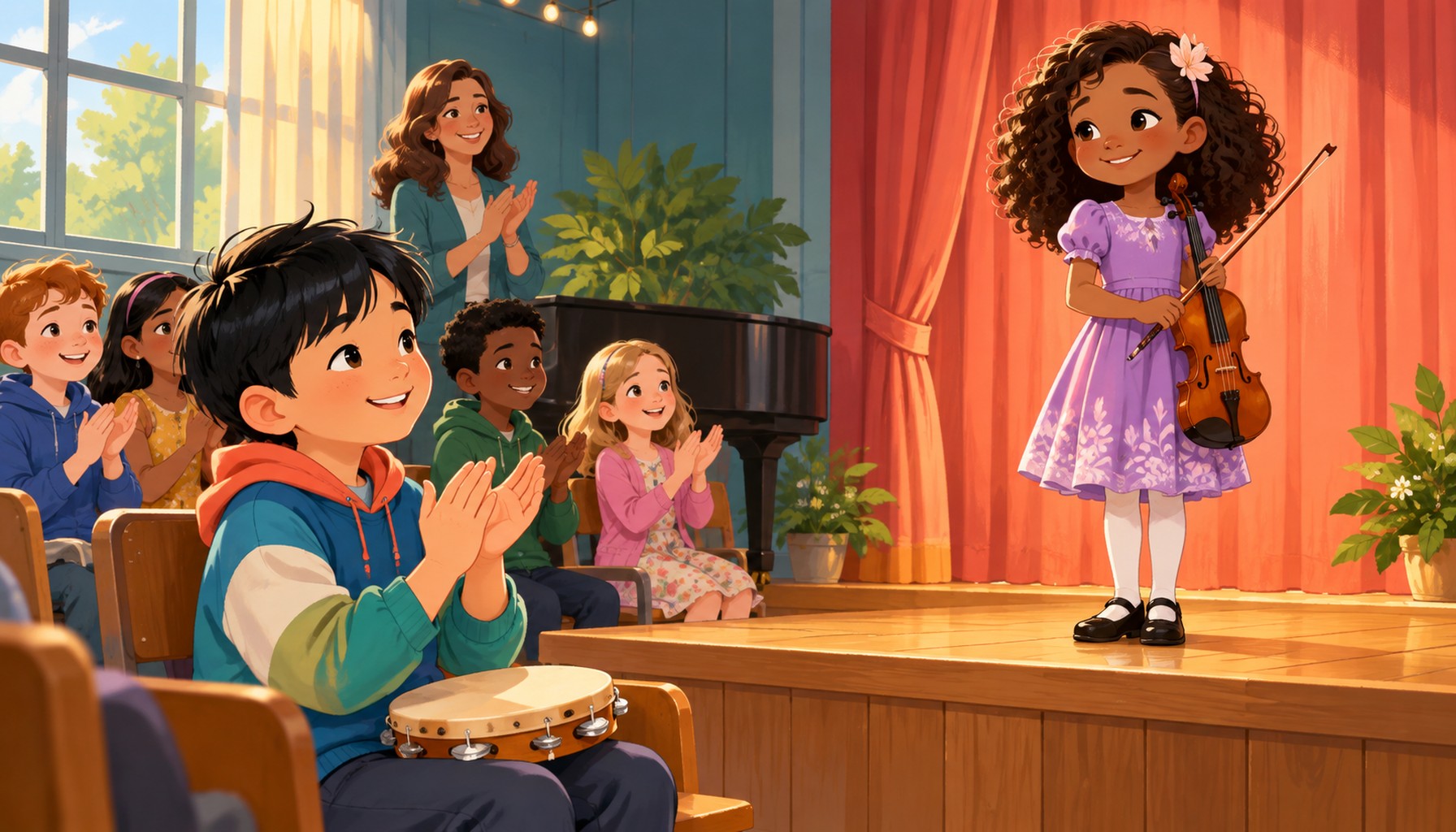
You might imagine their story-self helping with a performance, wishing for the biggest cheer, then noticing how hard a friend has practiced. Let the ending hold both children’s contributions. Your child can offer applause and still feel proud of the part they played.
Afterward, ask what would have been easy and what would have been hard. There is no need to demand the generous answer immediately. The pleasure of recognizing themselves in a story can give you a gentler starting place for thinking together.
There Is Room for Your Child and Someone Else to Shine
When the applause goes elsewhere, begin close to your child’s experience. “You really hoped it would be your turn.” Give that disappointment somewhere to land. If an opportunity was unfairly denied, you can help them address it respectfully.
When they are ready, invite a small act of appreciation: a clap, a kind word, a specific compliment. Keep recognizing their own effort, too. Humility can grow through the discovery that another person’s happy moment leaves their worth intact. You can help them discover that slowly, one ordinary moment at a time.