The People Who Make Your Day Possible: 8 Children’s Books About Appreciation
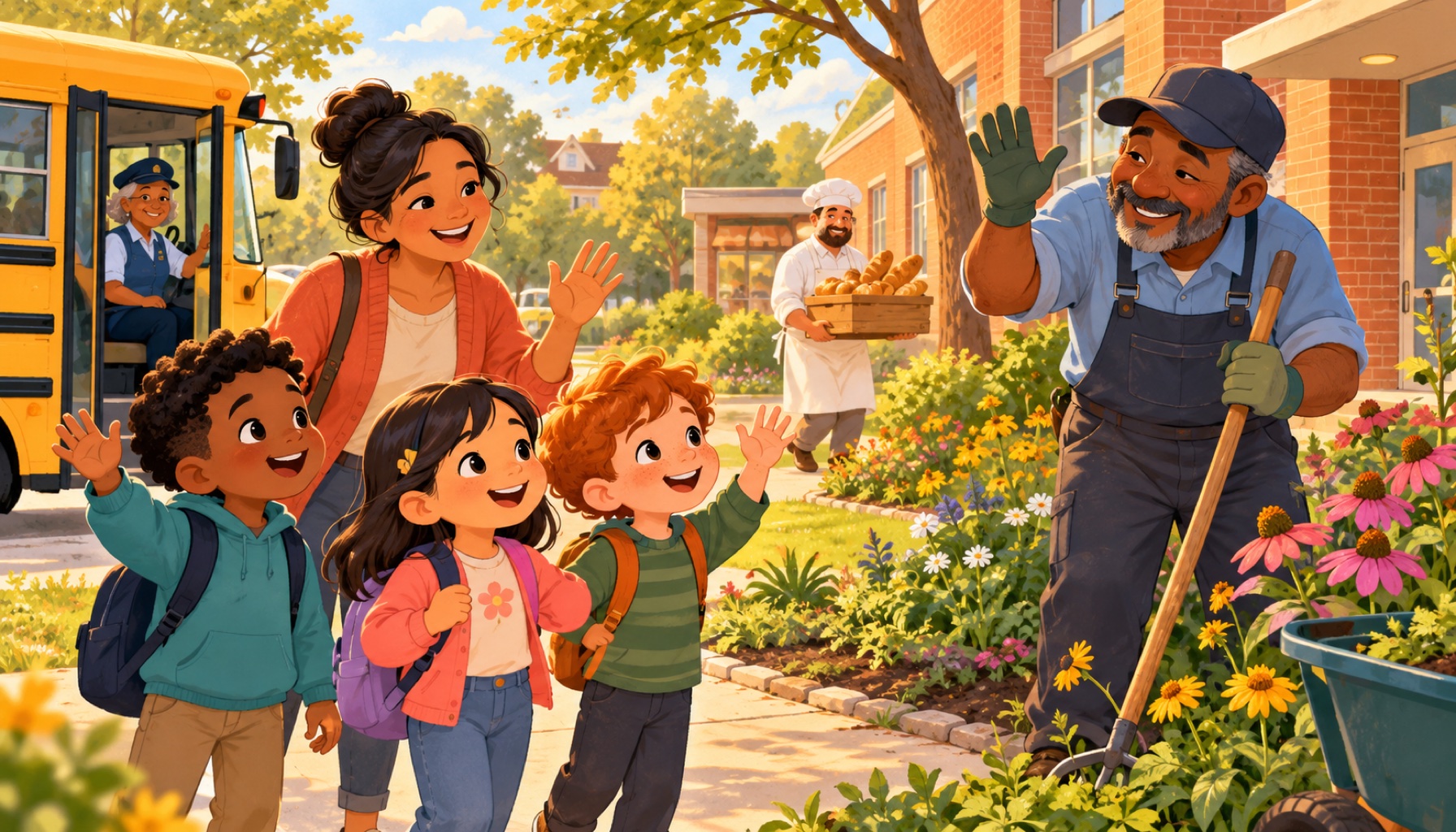
The bus arrives. Lunch appears. The classroom is ready. To your child, these things may feel as dependable as sunrise. Then one morning you notice the person sweeping the entrance, long before the school bell, and realize how much of a child’s comfortable day rests on work they have never stopped to see.
Appreciation begins there, with attention. Before “What do you say?” comes a more interesting question: “Did you notice what they did?” These children’s books about appreciation can help you make the people behind familiar routines visible, without turning gratitude into another item your child must perform on command.
You can keep this practice small. Learn a name, describe a specific effort, or leave a shared space ready for the next person. Paid work deserves respect too. Being paid does not erase someone’s care, skill, or time, and a friendly thank-you does not replace the fair treatment every worker deserves.
Read these books as invitations to look around together. Some celebrate everyday work, while two reflect the unusual circumstances of the pandemic. Choose what suits your child, make room for questions, and remember that appreciation can coexist with tiredness, frustration, and the right to ask for what we need.
Children’s Books About Appreciation and Everyday Helpers
Someone Builds the Dream by Lisa Wheeler
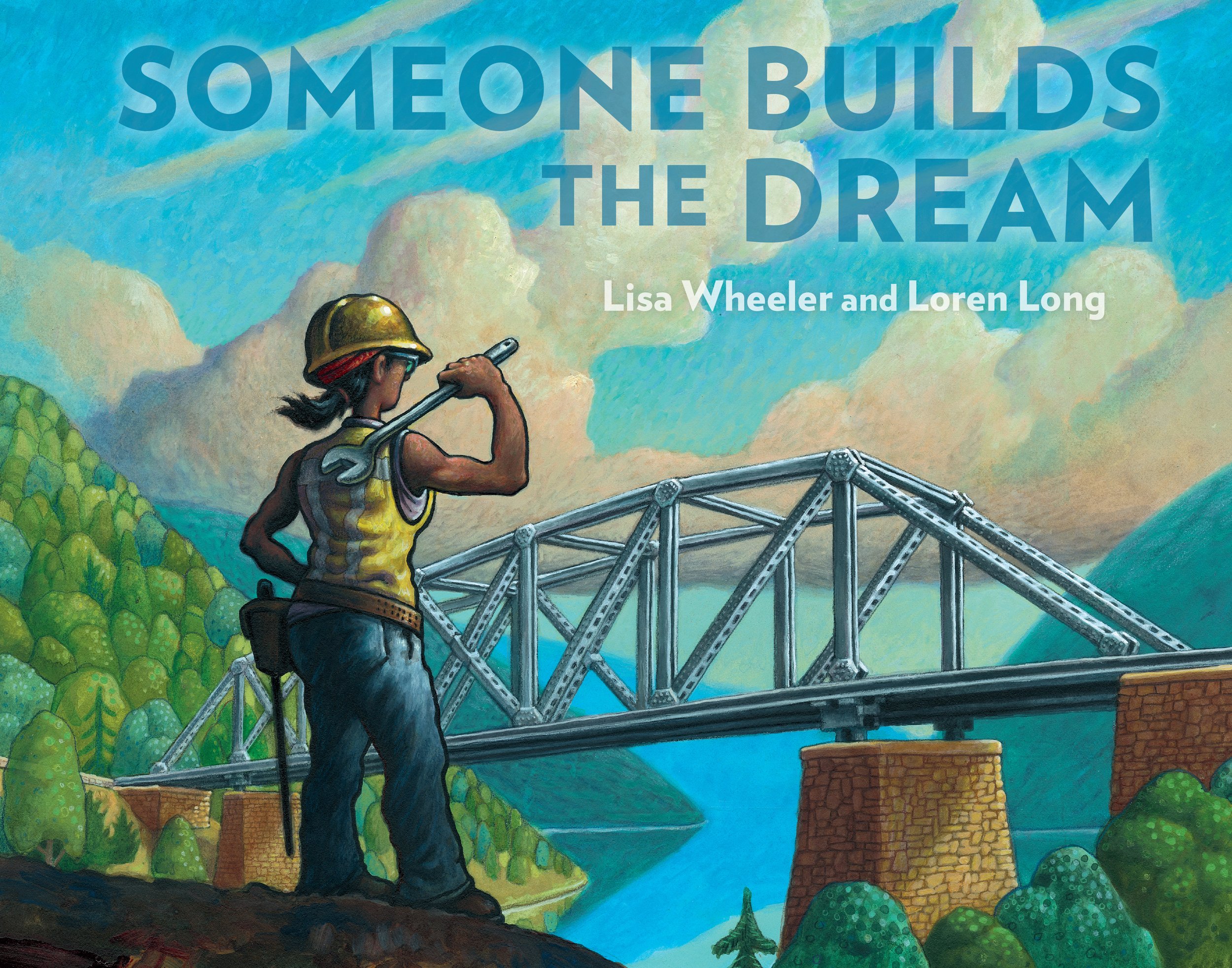
Your child may recognize the person who designed a building long before thinking about the people who put it together. Lisa Wheeler’s rhythmic picture book, illustrated by Loren Long, turns attention toward that work. It is a satisfying choice for children who enjoy construction, tools, and making things.
What kids notice: An idea needs many skilled hands before anyone can use it. Planning matters, and so do the people who measure, lift, assemble, and finish.
Story snapshot: The book follows the work that brings imagined projects into the world. Buildings and other creations become occasions to notice the workers whose practical knowledge makes them possible.
Why this book helps: After reading, choose one familiar place and wonder together about its making. Who fitted the windows? Who connected the lights? You need not know every answer. The useful habit is remembering that a finished object carries the effort of people whose names may never appear on it.
All Through the Night: Important Jobs That Get Done at Night by Polly Faber
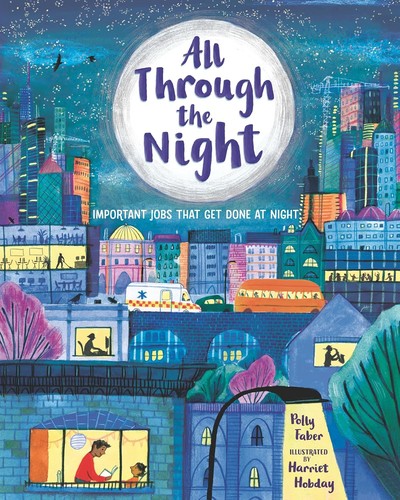
Polly Faber and illustrator Harriet Hobday offer a different view of the city: the hours when many children are tucked into bed. The nighttime setting makes otherwise unseen work easier to imagine. It also gives families with evening or overnight shifts a welcome place in the conversation.
What kids notice: A quiet bedroom does not mean everyone else has stopped. Other people are awake, concentrating, traveling, and preparing for tomorrow.
Story snapshot: As a child gets ready for bed and her mother leaves for work, the book introduces people doing important jobs through the night. Their efforts help the city keep moving and prepare it for another day.
Why this book helps: Ask what might already have happened before breakfast arrives on the table or the first bus comes along. Keep the tone curious, not anxious. You can admire nighttime workers without suggesting that children should worry about them, and recognize that different families organize their days in different ways.
Keeping the City Going by Brian Floca
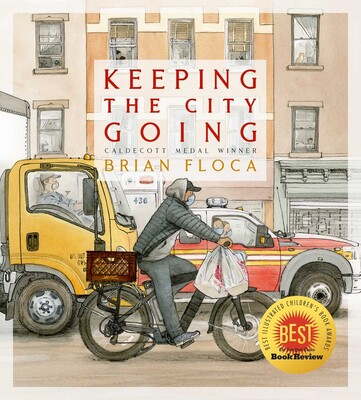
Written and illustrated by Brian Floca, this picture book records essential work during the COVID-19 shutdowns. It belongs to a particular historical moment, so offer a little context before reading. You can keep that explanation brief and follow your child’s questions rather than supplying frightening detail.
What kids notice: Even when familiar streets look different, many people continue the ordinary work that others depend on. A city is more than its buildings.
Story snapshot: From homes looking out onto quieter streets, the book notices workers delivering supplies, stocking stores, supporting health, and keeping services operating during the pandemic.
Why this book helps: Use the book to widen the picture of helpful work beyond the most visible roles. A delivery arriving or a shelf being filled has people behind it. Appreciation can become considerate behavior too: making space, waiting patiently, and remembering that the person helping us has other people to help.
Thank You, Helpers by Patricia Hegarty
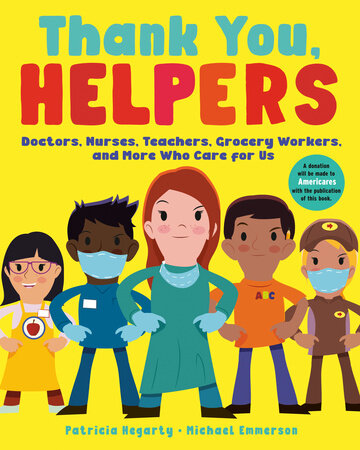
Patricia Hegarty’s rhyming tribute, illustrated by Michael Emmerson, is another book created in response to the pandemic. Its broad view includes healthcare, deliveries, groceries, and teaching. For younger listeners, the repeated appreciation gives you a simple starting point before looking more closely at individual jobs.
What kids notice: Helping a community takes different kinds of effort. The people who move supplies and keep everyday routines working belong in the picture alongside people providing care.
Story snapshot: This is a celebration rather than a story with one central problem to solve. It introduces helpers whose work supports others through a difficult time.
Why this book helps: Choose one role your child already encounters and describe what that person actually does. “You helped us find the right shelf” is more meaningful than a rushed command to be grateful. Children can wave, draw, sign, or let you speak for them; appreciation need not require a public performance or physical affection.
Thank a Farmer by Maria Gianferrari
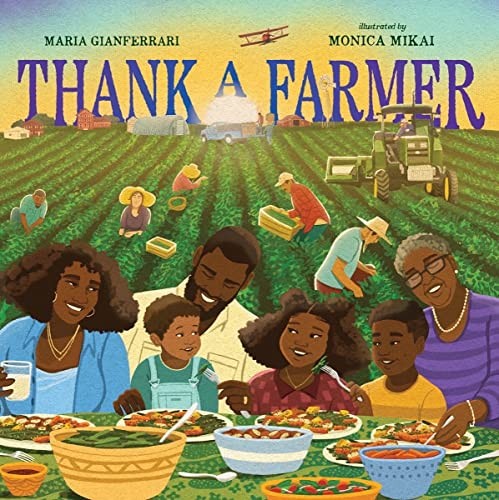
Written by Maria Gianferrari and illustrated by Monica Mikai, this nonfiction picture book follows familiar food and materials back toward the people producing them. It makes a useful bridge between an ordinary breakfast and work happening far beyond your child’s street.
What kids notice: Food does not begin at the shop. Growing and producing things takes knowledge, care, time, and work in places a child may never visit.
Story snapshot: The book traces things families use, including food and clothing, toward agricultural work. Its range of growing places helps readers connect everyday comforts with farmers and farmworkers.
Why this book helps: Pick one item rather than trying to explain an entire supply chain at dinner. Wonder where it began and who helped it reach you. Keep respect attached to people, not just to the product. You can value their work while allowing your child to dislike a particular food; gratitude is not a reason to override bodily preferences.
This Is a School by John Schu
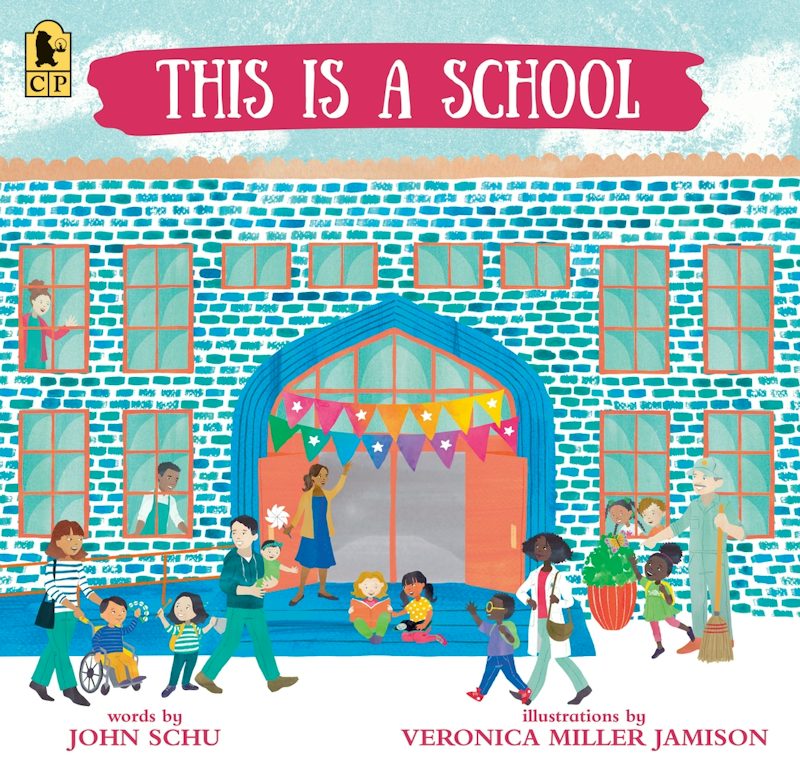
John Schu’s picture book, illustrated by Veronica Miller Jamison, looks at school as a community of people who learn and work together. The emphasis is on relationships rather than the building alone. It can help a child look beyond the adults they see most often.
What kids notice: A school day depends on many people making room for questions, sharing, helping, and learning. Belonging is something people create together.
Story snapshot: The book celebrates a school community through its shared experiences and connections. It also recognizes that community can matter when people cannot all occupy the same room.
Why this book helps: Extend its invitation by thinking about your child’s actual setting. Who gets spaces ready, helps with meals, organizes books, or welcomes families? Learn names appropriately and use the titles people prefer. Avoid making any worker an example of a job to escape; every person deserves respect, whatever work they do.
Our Little Kitchen by Jillian Tamaki
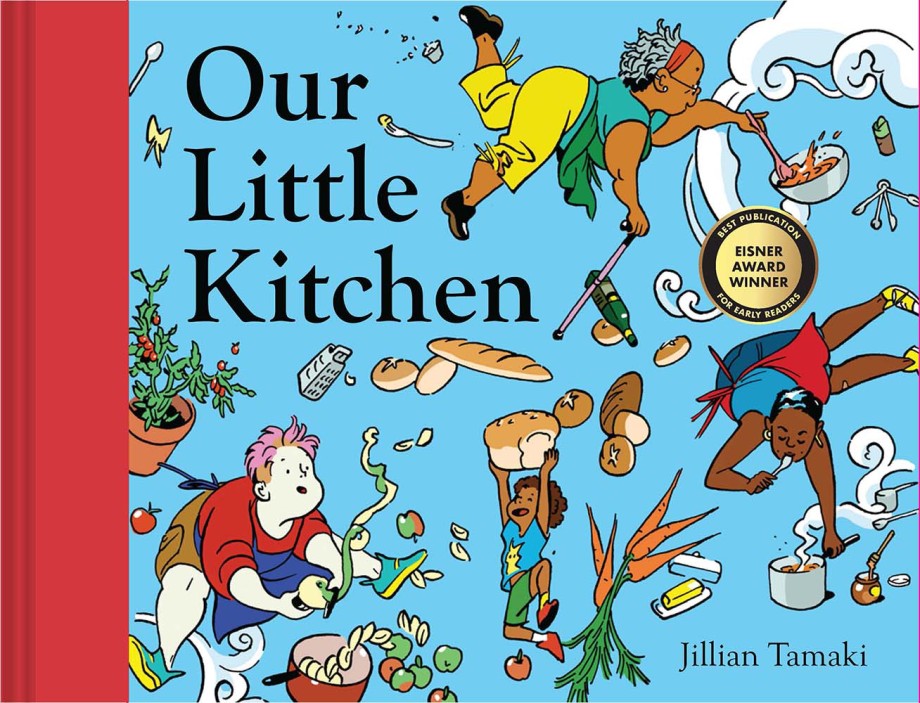
Jillian Tamaki both writes and illustrates this bustling picture book about neighbors preparing food together. The busy pages invite lingering: there is always another task to spot. Its warmth comes from people contributing what they have and sharing a meal, rather than from one person saving everyone else.
What kids notice: A meal involves more than the moment a plate arrives. Many small jobs happen alongside each other, and different contributions can all matter.
Story snapshot: A group of resourceful neighbors cooks for its community, using available ingredients and produce from a garden. The preparations lead toward a shared table and the pleasure of eating together.
Why this book helps: Invite your child to notice both the work and the fellowship. People receiving a meal remain neighbors with preferences and dignity, not props in someone else’s kindness story. At home, offer a manageable contribution such as setting napkins. Explain how it helps, while remembering that children also deserve care when they cannot contribute.
The Thank You Letter by Jane Cabrera
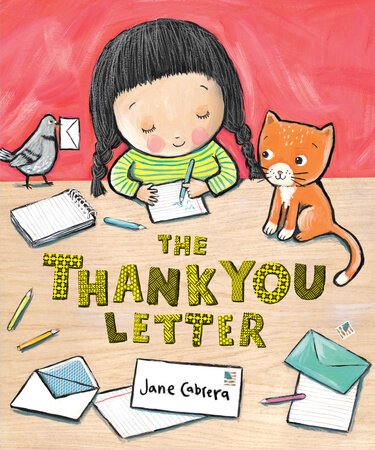
Jane Cabrera’s bright, textured picture book starts with a familiar task: thanking people for birthday gifts. It then follows the pleasure of noticing more. This is a gentle final read when your child is ready to turn an observation into a small expression of appreciation.
What kids notice: Thanks can be about an experience or an act of care, not only an object. Noticing one kindness can make another easier to see.
Story snapshot: After her birthday, Grace writes thank-you notes and keeps finding more to appreciate, including her teacher’s help with writing. Her letters travel beyond the original gifts, and affectionate responses come back from her community.
Why this book helps: Offer to be your child’s scribe. Ask what they want the person to know, then preserve their own simple words. A drawing or one dictated sentence is enough. The goal is a connection, not a flawless letter, and the recipient does not need to reply for the gesture to matter.
Put Your Child in the Heart of the Story
A personalized story can turn the question “Who helped?” into a small adventure. Imagine a character with your child’s name heading out for a favorite activity, then noticing the people who prepared the space, brought the supplies, or helped everyone arrive. The discovery can be joyful and ordinary.
With Scrively, an adult can use AI to create a personalized story around a child’s interests. Review the words and illustrations before reading together. A cover and sample pages are free to preview; finishing or downloading a book requires a paid purchase. Book and editing allowances depend on the plan and available credits. Generation time and results vary. These stories are for creative reading, not therapy or a guarantee of learning or behavior changes.
Let the ending be modest: a wave, a thoughtful question, or putting something back carefully. Your child does not need to become the hero of someone else’s working day. They can simply become more aware of the people sharing it.
Start With One Person
You do not need a gratitude project, a stack of perfect cards, or a child who remembers every courtesy. Tomorrow, notice one person’s effort aloud. Say what you saw and how it helped. Then leave a little space for your child to respond in their own way.
Over time, those small moments can make familiar places feel more human. The driver has a name. The clean room took work. The meal arrived through many hands. Appreciation grows when the ordinary world stops looking automatic and starts looking like people, doing things that matter.