When Your Child’s Feelings Feel Too Big: Books That Help
You’ve seen it happen.
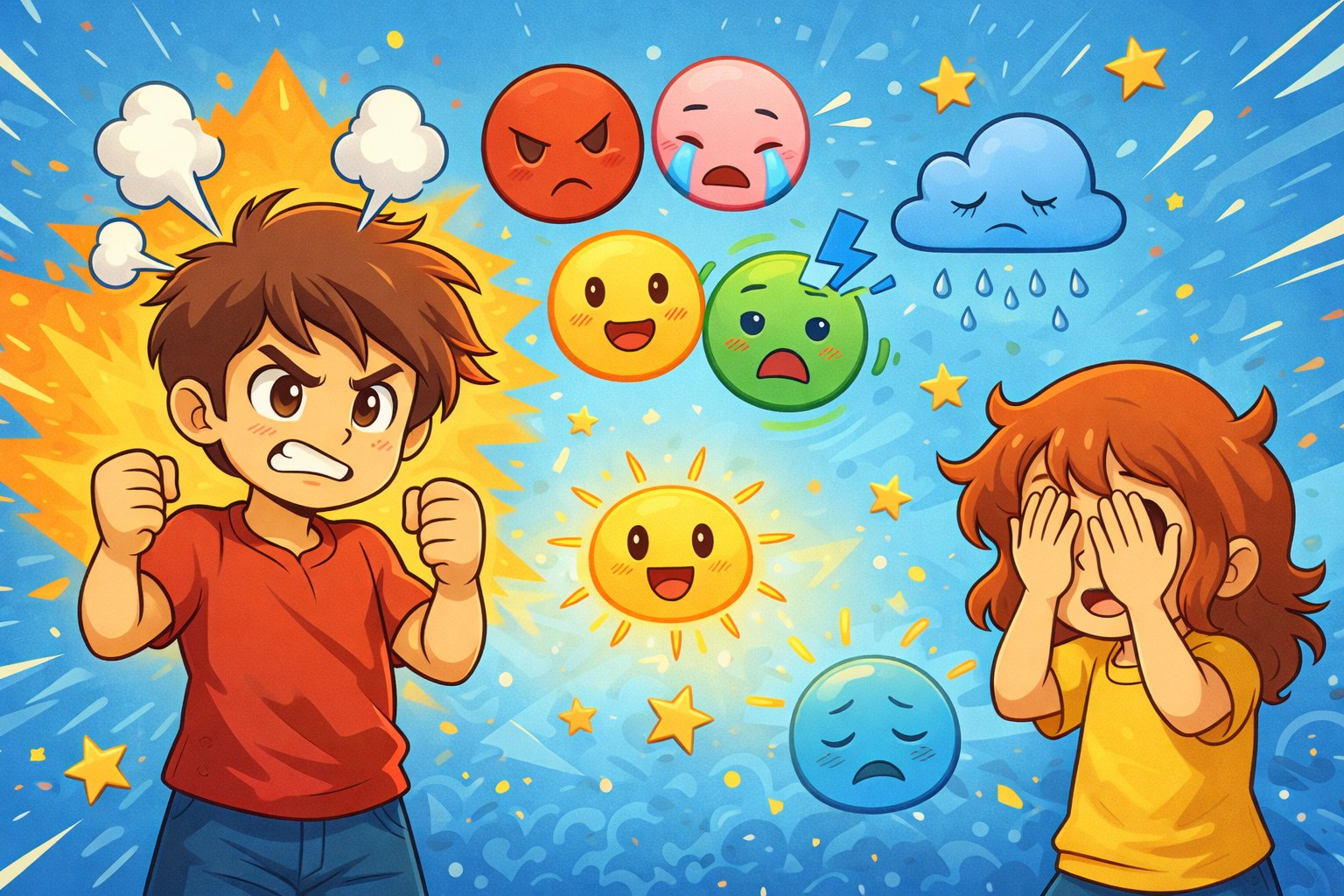
The toy flies across the room. The “NO!” echoes louder than expected. Tears spill over something that seemed small just moments before.
And suddenly, the room feels bigger, louder, heavier.
If you care for a child between four and seven, you know this rhythm well. Big feelings arrive fast. They show up in full color. They don’t knock first.
At this age, emotions aren’t measured. They’re experienced. Fully. Physically. Sometimes dramatically.
And that’s not a flaw. It’s development.
Learning to manage big emotions isn’t about stopping feelings.
It’s about slowly building the language and awareness to move through them. That kind of growth doesn’t happen in a single talk after a meltdown. It happens gradually — in safe, steady moments.
Books offer those moments. They let you explore anger, frustration, embarrassment, and overwhelm from the quiet comfort of a couch or classroom rug.
Stories give you shared language. They make feelings visible without making them wrong.
And when you return to those stories again and again, something begins to settle. Emotions start to feel familiar instead of frightening.
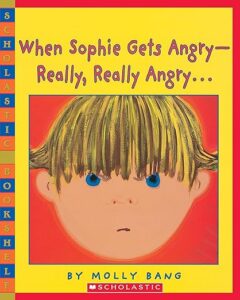
When Sophie Gets Angry — Really, Really Angry — Molly Bang
You recognize Sophie immediately. Her anger is hot and sudden. It feels too big for her small body. She roars. She kicks. She runs.
This story doesn’t rush her toward calm. Instead, it allows you to sit inside the intensity. The illustrations expand and swell with color, showing how anger can fill a space. Then slowly, gently, Sophie finds her way back.
It’s a reminder that anger itself isn’t the problem. It’s something to move through.
- Core Theme: Anger awareness and cooling down
- Why It Helps: Validates strong anger while modeling space and recovery
- Perfect For: Kids who escalate quickly and need reassurance that calm can return
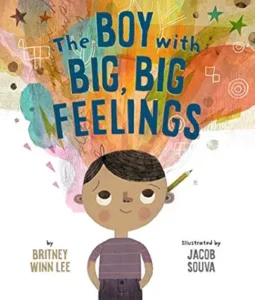
The Boy with Big, Big Feelings — Britney Winn Lee
Some children don’t just feel emotions — they feel them loudly, visibly, and all at once. In this story, you meet a child whose feelings spill over in ways that draw attention and confusion from others.
Instead of shrinking those emotions, the story gently reframes them. Big feelings aren’t weaknesses. They’re part of how you experience the world. As the narrative unfolds, you see how awareness and acceptance create room for growth without demanding that emotions disappear.
This book offers something steady and affirming: your feelings can be intense and still belong.
- Core Theme: Emotional intensity and self-acceptance
- Why It Helps: Validates strong feelings while modeling self-awareness and confidence
- Perfect For: Kids who feel “too much” and need reassurance that their emotions are okay
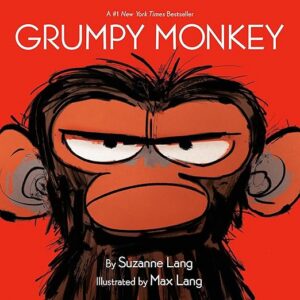
Grumpy Monkey — Suzanne Lang
Jim insists he’s not grumpy. Everyone else seems to notice something different.
The humor here makes space for honesty. Sometimes you’re in a mood. Sometimes you don’t know why. And sometimes you just are.
This story gives you permission to acknowledge a feeling without immediately solving it. That kind of recognition builds emotional awareness quietly.
- Core Theme: Naming moods
- Why It Helps: Normalizes temporary emotional states without judgment
- Perfect For: Kids who resist labeling their feelings
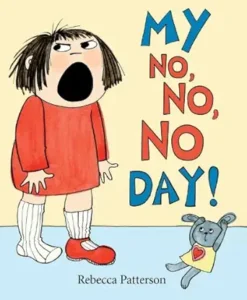
My No No No Day — Rebecca Patterson
Bella wakes up on the wrong side of everything. Nothing feels right. Everything gets a dramatic “NO!”
If you’ve lived through a morning like that, this book feels familiar.
By exaggerating the day just enough, the story lets you laugh together. And laughter softens tension. It shows that rough days happen — and they pass.
- Core Theme: Emotional reset
- Why It Helps: Shows that bad moods don’t define the whole day
- Perfect For: Morning meltdowns and stubborn emotional spirals
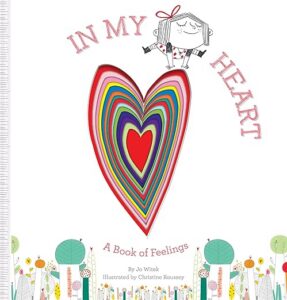
In My Heart: A Book of Feelings — Jo Witek
This book opens like a series of windows. Each page reveals a feeling — happy, angry, shy, brave — described in simple, sensory language.
You don’t get a lesson. You get recognition. Feelings live in your body. They move. They shift.
The layered heart illustrations make emotions feel tangible. Something you can hold. Something you can understand.
- Core Theme: Emotional vocabulary
- Why It Helps: Expands language around feelings in accessible ways
- Perfect For: Kids learning to identify what they’re experiencing
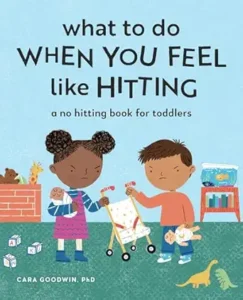
What to Do When You Feel Like Hitting — Cara Goodwin
This story addresses a moment many adults recognize instantly: the surge before a shove or swing.
Instead of shaming the impulse, the book slows it down. It names the feeling underneath and offers alternatives that feel doable and respectful.
The tone stays steady. The message is clear: the feeling is real. You just have choices about what happens next.
- Core Theme: Safe expression of anger
- Why It Helps: Separates feeling from behavior without blame
- Perfect For: Kids who struggle with physical reactions to frustration
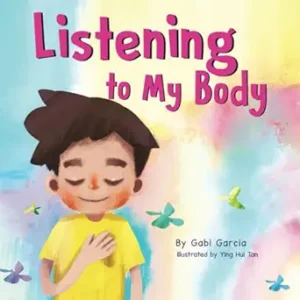
Listening to My Body — Gabi Garcia
Sometimes big emotions feel confusing because they show up physically first.
This book gently connects body sensations with emotional cues. A tight chest. A warm face. A wiggly stomach.
When you can notice your body, you can pause. And that pause is often where regulation begins.
- Core Theme: Body awareness
- Why It Helps: Encourages noticing physical signals tied to emotions
- Perfect For: Kids who feel overwhelmed without knowing why
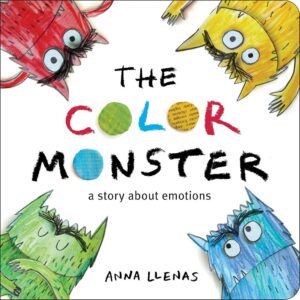
The Color Monster — Anna Llenas
Feelings appear here as colors — mixed up, tangled, confusing.
As the story unfolds, each emotion finds its own space. Not to isolate it. Just to understand it better.
By visualizing emotions, this book makes abstract experiences concrete. It helps you sort through the swirl.
- Core Theme: Emotional clarity
- Why It Helps: Uses visual metaphors to untangle mixed feelings
- Perfect For: Kids who experience multiple emotions at once
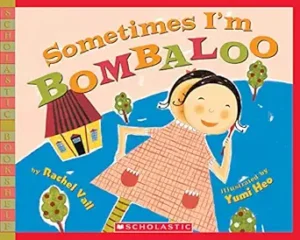
Sometimes I’m Bombaloo — Rachel Vail
Bombaloo is that explosive version of you that appears when things don’t go your way.
The story doesn’t pretend Bombaloo doesn’t exist. It acknowledges him — then shows how relationships remain steady even after an outburst.
This reassurance matters. You can lose your temper and still be loved.
- Core Theme: Emotional repair
- Why It Helps: Reinforces connection after big reactions
- Perfect For: Kids who feel shame after meltdowns
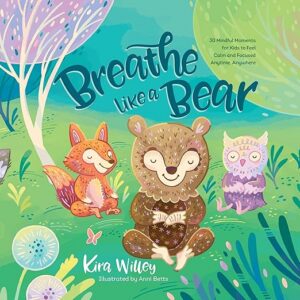
Breathe Like a Bear — Kira Willey
This collection of short breathing exercises feels more like invitations than instructions.
You explore calming strategies during quiet moments, not during crisis. That makes all the difference.
When calm tools are practiced gently and repeatedly, they become familiar. And familiarity builds confidence.
- Core Theme: Learning to pause
- Why It Helps: Introduces calming techniques in low-pressure settings
- Perfect For: Bedtime wind-down or classroom reset moments
Helping Kids Build Emotional Language — One Story at a Time
Emotional growth doesn’t happen overnight.
It unfolds slowly, through repetition and relationship. Through hearing the same story again. Through naming the same feeling in new situations.
You don’t need to read these books only when emotions are high. In fact, calm moments are often the best time. When you revisit a story without urgency, children absorb its language more deeply.
Over time, you may notice something subtle. A pause before a shout. A whispered “I’m just frustrated.” A breath where there used to be a stomp.
Those shifts are small. But they matter.
Personalized Stories That Reflect Your Child’s Emotional World
Sometimes the most powerful stories are the ones where your child sees themselves directly in the pages.
Personalized books from Scrively gently weave your child’s name, experiences, and emotions into a story designed just for them.
When a character who shares their name navigates big feelings, something clicks. The story feels closer. More personal. More real.
And when children feel seen in a story, they begin to understand that their emotions are part of who they are — not something to hide or fix.
Emotional language grows through connection. And connection often begins with a story that feels like it was written just for you.