The Quiet Winner: Books That Teach Children the Gentle Power of Humility
You see it on the playground. You notice it in the classroom.
The loud winner. The child who crosses the finish line first and makes sure every single person within a three-mile radius knows about it.
The one who finishes their drawing and immediately declares it the best piece of art ever created.
It is entirely normal. Children are wired to seek our attention. They are built to want the spotlight.
When they figure out a new skill, their instinct is to shout, “Look at me!” And honestly, we want them to feel that pride. We want them to stand tall in their achievements.
But as they grow, we also want them to learn something much harder. We want them to learn the grace of the quiet win.
Humility is a tough concept for a child to grasp. It often gets confused with making yourself smaller.
But true humility isn’t thinking less of yourself. It is, as the saying goes, simply thinking of yourself less.
It is the ability to be incredibly proud of what you’ve done, while still leaving room in the room for someone else’s joy.
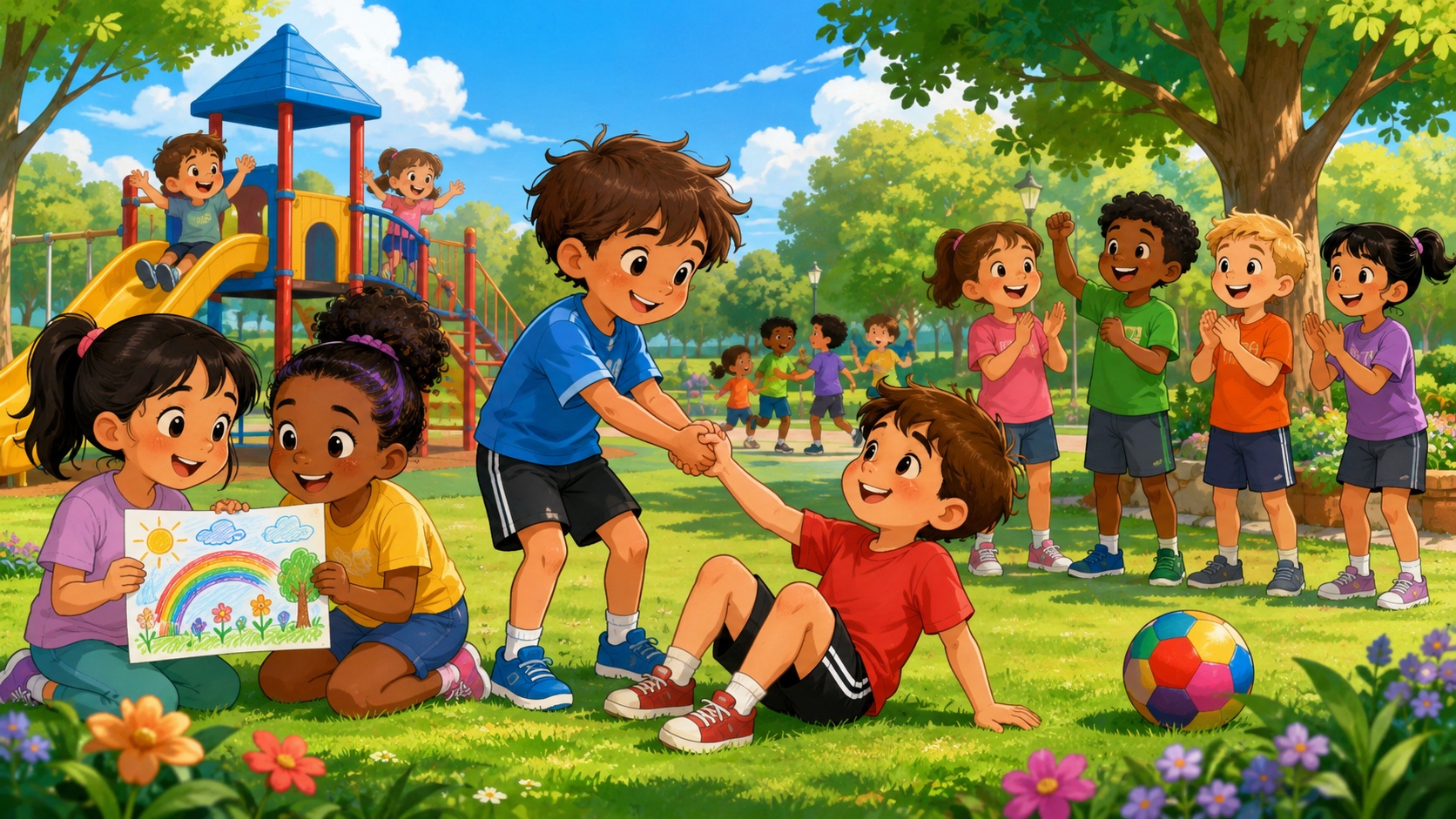
It is cheering for the friend who came in second. It is helping a teammate up instead of doing a victory dance. It is knowing your worth without needing a megaphone to announce it.
Teaching this doesn’t happen through lectures. It happens through stories. Children need to see characters who possess quiet strength.
They need to watch heroes who do the right thing when no one is watching, who share the glory, and who understand that lifting someone else up never pulls you down.
Here are the stories that help your child discover the beautiful, quiet power of being truly humble.
Our Favorite Books for Raising a Quiet Winner
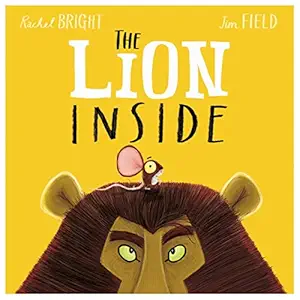
The Lion Inside by Rachel Bright
There is a lot of noise in this world, and for a child, it can feel like the loudest voices are the only ones that matter.
This beautifully illustrated book takes that assumption and turns it completely upside down. It shows children that true strength doesn’t require a roar.
Sometimes, the most powerful thing you can be is quiet, steady, and kind.
The rhythm of the text pulls you in, making it a joy to read aloud, while the message plants a deep seed about where real confidence comes from.
What kids notice: The massive size difference between the tiny, anxious mouse and the gigantic, roaring lion, and how funny it is when the lion gets scared.
Story snapshot: A tiny mouse feels entirely ignored by the other animals because he is so small and quiet.
He decides that to be noticed and respected, he must learn how to roar like the mighty lion on top of the rock.
But when he finally bravely approaches the lion, he discovers the giant beast is terrified of mice. The two strike up an unlikely friendship, realizing you don’t have to be big to be brave.
Why this book helps: It brilliantly separates the idea of volume from the idea of value. Children often believe they need to be the loudest or the most aggressive to win at the game of life.
This story gently dismantles that myth. It shows them that quiet confidence—the kind that doesn’t need to shout to prove it exists—is the truest form of bravery.
It helps the quiet child feel seen, and it helps the loud child understand that lowering their volume doesn’t lower their worth.
Extra Yarn by Mac Barnett
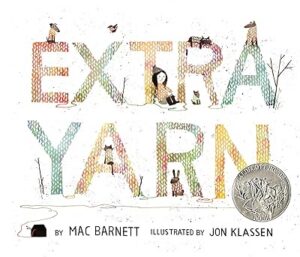
There is a special kind of magic in giving something away without expecting a parade in your honor.
This modern classic is a masterpiece in showing, rather than telling, the beauty of quiet generosity.
The artwork shifts from stark black-and-white to bursts of vibrant color as the main character goes about her quiet work. It is a story about the infinite nature of kindness and the emptiness of vanity.
What kids notice: The way the colorful yarn slowly takes over the entire drab, freezing town, covering everything from the dogs to the houses.
Story snapshot: Annabelle finds a magical box of yarn that never empties. Instead of keeping it for herself, she quietly begins knitting sweaters for everyone in her cold, colorless town.
Even the animals get sweaters. A boastful, wealthy archduke tries to buy the magical box for millions of dollars so he can have all the glory.
When Annabelle refuses, he steals it. But the magic only works for the humble; when the vain archduke opens the box, it is completely empty.
Why this book helps: It paints a vivid picture of the contrast between quiet generosity and loud, demanding ego.
Annabelle never asks for a trophy. She never demands a round of applause. She just keeps quietly making her corner of the world warmer and brighter.
It teaches children that the most powerful impact we can have on the world doesn’t come from a need for fame, but from a quiet willingness to share our gifts.
A Sick Day for Amos McGee by Philip C. Stead
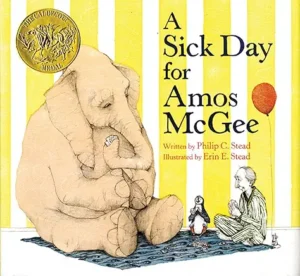
Sometimes, the ultimate act of humility is simply showing up for the people who need you.
This gentle, beautifully paced book slows everything down. It removes the hustle, the noise, and the competition, leaving only the quiet rhythm of true friendship. It is a story that breathes deeply.
It reminds us that being important doesn’t mean being in charge; it means being a reliable, caring presence in the lives of others.
What kids notice: The deeply expressive faces of the animals, especially the shy penguin and the owl who is afraid of the dark.
Story snapshot: Amos McGee is a kind, punctual zookeeper who takes the time every single day to visit his animal friends.
He plays chess with the elephant, runs races with the tortoise, and sits quietly with the shy penguin.
When Amos wakes up with the sniffles and has to stay in bed, the animals realize he isn’t coming.
So, they quietly leave the zoo, board the city bus, and go to his house to take care of him in exactly the same humble, loving ways he has always cared for them.
Why this book helps: It models servant leadership perfectly.
Amos doesn’t view himself as the “boss” of the animals; he views himself as their friend and caretaker.
He puts their needs on the same level as his own. When children see the animals return the favor, they learn a profound lesson about the ecosystem of kindness.
Humble, quiet care creates a bond that lasts long after the game is over or the race is won.
The Boy, the Mole, the Fox and the Horse by Charlie Mackesy
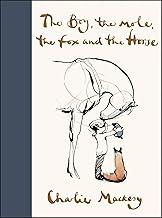
This isn’t a traditional picture book, but rather a journey of the heart. It is a book you will want to keep on your coffee table long after your children have grown.
The sweeping, ink-drawn art and the sparse, poignant dialogue feel like a warm hug. It speaks directly to the soul of a child—and the parent reading it—about what truly matters.
It strips away the need for achievement and replaces it with the need for connection.
What kids notice: The beautiful, messy ink drawings and the way the animals talk to the boy like equals.
Story snapshot: A lonely boy meets a cake-obsessed mole, a silent fox, and a wise, gentle horse.
As they journey together through the wild, they have quiet conversations about life, fear, friendship, and success.
The horse, who is the biggest and strongest of them all, reveals that he can fly, but stopped doing it because it made the other horses jealous. He chooses to stay grounded to walk beside his friends.
Why this book helps: It tackles the core of humility through the character of the horse.
The horse has a magnificent, magical ability, but he chooses friendship and empathy over showing off.
He doesn’t need to prove he is the best. The book offers children a radically different definition of success.
It suggests that success isn’t about being the fastest or the smartest, but about being brave enough to be kind, and humble enough to ask for help.
Humble Pie by Jennifer Donnelly
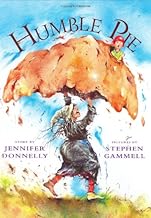
If you have a child who tends to brag, boast, or demand the biggest piece of cake, this story is a delightful, slightly magical course correction.
It takes the idiom “eating humble pie” and turns it into a literal, laugh-out-loud fairytale.
It is set in a whimsical, old-world village, but the sibling dynamics and the hunger for the spotlight are entirely modern and relatable.
What kids notice: The ridiculous, over-the-top bragging of the main character, and the very literal, very giant pie he ends up trapped inside.
Story snapshot: Theo is a bright boy, but he has a very loud problem: he thinks he is the absolute best at everything, and he never stops telling everyone about it.
He grabs the biggest apples, demands the best toys, and claims to be the smartest kid in town.
Fed up with his boasting, his grandmother bakes a magical “humble pie.” When Theo greedily tries to eat the whole thing, the pie actually swallows him. To get out, he must stop bragging and learn to finally ask for help.
Why this book helps: It holds up a gentle, humorous mirror to the behavior of boasting.
Children can clearly see how exhausting Theo’s bragging is for the people around him. It makes the abstract concept of arrogance highly visible.
More importantly, it shows that the way out of the “pie” isn’t by being stronger or smarter, but by admitting weakness. It teaches that saying “I need help” is actually a profound victory.
Zen Shorts by Jon J. Muth
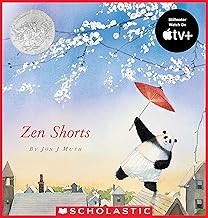
Sometimes the best way to teach a child to calm their ego is to introduce them to a giant, umbrella-holding panda.
This book is a masterclass in shifting perspective.
The watercolor illustrations are breathtakingly peaceful, and the tone of the book instantly lowers the blood pressure in the room.
It teaches children to step back, take a breath, and look at the bigger picture instead of just their own immediate desires.
What kids notice: Stillwater the panda, his calm voice, and the ancient, fable-like stories he tells the three siblings.
Story snapshot: Three siblings—Addy, Michael, and Karl—meet their new neighbor, a giant panda named Stillwater.
When the kids face everyday childhood frustrations—like holding a grudge against a sibling, or feeling disappointed when things don’t go their way—
Stillwater doesn’t lecture them. Instead, he tells them short, ancient Zen tales.
One story involves a monk who happily gives his only robe to a robber, finding joy in the giving rather than the keeping.
Why this book helps: It introduces the concept of a quiet mind. Children are naturally egocentric; they experience the world entirely through the lens of how it affects them.
Stillwater’s stories gently pull them out of their own heads.
The book teaches humility by showing that we are just one small part of a vast world, and that letting go of our need to be “right” or to “win” often brings the deepest peace.
The Bear Who Stared by Duncan Beedie
Social awkwardness and the desire to connect often get tangled up together.
For the child who observes deeply but doesn’t quite know how to jump into the action, this book is a gift.
It is quirky, funny, and incredibly endearing. It shows that you don’t need a loud, booming personality to make an impact. You just need a willing heart and a little bit of guidance.
What kids notice: The bear’s huge, unblinking googly eyes and the awkward, uncomfortable situations he creates by just staring at people.
Story snapshot: Bear is a quiet creature who doesn’t know how to talk to others. So, he just stares. He stares at the badger eating, he stares at the birds singing.
His staring makes everyone deeply uncomfortable, and he feels terrible about it.
Finally, a wise frog teaches him that he doesn’t need to be loud or incredibly clever to make friends. All he needs to do is curve his mouth into a simple, quiet smile.
Why this book helps: It removes the pressure to perform.
Many children think they need to be the funniest or the boldest kid in the room to be liked.
This story celebrates the quiet observer. It teaches humility by showing that connection doesn’t require a big performance. A humble, genuine smile is often the most powerful way to invite someone into your world.
Last Stop on Market Street by Matt de la Peña
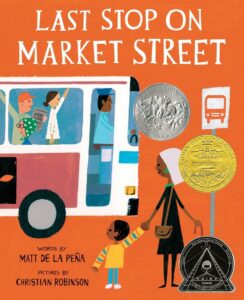
Humility is deeply tied to gratitude. It is the ability to look outside of our own immediate wants and see the beauty in what we have, and the humanity in the people around us.
This vibrant, urban story is a beautiful exploration of finding the spectacular in the ordinary.
It contrasts the loud, shiny desires of a child with the grounded, humble wisdom of a grandparent.
What kids notice: The busy city bus, the different types of people riding it, and the vibrant, energetic illustrations of the bustling city.
Story snapshot: Every Sunday after church, CJ and his Nana ride the bus across town.
CJ is full of complaints. He wants to know why they don’t have a car, why he doesn’t have a digital music player like the older boys on the bus, and why they have to get off in the dirty part of town.
Nana humbly and gently redirects his vision, helping him see the magic in their routine. Their journey ends at a soup kitchen, where they spend their afternoon serving food to others.
Why this book helps: It shifts the focus from “what I want” to “what I can give.”
CJ starts the book feeling deprived because he is looking at the world through the lens of his own ego. Nana’s humble perspective teaches him to look outward.
By the end of the story, serving others at the soup kitchen makes CJ feel richer than any material object could. It is a masterclass in teaching children that true wealth is found in a humble, serving heart.
Put Your Child in the Heart of the Story
We believe that lessons like humility and quiet confidence sink in deepest when a child can truly see themselves in the narrative.
Stories shape how our kids view the world, but they also shape how our kids view themselves.
What if your child wasn’t just reading about a hero making kind, humble choices, but was actually the hero on the page?
With Scrively, you can create 100% custom children’s books in minutes.
You can build a world where your child is the main character, navigating the exact emotional milestones they are facing right now.
Point, click, and generate a story that celebrates their quiet wins, their generous moments, and their unique kind of bravery. Put your child in the heart of the story, and watch their true character bloom.
You can start creating your customized book right now. Let’s make something beautiful together.
A Quiet Kind of Magic
Raising a quiet winner doesn’t mean dimming your child’s light. It means teaching them that their light is strong enough to share.
It is about helping them realize that they don’t have to blow out someone else’s candle to make their own shine brighter.
Every time we read a story that celebrates empathy over ego, and shared joy over solo victory, we are giving them a roadmap.
We are showing them that the most impressive people in the room are often the ones who don’t need to prove it.