Best Books for Kids Learning to Be Accountable
You’ve probably seen the moment before.
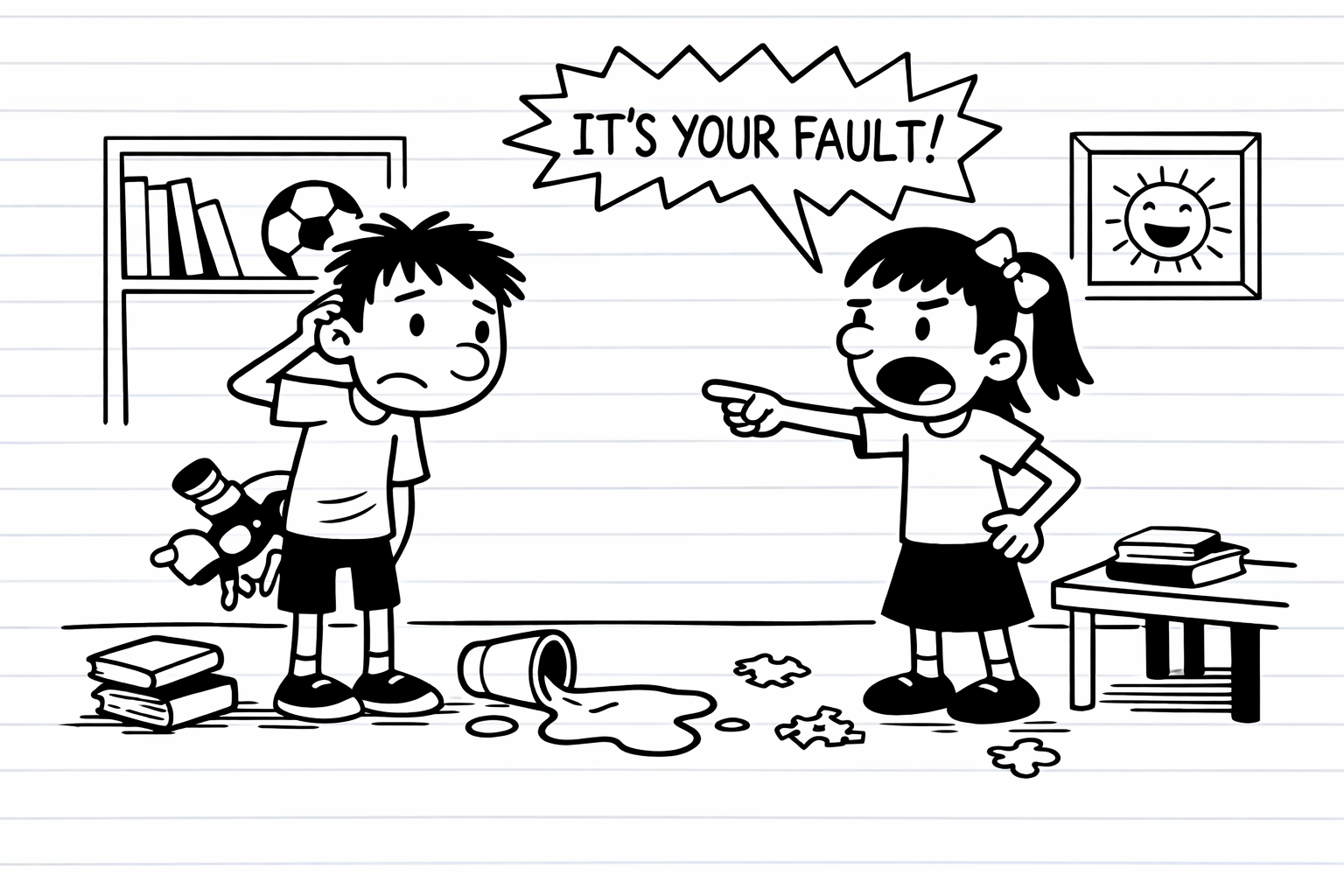
A drink spills across the table, and suddenly no one knows what happened.
A toy breaks, and fingers quietly point somewhere else. A chore gets forgotten, and the explanation arrives before the responsibility does.
Moments like these are part of childhood. In fact, they’re some of the earliest opportunities children have to learn what accountability really means.
Not blame. Not punishment. Just the growing ability to say, “That was my choice,” or “I need to make this right.”
The truth is, admitting mistakes can feel uncomfortable for anyone — especially a child who is still learning how the world works. Avoiding responsibility is often less about dishonesty and more about fear: fear of disappointment, fear of consequences, or simply not knowing how to handle the moment.
Accountability grows best in environments where children feel safe enough to tell the truth, try again, and repair what went wrong. When kids see that mistakes don’t define them, they begin to understand that owning their actions is actually empowering.
Stories help make this lesson visible.
In a book, children watch characters stumble, make questionable choices, or avoid responsibility — and then slowly find the courage to face the truth. These moments create gentle mirrors where kids can recognize themselves.
The following books offer thoughtful, compassionate ways to explore accountability. Each story allows children to see that mistakes are part of being human — and that learning to take ownership is one of the most important skills they’ll ever develop.
Books That Help Kids Learn Accountability
The Berenstain Bears and the Truth by Stan & Jan Berenstain
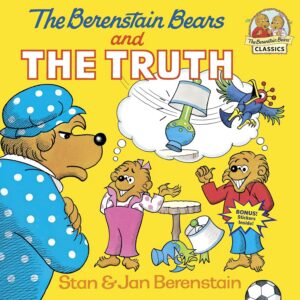
In this classic Berenstain Bears story, Brother Bear accidentally breaks a lamp while playing inside the house. Instead of telling the truth right away, he begins to spin a series of excuses and stories to avoid getting into trouble.
As the situation grows more complicated, Brother Bear begins to feel the weight of his decision. The longer he avoids the truth, the more uncomfortable he becomes. Eventually, he realizes that honesty feels much better than trying to cover up a mistake.
What kids notice in this story
Children recognize the uncomfortable feeling that comes with hiding a mistake. They also see that telling the truth often brings relief. The story shows that honesty repairs trust faster than excuses.
The Empty Pot by Demi
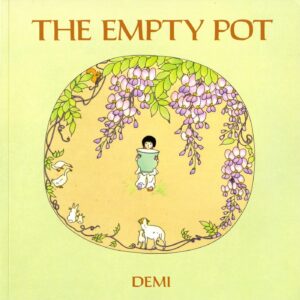
This beautifully illustrated story tells of Ping, a boy who is given a seed by the emperor of China. The emperor announces that whichever child grows the most beautiful flower will become his successor.
Ping carefully tends his seed, but nothing grows. On the day of the contest, he arrives with an empty pot while other children display magnificent flowers. Instead of pretending, Ping tells the emperor the truth about his failure.
The emperor reveals that all the seeds were cooked and could not grow. Ping’s honesty proves he is the only truly trustworthy child.
What kids notice in this story
Kids see the courage it takes to admit something didn’t work. The story highlights integrity over appearances. It quietly shows that honesty matters more than winning.
A Bad Case of Stripes by David Shannon
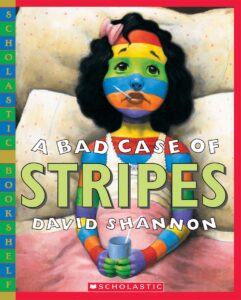
Camilla Cream worries constantly about what other people think of her. When she hides her true preferences to fit in, she suddenly develops a mysterious condition that causes her body to change colors and patterns.
Doctors, specialists, and experts all try to solve the problem, but nothing works. Camilla only begins to recover when she finally admits the truth about who she really is.
The story becomes a powerful metaphor about personal responsibility and authenticity.
What kids notice in this story
Children notice how hiding the truth makes problems worse. They also see that honesty brings relief and clarity. The story encourages kids to take responsibility for being themselves.
Howard B. Wigglebottom Learns to Listen by Howard Binkow
Howard B. Wigglebottom is energetic, curious, and often distracted. In school, he struggles to listen carefully, which leads to mistakes and misunderstandings with his teacher and classmates.
Over time, Howard learns that paying attention helps him make better choices. Listening becomes a way for him to take responsibility for his actions and improve his relationships.
What kids notice in this story
Children see how small choices affect the people around them. They also notice how learning to listen helps fix problems. The story frames responsibility as a skill that grows with practice.
Enemy Pie by Derek Munson
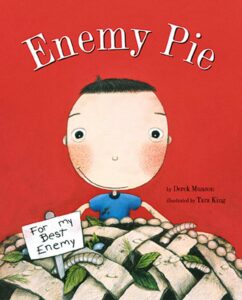
When a young boy declares a classmate his enemy, his father suggests a mysterious solution: enemy pie. But before serving the pie, the boy must spend an entire day with his supposed rival.
As the two boys play together, the narrator begins to see the situation differently. His assumptions soften, and he starts recognizing his own role in the conflict.
What kids notice in this story
Children notice that misunderstandings often involve both sides. The story gently shows how taking responsibility for friendships changes outcomes. Accountability becomes a bridge rather than a punishment.
The Sandwich Swap by Queen Rania Al Abdullah
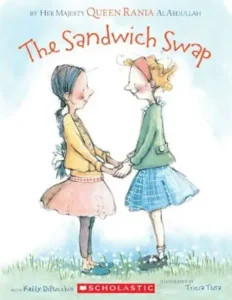
Lily and Salma are best friends who enjoy lunch together every day — until they begin criticizing each other’s sandwiches.
The disagreement escalates into a school-wide conflict where classmates take sides. Eventually, the girls realize their words hurt each other and decide to repair their friendship.
What kids notice in this story
Kids recognize how words can create unintended harm. They also see how apologizing and understanding differences can restore relationships. Responsibility becomes a way to repair connection.
Those Shoes by Maribeth Boelts
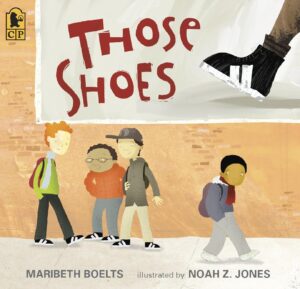
Jeremy desperately wants a pair of trendy shoes that everyone else seems to have. When he finally gets them, he quickly realizes that appearances don’t always reflect what truly matters.
Later, when he notices a classmate who needs shoes even more, Jeremy makes a generous decision.
What kids notice in this story
Children observe the difference between wanting and needing. They see how choices affect others. The story shows responsibility as awareness and empathy.
I Am Human by Susan Verde
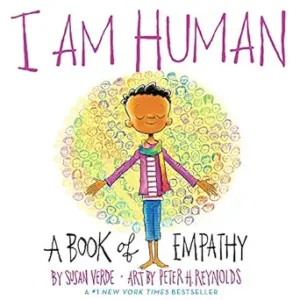
This thoughtful picture book reminds readers that everyone makes mistakes. The story explores feelings like regret, kindness, and forgiveness through simple but powerful language.
Instead of focusing on perfection, the book emphasizes learning from experiences and choosing compassion.
What kids notice in this story
Children learn that mistakes are part of being human. They see that growth follows reflection. The story encourages gentle responsibility rather than shame.
The Girl Who Never Made Mistakes by Mark Pett
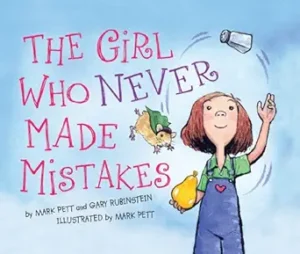
Beatrice Bottomwell is known throughout town for being perfectly careful. She prides herself on never making a mistake — until one spectacular moment proves otherwise.
When the unexpected happens, Beatrice discovers that mistakes aren’t disasters. They’re opportunities to learn, laugh, and move forward.
What kids notice in this story
Kids see that mistakes don’t erase their worth. They also notice that admitting an error can bring freedom. The story reframes accountability as courage.
Helping Accountability Grow
Accountability doesn’t appear overnight. Like reading, writing, or tying shoes, it develops gradually through practice and encouragement.
Children learn ownership best when they feel safe enough to admit mistakes. When the environment allows honesty without immediate judgment, kids begin to understand that telling the truth actually makes problems easier to solve.
Books can play a powerful role in that process. When children see characters navigating mistakes, repairing friendships, or telling difficult truths, they begin to internalize those patterns.
These stories become especially meaningful when you revisit them after real-life moments. A broken toy, a forgotten responsibility, or a hurt feeling can suddenly connect with a story your child already understands.
Personalized Stories That Reinforce Responsibility
If you want children to see accountability even more clearly, personalized stories can make the lesson feel close to home.
Platforms like Scrively allow children to appear as the main character in stories where they solve problems, repair mistakes, and grow through everyday challenges.
When kids see themselves in a story, the lessons often stick a little deeper. Responsibility becomes something they practice in imagination before applying it in real life.
And over time, those small moments of ownership — telling the truth, fixing a mistake, making something right — begin to shape the kind of person a child becomes.